














Summary:
A tiny detail can sometimes hit the internet like a firecracker in a quiet room. That’s basically what happened when fans noticed an official Bandai Namco YouTube playlist labeled “DRAGON BALL Xenoverse 3,” then watched it disappear once people started sharing screenshots and links. No stage presentation, no dramatic logo reveal, no trailer narrator telling us to “prepare for battle.” Just a playlist title sitting in plain sight, doing the one thing it wasn’t supposed to do – get noticed. And because Dragon Ball fans have spent years seeing how long Xenoverse 2 has stayed active, the reaction was immediate: if there’s a sequel, people want to know yesterday.
What makes this situation interesting is the connection fans pointed out between that playlist and the “Age 1000” trailer, which reportedly showed up as the playlist’s key video. That pairing is like finding a sticky note on a locked door. It doesn’t unlock anything by itself, but it tells you someone was working there, recently, and probably left in a rush. The playlist being removed adds another layer because it signals someone noticed the attention and decided to tidy up, fast. That doesn’t automatically confirm a final name, release date, or platform list, but it does give us a practical clue about how Bandai Namco might be organizing Dragon Ball uploads behind the scenes. So instead of getting dragged into the loudest takes on social media, we’re going to keep our feet on the ground, focus on what’s verifiable, and talk about what to watch next if you want real updates without the headache.
The Dragon Ball Xenoverse 3 leak
Picture this: you’re scrolling through an official YouTube channel’s playlists, the digital equivalent of peeking at labeled folders on someone’s desk. Most of the time it’s boring in the best way. Trailers go in trailer folders, clips go in clip folders, and nobody thinks twice about it. Then someone spots a playlist with a title that sounds like the next big thing – “DRAGON BALL Xenoverse 3.” That’s not a vague phrase like “Dragon Ball project” or “upcoming game.” It reads like a real label, the sort that makes fans sit up straight and start comparing notes. And because YouTube is built for sharing, the moment one person posts a link or a screenshot, the whole thing starts moving at sprint speed. Even if the playlist only existed briefly, the internet is very good at preserving receipts, especially when the topic is a franchise as watched as Dragon Ball.
Where fans spotted it and what it was called
Reports tied the playlist sighting to the official Bandai Namco Entertainment Southeast Asia YouTube presence, with people pointing out the playlist title and sharing captures before it was removed. The key detail that traveled fastest was simple: the playlist name itself said “DRAGON BALL Xenoverse 3.” That’s why this didn’t stay a small community whisper for long. A title like that doesn’t require translation or interpretation – it’s direct. And once it was spotted, multiple outlets and community hubs began echoing the same point: a playlist with that name existed, and it didn’t stick around. In situations like this, the platform detail matters because it frames the discovery as something found on an official channel environment rather than a random repost account. That doesn’t turn it into a full announcement, but it does explain why people treated it as more than just a rumor thread.
Why a playlist title can be a big deal
A YouTube playlist is not a press release, but it’s also not nothing. It’s an organizational tool, and organizational tools usually reflect internal naming choices. If you label a playlist “Xenoverse 3,” you’re either categorizing videos for a sequel or you’re making a surprisingly specific mistake. That’s why the title hit so hard – it felt like a backstage label briefly visible through a cracked curtain. Think of it like seeing a seating chart with a celebrity name on it before the event is officially announced. The chart doesn’t tell you what they’ll say on stage, but it strongly suggests they’re expected to show up. That’s also why the reaction tends to be intense: Dragon Ball communities have seen plenty of fake “leaks” that rely on fuzzy language, but a playlist title is concrete and easy to screenshot. And once screenshots exist, they become the fuel that keeps the conversation going, even after the original page is gone.
How the “Age 1000” trailer connects to the playlist
One of the most talked-about details in the reporting is that the playlist wasn’t just an empty label. The “Age 1000” trailer was described as being placed inside that “DRAGON BALL Xenoverse 3” playlist, which is the kind of odd pairing that makes people squint. If the trailer is meant to represent a new Dragon Ball game project, why file it under Xenoverse 3 unless that’s the intended identity or internal category? That question is exactly why this story has legs. When fans see a mismatch between a public-facing name and an internal-looking label, they assume the label is the truth and the public name is the mask. Sometimes that assumption is right. Sometimes it’s just a messy workflow moment. Either way, the connection between the trailer and the playlist is what turned a basic “playlist spotted” into a more pointed theory about what “Age 1000” might actually be.
What’s publicly known about the Dragon Ball: Age 1000 project
At the public level, the “Age 1000” label has been associated with a trailer that Bandai Namco released for a Dragon Ball game project, giving fans something official to point at even if details are still limited. What people can verify is the existence of that trailer and the fact that it circulated as a centerpiece for the discussion once the playlist title was noticed. In other words, the trailer is the known object on the table, while the playlist name is the unexpected tag attached to it. That’s why the pairing matters: if there was no recognizable official video involved, a playlist title could be dismissed as a weird empty stub. With a real trailer in the mix, the playlist looks more like a filing choice connected to an actual upcoming release. And that’s enough to keep fans watching for the next breadcrumb, because it suggests the project is active and being prepared for further rollout.
Why internal project labels and placeholders happen
Game marketing pipelines are busy kitchens. Videos get uploaded early, metadata gets drafted, thumbnails get tested, and playlists get created so everything is ready when the big moment arrives. In that environment, placeholders and internal labels happen for the same reason chefs put sticky notes on containers – speed and clarity for the team. A project might have a codename publicly and a series name internally, or the reverse. Sometimes a playlist is created to organize a campaign and someone uses a straightforward label because it’s easier than inventing a temporary one. And sometimes an employee just picks the wrong existing folder, like dropping the keys into the fridge when you’re half-asleep. The tricky part is that outsiders can’t easily tell the difference between “this is the real label” and “this is a workflow slip.” That’s why the best approach is to treat the playlist as a clue about intent, not as a full dossier that magically includes platforms, features, and launch dates.
Why the playlist disappearing matters
The playlist reportedly being removed is the part that made the situation feel more serious to many fans. If a playlist title was harmless, leaving it up would cost nothing. Taking it down suggests someone decided it shouldn’t be visible, at least not yet. That kind of cleanup doesn’t automatically confirm what’s coming next, but it does confirm attention happened internally. And in a story like this, that’s an important distinction. The internet often runs on the assumption that silence equals confirmation, which is not a reliable rule. But removal is an action, and actions are easier to evaluate than silence. It’s like watching someone quickly close a door after you catch a glimpse of what’s inside. You still don’t know the full layout of the room, but you do know you weren’t supposed to see it.
The difference between a quiet fix and a public statement
Some people expected a statement like “this was a mistake” or “this is unrelated,” but companies often avoid giving oxygen to early discoveries. A public statement can turn a small slip into a headline for days, and it can also create obligations to answer follow-up questions. A quiet fix, on the other hand, reduces visibility without adding new official wording that can be quoted forever. That’s why removal is such a common response in situations like this. It doesn’t tell us the final plan, but it does tell us the company noticed the spotlight. And for fans trying to separate real signals from noise, that matters because it raises the likelihood that the playlist wasn’t created by a random third party pretending to be official. The channel context plus the removal behavior is what made this feel like a genuine slip rather than a simple fan hoax.
What a Xenoverse sequel would likely focus on
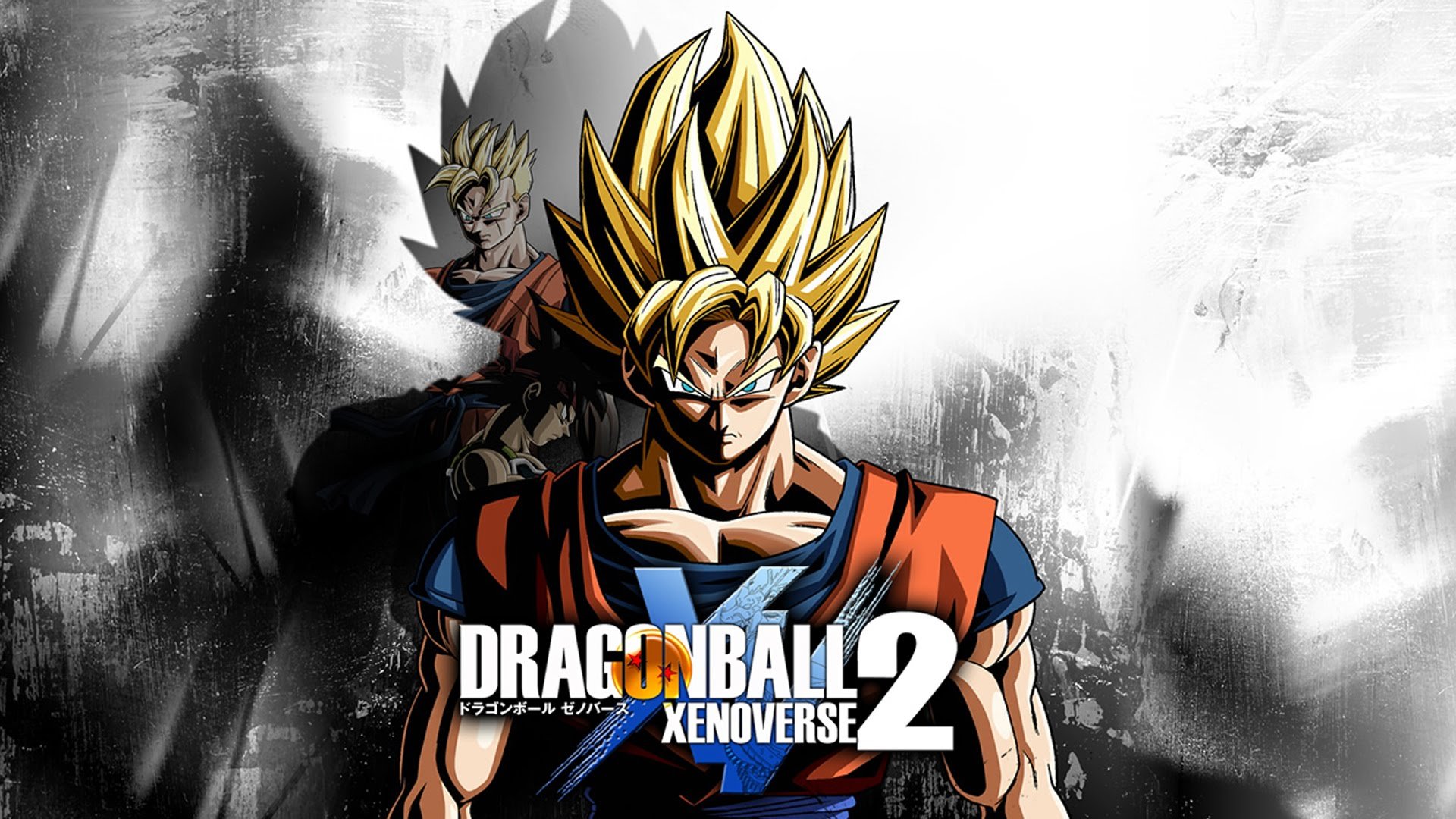
If the Xenoverse label is involved, it’s worth asking why that series still has pull. Xenoverse 2 has had a long life, and that longevity shapes what fans expect from any sequel. People don’t just want a new box. They want the best parts of the existing formula – the character creation, the time-hopping Dragon Ball remix energy, the “what if” battles – but without the rough edges that players have complained about for years. A sequel would also be judged on how it respects the time people invested in Xenoverse 2. Are we starting from scratch? Are we carrying over cosmetic unlocks? Are we getting cleaner online play? Those are the practical questions that sit behind the hype. And they’re also why a sequel rumor can cause such a big reaction – because players immediately start imagining the quality-of-life fixes they’ve been wishing for.
What Xenoverse 2 did right that a sequel should keep
Xenoverse 2 nailed a very specific fantasy: you’re not just reliving Dragon Ball, you’re messing with it. That “history gets scrambled and we fix it” framing gives the series an excuse to remix iconic moments without feeling like a straight retread. It also gives the game room for a giant roster and constant additions, because new characters and forms can be framed as new distortions, new missions, or new side arcs. The social feel mattered too – hubs, quests, and a sense that you’re part of a bigger crowd of custom fighters. If a sequel happens, keeping that identity is important because it’s the glue that holds everything together. Change too much and it stops feeling like Xenoverse. Keep the core fantasy and upgrade the structure around it, and suddenly the sequel feels like a real step forward rather than a re-skin.
Smart upgrades that fans keep asking for
This is where wishlists tend to cluster in predictable places. Players usually want smoother matchmaking, better online stability, and fewer friction points when teaming up with friends. They also want character customization that feels less limited – more hairstyles, more body options, more outfit mixing, and more ways to make a created fighter look like a unique hero rather than “another version of the same template.” Combat readability is another common target: cleaner hit detection, clearer move tracking, and better training tools so people can actually understand why a combo dropped. On the presentation side, players often hope for sharper visuals and faster loading, not because they need the game to look like a movie, but because they want the experience to feel snappy and modern. Put it all together and the dream sequel is simple: keep the fun, remove the annoyances, and make the whole thing feel like it respects your time.
The single most useful thing to watch for next
If you want the best signal with the least drama, watch for repeatable, verifiable updates from official Bandai Namco channels and listings, not just screenshots floating on social media. The playlist moment spread because it was easy to verify while it was live. The next “real” step usually looks similar: a trailer upload that appears early, a store page that goes up briefly, a rating listing, or an official schedule mention that can be checked by multiple people. The trick is to value things that can be re-checked by anyone, not just “my friend saw it” claims. It’s the difference between hearing someone say it’s raining and stepping outside to see the wet pavement yourself. If another official breadcrumb appears and multiple sources can independently confirm it, that’s when it’s worth paying closer attention.
How misinformation spreads after a small leak
Once a story like this goes viral, misinformation shows up almost instantly because the gap between “interesting clue” and “full confirmation” gets filled by imagination. Someone will slap “confirmed” on a thumbnail, someone else will invent a release date, and suddenly a playlist title turns into a full fantasy calendar. It happens because people want the story to be complete, and the internet rewards confident-sounding statements more than careful ones. The fastest way to get misled is to follow accounts that only post the spiciest version of every rumor. They’re like friends who swear every distant siren means a helicopter chase. Fun for a minute, exhausting for a month. In the Dragon Ball space, it can also lead to fake logos, fake “leaked rosters,” and edited screenshots that look convincing if you scroll too fast. If you’ve ever been burned by a too-good-to-be-true leak, you already know how annoying it feels when reality finally arrives wearing completely different shoes.
How to follow updates without getting fooled
Staying informed without getting tricked is mostly about habits. First, prioritize primary sources: official YouTube channels, official social accounts, and reputable outlets that show you what they’re referencing. Second, look for consistency across independent reporting. If multiple credible places describe the same basic detail, and it matches something you can verify, it’s safer to take seriously. Third, be allergic to “trust me” language. Claims that can’t be checked usually aren’t worth building expectations around. And finally, give yourself permission to be bored. The healthiest rumor tracking is not refreshing every five minutes – it’s setting a simple routine: check once, verify what’s new, move on. That way, if Xenoverse 3 is real and gets revealed properly, you’ll still catch it without spending weeks riding an emotional roller coaster built out of screenshots and vibes.
What this could mean for timing and reveals
A playlist slip doesn’t hand us a release window, but it can hint at where the project is in the marketing pipeline. Creating playlists and organizing trailers usually happens when teams are preparing a sequence of uploads, not when a project is a distant idea on a whiteboard. That said, timing can still vary wildly. Sometimes marketing assets get staged far in advance. Sometimes they get staged close to an announcement and the schedule is tight. The practical takeaway is that the project is being handled in a way that touches public-facing systems, which often happens as a reveal approaches. If you’re trying to read the tea leaves without chugging the whole cup, the safest interpretation is this: something Dragon Ball-related is being prepared, and the Xenoverse name showing up in an official playlist context is a meaningful clue about how it’s being categorized internally. Until a formal reveal lands, the smart move is to keep expectations flexible and focus on what gets officially posted next.
Conclusion
The reason this playlist moment hit so hard is that it felt accidental and specific at the same time. Fans weren’t hunting through obscure code or relying on anonymous claims – they were looking at a public-facing platform tied to an official channel environment, spotting a playlist title that reads like a sequel, and watching it get removed after attention spiked. That sequence is exactly why the rumor spread so fast. Still, the healthiest way to treat it is as a strong clue, not a finished announcement. The “Age 1000” trailer connection adds context, the removal adds urgency, and the Xenoverse label adds a clear direction for what people think the project might be. If you want to stay on the right side of reality, keep your focus on verifiable updates: official uploads, official pages, and consistent reporting you can cross-check. If Xenoverse 3 is truly next, the real reveal will eventually arrive with all the details fans actually care about – platforms, gameplay, and timing – and you won’t need to guess based on a playlist title ever again.
FAQs
- Was Dragon Ball Xenoverse 3 officially announced by Bandai Namco?
- No. The discussion grew after reports that a YouTube playlist titled “DRAGON BALL Xenoverse 3” was spotted on an official Bandai Namco channel environment, then removed, but that is not the same as a formal announcement.
- What made the playlist detail feel important to fans?
- The playlist title was specific and easy to document, and reports connected it to the “Age 1000” trailer being placed inside that playlist, which suggested an internal categorization rather than a random rumor.
- Does the playlist prove the “Age 1000” project is Xenoverse 3?
- It’s a meaningful clue about how something was labeled on a public platform, but it does not provide a complete official confirmation with full details like a press release would.
- Why would a company remove a playlist after it gets noticed?
- Removing it can be a quick way to reduce attention without issuing a statement that creates more headlines or invites more direct questions before the company is ready.
- What’s the best way to track the next real update?
- Watch for verifiable signals from official channels and reputable reporting that references checkable material, like official uploads or pages that multiple people can independently confirm.
Sources
- Dragon Ball Xenoverse 3 May Have Been Accidentally Leaked by Bandai Namco, VICE, February 22, 2026
- Bandai Namco may have accidentally confirmed its mysterious new Dragon Ball game was actually Xenoverse 3, GamesRadar+, February 23, 2026
- New Dragon Ball Z Leaked Game Is One Fans Have Waited 10 Years For, ComicBook.com, February 23, 2026
- Bandai Namco Accidentally Leaks Dragon Ball Xenoverse 3, CBR, February 22, 2026
- Dragon Ball: Age 1000 New Game Briefly Listed Under Dragon Ball Xenoverse 3 Playlist, Anime Corner, February 23, 2026