











Summary:
The idea of Capcom revisiting the first Resident Evil once again sounds bold at first, but the more we sit with it, the more natural it feels. The original game is not just another entry in the series – it is the front door to one of gaming’s most recognizable horror worlds. According to a recent claim from known Resident Evil insider Dusk Golem, a new remake of the first game is now in full production, although it is still reportedly years away. That part matters. This is not the kind of claim that points to a surprise launch around the corner. It suggests something earlier, slower, and more deliberate.
What makes the report interesting is not only the game itself, but the direction people expect it to take. The 2002 remake remains loved for its atmosphere, presentation, and tension, but it still lives in a style built around fixed camera angles and older control sensibilities. A new version would likely move closer to the design language used in Resident Evil 2, with a more immediate perspective, modern movement, and a heavier focus on immersive exploration. That would not erase the old classic. It would give the Spencer Mansion a second life for players who came into the series through newer remakes.
The wider rumor chatter around Capcom adds another layer. There is ongoing talk about Code: Veronica, Resident Evil 0, future mainline plans, and possible downloadable content for Resident Evil Requiem. None of that should be treated as confirmed unless Capcom says so, but it does create a picture of a company that clearly knows Resident Evil is still one of its sharpest weapons. If a new Resident Evil 1 remake really is part of that strategy, it would not feel random. It would feel like Capcom circling back to the house where all the trouble started, turning on the lights, and then making sure they flicker at exactly the wrong moment.
The original Resident Evil nightmare may be returning
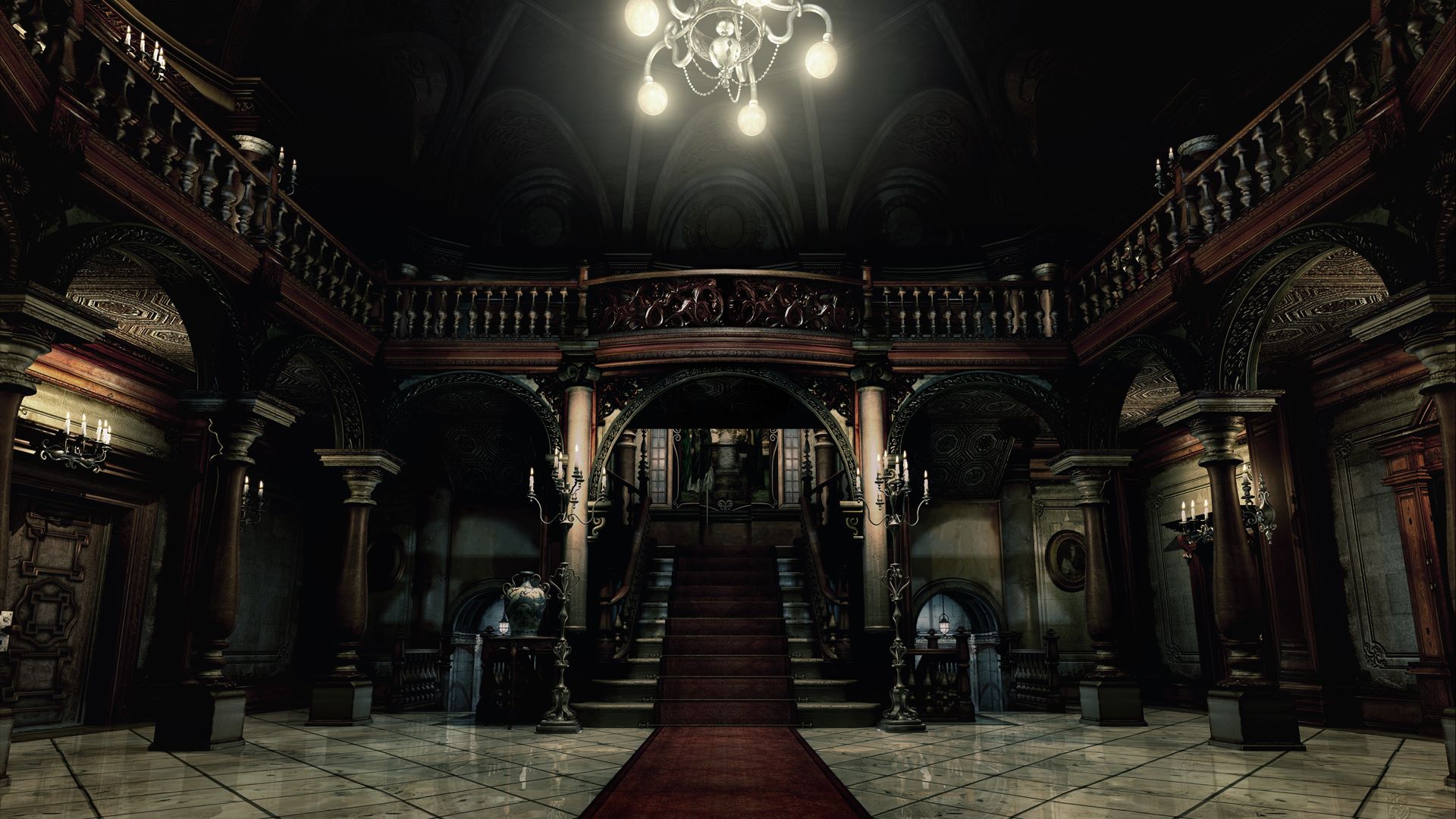
The latest talk around Resident Evil points to a possibility that instantly grabs attention – Capcom may be working on a new remake of the first game. That idea carries weight because the original Resident Evil is not just an old favorite tucked away in the franchise archive. It is the foundation stone. The Spencer Mansion, the uneasy silence in the hallways, the creak of doors, the feeling that every corner might punish curiosity – that entire identity starts there. A fresh version of that experience would not simply be another remake on a release calendar. It would be Capcom revisiting the exact moment the series found its voice, then asking how that voice should sound for a modern audience.
There is also a practical reason the rumor feels believable. Capcom has already shown that it knows how to rebuild classic Resident Evil games in a way that feels current without losing their core mood. That matters. When a publisher has a proven record with this kind of revival, speculation stops feeling like fantasy and starts feeling like something that could fit a real strategy. Fans are not imagining a random moonshot here. They are looking at Capcom’s recent history and connecting dots that seem to lead back to the mansion.
Why this remake rumor is getting attention
The current discussion comes from Dusk Golem, a name that tends to draw notice whenever Resident Evil rumors start moving. The reported claim is that a new remake of the original game is now in full production, but that it remains years away from release. That second part is the detail people should keep glued to the front of their mind. It frames the report as early-stage long-term planning rather than something on the verge of an official reveal. In other words, this is not a case of brushing off your shotgun and expecting a trailer tomorrow morning.
What gives the rumor extra traction is the way it matches a broader fan expectation. Many players have wondered for years whether Capcom would eventually bring the first game in line with the modern remake style seen in Resident Evil 2, Resident Evil 3, and Resident Evil 4. That question never really went away. It lingered in the background like a distant footstep in an empty corridor. So when a fresh claim appears that points in exactly that direction, people are ready to listen because it aligns with something that has long felt unfinished.
What makes the first game such a powerful candidate
Not every older game needs to be pulled apart and rebuilt. Some are better left as snapshots of their time. Resident Evil is different because its setting, structure, and tone remain incredibly strong even decades later. The mansion is still one of the most effective horror locations in gaming. It is compact without feeling small, mysterious without becoming messy, and memorable in a way that sticks with people long after they stop playing. That kind of design ages well because it is built on tension and pacing, not just spectacle.
A new remake could also bridge a generational gap within the fanbase. There are longtime players who adore the 2002 remake and newer players whose first real connection to the series came through over-the-shoulder remakes. Bringing the original story into that modern style would give both groups a meeting point. One side gets a beloved setting revisited with fresh tech and new detail, while the other gets a clearer path back to the series’ roots without needing to adjust to older presentation quirks on day one.
Why nostalgia alone would not be enough
Nostalgia can open the door, but it cannot carry the whole experience on its back forever. Capcom would need more than familiar locations and iconic monsters to make a new Resident Evil 1 remake truly land. The game would need to justify itself by reinterpreting fear, not merely replaying it. That means richer environmental storytelling, stronger character presence, cleaner pacing, and encounters that feel dangerous in ways that fit today’s expectations. Players do not want a museum piece with shinier wallpaper. They want a living, breathing version of the nightmare.
That is why the best argument for this project is not sentimental. It is creative. The original Resident Evil still has enormous unrealized potential in a modern format. The mansion could feel denser, smarter, and more physically believable. The danger could become more immediate. Small decisions could carry more pressure. When done right, the result would not replace the earlier version. It would stand beside it, like a different telling of the same ghost story, one whispered closer to your ear.
Why fixed camera angles are the big talking point
One of the first assumptions people make about a possible new remake is that fixed camera angles would likely be left behind. That is not hard to understand. Those angles are deeply tied to the identity of the original game and the 2002 remake, but they are also one of the biggest barriers for newer players. For some fans, they are sacred. For others, they feel like trying to read a map while someone keeps spinning the table. The charm is real, but so is the friction.
If Capcom revisits the first game in the modern remake style, it would probably aim for a closer, more direct perspective, one that allows the mansion to feel immediate and tactile. That shift would change more than the camera. It would affect tension, combat, exploration, and how players read danger in each room. Suddenly every hallway becomes more intimate. Every turn becomes less theatrical and more personal. Instead of watching your character step into a threat, you feel like you are the one inching toward it.
How a modern remake could reshape the mansion
The Spencer Mansion is already famous for feeling like a puzzle box with teeth. A modern remake could lean even harder into that strength. Rooms could be expanded or reinterpreted without losing their original purpose. Lighting could guide attention in subtle ways. Sound design could do nasty little things with distance and silence. Doors, floorboards, storms outside the windows, and unseen movement behind walls could all become part of the tension machine. Horror works best when the environment feels like it is in on the joke, and the mansion has always been very good at that joke.
There is also room for smarter backtracking. The original structure asks players to revisit locations often, and that can be wonderful when handled well. In a modern version, Capcom could make those returns feel more dynamic. Changes in enemy placement, environmental damage, blocked routes, or small story reveals could keep familiar spaces from feeling stale. That would preserve the classic design DNA while trimming away the moments that feel like pure housekeeping. Nobody wants to feel like they are doing spooky errands forever, even if the wallpaper is trying very hard to be menacing.
What Resident Evil 2 changed for the series
Resident Evil 2 proved that Capcom could modernize a beloved classic without flattening its identity. That game did not just update graphics and call it a day. It rethought perspective, movement, combat rhythm, environmental detail, and the physical presence of fear. It made Raccoon City feel close enough to touch, then used that closeness to make danger feel heavier. That is why it remains the obvious comparison point for any rumor about the first game being remade again. It is not just a successful remake – it is the blueprint many fans imagine.
If Capcom applies a similar philosophy to the original Resident Evil, the result could be fascinating. The mansion is less sprawling than Raccoon City, but that smaller scale could actually work in its favor. A tighter setting can generate pressure in a more concentrated way, like turning a screw instead of swinging a hammer. Resident Evil 2 showed how modern presentation can intensify dread. Resident Evil 1 could use the same lesson and channel it into slower, more intimate horror where every room feels like it is hiding bad intentions behind polished wood and antique lamps.
Where this claim fits into Capcom’s wider Resident Evil future
The rumor around a new version of Resident Evil does not exist in a vacuum. It is being discussed alongside talk of other possible projects, including Code: Veronica, Resident Evil 0, further support for Resident Evil Requiem, and the long-term path toward the next numbered entry. That does not mean every circulating claim is true. It means the conversation is happening in a franchise environment where multiple future moves seem plausible. Capcom has every reason to keep Resident Evil active. The series remains commercially powerful, critically visible, and flexible enough to support remakes, sequels, and side projects without feeling overextended right away.
That broader context matters because it makes a new Resident Evil 1 remake feel strategic rather than isolated. If Capcom is indeed planning a rolling sequence of Resident Evil releases across several years, returning to the original game would be a smart anchor point. It is instantly recognizable, easy to market, and rich with symbolic value. A publisher loves that combination the way a merchant loves exact change. It keeps the machine moving while reinforcing the brand’s history at the same time.
Why timing matters more than hype
The strongest word in the current rumor may actually be “years.” That one detail keeps expectations from running off the rails. If the project is real and still far from release, then a lot can change before it reaches players. Direction can shift. Scope can expand. Timelines can move. Features that seem obvious today may be rethought tomorrow. This is why the smartest way to read the rumor is not as a promise, but as an early signal that Capcom may be laying track for something bigger down the line.
That slower timeline could also work in Capcom’s favor. The first Resident Evil deserves careful handling. It should not feel rushed, crowded, or squeezed between bigger launches like an afterthought with a famous name. A patient development cycle would give the team room to solve the hardest question at the center of the whole idea: how do you preserve the spirit of a game built on deliberate limitation while translating it into a format that encourages freedom and immediacy? That is not a tiny design puzzle. That is the mansion-sized puzzle.
What fans should realistically expect from a new version
If this project eventually becomes official, fans should expect reinterpretation rather than one-to-one recreation. Some locations may move around. Some sequences may be expanded. Character writing could become more natural and less stylized than the series’ early-era dialogue. Combat would likely be more grounded in modern systems, and the horror might rely less on presentation gimmicks and more on immersion. That kind of approach would be consistent with how Capcom has handled recent remakes. The bones stay recognizable, but the body gets rebuilt.
At the same time, players should not expect every rumor floating around future Resident Evil projects to line up perfectly. The internet loves to stack whispers into towers and then act surprised when the top half falls off. For now, the most stable takeaway is simple: a known insider says a new Resident Evil remake is underway, and it is reportedly a long way off. Everything beyond that should be handled with calm hands and a raised eyebrow until Capcom speaks on the record.
Why the first Resident Evil still matters now
The original Resident Evil still matters because its core idea remains timeless. Put vulnerable people in a place that feels wrong, starve them of certainty, then make every opened door feel like a dare. That formula still works. It works because fear is not about age or hardware. It is about anticipation. It is about the space between what you know and what you suspect. The first game understood that brilliantly, and that is why people still talk about it with the kind of affection usually reserved for scars and favorite songs.
A modern remake could remind players why the series became so important in the first place. Not through nostalgia bait, not through checklist fan service, but through craft. Through careful pacing. Through visual storytelling. Through the slow tightening of dread until even a quiet hallway feels louder than an explosion. If Capcom really is rebuilding Resident Evil once again, then it is revisiting more than a classic title. It is revisiting the blueprint for fear that helped define an entire genre.
Conclusion
The rumor of a new Resident Evil remake makes sense because it points back to the one place Capcom can always return to with purpose – the mansion where the series found its identity. Nothing is official yet beyond public reporting and fan discussion, so the smart approach is to treat the claim as plausible, interesting, and unconfirmed. Even so, the idea has real weight. A modern version of the first game could introduce a defining survival horror classic to newer players while giving longtime fans a fresh perspective on familiar terror. If Capcom does move forward with it, the goal should not be to replace what came before. It should be to let that old dread breathe again in a new shape, with every shadow, hallway, and distant groan reminding us why Resident Evil still knows exactly how to get under the skin.
FAQs
- Is Capcom officially making a new Resident Evil 1 remake?
- Capcom has not officially announced a new remake of the first Resident Evil. The current discussion is based on a recent insider report, so it should be treated as unconfirmed until Capcom says otherwise.
- Would a new Resident Evil 1 remake keep the fixed camera angles?
- The rumor itself does not confirm gameplay style, but many fans expect a modern approach closer to Resident Evil 2. That would likely mean a more direct camera perspective instead of the classic fixed-angle presentation.
- Why remake Resident Evil 1 again when the 2002 version already exists?
- The 2002 remake is still highly respected, but it reflects an older design style. A new version could bring the original story and setting to players who prefer the feel of Capcom’s more recent remakes.
- How would a new version differ from Resident Evil HD Remaster?
- Resident Evil HD Remaster preserves the structure and style of the earlier remake. A full modern remake would likely rebuild the game more dramatically, with updated movement, presentation, combat, and environmental detail.
- When could a new Resident Evil 1 remake release?
- There is no confirmed release window. The current reporting suggests the project is still years away, which means any launch timing remains uncertain until Capcom formally reveals its plans.
Sources
- Resident Evil Requiem, Capcom, accessed March 6, 2026
- Resident Evil Requiem Surpasses 5 Million Units!, Capcom, March 4, 2026
- RESIDENT EVIL 30th ANNIVERSARY Website, Capcom, accessed March 6, 2026
- Resident Evil HD Remaster Official Site, Capcom, accessed March 6, 2026
- Resident Evil 2 Official Site, Capcom, accessed March 6, 2026
- Rumor: The First Resident Evil Could Get a New Remake, Already in Production, Rely on Horror, March 4, 2026
- Resident Evil 1 Remake Has Reportedly Entered Production At Capcom, PSU, March 4, 2026
- Dusk Golem: Full production on Resident Evil 1 Remake is underway at Capcom, My Nintendo News, March 3, 2026