














Summary:
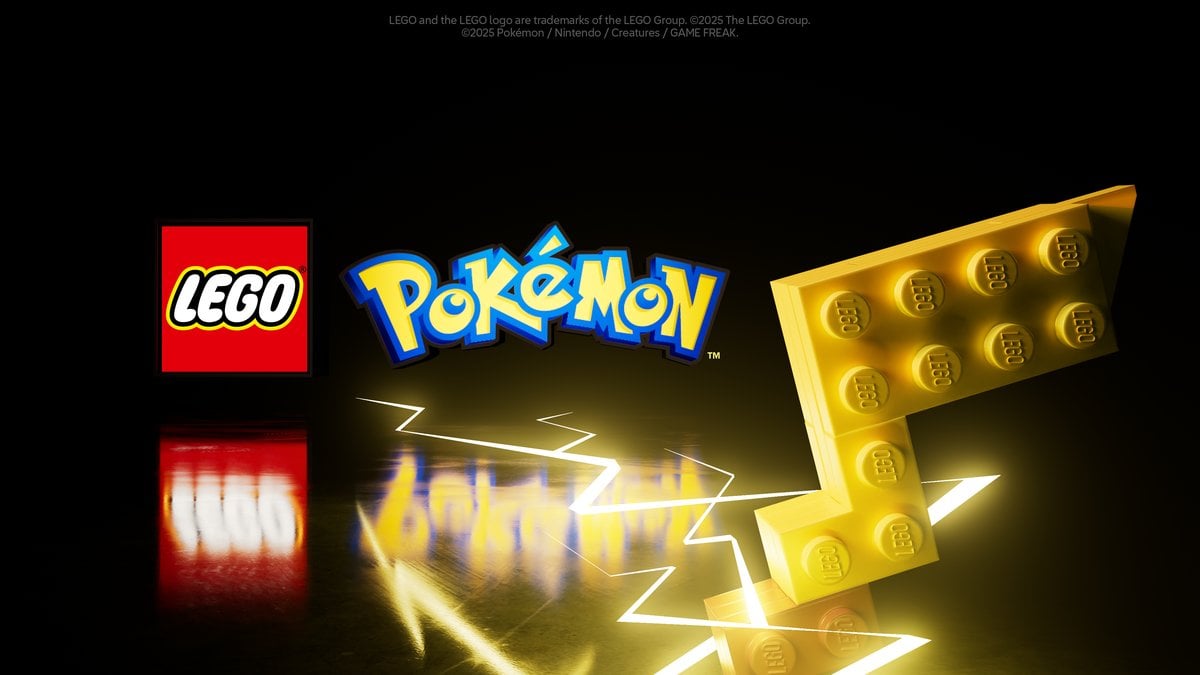
LEGO Pokémon is officially happening in 2026, and that single fact is doing a lot of heavy lifting right now. The partnership announcement confirms the big picture – LEGO and The Pokémon Company International are bringing Pokémon to LEGO bricks – but it does not lock in a set list, prices, or even the exact release month. That gap is exactly where rumors sprint in wearing running shoes. In leak circles, the chatter has shifted from “will it happen?” to “what shape will it take?” and one phrase keeps popping up: “smart brick” or “smart play” style features that could turn building models into something you can also interact with. Recent talk also points to a Summer 2026 wave with multiple sets, with familiar headliners like Pikachu, Charizard, and Mewtwo appearing again because, well, they always do. The trick is staying grounded. We can treat leaks like weather forecasts: useful for planning, terrible for certainty. So we’ll sort what’s confirmed, explain how early set lists typically surface, and map out what a believable interactive Pokémon play pattern could look like without turning your living room into a tech support desk. Most importantly, we’ll keep it practical – what signals to watch for, how to avoid sketchy listings, and how to know when the first real confirmation has landed.
The LEGO Pokémon partnership: what’s confirmed for 2026
Here’s the clean, reliable foundation: LEGO Pokémon is coming in 2026, and the partnership is positioned as a multi-year collaboration. That means we can stop arguing about whether it exists and start focusing on how it might roll out. The official announcement language is intentionally broad, because that’s how big launches stay flexible. Nobody wants to promise “Set X on Date Y” a year out and then eat crow later. What we can say with confidence is that both companies are framing this as a first-time LEGO Pokémon experience, built around the idea of bringing Pokémon to life “brick by brick.” That phrasing strongly hints at buildable models rather than, say, tiny minifig-scale creatures everywhere. It also suggests LEGO is thinking about play patterns, not just display pieces. So if you’re hoping for a single massive collector showpiece, that’s possible, but it’s just as realistic that we get a mix: one or two big attention-grabbers and a wider range of smaller sets that hit different budgets.
Why the rumor machine spins so hard around new LEGO themes
When LEGO introduces a new licensed theme, the leak ecosystem lights up like a Pikachu tail in a teaser video. It’s not magic, it’s logistics. Retail systems often need placeholders early, internal product pipelines create breadcrumbs, and people who track set numbers treat patterns like a hobby and a part-time detective job. Add Pokémon, an IP that prints hype like it’s a renewable resource, and you get a rumor blender running at full speed. The important mindset is this: rumors are often a mix of real fragments and enthusiastic filler. A real fragment might be a set number range, a vague theme label, or a seasonal window. The filler is everything else – character lists, gameplay features, and “my cousin’s friend saw it” style details. If we treat every leak as gospel, we’ll end up disappointed. If we ignore them entirely, we miss useful signals. The sweet spot is treating rumors like a map with missing roads: it can still tell you the general direction, but you shouldn’t bet your rent on the exact turns.
How early set lists usually appear
Early set lists typically show up because someone, somewhere, needs a label before the product is public. Retailers need database entries, distributors need internal planning codes, and marketing calendars need placeholders so teams can coordinate packaging, localization, and shelf timing. Those placeholders leak because humans are involved, and humans love sharing “secret” info. The most believable early lists are usually boring: set numbers, short codenames, and a release month like “Summer.” The flashy versions – full names, exact piece counts, “battle mechanics,” and a perfectly curated character roster – are the ones to side-eye first. Why? Because final naming is often one of the last things to lock. LEGO and Pokémon will want names that work globally, translate cleanly, and avoid stepping on trademarks. So if a rumor looks like it was typed directly from a finished box, it might be real, but it’s also the easiest kind of rumor to fabricate because it sounds exciting and complete.
Why set numbers and SKU patterns matter
Set numbers and SKUs are the unsexy backbone of how LEGO products move through the world, and that’s exactly why they matter. They’re less about hype and more about inventory reality. A consistent set number range attached to a theme can signal that something is being slotted into LEGO’s internal structure, which is harder to fake than a “leaked image” with suspicious lighting. That said, numbers alone don’t guarantee a specific character lineup. They can suggest scale, though. A spread of multiple numbers in a tight range often implies multiple products, not a single one-off. That fits the idea of a wave launch, where LEGO tests different price points and audiences quickly. Think of it like a restaurant opening: you don’t start with one dish and call it a menu. You launch with a selection, see what people order, and then you adjust. If rumors mention “at least 10 sets,” the number itself is plausible for a first-year rollout, but the details inside that claim still need the same skepticism as everything else.
The “smart brick” idea: what that phrase might really mean
“Smart brick” is one of those phrases that sounds precise until you try to pin it down. In leak communities, it often becomes a catch-all for anything interactive: electronic components, scannable elements, sound effects, or even app-linked features. What’s plausible is LEGO borrowing its own playbook from existing interactive lines and adapting it to Pokémon. Pokémon battles are a natural fit for simple, repeatable interaction loops: do a thing, get a response, compare results, repeat with friends. The danger is imagining something too complicated. LEGO usually succeeds when the toy still works as a toy even if the “smart” part is ignored. If the fun collapses without electronics, that’s a fragile product. So the most believable “smart” approach is one where the interactive element adds flavor – sounds, light feedback, maybe simple battle prompts – without turning the set into a device you need to charge like it’s your third phone.
How LEGO has handled interactive play before
LEGO has already experimented with interactive systems tied to recognizable characters, and the lesson from those projects is pretty consistent: keep the loop simple, keep it repeatable, and make sure kids can understand it in seconds. Pokémon battles are basically built for that. You don’t need a complex simulation to make battles feel like battles. You need recognizable cues: attack, defend, special move, and a sense of “who won” that feels fair enough for playtime. If LEGO goes interactive here, we should expect something designed for quick back-and-forth, not a rules manual that reads like a tax form. Also, Pokémon is a brand with decades of merch experience. If something is too fiddly, it won’t survive the real-world stress test of kids, collectors, and parents who just want it to work on a Saturday morning. The best-case scenario is an interactive layer that feels optional, like sprinkles on ice cream. Nice to have, not required to enjoy the scoop.
What Pokémon battles could look like without getting weird
Let’s imagine a “smart” battle system that doesn’t overreach. The cleanest version is a small interactive component that reacts to simple inputs, like scanning tiles, pressing a button sequence, or triggering a sound and result feedback. Two builds could “face off” with a few repeatable actions: choose a move, trigger the response, compare outcomes. You could even see sets including small collectible elements that represent moves or types, because Pokémon types are basically a ready-made rock-paper-scissors system with extra spice. But it needs guardrails. If battles require an app login, updates, and troubleshooting, the charm evaporates fast. Nobody wants their Charizard to lose because the firmware is outdated. The best LEGO play features are the ones that survive being tossed in a bin and rediscovered six months later. So if “smart brick” rumors are pointing anywhere useful, it’s toward light interactivity that supports imaginative play, not a replacement for it.
Reality check: what “Summer 2026” tells us and what it doesn’t
A seasonal window like “Summer 2026” is helpful, but it’s not a calendar appointment. Summer can mean different launch timings depending on region, retailer, and whether LEGO treats Pokémon as a mid-year wave or a headline holiday push that starts early. It also doesn’t confirm whether we’re talking about the first wave or a second wave. Some rumors suggest earlier sets, like a big starter-focused release, and then a Summer wave of interactive builds. That sequence is plausible, because it mirrors how LEGO sometimes establishes a theme with a flagship release and then expands with broader play options. Still, “Summer” in leak language can also be shorthand for “somewhere in the middle of the year,” which is not exactly laser precision. The sensible approach is planning, not pre-committing. If you’re budgeting for these sets, treat “Summer 2026” like a rough season to set money aside, not a reason to start refreshing store pages every morning like it’s a sport.
Fan-favorite Pokémon in leaks: why Pikachu, Charizard, and Mewtwo keep showing up
When leaks mention Pikachu, Charizard, and Mewtwo, it’s tempting to roll your eyes and say, “Of course.” But that’s also why those rumors often sound believable. These Pokémon are merchandising champions. They’re recognizable even to people who couldn’t name three gym leaders if their life depended on it. Pikachu is the face of the brand, Charizard is the forever-cool dragon (yes, we know, not a Dragon type), and Mewtwo is iconic for that “powerful and slightly scary” vibe that looks amazing on a shelf. From a product strategy perspective, these choices make sense for LEGO’s first Pokémon steps because they reduce risk. You’re not launching a new theme and leading with something obscure unless you’re trying to lose money on purpose. So while we should stay cautious about exact set counts and features, it’s completely reasonable that these names would be early anchors in any real lineup.
Evergreen picks vs. surprise picks
An early LEGO Pokémon range will likely split into two buckets: evergreen crowd-pleasers and “surprise, we went there” picks. Evergreen picks are your mascot-level Pokémon, starters, and legendary icons. They sell because they’re familiar, and familiarity is a cheat code in retail. Surprise picks are what keep the line interesting once the obvious choices are covered. They also help LEGO create different shapes and building experiences, which matters a lot for brick-built creatures. A round Pokémon builds differently than a long, spiky one. A winged Pokémon offers different display potential than a squat, chunky one. If a rumor list includes a few less predictable names alongside the big three, that’s actually a point in its favor, because real product lines need variety to avoid feeling like the same build repeated with different stickers. Variety also keeps collectors coming back, because nobody wants a lineup that feels like it was generated by a “top 10 Pokémon” poll from 1999.
Where a Pokémon Red and Blue starter focus fits
The older rumor about a big Pokémon Red and Blue starter-focused set has a certain logic, even if it remains unconfirmed. Kanto is the shared nostalgia bridge. It hits longtime fans, it’s easy to market, and it’s where Pokémon began for many people outside Japan. A flagship set built around Kanto starters could also be LEGO’s way of saying, “We know what you want, and we’re starting with the classics.” If that rumor ever becomes real, it could take a few forms: a display-focused model featuring multiple starters, a scene build tied to early-game imagery, or a collector piece that leans into iconic silhouettes rather than minifig-scale environments. The key is that LEGO can make one big statement set that dominates headlines, then follow with smaller sets that are easier for families to buy. That’s a smart way to launch. It’s like opening with a fireworks show and then selling sparklers all summer.
How to shop the first wave wisely in 2026
If you’re excited and also a little worried about missing out, that’s normal. Big licensed LEGO launches tend to attract fast sell-through, resellers, and a whole lot of “limited stock” panic. The best defense is boring discipline. Decide your must-haves early, set a budget, and don’t let hype bully you into buying a sketchy listing at 2x the price. Pokémon is popular, but LEGO is also very good at restocks for mainstream items once production ramps. If the first wave includes both collector-tier and regular retail sets, the regular ones are more likely to be restocked. Also, be careful with unofficial storefronts and social media shops that pop up out of nowhere. If a seller is offering “preorders” with zero official product images and a checkout page that looks like it was built in an afternoon, that’s not a deal, it’s a trap. The goal is to enjoy the build, not to win a stress contest.
How to recognize the first real confirmation when it lands
Real confirmation usually arrives in a few predictable ways: official LEGO channels, official Pokémon channels, major retailer listings with proper assets, and coordinated press coverage that all drops at once. When a set is truly announced, you’ll see consistent names, consistent product photos, and consistent pricing across multiple reputable outlets. You’ll also see LEGO’s own product pages go live, often with polished descriptions and clear age ratings. Another strong signal is when retailers start showing high-quality images that match LEGO’s standard render style, not blurry screenshots that look like they were taken with a potato in a warehouse. If interactive features are part of the lineup, official materials will explain them clearly, because LEGO can’t sell “smart play” on mystery alone. Until that moment, rumors can be fun, but they’re still rumors. Treat them like a trailer with no release date: exciting, but not something you schedule your life around.
Conclusion
LEGO Pokémon in 2026 is one of those rare crossovers that feels inevitable in hindsight, and now it’s finally real in the only way that matters: officially confirmed as a partnership with sets planned for release in 2026. Everything beyond that is a sliding scale of “maybe,” with rumors filling the empty space where official set details haven’t arrived yet. The smartest approach is keeping two ideas in your head at the same time: leaks can hint at direction, and leaks can also be wildly wrong about specifics. The talk of “smart brick” style sets and a Summer 2026 wave is plausible as a concept, especially if LEGO wants battles and interactive play loops, but the exact lineup, features, and timing need a real announcement before they deserve full belief. Until then, we can plan without panicking: watch for coordinated official reveals, ignore suspicious preorder pages, and keep your budget ready so excitement doesn’t turn into regret. When the first real product pages go live, that’s when the guessing game ends and the building begins.
FAQs
- Is LEGO Pokémon officially confirmed for 2026?
- Yes. LEGO and The Pokémon Company International have announced a partnership that will bring LEGO Pokémon in 2026, but specific sets and dates have not been fully detailed yet.
- Are the rumored “smart brick” battle sets guaranteed?
- No. What we can say is that rumors and leak communities are discussing interactive features, but nothing about “smart brick” mechanics is confirmed until LEGO and Pokémon publish official details.
- Why do Pikachu, Charizard, and Mewtwo show up in so many leaks?
- They’re among the most recognizable Pokémon worldwide, which makes them logical early candidates for marketing and retail. That said, frequent mentions still don’t equal confirmation.
- How can we avoid fake LEGO Pokémon preorders?
- Stick to official LEGO channels and well-known retailers. Be cautious of listings with no official images, strange pricing, or storefronts that appear overnight with “limited stock” pressure tactics.
- What’s the best sign that a rumor has become real?
- Coordinated official reveals and retailer pages with consistent names, prices, and high-quality product images. When multiple reputable sources match, that’s when speculation turns into reality.
Sources
- The LEGO Group and The Pokémon Company International team up to bring the world of Pokémon to life brick by brick., LEGO.com, March 18, 2025
- Lego announces Pokémon sets are coming next year, The Verge, March 18, 2025
- Partnership Between the LEGO Group and the Pokémon Company International, GamesMarket Global, March 18, 2025
- Now it’s Lego’s turn to get on the Pokémon hype train, Business Insider, March 24, 2025
- Eerste LEGO Pokémon Collectie prijzen mogelijk gelekt, N1-UP, September 1, 2025
- Rumor: LEGO Pokemon Summer 2026 Set Details Leaked, NintendoSoup, December 25, 2025
- Pokémon: Some details on the Summer 2026 wave (Source: Brick Tap), Reddit, December 25, 2025