







Summary:
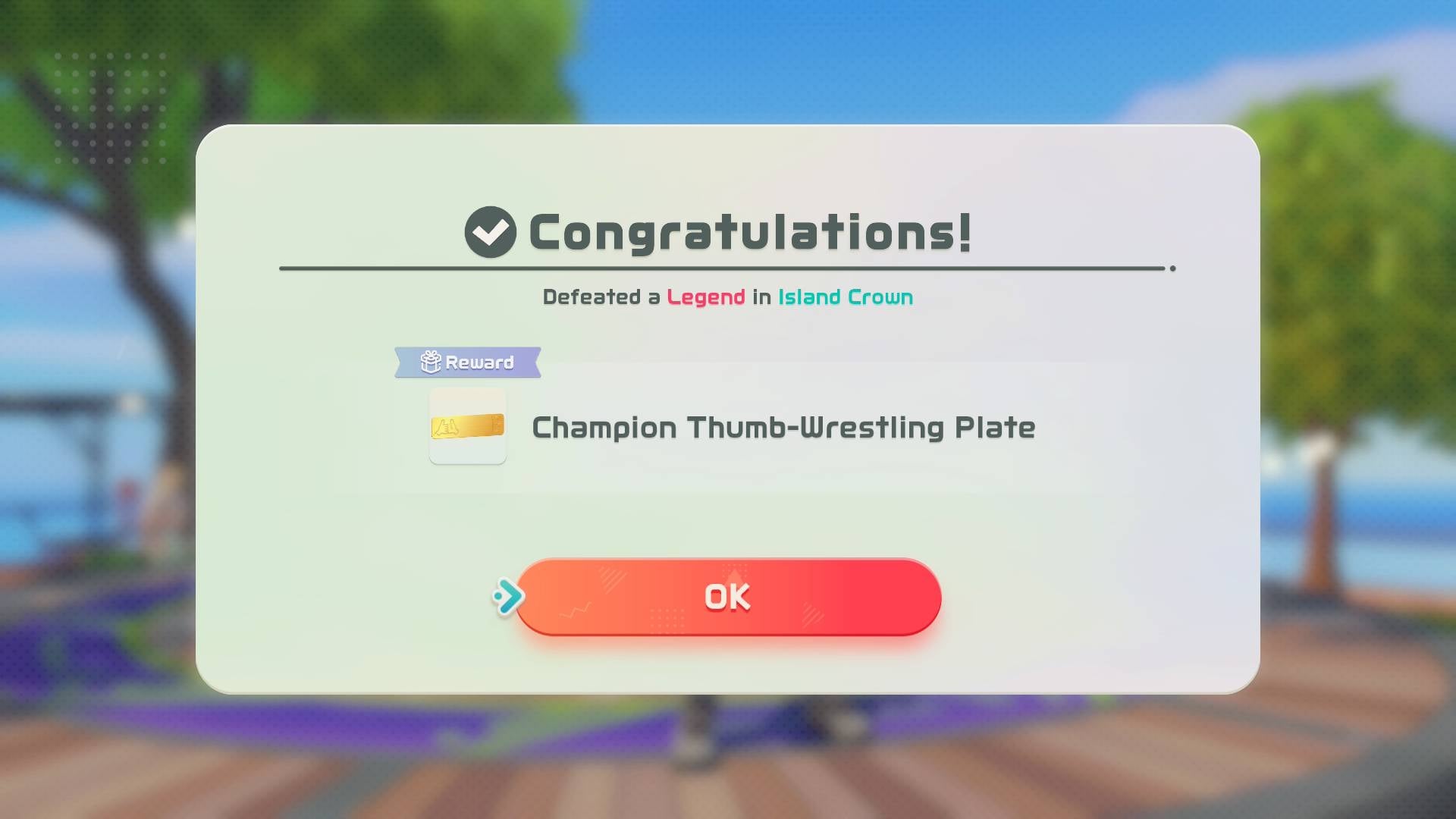
If you hit the Island Crown and keep getting stuck on the Thumb Wrestling Legend, you’re not alone. This write-up breaks down why the Legend feels so tough, what makes Ryan’s oversized thumb dangerous, and the exact timing tricks to turn the match in your favor. You’ll learn how short charges and feints force the CPU to overcommit, why avoiding the center is essential, and how to use timeout rules to your advantage when a KO is out of reach. There are controller tips, practice drills, and restart etiquette so you can climb the ladder faster and spend less time frustrated. Whether you want reliable pins, smarter stalls, or a safer playstyle, NintendoReporters has practical steps you can use right away to beat the Legend and claim that crown.
Why the Thumb Wrestling Legend feels so unfair in Nintendo Switch Sports Resort
The Legend match is built to test timing more than raw speed, and that’s what makes it feel unfair at first. The CPU’s thumb has a permanent size advantage, so brute-forcing a full charge won’t reliably win the fight. Instead you’re up against an opponent who can pin quickly and make escapes almost impossible if they lock you in the center. That forces you to think in beats and micro-movements: when to press, when to release, and when to bait. You’ll win more often by tricking the Legend into committing than by trying to match strength. That shift from muscle to mind is a common hurdle for players who treat Thumb Wrestling like a simple press game instead of a chess-like exchange of feints and counters.
Ryan’s oversized thumb – what it does and how to exploit it
Ryan’s larger thumb makes center pins brutal because the hitbox covers more of the play area and leaves less room to wiggle out. But a larger target also has downsides: it’s easier to catch when he overreaches and it telegraphs longer charges. Watch for those tells – a full-size press can give you the exact moment to counter. Exploit that by using short, measured pushes to bait a reaction, then slide into a longer hold when his thumb is exposed. Pay attention to left-right patterns too, since many CPU opponents switch sides predictably. Treat Ryan’s size as a clue rather than a curse and you’ll find more openings than you expect.
Opening strategy – short charges and smart feints
The safest way to begin is with short opening charges that reveal the Legend’s rhythm without committing you to a full hold. Press briefly, pause, then press again with varied timing so the CPU can’t adapt to a single rhythm. Feints are your secret weapon: start a press then release and wait for Ryan to commit. The moment he goes for a counter, attack that gap. This approach turns a slugfest into a timing contest on your terms. Over time you’ll learn whether a short jab or a medium hold provokes the Legend; adapt mid-match and don’t be afraid to mix up your tempo. Variety keeps the CPU guessing and creates real pin opportunities you can hold for the three-second win condition.
Counter timing and escaping pins – what actually works
When you’re pinned, reaction speed matters: shake and twist immediately to escape, but don’t waste your movement right away if a second escape window appears. Practice reading the first fraction of a pin to know whether a full shake will work or if you should time a precise rotation. When you pin the CPU, hold steady for the three seconds without over-adjusting; micro-corrections can break the hold. If you miss a KO after two or three pins, slow the pace and play for timeout instead. The game rewards activity at the end of a match, so if you’ve been the more aggressive player overall you can win on points rather than strength. Use escape drills in short practice runs to build that twitch speed.
Avoiding the center – positioning tips and thumb placement
Center pins are the match-ender because the Legend’s thumb will cover more of your escape path. The easiest habit to form is keeping your thumb slightly off-center when waiting for him to move. Hold a neutral position near the left or right edge and only approach center when you see a clear opening. This strategy increases the CPU’s chance of overreaching or misplacing its charge, and it gives you a cleaner escape route if you get caught. Think of the table like a clock face: avoid the exact 12 o’clock spot and work the diagonals. Small positional tweaks like these separate good runs from frustrating retries.
Holding charge vs stalling – when to commit and when to play the clock
There are moments when a long charge is worth the risk, but they’re specific and rare. Use longer holds after a successful feint or when you’ve observed the Legend’s pattern fail to reverse your move. If the CPU has shown a tendency to counter quickly, prefer short charges and counters instead. Stalling is a perfectly valid tactic: if you can pin two or three times but struggle to secure the final KO, slow down and keep up activity until time runs out. The more active player usually wins a timeout, so mixing controlled aggression with deliberate stalls can net a victory even if you can’t land that last three-second hold. That kind of hybrid play feels more like pacing a boss fight than sprinting to the finish.
Winning by timeout – safe stalls and activity tracking
Winning by timeout is underrated, and it’s something many players overlook because they focus only on KO strategies. If you can rack up multiple valid pins and then switch to conservative defense while staying the more active player, the match will often award you the victory when the clock hits zero. Keep slight movement, occasional short charges to score activity, and avoid reckless full holds that invite reversals. If you get pinned at the very start, don’t be shy about restarting – you still gain Spocco Points for a quick loss, but saving time for a clean match is usually worth it. Remember that being active doesn’t mean reckless; it means measured actions that the game recognizes as engagement.
Practice drills, controller setup, and restart etiquette
Practice like an athlete: short, focused drills often beat marathon sessions. Spend five-minute runs solely on reaction time – start the match and immediately work on escaping pins and timing counters. That builds the muscle memory you need for lightning-fast shakes and precise holds. Check your controller settings and make sure Joy-Con or Joy-Con 2 inputs are calibrated; inconsistent input recognition ruins timing-based games. If you get pinned instantly at match start and the result feels unavoidable, restart to avoid wasting time – you still earn Spocco Points for a loss, but a fresh match with a clean opening usually improves your odds. Track small improvements like speed of escape and successful feint rates to see real progress each session.
Conclusion
The Thumb Wrestling Legend tests your patience, rhythm, and ability to read the CPU more than it tests raw speed or strength. Shift your focus to short charges and feints, avoid center positioning, and learn when to stall for a timeout instead of hunting an impossible KO. Use the practice drills to sharpen your reactions and keep your controller properly set up so the game registers your intentional moves. If you follow these approaches you’ll convert frustrating runs into steady wins, climb the Island Crown ladder faster, and actually enjoy the match-ups that used to feel impossible. NintendoReporters is here for Nintendo-focused tips like this, and we’d love to hear how your runs improve in the comments.
FAQs
- How do I escape a pin quickly?
- Shake or rotate immediately and practice short escape drills to improve your reaction window and timing.
- Can I beat the Legend without growing my thumb?
- Yes – short charges and timing counters are more reliable than trying to match the Legend’s permanent size advantage.
- Is restarting worth it after an instant pin?
- Often yes – a quick restart saves time and you still earn Spocco Points for the loss, so reset when the opening is clearly unfair.
- How does winning by timeout work?
- If the timer ends with no KO, the more active player wins, so mix safe stalls with occasional short charges to secure activity.
- Where can I practice recommended drills?
- Use short Island Crown runs or local matches to focus five minutes on reaction drills; also check the Thumb Wrestling Advice menu in-game for prompts.
Sources
- How to beat the Island Crown Thumb Wrestling Legend in Nintendo Switch Sports Resort, NintendoEverything, October 27, 2026
- Get warmed up for the new and returning sports in Nintendo Switch Sports Resort!, Nintendo, October 16, 2026
- How to Beat the Island Crown Thumb Wrestling Legend in Nintendo Switch Sports Resort, iTechGuides, October 27, 2026