














Summary:
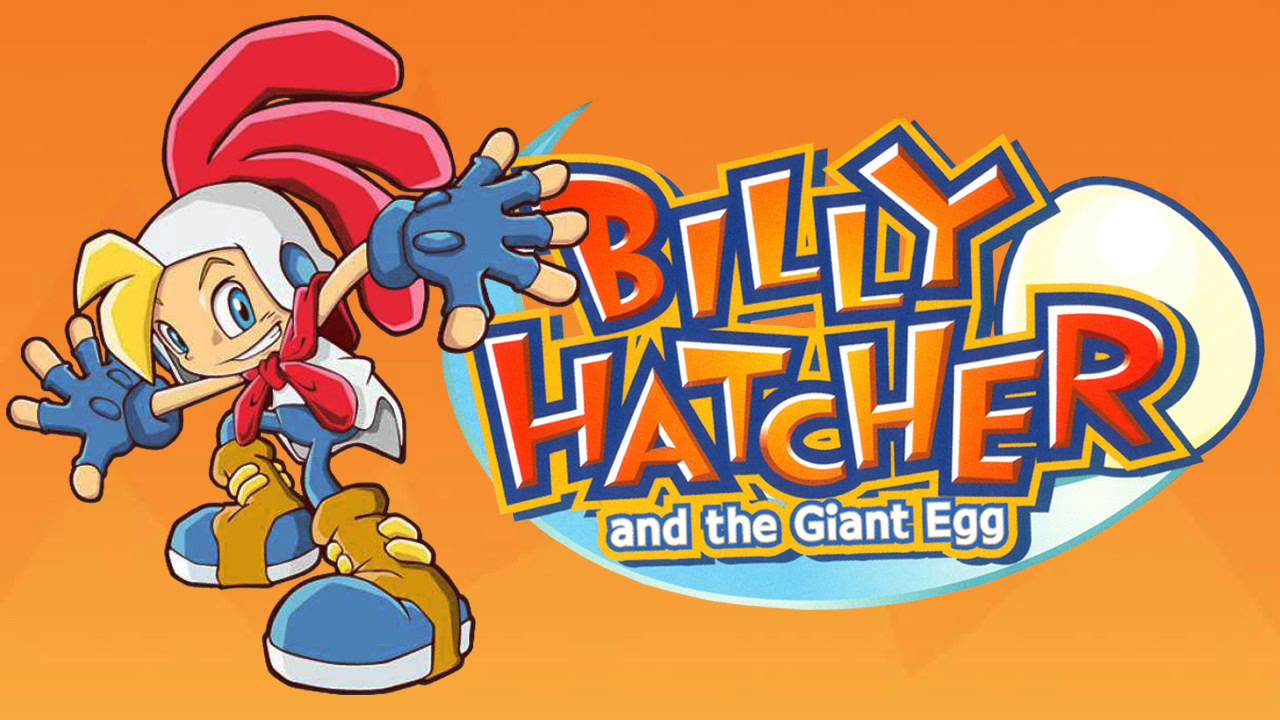
Former SEGA executive Mike Fischer has shared a lively set of memories that puts Billy Hatcher and the Giant Egg back under the spotlight. In a recent SEGA-16 interview, Fischer recalled how the GameCube platformer’s name changed from a more awkward egg-focused title into the one fans know today. The story is funny on the surface, but it also opens a little window into how SEGA of America handled localization, marketing, tone, and character identity during a fascinating period for the company. Billy Hatcher was never just another Sonic Team release. It was colorful, strange, cheerful, and built around the kind of central mechanic that sounds almost impossible to pitch with a straight face: a boy in a rooster suit rolling magical eggs through bright fantasy worlds. Fischer’s remarks also touch on Blinx: The Time Sweeper, Naoto Ohshima, Yuji Naka, and the broader question of who gets remembered for creating famous games. That makes the interview more than a funny anecdote. It becomes a reminder that video game history is shaped by teams, translators, artists, producers, marketers, and people whose names are often tucked away in credits. We are looking at a story about a title, yes, but also about how playful ideas survive the messy trip from development rooms to store shelves.
Mike Fischer’s SEGA memories give Billy Hatcher a new spotlight
Billy Hatcher and the Giant Egg has always had the energy of a game that wandered into the room wearing a feathered costume and somehow made everyone smile. Released for the Nintendo GameCube in 2003, the Sonic Team platformer stood apart from SEGA’s bigger mascots by leaning into magical eggs, bright worlds, and a childlike sense of weird adventure. Former SEGA executive Mike Fischer has now helped bring that oddball charm back into conversation through a recent SEGA-16 interview, where he recalled the naming process behind the game and the cultural problems that came with its original title idea. The story is funny, a little chaotic, and very SEGA in the best possible way. It captures a company that often moved fast, trusted unusual ideas, and sometimes had to wrestle those ideas into something that made sense outside Japan.
How Giant Egg became Billy Hatcher and the Giant Egg
According to Fischer, the game was once being discussed under a much more direct title built around Giant Egg. That sounds simple enough until you consider how the phrase could land with American players. In the United States, “laying an egg” can mean failing badly, which is exactly the sort of accidental message no marketing team wants attached to a new release. Imagine trying to sell a cheerful GameCube adventure while the title quietly whispers “commercial disaster” in the background. Not ideal. Fischer said one person on his team suggested shifting attention toward Billy Hatcher, because the game had a cute lead character and a hatching theme that could be explained more naturally. That change gave the title a stronger hook, a clearer mascot, and a better sense of personality.
Why the original title created a problem for the US team
The naming issue shows how one phrase can feel harmless in one market and strangely risky in another. Giant Egg may describe the mechanic, but it does not do much to sell the fantasy of becoming Billy, running through colorful worlds, and using eggs as tools, weapons, and surprises waiting to hatch. Fischer’s concern was not simply about grammar or taste. It was about emotional framing. A title is the front door, and Giant Egg was a front door with a banana peel on the welcome mat. The US team needed something that sounded playful without accidentally inviting jokes about failure. By bringing Billy into the title, SEGA gave players a character to remember rather than asking them to care about an object first.
Why Billy became the focus instead of the egg
Billy Hatcher works as a name because it sounds like a storybook hero and a pun at the same time. It is simple, bouncy, and easy to picture, which matters when the central visual is already unusual. The egg still matters, of course, because it is the core of the game’s identity. Yet Fischer’s recollection makes clear that the boy was easier to position as the heart of the adventure. Players do not just control a rolling egg. They play as Billy, a kid pulled into a bright fantasy world where chickens, crows, magic, and momentum all collide. That gives the name a little more warmth. It turns the idea from a mechanic into a character-driven adventure, and that is often the difference between a strange pitch and a memorable mascot.
How one joke-like suggestion showed the danger of direct translation
Fischer also recalled a far more awkward naming suggestion that reportedly came from Yuji Naka during a US visit. The anecdote is the kind of thing that sounds invented because it is so absurd, but Fischer insisted that witnesses were present. The point is not just that the alternative title would have been impossible to use. The better takeaway is how risky literal language can become when tone, slang, and cultural context are not carefully handled. A rooster-themed costume may seem like harmless visual comedy, but English slang can turn that into something no family-friendly GameCube release could survive. It is a perfect example of why localization is not decoration. It is quality control, audience awareness, and brand protection all rolled into one.
Why Billy Hatcher still feels unusual among Sonic Team projects
Billy Hatcher and the Giant Egg arrived at a curious moment for Sonic Team. The studio was best known for Sonic, speed, style, and character designs that could be read from across a room. Billy Hatcher had some of that same arcade-like energy, but it was much stranger in shape. Instead of building everything around running fast, it asked players to push, grow, hatch, and protect eggs across stages filled with rails, enemies, slopes, and secrets. That made it instantly recognizable, even when it was not always easy to explain. Some games age because they were polished to a mirror shine. Others stick around because nobody else has made anything quite like them. Billy Hatcher belongs in that second group, and that is why these old naming stories still have feathers.
The GameCube adventure mixed bright charm with oddball mechanics
The GameCube library had plenty of personality, but Billy Hatcher still managed to look different on the shelf. Its world was bright and carnival-like, its hero dressed like a rooster, and its main mechanic asked players to treat eggs like rolling companions that could grow and hatch into helpful creatures. That gave the game a toy-like quality. You could almost imagine the idea spilling out of a Saturday morning cartoon, then landing in a platformer with Sonic Team’s taste for movement and spectacle. The result was not as universally remembered as Sonic Adventure or Phantasy Star Online, but it built a fanbase because it felt fearless. It did not chase realism, grit, or coolness. It chased a giant egg downhill and somehow made that feel like a valid design philosophy.
Blinx, Naoto Ohshima, and the bigger debate around Sonic credit
Fischer’s SEGA-16 interview also moved beyond Billy Hatcher and into more pointed comments about credit, personality, and the history of Sonic. He discussed Blinx: The Time Sweeper, the Xbox platformer developed by Artoon, and connected it to Naoto Ohshima, one of the key creative figures behind Sonic the Hedgehog. Blinx has its own strange place in early Xbox history, thanks to its time-control mechanics and its attempt to establish a new mascot-like character for Microsoft’s console. Yet Fischer’s comments were less about Blinx as a product and more about the tensions around who gets credit for famous ideas. That topic can get thorny fast. Game history is rarely shaped by one person holding a lightning bolt. More often, it is a storm made by a whole team.
Why Fischer’s Blinx comments connect to old Sonic Team history
Naoto Ohshima’s connection matters because Sonic’s history is often simplified in public memory. Fans may know Yuji Naka, and they may know Sonic as a mascot, but the actual creation of Sonic involved several important figures. Ohshima is widely associated with Sonic’s character creation, while Hirokazu Yasuhara’s design work and Naka’s programming and leadership also formed key parts of the original game’s identity. Fischer’s comments suggest that old disputes over recognition did not simply fade away once the credits rolled. They followed people into later projects, public appearances, and industry events. That is why Blinx becomes part of the conversation. It represents not only another mascot-driven platformer, but also a reminder that creative credit can become surprisingly personal when a character becomes globally famous.
How Rieko Kodama’s Sonic work broadens the story
The interview also brought up Rieko Kodama, whose name is often linked most strongly with Phantasy Star and Skies of Arcadia. That association is deserved, but it can also hide the range of her work across SEGA’s history. Kodama contributed background art to the original Sonic the Hedgehog, which is a lovely reminder that Sonic’s identity was built by more hands than many casual fans realize. Background art may not always receive the loudest applause, but it shapes the mood of a world. Green hills, bold colors, clean silhouettes, and inviting scenery all help define how a game feels before a player even thinks about mechanics. Kodama’s broader legacy already stands tall, but her Sonic involvement makes that legacy even richer.
Why these details matter for SEGA’s creative legacy
Stories like Fischer’s are valuable because they add texture to game history. They remind us that names change, jokes get rejected, titles are tested against slang, and famous mascots are rarely born from one person’s imagination alone. SEGA’s past is packed with big personalities, bold experiments, and decisions that could have gone wildly wrong with only a small push in another direction. Billy Hatcher and the Giant Egg could have carried a weaker name. Blinx could have been remembered only as an early Xbox curiosity. Rieko Kodama’s Sonic work could remain a footnote to people who only know her RPG legacy. Put together, these details make the story feel more human. Games are made by people, and people bring brilliance, friction, mistakes, humor, pride, and the occasional truly terrible title suggestion.
Conclusion
Mike Fischer’s memories give Billy Hatcher and the Giant Egg a fresh burst of attention, but the real value is bigger than one strange title story. The interview shows how SEGA’s creative culture mixed bold ideas with messy human decisions, and how localization teams often protected games from problems players never got to see. It also widens the lens around Sonic Team history by bringing Blinx, Naoto Ohshima, Yuji Naka, and Rieko Kodama into the same conversation. Billy Hatcher remains a cheerful oddity, the kind of GameCube release that still makes fans grin because it refuses to be boring. Behind that grin sits a reminder: the names, worlds, and characters we remember usually survive because many people helped steer them away from disaster and toward something players could love.
FAQs
- What was Billy Hatcher and the Giant Egg originally going to be called?
- Mike Fischer said the game was originally being discussed with the title Giant Egg or Giant Eggs, but the US team saw a problem because “laying an egg” can mean failing in American English.
- Why did SEGA add Billy Hatcher to the title?
- According to Fischer, someone on his team suggested focusing on Billy because he was the cute lead character and the hatching theme made the name feel more natural and marketable.
- Who developed Billy Hatcher and the Giant Egg?
- Billy Hatcher and the Giant Egg was developed by Sonic Team and published by SEGA for the Nintendo GameCube in 2003.
- How does Blinx connect to this SEGA discussion?
- Fischer mentioned Blinx while discussing Naoto Ohshima and the broader debate around creative credit tied to Sonic’s history. Blinx was developed by Artoon and became one of the original Xbox’s notable mascot-style platformers.
- What did Rieko Kodama do on Sonic the Hedgehog?
- Rieko Kodama contributed background art to the original Sonic the Hedgehog, adding another important credit to a career best known for Phantasy Star, Skies of Arcadia, and other SEGA classics.
Sources
- Interview: Mike Fischer (VP/SOA Product Manager), SEGA-16, May 28, 2026
- Sega Announces Billy Hatcher and the Giant Egg, Nintendo World Report, April 14, 2003
- Billy Hatcher and the Giant Egg, Nintendo, October 31, 2003
- BLiNX: The Time Sweeper, Xbox, April 16, 2018
- Sega Stars: Rieko Kodama, SEGA-16, August 6, 2004