














Summary:
EA has announced a major restructuring that includes the closure of BioWare, the storied RPG studio behind Mass Effect and Dragon Age, and a company-wide reduction of around 400 positions. The move, reported by Bloomberg and widely confirmed by outlets including the Los Angeles Times, VGC and Gematsu, also stops early development on the next Mass Effect title. This decision follows a period of corporate change for EA after its buyout and drive to reduce costs and concentrate on franchises that deliver steady returns. For fans, developers, and employees the news is a shock: BioWare’s creative history spans nearly three decades, and its closure raises questions about how major publishers balance heritage studios with modern business models. This write-up explains what happened, why EA made the choice, the immediate effects on projects and staff, and what to watch next as the industry responds.
Bloomberg on recent EA changes
Electronic Arts revealed it will close BioWare and cut roughly 400 jobs as part of a portfolio reshuffle and cost-saving plan. The news, first reported by Bloomberg’s Jason Schreier and echoed by multiple outlets, says the cuts represent about three percent of EA’s workforce and include around 50 roles at BioWare. Early-stage development on the next Mass Effect project was canceled, and other smaller projects were also affected. EA’s leadership framed the moves as aligning resources to franchises and business areas they expect will drive long-term growth, prioritizing sports titles, Apex Legends, and other high-return properties. For employees and players alike this is a practical and emotional moment: long-running development teams must suddenly reorganize or leave, while fans see a beloved studio’s future interrupted. The announcement also ties into EA’s broader post-buyout financial commitments and plans to reduce research and development costs.
Timeline: how events unfolded and where this sits in recent EA history
The closure follows months of cost scrutiny and restructuring at EA, including public commitments to save hundreds of millions by trimming research and development spending. Earlier in the year EA completed a leveraged buyout led by Saudi Arabia’s Public Investment Fund, a change that added significant debt obligations and sharpened pressure to pare back lower-priority spending. Reports show the decision was communicated internally in a letter to staff from senior leaders explaining that the company would narrow its slate and centralize resources. In recent years BioWare had already shrunk from its peak headcount after mixed commercial results on some of its releases; the studio’s most recent title missed internal expectations, and earlier missteps like Anthem and Mass Effect: Andromeda left long shadows. The timeline now moves from a Bloomberg report to formal staff notifications and public statements from BioWare acknowledging the closure and thanking players for decades of support.
Why EA made the move: business logic behind the cuts and cancellations
At the core of EA’s decision are business realities: the company faces new debt service demands and investor-level pressure to cut costs and prioritize proven, revenue-generating franchises. Closing a studio and removing projects in early development are blunt tools for reducing near-term spend, especially when a studio’s recent releases have not matched commercial targets. EA’s statements highlight a strategy to deepen investment in core franchises and expand reach in markets where the return profile looks stronger. That means concentrating teams on sports titles, large live-service platforms, and the most scalable action-adventure IPs. From a corporate perspective this can be framed as necessary portfolio management. From a creative perspective, it’s a painful trade-off: early experimental work or narrative-driven RPG efforts risk being sacrificed when balance-sheet demands tighten, and development teams with long institutional knowledge can be dispersed or dissolved as a result.
Impact on Mass Effect and canceled projects: what fans should expect
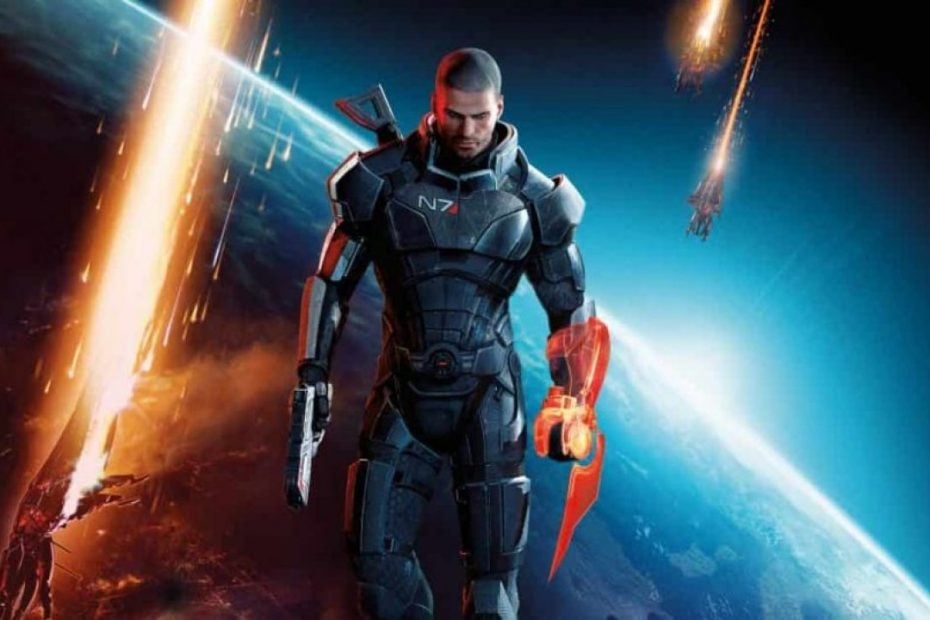
The immediate casualty is the next Mass Effect project, which was reportedly in early development at BioWare. Canceling an early-stage title means work, prototypes, and months or years of creative progress are paused and likely shelved; assets and designs may be archived or reassigned, but the distinct voice of a BioWare-led Mass Effect will be absent for now. That leaves fans uncertain about the franchise’s future direction under EA’s new prioritization. Some IPs survive through other studios or long-term revival plans, but a handoff rarely preserves the original studio’s storytelling approach intact. Players should moderate expectations for any near-term new Mass Effect releases, and watch for official updates from EA about where the franchise might go next. For the many developers who poured their careers into these projects, this is a personal and professional disruption, with rehiring, transfers, or severance following company protocols where applicable.
BioWare’s legacy and what the closure means for the community
BioWare’s influence on role-playing games is enormous: from Baldur’s Gate to Knights of the Old Republic, Dragon Age, and the Mass Effect trilogy, the studio shaped narrative-driven, choice-based storytelling in modern gaming. The closure signals more than a business decision; it marks the end of an era for a studio that became synonymous with character-led stories and moral complexity. For longtime fans this is a cultural moment, sparking reflection about the moments BioWare created that defined gaming for a generation. Community-driven projects, fan tributes, and archival interest will likely rise as players and creators preserve memories and modded continuations. The studio’s alumni and creative leads may carry BioWare’s spirit into new teams, indie studios, or other major publishers. In short, the legacy endures even if the institutional structure does not.
Industry implications: what this tells us about the modern AAA game market
This move underscores a trend where large publishers increasingly favor scalable live-service and sports franchises over single-studio narrative projects that struggle to guarantee predictable returns. Consolidations, studio closures, and project cancellations have become regular features of the AAA landscape when companies face debt or shifting investor expectations. The broader implication is that creative risk-taking becomes more expensive: publishers may limit greenlights on ambitious single-player RPGs or heavily narrative-driven titles unless they see a clear, long-term monetization plan. That can narrow the variety of experiences reaching players, while shifting talent toward teams that work on persistent online ecosystems. For developers and fans who care about creative experimentation, the challenge will be finding new spaces where such work can be funded and nurtured.
Reactions: how fans, developers and media responded to the news
Responses poured in from across social networks, developer circles, and outlets, mixing sadness, frustration, and practical concern for affected staff. Fans expressed grief for a studio that produced formative experiences, while colleagues in the industry highlighted the human cost of layoffs and the difficulty of maintaining creative continuity after repeated corporate shifts. Media coverage has emphasized both the strategic logic EA presented and the cultural loss felt by many players. At the studio level, BioWare’s public message focused on support for their team and gratitude for players. Meanwhile analysts and commentators pointed to the completion of EA’s leveraged buyout as a tipping point that intensified cost-cutting priorities. The conversation now balances respect for BioWare’s contribution with scrutiny of how large corporate moves reshape the creative foundations of game development.
What to watch next: how this could evolve and what to expect from EA and the broader market
In the coming weeks expect more details from EA about which teams are being reduced, exact severance and transfer plans, and any statements regarding IP stewardship. Watch for official notices on Mass Effect’s status from EA and for rumors about whether another studio might eventually handle the franchise. Industry analysts will monitor how this restructuring affects EA’s financial targets and whether the company follows through on investments in its prioritized franchises. For the development community, job postings, studio announcements, and eventual alumni moves will show where the displaced talent lands. Fans should look for statements from key BioWare alumni and for fan initiatives preserving the studio’s history. Ultimately, this event is likely to influence publisher strategies for years, shaping how narrative-led projects are funded and managed across the industry.
Conclusion
The closure of BioWare and EA’s broader job cuts mark a significant shift for a studio known for shaping RPG storytelling and for an industry navigating financial pressures and strategic realignments. While the decision reflects EA’s current priorities and fiscal realities, the creative hole left behind will be felt by fans and creators for a long time. The next steps will reveal how franchises are stewarded, where displaced talent lands, and whether the gaming ecosystem can preserve the kinds of narrative-driven experiences BioWare specialized in. For now, the community is processing the news and looking for ways to honor the work and people behind some of gaming’s most memorable moments.
FAQs
- Is BioWare really closed and how many jobs were cut?
- Reports indicate EA will cut approximately 400 jobs across the company, with around 50 roles specifically at BioWare. BioWare announced its closure and thanked fans, while EA framed the move as part of a broader cost and portfolio realignment.
- Was the next Mass Effect game cancelled?
- Yes. Early development on the next Mass Effect project reportedly ended as part of the restructuring, leaving the franchise without a new installment from BioWare for the foreseeable future.
- Why did EA decide to close BioWare now?
- EA has cited a need to concentrate resources on franchises and business models that drive predictable growth. Financial obligations following a leveraged buyout and a plan to reduce R&D spending pushed the company to narrow its slate and reduce headcount.
- What happens to BioWare’s ongoing projects and employees?
- Ongoing early-stage projects were canceled or paused, and employees will either be offered transfers within EA where possible, receive severance, or seek roles outside the company. Expect additional announcements from EA about specific transition plans.
- How will this affect the future of Mass Effect and Dragon Age?
- For now, Mass Effect’s next installment is canceled at BioWare, and Dragon Age will likely remain without major new releases from the studio. EA may later decide to farm these franchises to other teams or revisit them when market conditions and strategy align.
Sources
- Electronic Arts to cut 400 jobs and shut down BioWare, studio behind ‘Mass Effect’, Los Angeles Times, October 21, 2026
- EA is closing BioWare and cancelling the next Mass Effect, Video Games Chronicle, October 21, 2026
- Electronic Arts to lay off 400 staff, shut down BioWare, Gematsu, October 21, 2026
- Video game developer BioWare shuts down, next ‘Mass Effect’ canceled amid broader layoffs at EA, Associated Press, October 22, 2026