





Summary:
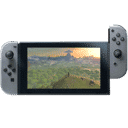
Doug Bowser, former president of Nintendo of America, recently pushed back on media discussions that treat the console wars as a two-horse race between PlayStation and Xbox. Speaking at GamesBeat Next, Bowser called out coverage that ignored the original Nintendo Switch despite its massive commercial success. He explained how Nintendo deliberately chose a different path – prioritizing unique play experiences, close hardware-software collaboration, and cost-conscious development – and why that approach meant Nintendo didn’t always want to be pulled into the same narrative as other platform holders. Bowser also shared candid memories of pre-launch uncertainty and the emotional launch-day scenes that proved the Switch’s approach worked. For Nintendo fans this is a reminder that market headlines don’t always reflect how Nintendo operates behind the scenes, and that the Switch’s impact came from gameplay-first choices rather than raw technical specs.
What Doug Bowser actually said at GamesBeat Next
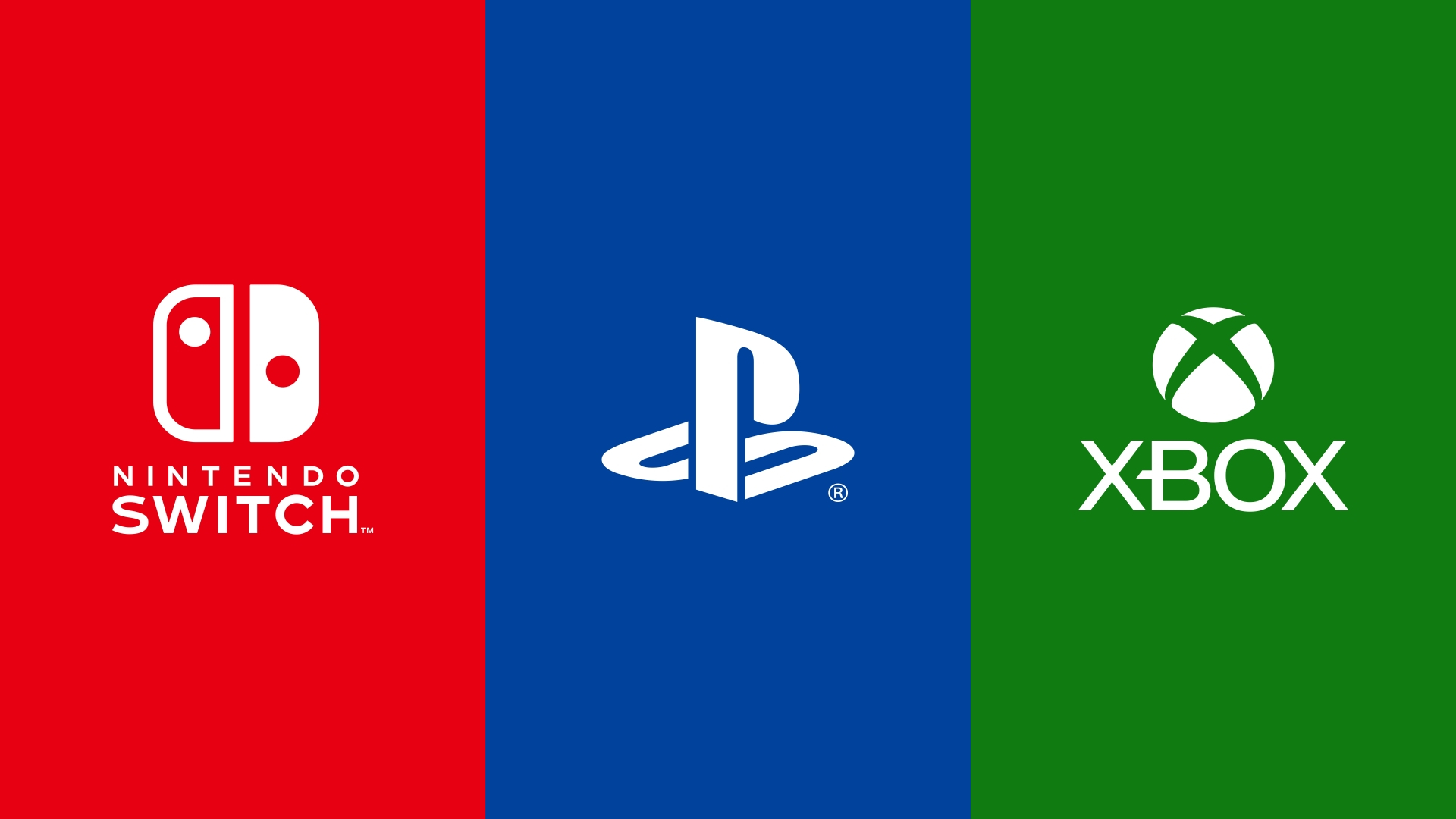
At a recent GamesBeat Next panel, Doug Bowser laid out a straightforward gripe: mainstream console-war conversations often mention Sony and Microsoft but leave Nintendo off the list. He pointed at the Switch’s enormous install base and asked why it gets overlooked. Bowser’s comments weren’t just about pride. They stressed the difference between chasing a spec race and building something that connects with players day after day. While industry chatter tends to measure success in teraflops and exclusive bids, Bowser reminded listeners that Nintendo’s measures have often been different. He framed Nintendo’s choices as strategic and intentional, not accidental, and used personal anecdotes from the Switch launch to underline that Nintendo’s wins came from feeling and play rather than raw numbers. His tone mixed competitiveness with relief – competitive enough to want recognition, but relieved that Nintendo had the freedom to focus on its own priorities.
Why the Switch’s absence in console-war coverage stung
It’s easy to see why Bowser reacted strongly. When you work on a platform that sells extraordinarily well, being left out of public debate can feel diminishing. But his frustration was about more than ego. It was about narrative influence – the powerful way media framing shapes how consumers and industry insiders think about platforms. If stories only highlight two companies, readers assume the market is binary, which can warp perceptions of where innovation actually happens. Bowser’s point is that the Switch’s path – blending handheld and home experiences, optimizing games to hardware, and focusing on play-first design – didn’t fit neatly into the usual console-war frame. That meant journalists and analysts who rely on established storylines might miss a larger, subtler truth: Nintendo wasn’t losing the battle, it was rewriting the rules in a way that mattered for players and developers alike.
How Nintendo’s strategy differs from Sony and Microsoft
Nintendo’s approach has long been less about hardware horsepower and more about player experience, and Bowser’s comments highlight that contrast. Where other platform holders may prioritize exclusive licensing deals or pushing hardware spec ceilings, Nintendo often concentrates first-party teams and hardware engineers on crafting cohesive, optimized experiences. That integration lets Nintendo extract surprising value from modest specs and keep development costs relatively lower. Bowser also emphasized the economic logic: by aligning software and hardware, Nintendo reduces wasted effort and ensures teams can deliver polished, affordable games. For fans this trade-off means Nintendo games often feel uniquely tuned to the system they run on. For industry watchers it’s a reminder that success can be achieved through clever design choices and risk-taking, rather than a simple race to top-of-the-line components.
Bowser’s pre-launch Switch jitters and the launch reaction
Beneath the strategic talk Bowser got personal about the Switch’s early days. He admitted to nervousness about how consumers would react because the device didn’t chase the technical benchmarks many were obsessing over. Yet Bowser remembered seeing the Switch firsthand during an early reveal and feeling the excitement that comes from a strong play test. That excitement turned into real momentum at launch, he said, when long lines formed at the New York store and emotional reactions from fans validated the team’s gamble. Those launch-day scenes weren’t just PR moments. They told Nintendo that players responded to the experience itself – the way games felt and how the device fit into daily life. Bowser’s memory of that moment underlines an important lesson for Nintendo supporters: sometimes player response matters far more than the numbers under the hood.
What this means for Nintendo’s public narrative going forward
Bowser’s comments do more than air a grievance – they offer a reminder about how stories shape perception. If coverage keeps simplifying the hardware landscape into a two-way fight, Nintendo’s role risks being misunderstood. That can affect everything from how developers prioritize platforms to how new players discover which system suits them. For NintendoReporters readers, the takeaway is straightforward. Follow the games, not the headlines. The platform that offers the most meaningful experiences for you might not be the one dominating the daily news cycle. As Nintendo continues to evolve its hardware and studio strategy, expect the company to keep favoring design choices that resonate with players, while letting others fight over a different set of metrics.
Why fans should care – a Nintendo gamer’s perspective
For Nintendo gamers, Bowser’s remarks are vindication more than complaint. If you’ve ever chosen a Nintendo system because of Mario, Zelda, or a favorite third-party fit, you know why Nintendo’s approach matters. The Switch generation combined handheld freedom with living-room comfort, and that blend changed how many of us play. If you want a quick reminder of the platform and its library, the Nintendo Switch hub on NintendoReporters does a solid job of tracking news, releases, and guides. That kind of coverage matters precisely because mainstream narratives can miss what’s meaningful to actual players. Bowser’s point is ultimately about respect for a different design philosophy – one that values creativity and accessibility and often rewards long-term player loyalty.
How media coverage can miss big stories – and what to watch for next
Media narratives like the console war are convenient shorthand, but shorthand can hide nuance. Bowser’s observation is a prompt to read beyond the headlines. Look for signals such as sustained user engagement, strong software sales across diverse genres, and developer enthusiasm – those often indicate a healthier platform than a one-off launch headline. Watch how Nintendo positions future hardware updates and whether they keep investing in first-party design alignment. Pay attention to developer interviews, indie success on the platform, and how Nintendo supports unique gameplay experiences with tools and partnerships. These markers sometimes tell a truer story than market-share bullets in a press release. For the Nintendo community, staying curious and seeking multiple vantage points will reveal more than a simple side-by-side battle ever could.
Conclusion
Doug Bowser’s comments are a useful nudge for both fans and media. They remind us that success in gaming can be built on many foundations, not just raw technical stats or headline-grabbing exclusives. Nintendo’s journey with the Switch shows how a different set of choices – prioritizing feel, accessibility, and close integration between hardware and software – can create a platform that matters to millions. For Nintendo fans who follow NintendoReporters, the message is clear: focus on the experiences and franchises you love and trust the company to keep doing what it does best. The narrative may not always highlight Nintendo first, but the player response is often the real measure of success.
FAQs
- Was Bowser referring to a specific article when he complained?
- He was speaking generally about media coverage trends, pointing out that many roundups focus on Sony and Microsoft and sometimes omit Nintendo, despite the Switch’s strong sales and cultural impact.
- Does this mean Nintendo avoids competition on purpose?
- Nintendo chooses strategic priorities that differ from some competitors. That often looks like avoiding a spec arms race and instead doubling down on unique gameplay and optimization between hardware and software.
- How many Switch units did Bowser reference?
- In his panel remarks he referenced the Switch’s cumulative sales as a way to underline the platform’s scale and why it deserves recognition in wider industry conversations.
- Is this criticism of the media or a defense of Nintendo?
- It’s a bit of both. Bowser called out a narrow framing in coverage while also defending Nintendo’s deliberate, player-first strategy that produced the Switch’s results.
- Where can I keep following Nintendo news and updates?
- Stick with dedicated Nintendo hubs like NintendoReporters for focused Nintendo coverage, release tracking, and community perspectives that prioritize Nintendo-related happenings over general gaming noise.
Sources
- Ex PlayStation, Xbox/Sega, and Nintendo leaders say gaming’s biggest problem is losing its appetite for risk, GamesBeat, November 6, 2026
- Former Nintendo of America president Doug Bowser talks about being annoyed when Switch 1 wasn’t included in console wars conversations, NintendoEverything, November 6, 2026
- Doug Bowser on Switch’s exclusion from console wars and his early “hell no”, Inkfall Game, November 6, 2026