














Summary:
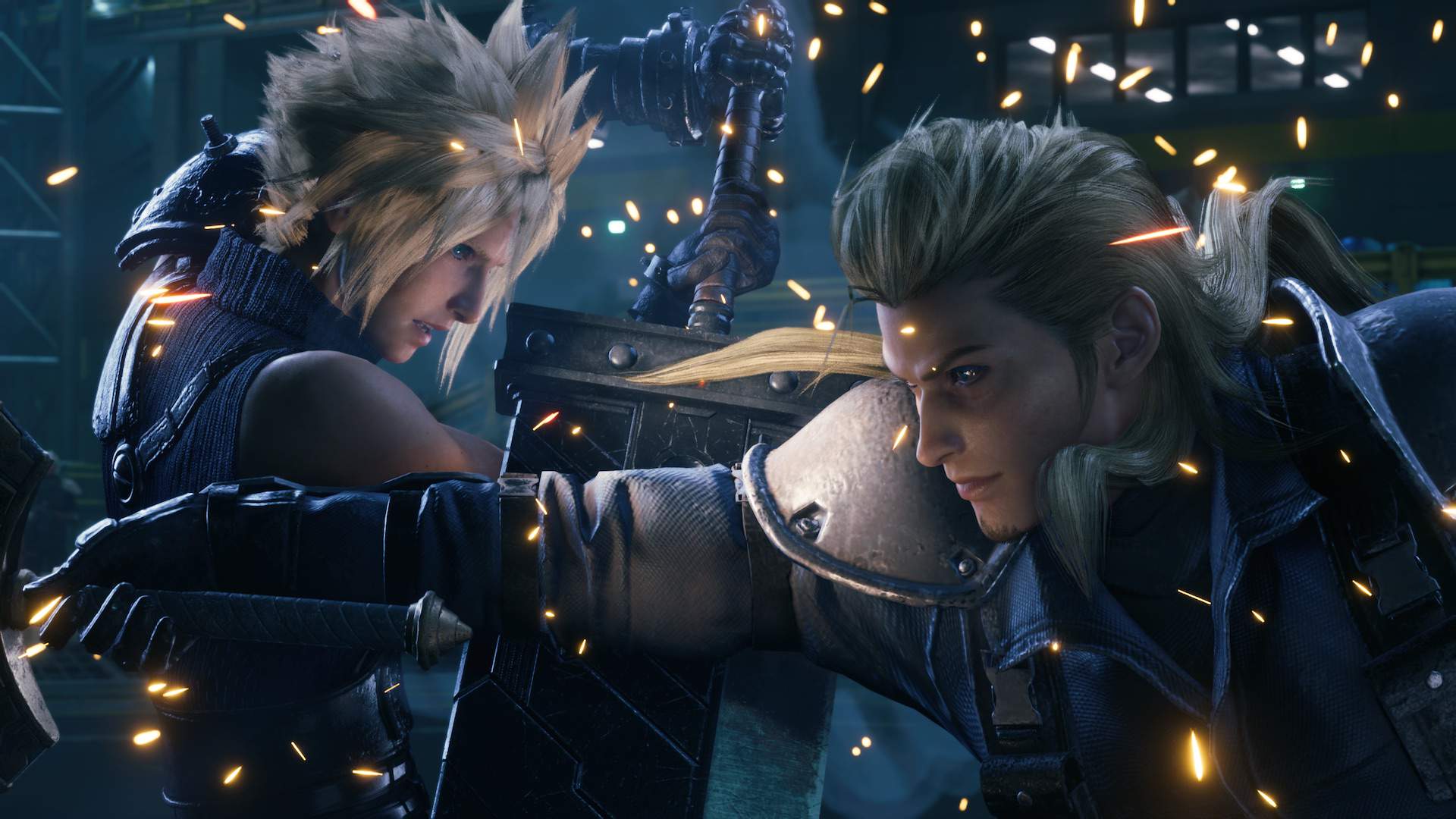
Naoki Hamaguchi, the director closely associated with the Final Fantasy VII Remake trilogy, has offered a clear look at how he views the future of both Final Fantasy VII and the wider Final Fantasy franchise. As the remake trilogy moves closer to its conclusion, Hamaguchi appears focused on two connected goals. First, he wants to satisfy players who still want richer storytelling, stronger character work, and more meaningful time inside the world of Final Fantasy VII. Second, he understands that Final Fantasy as a brand cannot rely only on nostalgia, even when that nostalgia is powerful enough to light up Midgar like a Mako reactor.
His comments suggest that Square Enix is thinking carefully about what Final Fantasy needs to become for a younger generation of players. That does not mean leaving longtime fans behind. Instead, it points toward a balancing act: honor the emotional weight of the series while also creating experiences that feel fresh, accessible, and exciting for players who may not have grown up with Cloud, Aerith, Tifa, and Sephiroth. Hamaguchi also made it clear that he is open to new challenges, whether they involve Final Fantasy or something completely different. With his role as both director and studio head, his influence may stretch beyond one project, making his next moves especially important for Square Enix’s future.
Final Fantasy VII Remake director Naoki Hamaguchi looks beyond the trilogy
Naoki Hamaguchi has become one of the most important creative voices attached to modern Final Fantasy, largely because of his work on the Final Fantasy VII Remake trilogy. His recent comments show a director who is not simply waiting for the trilogy to end before thinking about the future. Instead, he seems to be treating the final stretch as a turning point. That makes sense, because Final Fantasy VII Remake and Final Fantasy VII Rebirth are not small projects tucked away in the corner of Square Enix’s release calendar. They are major statements about how one of gaming’s most beloved stories can be rebuilt for modern players without losing the emotional spark that made it matter in the first place.
Why the Final Fantasy VII Remake trilogy still matters so much
The Final Fantasy VII Remake trilogy matters because it is more than a polished return to a famous PlayStation classic. It has become a test of how far Square Enix can stretch a familiar world while still keeping fans invested. That is a tricky line to walk. Change too little, and the project risks feeling like a museum display with better lighting. Change too much, and fans may feel like the emotional furniture has been moved while they were out of the room. Hamaguchi’s work has leaned into that tension, using modern combat, expanded character moments, and new story angles to make Final Fantasy VII feel alive again rather than simply preserved.
Final Fantasy VII Remake and Rebirth turned nostalgia into something active
For many players, nostalgia can be comforting, but it can also become a cage. Final Fantasy VII Remake and Rebirth avoided that by making familiar moments feel uncertain again. Players who knew the original could not always predict what would happen next, while newcomers could experience the story without feeling like they had arrived late to a private party. That is one reason Hamaguchi’s comments about future depth matter. He appears to understand that Final Fantasy VII still has emotional room to breathe. Its characters remain powerful because their struggles feel personal, messy, and human, not because they are frozen in amber from 1997.
Naoki Hamaguchi sees room for more depth in Final Fantasy VII
Hamaguchi has said that, as the Final Fantasy VII remake project nears completion, he wants to meet the expectations of fans who want even more depth in its world and characters. That statement lands strongly because depth has been one of the trilogy’s most noticeable strengths. The remake project has taken moments that were once brief or limited by older hardware and stretched them into richer scenes with more emotional texture. Characters who once had only a handful of lines can now carry entire sequences. Cities feel lived in. Relationships have more space to develop. Even quiet pauses can carry weight, like the stillness before a boss fight where everyone knows the mood is about to go sideways.
Character growth remains one of the trilogy’s strongest hooks
The Final Fantasy VII cast has always been one of the franchise’s biggest strengths, but the remake trilogy gives those characters more room to show vulnerability, humor, fear, and loyalty. Cloud is not just a cool sword guy with gravity-defying hair. Tifa is not just the dependable friend. Aerith is not only the mysterious flower seller with a smile that can break your heart on schedule. The newer versions of these characters have more conversational rhythm and more emotional shading. That kind of character work helps explain why fans still care so intensely about where the trilogy is going. People are not just waiting for plot answers. They are waiting to spend more time with characters who feel like old friends with unfinished business.
The world of Final Fantasy VII still has narrative fuel left
Final Fantasy VII’s world remains compelling because it is built on conflicts that still feel relevant. Corporate power, environmental collapse, personal identity, grief, resistance, and hope all sit at the heart of the story. Those ideas give Square Enix plenty of room to expand without forcing the world to become something it is not. Hamaguchi’s interest in meeting fan expectations for more depth could point toward continued emotional focus, richer side stories, or a final entry that gives its major characters satisfying closure. The challenge is not finding more material. The challenge is choosing what deserves attention, because too much expansion can sometimes turn a sharp story into an overpacked suitcase.
The wider Final Fantasy brand faces a generational challenge
Hamaguchi also said he is aware of the need to consider how Square Enix can expand the potential of Final Fantasy as a whole for the next generation. That point is important because Final Fantasy is not just one game, one cast, or one combat system. It is a long-running franchise with a legacy that can feel both powerful and heavy. Longtime fans may see the name and instantly think of airships, crystals, summons, emotional music, and dramatic hair that laughs in the face of physics. Younger players may not have the same built-in connection. For them, Final Fantasy has to earn attention in a crowded market where massive role-playing games, live-service titles, indie hits, and action-heavy experiences are all competing for time.
Reaching younger players means more than modern visuals
Modern graphics help, of course. A stunning city skyline or a cinematic summon can still make players sit up straight. Yet younger audiences usually need more than visual spectacle. They need pacing that respects their time, systems that feel responsive, and stories that do not require a history lesson before the first emotional punch lands. That does not mean Final Fantasy should flatten itself into something generic. The series has survived because it changes shape. Every major entry has its own world, cast, tone, and rhythm. Hamaguchi’s comments suggest that the next challenge is finding ways to make that identity feel inviting again without sanding away the strange, heartfelt qualities that make Final Fantasy what it is.
Final Fantasy can grow while keeping its emotional identity
The biggest risk for any legacy franchise is mistaking growth for reinvention at any cost. Final Fantasy does not need to become unrecognizable to reach new players. Its emotional identity is still its secret weapon. The series is often at its best when it mixes huge spectacle with intimate pain, when a world-ending crisis somehow comes down to friendship, memory, sacrifice, or the one person who refuses to give up. That blend can still work for a new generation. The key is presentation. If Square Enix can make future entries easy to enter, rewarding to master, and emotionally honest, Final Fantasy can feel current without chasing every trend like a Chocobo that spotted a shiny object.
Square Enix may balance familiar worlds with fresh ideas
Hamaguchi did not frame the future as a simple choice between more Final Fantasy and something completely new. Instead, he sounded open to both possibilities. That is encouraging because creative teams often do their best work when they are not locked into a single narrow path. A new Final Fantasy project could give Hamaguchi and his studio a chance to apply lessons from the remake trilogy to a different setting, cast, or structure. A completely new experience, on the other hand, could free the team from decades of expectation. Either direction carries potential. The real question is whether Square Enix wants to build on the trust earned through the trilogy or use that momentum to try something riskier.
New experiences could help Square Enix avoid creative fatigue
Working on the same universe for many years can create mastery, but it can also create fatigue. Even the most passionate developer may eventually want a different creative mountain to climb. Hamaguchi’s willingness to face new challenges matters because it shows that he is not treating the Final Fantasy VII Remake trilogy as a final destination. He seems to see it as part of a longer creative road. For fans, that should be exciting. A team that has spent years learning how to modernize beloved material may be well positioned to build something original. Fresh ideas can sharpen familiar franchises too, because creative variety often brings new energy back into established worlds.
A new Final Fantasy project could still feel bold
Choosing to remain within Final Fantasy would not automatically mean playing it safe. In fact, the series is built around reinvention. Final Fantasy can be medieval, futuristic, political, romantic, bleak, colorful, strange, or all of those things before breakfast. That flexibility gives Hamaguchi room to explore something new while still benefiting from the franchise’s name and history. A future Final Fantasy connected to his studio could focus on a new cast, a different combat philosophy, or a world with its own mythology. The series has never needed one fixed shape. Its identity is closer to a musical theme that gets rearranged over time, recognizable even when the instruments change.
Hamaguchi’s studio role could shape more future projects
Hamaguchi noted that he is not only a game director, but also the head of one of Square Enix’s studios. That detail matters because it changes the scale of his influence. A director shapes one project closely. A studio head can help shape multiple projects, creative priorities, production habits, and team culture. As he looks ahead, Hamaguchi expects the number of projects he oversees to increase. That means his comments are not just personal daydreaming about what he might want to make someday. They hint at broader planning inside Square Enix, where leadership decisions could affect how future games are organized, developed, and delivered.
Leadership will matter as much as creative ambition
Big role-playing games are complicated machines. They need strong writing, art direction, combat design, music, performance capture, localization, optimization, and production discipline. If one part slips, players usually notice. Hamaguchi’s leadership role could be important because the Final Fantasy VII Remake trilogy has required coordination across many moving parts. Translating that experience into future projects could help Square Enix manage scope more effectively. That is especially important for modern development, where ambition can quickly become a monster hiding under the bed. Players want big worlds, polished combat, memorable stories, and technical stability. Delivering all of that requires more than imagination. It requires clear leadership and a team that knows where it is going.
Square Enix needs consistency as much as surprise
Fans often ask for surprises, but they also want consistency. They want to feel confident that a project will arrive in good shape, respect their time, and deliver on its promise. Hamaguchi’s studio position may help with that if his teams can apply lessons learned from the remake trilogy. A strong creative vision is valuable, but reliable execution is what turns excitement into trust. That is where Square Enix has a real opportunity. If future Final Fantasy projects can combine emotional storytelling with smart production choices, the franchise can regain momentum among players who may currently view it as something admired from a distance rather than something they need to play right away.
Future projects may benefit from the trilogy’s hard-earned lessons
The Final Fantasy VII Remake trilogy has likely taught Square Enix valuable lessons about pacing, fan expectations, platform strategy, and the risks of expanding a beloved story. Those lessons should not stay locked inside the trilogy. They can shape whatever comes next, whether that is a new Final Fantasy, a different remake, or an original project. Hamaguchi’s comments suggest that he understands the weight of expectation without sounding trapped by it. That balance is important. Fans want passion, but they also want confidence. They want to know the people guiding these worlds care about the details, from the biggest cinematic moment to the smallest character exchange that somehow becomes everyone’s favorite scene.
Final Fantasy’s next step depends on trust, creativity, and timing
The future of Final Fantasy will depend on trust, creativity, and timing. Trust matters because longtime fans need to believe Square Enix understands why the series means so much to them. Creativity matters because nostalgia alone cannot carry the franchise forever. Timing matters because the gaming market moves quickly, and players have more choices than ever. Hamaguchi’s comments sit right at the crossroads of those three forces. He wants to meet expectations for Final Fantasy VII while also thinking about how the larger franchise can grow. That is not an easy task. It is more like juggling Materia while riding a motorcycle through Midgar traffic. Dramatic, risky, and hopefully stylish.
The end of the trilogy could become a launch point
When the Final Fantasy VII Remake trilogy concludes, Square Enix will have a rare opportunity. The studio can treat that ending as a full stop, or it can use it as a launch point for a stronger future. The smarter move may be the second option. A satisfying conclusion could rebuild confidence, attract curious newcomers, and remind lapsed fans why Final Fantasy still deserves attention. From there, Hamaguchi and his studio could pursue fresh ideas with greater goodwill behind them. The final entry does not need to answer every possible question about the franchise’s future. It simply needs to land with enough emotional force that players are ready to follow Square Enix into whatever comes next.
What fans can reasonably expect after the trilogy concludes
Fans should not expect Hamaguchi’s comments to mean that a specific new project has already been revealed. His remarks are more about direction than announcement. What can be said with confidence is that he is thinking beyond the immediate finish line. He wants to satisfy Final Fantasy VII fans, but he is also considering how the larger franchise can reach new players and support fresh experiences. That is a healthy position for a creative leader to take. It leaves room for familiar worlds, original ideas, and unexpected combinations of both. The future may not be fully mapped out for players yet, but Square Enix clearly knows that Final Fantasy cannot stand still.
Fans want answers, but patience may be rewarded
Final Fantasy fans are not exactly known for casual curiosity. When a beloved series is involved, every interview line becomes a puzzle piece, every pause becomes suspicious, and every vague comment gets examined like it contains a secret summon. That passion is part of the fun, but it also means expectations can grow fast. Hamaguchi’s comments are best read as a careful statement of intent. He is committed to delivering engaging experiences, whether through Final Fantasy, new projects, or a wider studio slate. For now, the most reasonable expectation is that Square Enix will finish the trilogy first, then reveal the next step when the timing makes sense.
Conclusion
Naoki Hamaguchi’s latest comments make one thing clear: the future of Final Fantasy is not being treated casually. As the Final Fantasy VII Remake trilogy approaches its final stretch, Hamaguchi is thinking about how to satisfy longtime fans while also helping the franchise grow for players who may be discovering it for the first time. That balance will not be simple, but it is exactly the kind of challenge Final Fantasy has faced throughout its history. The series has always changed, sometimes boldly, sometimes awkwardly, but always with ambition. If Square Enix can carry forward the trilogy’s emotional depth while giving future projects room to breathe, Final Fantasy can remain more than a legendary name. It can feel vital again.
FAQs
- What did Naoki Hamaguchi say about the future of Final Fantasy?
- He said he is aware of the need to expand the potential of the Final Fantasy franchise for the next generation while also meeting fan expectations for more depth in Final Fantasy VII’s world and characters.
- Is Naoki Hamaguchi planning another Final Fantasy game after the trilogy?
- No specific project has been announced. His comments suggest he is open to more Final Fantasy work as well as new and unique experiences that differ from what his team has done before.
- Why is the Final Fantasy VII Remake trilogy important for Square Enix?
- The trilogy shows how Square Enix can modernize a beloved classic while expanding its characters, world, combat, and story for both returning fans and new players.
- Could Hamaguchi work on something completely new?
- Yes. He has expressed interest in facing new creative challenges if there is demand for experiences that differ from his previous work.
- What role does Hamaguchi have at Square Enix beyond directing games?
- He is also the head of one of Square Enix’s studios, which means he may oversee more projects in the future beyond his direct work as a game director.
Sources
- Final Fantasy Remake director: We are aware we need to grow the Final Fantasy brand, My Nintendo News, May 15, 2026
- After the Final Fantasy 7 Remake trilogy is done, its director wants to expand the long-running JRPG series for a whole new generation, GamesRadar+, May 16, 2026
- FINAL FANTASY VII REMAKE INTERGRADE Interview: Naoki Hamaguchi, Director, Nintendo, January 22, 2026
- Final Fantasy 7 Remake trilogy’s third entry is progressing very smoothly, AUTOMATON, February 26, 2026
- Naoki Hamaguchi Confirms Final Fantasy VII Remake Part 3 Is Proceeding On Time And On Schedule, PlayStation Universe, April 29, 2026