



Summary:
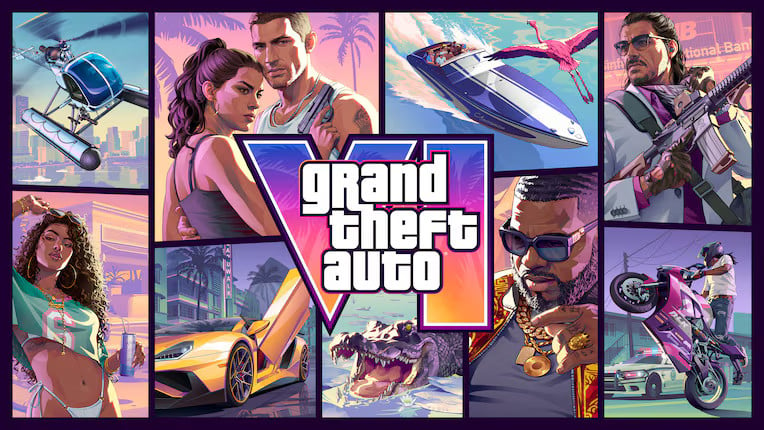
Grand Theft Auto VI has landed a Metascore of 99 on Metacritic, matching the long-standing high score of The Legend of Zelda: Ocarina of Time. That tie has sparked conversations across the gaming community about how review aggregation works, why review counts and eras make comparisons tricky, and what a headline score actually means for players and fans. For NintendoReporters readers who love Nintendo history, Ocarina of Time remains a landmark title with cultural importance that goes far beyond a single number. At the same time, GTA VI’s near-universal praise from critics highlights Rockstar’s technical and design achievements in 2026. Below we break down what Metacritic shows, why review counts differ, what critics praised about GTA VI, and why Nintendo fans might still care about an industry milestone that technically involves a competing franchise.
GTA VI ties a 99 Metascore with Ocarina of Time on Metacritic
Metacritic currently lists Grand Theft Auto VI with a Metascore of 99, the same headline figure held for decades by The Legend of Zelda: Ocarina of Time. That parity is big news because Ocarina of Time has been one of the most frequently cited “best games ever” for years, and seeing a modern blockbuster reach the same number invites instant comparison. But raw numbers only tell part of the story – the two games come from different technical eras, were reviewed under different industry norms, and arrived into media ecosystems with very different review volumes. For readers who follow Nintendo closely, this is still worth attention: Ocarina’s place in history is secure, yet seeing a contemporary title achieve equivalent Metacritic recognition highlights how review enthusiasm and publishing patterns have shifted over time. If you want to jog your memory on Ocarina-related tips and guides while you read, check out our Ocarina of Time guides here.
What Metacritic shows and why that headline number matters
Metacritic’s Metascore is an indexed, weighted aggregation of critic reviews; a 99 means critics overwhelmingly rated the game as near-perfect on the scale Metacritic uses. The headline number matters because it’s an easy way for readers and industry watchers to see critical consensus at a glance, and it often fuels headlines, social chatter, and sales momentum. But it’s just one metric among many – Metacritic’s score is valuable for spotting broad critical enthusiasm, yet it doesn’t capture nuances such as reviewer focus, platform-specific performance differences, or long-term player sentiment. For NintendoReporters readers, the takeaway should be this: the 99 is a strong signal that critics found GTA VI exceptional, but if you care about specifics like performance on particular consoles, narrative choices, or how a game compares to older classics, you’ll want to read individual reviews and follow post-launch reports too.
How Metacritic calculates scores and why hidden decimals can change rankings
Metacritic converts a wide range of published review scores into a single 0-100 metrics scale and then calculates a weighted average known as the Metascore. The site weights outlets differently based on internal criteria, which means two games with the same rounded Metascore can still differ in Metacritic’s internal, unrounded value. That hidden decimal can determine which title appears above another in the site’s ranking pages even when the public number looks equal. Review counts also affect stability: a Metascore based on dozens of reviews is naturally less volatile than one based on a handful. For fans who love the lore and trivia of rankings, this system explains how GTA VI can appear to tie Ocarina of Time at 99 on the public page while Metacritic’s internal ordering puts one slightly ahead behind the scenes. In short, the visible 99 is real and impressive, but the ranking details use finer metrics than a single rounded number suggests.
Comparing two different eras – why GTA VI and Ocarina of Time are hard to compare directly
Ocarina of Time launched in an era when print magazines and a smaller number of outlets set the tone for reviews, while GTA VI arrives in a fragmented landscape of online outlets, video reviews, and near-instant publishing. That difference affects perception: Ocarina’s 99 came from a relatively small list of critics whose reviews were highly influential at the time; GTA VI’s 99 reflects broad modern coverage across many publications and regions. The games’ design goals differ too – Ocarina was revolutionary for 3D adventure design and storytelling in 1998, while GTA VI is being praised for its scale, systems, fidelity, and modern storytelling. Both achievements deserve respect, but apples-to-apples comparison is misleading. Instead, consider the tie as a marker of how both titles dominated the critical conversation in their respective eras – Ocarina as a defining classic, GTA VI as a technical and design benchmark for its generation.
Review counts and why higher review totals change the picture
One of the most obvious differences you’ll notice is review volume: modern releases like GTA VI often gather many more critic pieces in the initial window compared with late 1990s releases. More reviews generally mean a more stable, representative average, but they also mean that a wider variety of perspectives contributes to the final number. A 99 from twenty-something classic-era reviews is distinct from a 99 built from a hundred-plus modern critiques; both are impressive, but their statistical meanings differ. That’s why headlines that simply compare the two scores without noting review counts can feel incomplete. For readers, the practical advice is to look beyond the rounded Metascore and check how many critics contributed on Metacritic’s page, what points reviewers highlighted, and whether any technical problems or platform-specific notes could affect your experience depending on which console you use.
What critics praise in GTA VI and where they raised caveats
Across modern reviews there’s a consistent set of praise for GTA VI: large open-world design that feels alive, deep systems that interlock for emergent moment-to-moment gameplay, strong character work that gives mission stakes weight, and technical achievements in visuals and audio. At the same time, critics often mention trade-offs – sections of demanding CPU/GPU load that can expose platform performance variation, or design choices that might not land for every player. Those caveats rarely dragged overall scores down, but they help explain why the public Metascore sits alongside nuanced individual critiques. For NintendoReporters readers curious about how a non-Nintendo game earns such praise, it’s worth noticing that modern outlets reward both ambition and execution; when a studio hits both, high scores follow. If you want to explore how classic Nintendo titles achieve their own lasting acclaim, our site’s 100% Nintendo hub is a good place to start here.
Why Nintendo fans should still care about this Metacritic milestone
At first glance GTA VI’s headline may feel like “not our battle” for Nintendo fans, but there are reasons to pay attention. Big, critically celebrated games shift industry attention and budgets, influence award conversations, and set player expectations for narrative scope and systems design that later trickle into other studios’ work. For fans of Nintendo franchises, this can mean new ideas in pacing, mission design, or open-world interactions that inspire future Nintendo approaches. Also, the attention on Metacritic sparks debate about rankings, nostalgia, and the value of critical consensus – topics Nintendo players enjoy hashing out when classics get mentioned alongside modern giants. Watching how the conversation evolves, and how players respond post-launch, can be fun and informative even if you plan to stick to Nintendo releases.
What comes next – player scores, patches, and the conversation moving forward
A Metacritic headline score is a snapshot. The follow-up story often includes player scores, post-launch patches, and community reaction on forums and social media. Player sentiment can differ from critic consensus, especially once a larger, more diverse audience gets hands-on time. Developers commonly push day-one or first-week patches that address reported performance issues, and additional content or updates can shape long-term perception. For anyone tracking the story – including NintendoReporters readers curious about how big releases land in public opinion – it’s worth watching for those updates. If you’re waiting to judge for yourself, keep an eye on platform-specific reports and user feedback threads after launch; they usually tell you more about what to expect for practical play rather than headline scores alone.
Conclusion
The headline that GTA VI sits at a 99 Metascore alongside Ocarina of Time is a conversation starter more than a final verdict. Both games earned their places by dominating critical attention in very different eras, and both mean something important to players and the industry. For NintendoReporters readers, the tie is a reminder of how influential Nintendo’s classics remain, even as modern blockbusters set new technical benchmarks. Watch the platform notes, read a few full reviews if you want nuance, and enjoy the debate – scores are useful, but the reasons a game matters are the stories behind those numbers.
FAQs
- Does GTA VI actually beat Ocarina of Time on Metacritic?
- Not exactly – both appear with a public Metascore of 99. Metacritic’s internal ordering can use hidden decimals and weighting to rank titles, so on the site one may be ordered above the other even if the rounded score is the same.
- Why does Ocarina of Time have far fewer critic reviews?
- Ocarina released in an era dominated by print and fewer outlets. Modern games attract many more online reviews quickly, so review counts are not directly comparable across decades.
- Should Nintendo fans care about Metacritic milestones for other franchises?
- Yes – big critical moments shape industry trends, inspire design, and spark debates that influence how we remember games. Watching these moments helps understand what makes a game stand out today.
- Where can I see the exact review counts and individual critic notes?
- Head to Metacritic’s game pages to view platform-specific review counts and read individual critic summaries for context behind the scores.
- Will player scores affect the Metacritic ranking?
- Player scores don’t change the Metascore, which uses critic reviews. However, player sentiment often shapes public perception and can influence coverage, patches, and long-term reputation.
Sources
- Grand Theft Auto 6 is currently the highest scoring video game of all time, according to Metacritic, Video Games Chronicle, November 18, 2026
- GTA 6 Metacritic score makes it the highest-rated game of all time, matching OG Ocarina of Time, GamesRadar, November 18, 2026
- GTA VI’s reviews are even more impressive than its 99 score on Metacritic, Windows Central, November 18, 2026
- The Legend of Zelda: Ocarina of Time Reviews, Metacritic, November 23, 1998