














Summary:
Japan’s booming trading card business has grown far beyond a hobby shared around kitchen tables and tournament halls. Cards connected to Pokémon, Yu-Gi-Oh! and other popular Japanese properties now support a market worth hundreds of billions of yen, attracting players, collectors, investors and international buyers. That remarkable growth has created valuable opportunities for publishers and retailers, but it has also exposed weaknesses that are becoming increasingly difficult to ignore.
Japan’s ruling Liberal Democratic Party has formed a parliamentary group focused on the trading card business and the problems surrounding its rapid expansion. Its work is expected to address counterfeit products, bulk purchasing for resale and concerns that expensive cards could be used in money laundering schemes. These issues are closely connected to the enormous prices that rare cards can achieve, particularly when transactions take place through private sales, online marketplaces or overseas auctions.
The group recently prepared to hear from industry organizations and representatives of the Ministry of Economy, Trade and Industry. Its role is not limited to restricting questionable activity. Lawmakers also want to protect genuine customers, encourage responsible growth and help Japanese trading card brands expand internationally. Measures such as clearer authenticity standards, stronger purchasing limits and identity verification could all become part of the discussion. The Pokémon Company has already moved in this direction by introducing optional My Number card verification for selected purchasing lotteries, giving verified customers greater access to limited products without storing their national identification numbers.
Japan Responds to the Rapid Growth of Trading Cards
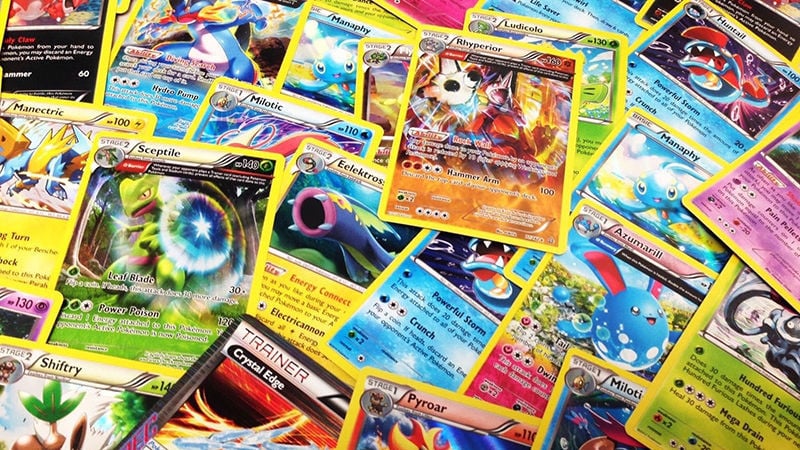
Trading cards have become one of Japan’s most visible modern collectibles, blending traditional gameplay with character merchandise, competitive events and a fast-moving resale economy. Packs that were once treated mainly as affordable entertainment can now contain individual cards worth thousands or even millions of dollars. That possibility adds excitement, but it also changes how people approach every new release. Players may be competing with professional resellers, speculative buyers and automated purchasing systems before they can even place an order. Japan’s lawmakers are therefore beginning to treat the market as a serious economic sector rather than a small corner of the toy business. The challenge is finding a balance that protects fans without smothering the creativity and enthusiasm that made trading cards successful in the first place.
Japan’s Trading Card Market Reaches a New Record
The scale of the Japanese trading card market explains why politicians and government agencies are paying closer attention. The Japan Toy Association estimates that the domestic card game and trading card category reached approximately 338.4 billion yen in fiscal 2025. The market has reportedly expanded every year since 2017, showing that the recent surge is not simply a temporary craze. Trading cards now represent a significant share of Japan’s toy and entertainment economy, while also supporting specialist shops, grading businesses, tournament organizers, online marketplaces and international distributors. When an industry grows this quickly, informal customs that worked during its smaller years can begin to crack. Rules concerning authenticity, buyer identification and resale practices may need to catch up with the billions of yen changing hands.
Pokémon and Other Franchises Drive Demand
Pokémon is the most internationally recognizable force behind the trading card boom, but it is far from the only contributor. Yu-Gi-Oh!, One Piece Card Game, Duel Masters and numerous properties from Bandai, Bushiroad and other Japanese publishers have created active communities of players and collectors. Each brand serves a slightly different audience, yet they share an effective formula. Familiar characters draw people in, strategic gameplay keeps them engaged and limited illustrations encourage collecting. Social media has amplified this cycle by turning pack openings, valuable pulls and grading results into highly shareable entertainment. A rare card is no longer seen only by the people inside a local shop. It can appear before millions of viewers within hours, instantly increasing attention and demand.
Collectors and Investors Reshape the Market
Many buyers still collect cards because they love the artwork, the characters or the games themselves. Others now treat rare cards as alternative assets, purchasing them in the hope that their value will rise. These two groups often meet in the same queue, but their motivations are very different. A player might want four copies of a useful card for a competitive deck, while an investor may want sealed boxes that can remain unopened for years. Neither approach is automatically harmful. Problems emerge when financial speculation becomes so intense that ordinary customers cannot access products at their intended prices. The market then starts to resemble a crowded auction floor rather than a welcoming hobby shop, and younger players can easily be pushed aside.
Rare Cards Create New Risks
The extraordinary value of certain cards creates risks that barely existed when most collections were stored in school bags and bedroom drawers. High-value cards can be easy to transport, difficult for an untrained buyer to authenticate and desirable across national borders. Those qualities make them attractive to legitimate collectors, but they can also appeal to criminals seeking portable stores of value. Even honest transactions may become complicated when pricing is based on card condition, professional grading, population reports and rapidly changing demand. A tiny printing mark or damaged corner can separate a modest card from a fortune. As prices climb, buyers need stronger protections, while law enforcement and financial authorities need a clearer understanding of how the resale market operates.
Counterfeit Cards Threaten Buyers and Businesses
Counterfeiting is one of the clearest dangers facing the trading card business. Modern printing equipment can produce convincing copies, particularly when counterfeiters use photographs and online listings that conceal small differences in texture, color or reflective effects. An inexperienced collector may pay a premium price for a fake card and discover the truth only when attempting to grade or resell it. Counterfeits also harm publishers, retailers and reputable secondary-market sellers by weakening confidence in every transaction. Stronger authentication practices could include improved security features, shared databases, seller verification and clearer cooperation between manufacturers and online marketplaces. Education matters too. Buyers who understand printing patterns, card stock and suspicious pricing are less likely to be caught by an offer that looks magical but quickly turns into a costly illusion.
Scalping Makes Popular Releases Harder to Find
Scalping creates a more immediate frustration for fans because its effects appear whenever a highly anticipated product launches. Resellers may purchase large quantities at retail price and place them online moments later with a substantial markup. Automated bots can make the situation worse by completing online orders faster than a person can navigate a checkout page. The result is painfully familiar: shelves are empty, lotteries are overwhelmed and genuine customers are told to try again while stacks of unopened products appear on resale platforms. Purchase limits can help, but limits based only on accounts or payment cards are often easy to bypass. Lawmakers and businesses may therefore consider systems that identify unique buyers while still respecting privacy and ensuring that children and other customers without specific identification methods are not unfairly excluded.
High-Value Cards Raise Money Laundering Concerns
Trading cards can become useful tools for money laundering when their value is high, subjective and difficult to verify. A criminal could theoretically buy a valuable card with illicit funds, transfer it privately and later sell it as an apparently legitimate collectible. Transactions involving rare cards may receive less scrutiny than conventional financial transfers, particularly when sales occur through individuals rather than regulated institutions. The issue does not mean that collectors dealing in expensive cards should be treated with suspicion. Most buyers and sellers are participating honestly. However, authorities may need better reporting mechanisms and industry knowledge when transactions reach extraordinary amounts. Auction houses, grading companies and marketplaces could also play a role by preserving records and applying stronger identity checks to unusually large transactions.
Pokémon Tests My Number Card Verification
The Pokémon Company has already demonstrated one possible response to scalping through identity verification connected to Japan’s My Number card system. Selected Pokémon Card Game purchasing lotteries allow customers to verify that they are real and unique individuals by scanning the identification card’s integrated chip with a compatible smartphone. Verification is optional, but most available purchasing opportunities for certain products may be allocated to verified users. The process is designed to confirm identity without storing the buyer’s national identification number in the Pokémon Players Club account. This distinction is important because customers naturally want protection from resellers without handing a private company more personal data than necessary. The system could make it harder to operate large networks of duplicate accounts while preserving access for buyers who choose not to participate.
The LDP Trading Card Group Begins Its Work
The Liberal Democratic Party’s new parliamentary group recently prepared to hold its inaugural meeting, bringing lawmakers together with trading card organizations and the Ministry of Economy, Trade and Industry. Listening to the businesses involved will be essential because each part of the market faces different pressures. Manufacturers are concerned with brand protection and product distribution, retailers must manage queues and purchasing limits, while secondary-market businesses need practical ways to assess authenticity and suspicious transactions. Players and collectors also deserve a voice because poorly designed restrictions could make the hobby more frustrating without stopping professional offenders. The group’s early work is likely to focus on understanding the market before recommending specific measures, creating a clearer picture of where voluntary industry standards are sufficient and where government involvement may be necessary.
Possible Rules and Industry Safeguards
Several forms of protection could emerge from discussions between lawmakers and the trading card industry. Retailers might receive clearer support for restricting bulk purchases, while marketplaces could face stronger expectations concerning seller verification and counterfeit removal. Manufacturers may be encouraged to adopt shared authenticity technologies or publish more detailed guidance for consumers. Expensive transactions could receive additional record-keeping requirements, especially when they resemble professional financial activity rather than casual collecting. Japan will need to approach these possibilities carefully. A strict rule that works for a card worth millions of yen would be absurd for a child trading inexpensive duplicates with a friend. Effective safeguards should therefore focus on commercial scale, repeated resale activity and unusually valuable transactions rather than treating every collector like a financial institution.
Regulation Could Support International Growth
The parliamentary group is also expected to consider how Japan can strengthen the trading card business overseas. Regulation and international expansion may sound like opposite goals, but they can support each other. Buyers are more willing to spend money when they trust a market’s products, sellers and authentication systems. Clear standards could make Japanese cards more attractive to overseas retailers and collectors, particularly in regions where counterfeits are common. Cooperation with foreign marketplaces, customs agencies and grading companies could further protect legitimate exports. Japan’s trading card publishers already command enormous cultural influence, and better market protections could turn that popularity into more sustainable commercial growth. A trusted market is like a well-run tournament: everyone understands the rules, disputes are handled fairly and people are eager to return.
What the Changes Could Mean for Collectors
Collectors may eventually notice stronger purchasing controls, additional identity checks or new authentication measures, particularly when trying to buy limited products. These changes could add a small amount of friction to the process, but they may also improve the chances that products reach people who genuinely want them. Clearer rules could reduce the flood of counterfeit listings and make expensive secondary-market purchases less risky. Players may benefit most if popular sets remain available closer to their intended prices instead of disappearing into resale inventories. No single policy will eliminate every problem, and determined scalpers will search for loopholes as quickly as publishers close them. Still, cooperation between lawmakers, manufacturers, retailers and collectors could make the market fairer without draining the joy from opening a fresh pack.
Conclusion
Japan’s decision to examine the trading card market reflects how dramatically the hobby has changed. A business worth approximately 338.4 billion yen can no longer rely entirely on informal safeguards, especially when counterfeit goods, organized scalping and potentially suspicious financial transactions threaten public confidence. The new LDP parliamentary group has an opportunity to protect customers while supporting one of Japan’s most successful entertainment exports. Identity verification, purchasing limits, authentication standards and better transaction records could all contribute to a healthier market when applied carefully. The cards should remain exciting because of the characters, artwork and games they represent, not because fans must defeat bots, counterfeiters and professional resellers before getting anywhere near a booster pack.
FAQs
- Why has Japan formed a parliamentary trading card group?
- The group was formed to examine problems connected to the market’s rapid growth, including counterfeit cards, bulk purchasing for resale and possible money laundering involving high-value collectibles.
- How large is Japan’s trading card market?
- The Japan Toy Association estimates that the domestic card game and trading card market reached approximately 338.4 billion yen in fiscal 2025.
- Will Japan ban trading card reselling?
- No ban has been announced. Discussions are focused on limiting harmful bulk purchasing, preventing counterfeiting and creating safer conditions for legitimate customers and businesses.
- How does Pokémon’s My Number verification work?
- Customers can scan a My Number card with a compatible smartphone to verify their identity. The process confirms that the buyer is a unique person without storing the national identification number in the Pokémon account.
- Could new rules help ordinary Pokémon card buyers?
- Better purchase controls and identity checks could reduce duplicate accounts and bulk buying, potentially giving players and collectors a fairer chance to purchase limited products at retail prices.
Sources
- Japan Weighs Regulating Pokemon Cards Amid Trading Mania, The Japan Times, July 23, 2026
- Japanese Government Sets Up New Group to Deal With Trading Card Boom, SoraNews24, July 22, 2026
- Japanese Lawmakers Form New Parliamentary Group to Tackle Trading Card Industry, NintendoSoup, July 24, 2026
- The Value of “Touch” as Seen Through Trading Cards, JTB Tourism Research & Consulting, July 16, 2026
- Why These Special Edition Pokémon Goods Ask for Your Japan National ID, Unseen Japan, June 11, 2026