














Summary:
The Game Rating and Administration Committee of Korea has brought several major names back into the spotlight, and the list is the kind that instantly gets players leaning closer to the screen. Persona 4 Revival from SEGA and Atlus is the obvious headline grabber, especially because fans have been waiting for clearer details since its announcement. LEGO Skylines from Paradox Interactive may be the bigger surprise, though, because the name alone suggests a playful spin on the city-building formula that could fit the LEGO brand like a perfectly snapped-together brick. Marvel’s Guardians of the Galaxy also appears with renewed attention around Nintendo Switch 2, following previous rating activity in Taiwan. Alongside those names, Gears of War: E-Day and Ace Combat 8: Wings of Thieve help make the list feel less like a small administrative update and more like a possible preview of what publishers may be preparing to discuss soon. Nothing here should be treated as a full announcement by itself, but ratings often arrive when a release plan is moving behind the curtain. For now, we have a fascinating mix of confirmed projects, unannounced surprises and possible ports, all circling the same question: what will be officially shown next?
Korean ratings point to a busy season for upcoming game reveals
Game ratings rarely feel glamorous, but they can be a little like hearing footsteps behind a closed stage curtain. Something is moving, even if the spotlight has not switched on yet. The Game Rating and Administration Committee of Korea has rated several titles that instantly stand out, including Persona 4 Revival, LEGO Skylines, Gears of War: E-Day, Ace Combat 8: Wings of Thieve and Marvel’s Guardians of the Galaxy. That combination makes the list especially interesting because it includes a mix of known projects, unannounced names and platform speculation. In other words, this is not just one familiar game quietly passing through an age classification process. It feels more like several publishers getting their pieces into position before wider public updates. Ratings are not the same as release dates, trailers or platform confirmations, but they can be meaningful signals when they appear close to major gaming showcases. Players have learned to watch them for a reason. Sometimes they are the first official-looking breadcrumb before the whole loaf appears.
Persona 4 Revival appears again as fans wait for clearer release details
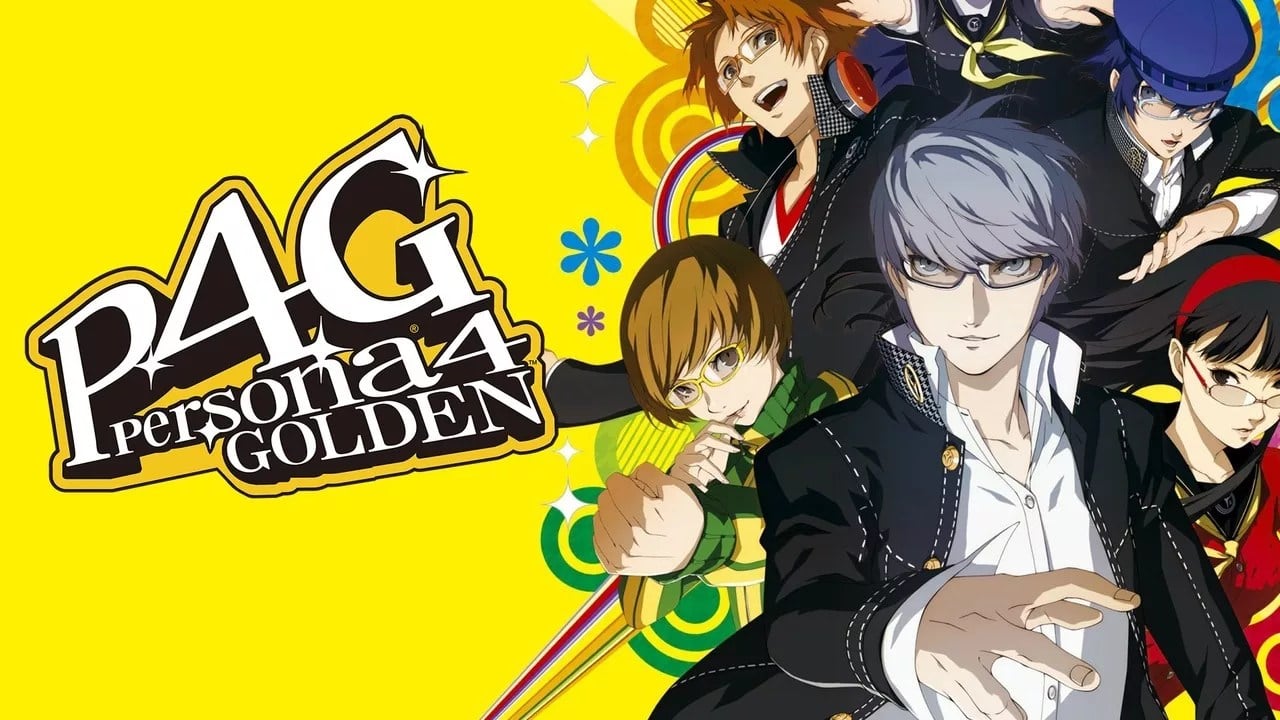
Persona 4 Revival is the name that will immediately pull in RPG fans, and honestly, it is easy to understand why. Persona 4 has remained one of Atlus’ most beloved role-playing games thanks to its small-town mystery, warm character dynamics and stylish turn-based combat. A new version under the Revival name naturally raises questions about how much has changed, how much has stayed familiar and when players will finally get a full look at what SEGA and Atlus are preparing. The Korean rating does not answer those questions by itself, but it does add a fresh sign that the project is progressing through real release-related steps. That matters because fans do not just want a logo or a tease. They want gameplay, platforms, visual upgrades, quality-of-life details and a firm release window. Until those details are shared directly, the rating works like a door cracked open just enough to let a bit of light through.
Why the rating matters for SEGA and Atlus fans
For SEGA and Atlus fans, Persona 4 Revival carries more emotional weight than a routine re-release. Persona 4 is not simply remembered as another RPG on a long list. It is the kind of game people associate with late nights, favorite party members, catchy music and that strange feeling of missing a fictional town after the credits roll. That is why even a ratings listing can stir up so much attention. It suggests that the project is far enough along to be reviewed for age classification in at least one major market, which often happens when publishers are preparing store pages, regional releases or promotional materials. Still, the key word here is suggests. We should not treat the Korean rating as confirmation of every platform, date or feature. The smarter reading is that Persona 4 Revival is moving forward, and players may not have to keep reading tea leaves forever. Atlus has been careful with its messaging, so the next official update will be the one that truly matters.
LEGO Skylines could turn city building into a brick-by-brick playground
LEGO Skylines is the most intriguing name on the list because it has not been officially announced, yet the title almost explains itself the moment you read it. Paradox Interactive is closely associated with Cities: Skylines, one of the most recognizable modern city-building series, while LEGO is practically built for urban creativity. Put those ideas together and the result sounds almost too obvious in the best possible way. Roads, districts, public transport, parks, disasters, zoning and goofy little citizens could all translate into a lighter, more playful city builder with huge visual charm. Imagine watching a skyline rise from studs, plates and colorful bricks instead of concrete and glass. That is the kind of idea that makes players say, “Wait, why hasn’t this happened already?” Of course, the rating alone does not confirm mechanics, platforms or scale. Still, the possibility is delicious. A LEGO city builder from Paradox could be equal parts strategy sandbox and digital toy box, and that is a very tempting combination.
Why Paradox Interactive and LEGO feel like such an easy match
Paradox Interactive has spent years serving players who love systems, planning and the wonderful chaos of watching a simulation behave in ways nobody predicted. LEGO, meanwhile, is all about turning imagination into structure one brick at a time. Those two identities overlap more naturally than they might seem at first. A city builder asks players to think about flow, space, traffic, housing and services, while a LEGO-themed version could make those systems feel brighter, more accessible and more tactile. Instead of presenting urban planning as a dense spreadsheet with roads, it could lean into creativity, humor and visual feedback. Maybe a traffic jam becomes a tiny pileup of cheerful brick cars. Maybe a fire station snaps into place with a satisfying pop. Maybe citizens complain with silly animations rather than sterile warning icons. That tone would not need to make the simulation shallow. It could make the whole experience more inviting, like a serious machine hidden inside a box of colorful bricks.
What a LEGO city builder could borrow from Cities: Skylines
If LEGO Skylines really does draw from the Cities: Skylines formula, the most important lesson would be freedom. Cities: Skylines works because it lets players build, break, fix and rebuild without feeling like every mistake ends the fun. A LEGO version could use that same spirit while making experimentation even more appealing. Roads could be snapped together like plates. Neighborhoods could grow from modular buildings. Public services could expand through playful upgrades, while landmarks might unlock as statement pieces for ambitious city planners. The big challenge would be balance. Too much complexity and the LEGO personality gets buried. Too little complexity and city-building fans may feel like the simulation is wearing a costume without the substance underneath. The sweet spot would be a builder that starts simple, teaches through play and slowly opens into something surprisingly clever. Like the best LEGO sets, it should be easy to start and hard to stop tinkering with once the city begins to take shape.
Marvel’s Guardians of the Galaxy receives more Switch 2 attention
Marvel’s Guardians of the Galaxy is already a known quantity on several platforms, but its appearance in recent rating activity is still worth watching because of the Nintendo Switch 2 angle. The original Switch received a cloud version, which meant players could experience the game on Nintendo hardware, but not in the same local, native way available elsewhere. That distinction matters. Cloud releases can work, but they depend heavily on connection quality and can feel less permanent than a version installed and running directly on the hardware. The renewed rating attention, paired with earlier activity from Taiwan, suggests that a Switch 2 version may be part of the conversation. Nothing should be treated as official until the publisher confirms it, but the pattern is clear enough to interest Nintendo fans. Guardians of the Galaxy would make sense as a Switch 2 addition because it mixes cinematic action, sharp dialogue and character-driven storytelling in a way that could help broaden the system’s third-party library.
Why a native Switch 2 version would matter
A native Switch 2 version of Marvel’s Guardians of the Galaxy would matter because it could solve the biggest issue many players had with the original Switch release: dependence on cloud streaming. When a game is streamed, the experience can change dramatically based on where you live, how stable your internet is and whether servers are holding up. That is not ideal for a character-driven adventure where timing, atmosphere and visual spectacle all play important roles. A native version would feel more like a true ownership experience on Nintendo hardware. It would also give players a stronger reason to revisit the game if they skipped the cloud release. Guardians of the Galaxy built a strong reputation for its writing, team banter and heartfelt story, so a smoother Nintendo version could find an audience that wanted to play it portably without compromises getting in the way. Sometimes a port is not just about another logo on a box. Sometimes it is about giving a good game the right home.
Gears of War: E-Day and Ace Combat 8 add extra weight to the ratings list
Gears of War: E-Day and Ace Combat 8: Wings of Thieve make the Korean ratings list feel broader than a Persona or Nintendo-adjacent update. Gears of War: E-Day is already a major Xbox project, so a rating appearance may be read as another sign that Microsoft’s marketing calendar is moving forward. Ace Combat 8 is equally interesting for a different reason. The Ace Combat series has a dedicated audience that appreciates fast aerial action, dramatic storytelling and the slightly operatic tone that makes its fictional conflicts feel larger than life. Seeing both names alongside Persona 4 Revival and LEGO Skylines creates an unusual spread of genres: RPG, city builder, cinematic shooter, aerial combat and superhero adventure. That variety makes the list feel less like a single leak and more like a snapshot of several publishers entering the same pre-release rhythm. For players, that rhythm is exciting because it often means trailers, release windows or store listings may not be far behind.
Why ratings do not always mean immediate announcements
Ratings are useful clues, but they are not magic keys that unlock every answer. A game can be rated before a trailer, before a release date or before a platform holder decides to talk about it publicly. Sometimes ratings appear because a publisher is preparing for a regional launch. Sometimes they surface before an event. Sometimes they sit quietly for longer than players expect, which can make everyone feel like they are staring at a loading screen that refuses to finish. That is why it is important to keep the excitement grounded. Persona 4 Revival being rated does not automatically mean a release date is coming this week. LEGO Skylines being rated does not tell us how it plays. Marvel’s Guardians of the Galaxy appearing in connection with Switch 2 does not replace an official announcement. The ratings matter because they are official administrative signals, but they are still only part of the story. The next real step belongs to the publishers.
What players should watch for next
The most sensible thing to watch next is direct confirmation from SEGA, Atlus, Paradox Interactive, Microsoft, Bandai Namco, Square Enix or platform holders connected to these releases. Store listings may also appear, especially if the ratings are tied to digital storefront preparation. Events around early June could be relevant as well, since publishers often use that window to reveal trailers and release dates. Persona 4 Revival needs a proper breakdown of platforms, combat changes, visuals and launch timing. LEGO Skylines needs a formal announcement that confirms whether it is truly connected to Cities: Skylines or simply shares a familiar naming style. Marvel’s Guardians of the Galaxy needs clear confirmation of whether Switch 2 is getting a native version. For now, the best approach is simple: enjoy the smoke, but wait for the fire. Ratings have given players plenty to talk about, and the next official update could turn speculation into something much more concrete.
Conclusion
The Korean ratings list has created a lively moment for players because it gathers several exciting names in one place. Persona 4 Revival stands out as the RPG favorite that fans want to see properly unveiled, while LEGO Skylines may be the surprise that sparks the most imagination. Marvel’s Guardians of the Galaxy adds a strong Switch 2 angle, especially for players who wanted more than the original cloud-based Switch release. Gears of War: E-Day and Ace Combat 8: Wings of Thieve round out the list with major action names that make the whole thing feel even more notable. Still, ratings are signals rather than announcements. They point toward movement, not certainty. The smart takeaway is that several publishers appear to be lining things up, and players now have more reason to keep an eye on upcoming showcases, store listings and official channels. The waiting game continues, but at least it has become a lot more interesting.
FAQs
- What games were rated by the Game Rating and Administration Committee of Korea?
- The rated titles include Persona 4 Revival, LEGO Skylines, Gears of War: E-Day, Ace Combat 8: Wings of Thieve and Marvel’s Guardians of the Galaxy. The list is notable because it combines known games, unannounced names and possible platform-related movement.
- Is LEGO Skylines officially announced?
- LEGO Skylines has appeared through the Korean rating, but Paradox Interactive has not formally announced full details. The title suggests a possible LEGO-themed city-building game, although gameplay, platforms and release timing still need official confirmation.
- Does the Persona 4 Revival rating confirm a release date?
- No. The Korean rating shows that Persona 4 Revival has moved through an age classification process, but it does not confirm a release date. Players still need to wait for SEGA and Atlus to share official launch details.
- Is Marvel’s Guardians of the Galaxy coming to Nintendo Switch 2?
- A Switch 2 version has not been officially confirmed in a full publisher announcement, but recent rating activity in Taiwan and Korea has strengthened speculation. A native Switch 2 release would be especially interesting because the original Switch version was cloud-based.
- Do Korean game ratings usually mean an announcement is close?
- They can be a useful sign, but they do not guarantee immediate news. Ratings often appear when publishers are preparing releases, store listings or regional launches, though the exact timing can vary from game to game.
Sources
- LEGO Skylines by Paradox Interactive, Persona 4 Revival, and more rated in Korea, Gematsu, May 26, 2026
- Multiple Titles Rated In Korea Ahead Of Summer Game Fest, Nintendo Life, May 26, 2026
- Persona 4 Revival, Castlevania, and Ace Combat 8 may appear at Summer Game Fest or beyond as a ratings board once again scuppers the marketing plans of many publishers, GamesRadar+, May 26, 2026
- Marvel’s Guardians of the Galaxy heeft een Switch 2-rating gekregen, Daily Nintendo, April 10, 2026
- GAME RATING and ADMINISTRATION COMMITTEE, Game Rating and Administration Committee, 2026