



Summary:
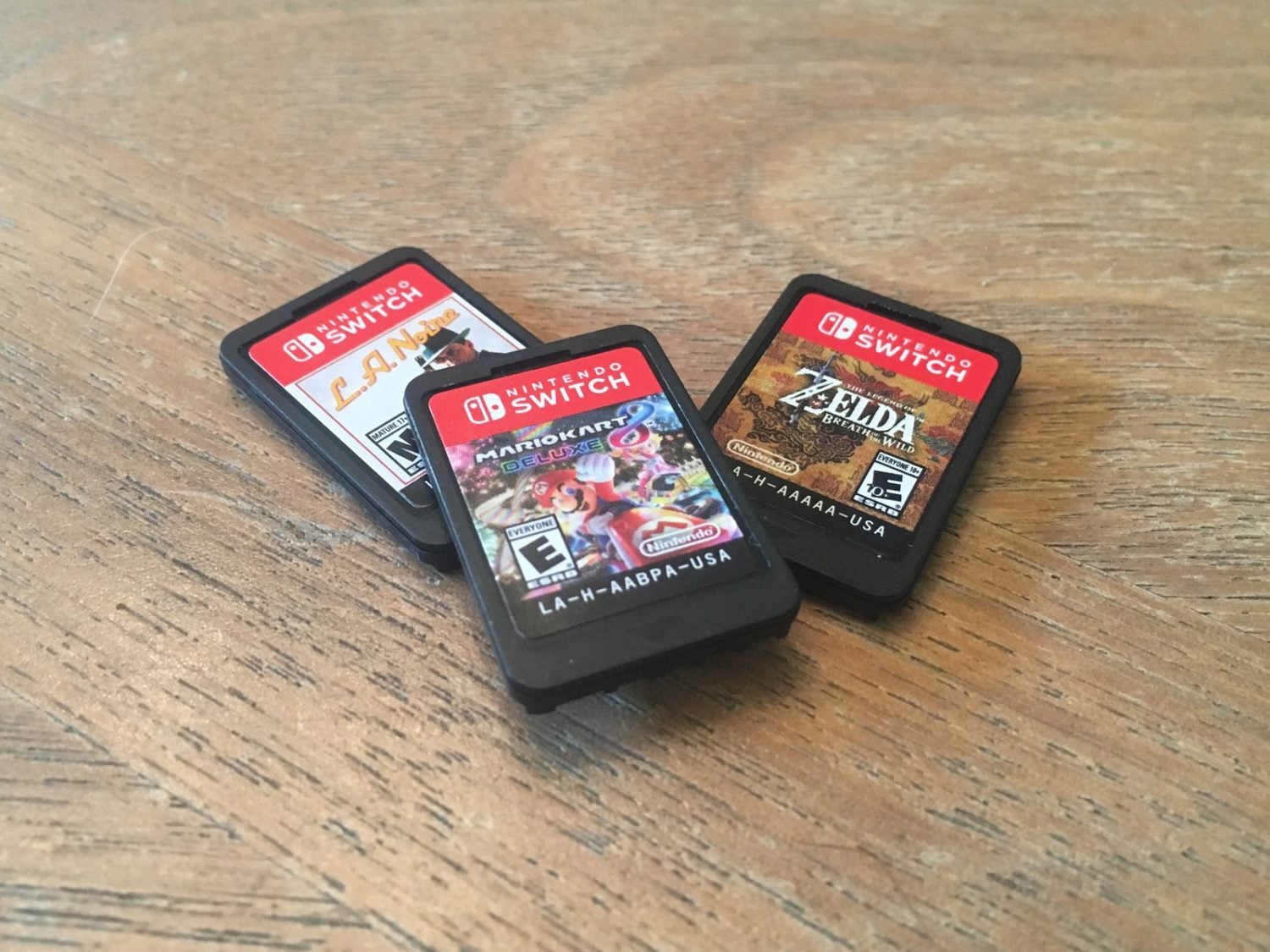
Macronix, long known as one of the companies that supplied ROM chips used in Nintendo Switch and Switch 2 gamecards, is reportedly scaling back and stopping new ROM products after its third-quarter results showed ROM accounted for a much smaller share of revenue. That shift, confirmed in investor materials and relayed by industry analyst David Gibson, comes as Macronix redirects capital expenditure to NOR, NAND and eMMC memory lines. For Nintendo fans and collectors this raises legitimate questions about physical cartridge availability, publisher choices and the long-term health of boxed releases. While Macronix is not Nintendo’s only supplier, the change could speed adoption of Game-Key cards and digital-first releases. Below we break down what was reported, why it matters, and practical steps players can take to prepare.
Macronix reportedly phasing out ROM for Switch game cards
Recent financial disclosures and analyst commentary indicate Macronix is reducing emphasis on ROM products that were historically used in game cartridges for Nintendo platforms. Macronix’s Q3 reporting shows ROM now makes up a much smaller slice of total sales compared with a year earlier, and company statements and investor decks suggest new ROM products will not be developed going forward. For NintendoReporters readers who care about physical releases, this is a key development because those ROM chips are a main component in Switch and Switch 2 cartridges. Even though Macronix is not the only supplier in the market, its decision signals a shift in supplier priorities that could have ripple effects through the supply chain and influence how publishers approach physical runs and special editions.
What Macronix actually disclosed in its Q3 reporting
The company’s third-quarter materials, shared with investors, show a product mix that now heavily favors NAND and NOR product lines while ROM revenue has dropped to a small percentage of total sales compared with prior periods. Management commentary and presentation slides noted capital expenditures are being directed to NAND and eMMC capacity instead of ROM, and the firm will stop reporting ROM sales as a separate segment after Q3. That kind of shift is more than accounting-speak: capex tells you where a company expects future demand and margin growth. If a major supplier publicly says it will not develop new ROM products, that reduces the available manufacturing capacity for the specific chips used in gamecards. For collectors and publishers considering physical runs, the supply picture looks less certain than it did a year ago.
Why Macronix is moving toward NOR and eMMC instead of ROM
Macronix’s decision to allocate its new capex to NOR and eMMC lines reflects where customers and markets are placing demand. NOR flash is widely used in embedded systems, automotive and industrial applications, while eMMC and modern NAND products serve mobile and storage-heavy markets with higher volumes and generally stronger margins right now. The decline in ROM revenue is likely a combination of lower demand for mask ROM and gamecard-specific chips and broader industry shifts toward other memory formats. Manufacturing capacity is finite, and suppliers will prioritize segments with the best return on investment. That means ROM tooling and wafers may become scarcer, which in turn can affect the cost and feasibility of producing large runs of physical game cartridges over time.
What this means for Nintendo and the future of physical cartridges
On the surface, one supplier changing strategy does not automatically end physical releases, but it does increase uncertainty for publishers and Nintendo. Nintendo has historically relied on multiple suppliers for cartridge components, so losing or seeing a supplier scale back simply makes supply management more complex. If other suppliers cannot or will not expand capacity to fill the gap, publishers may face higher lead times and costs for physical production. That could push more publishers toward Game-Key cards – those physical boxes that contain only a download key – or fully digital releases to avoid manufacturing constraints. From a consumer perspective, fewer physical copies could mean limited collector editions, higher aftermarket prices, or delayed regional releases if logistics and component availability become tight.
Could Nintendo secure alternative suppliers and how fast could that happen?
Nintendo has experience working with multiple parts vendors across console generations, and it has options to source ROM or equivalent memory from other manufacturers. Still, qualification of new suppliers is not instant – testing, certification, and integration into cartridge manufacturing takes time and money. If demand is modest, third-party suppliers might be slow to retool or scale production. Nintendo could also explore redesigns that use more commonly available memory types, but that carries engineering, cost and backward compatibility considerations. For Switch 2 and future hardware, Nintendo’s supply decisions will balance cost, reliability and the desire to continue offering physical cartridges for fans who prefer boxed games.
The rise of Game-Key cards and digital sales as alternatives
Game-Key cards have already gained traction as a way to offer physical retail presence without the manufacturing burden of full cartridges. A Game-Key basically contains a redemption code in a standard box or card case, and publishers can ship infinitely without worrying about chip supply. At the same time, digital sales continue to eat a larger share of the market, and publishers often find higher margins there. That said, many Nintendo fans still treasure physical copies for collection, resale or offline play. If ROM supply tightens, expect publishers to offer more Game-Key options, smaller physical print runs, or premium collector editions that justify higher per-unit costs. For the average buyer, that may translate to fewer budget-priced boxed releases and more emphasis on digital storefronts.
What collectors, buyers and publishers should consider now
If you collect physical Nintendo games or are planning to buy limited editions, think ahead. Consider pre-ordering physical editions from trusted retailers, because smaller print runs and supply-chain issues can make certain releases scarce quickly. For publishers, it might be time to re-evaluate manufacturing strategies: locking in suppliers earlier, negotiating minimum runs, or using hybrid approaches like Game-Key distribution for the bulk market and limited cartridge batches for collectors. For NintendoReporters readers, keeping an eye on publisher announcements and supply indicators will help you spot titles at risk of limited physical runs. Also, watch pricing trends and retailer stocking patterns – sudden scarcity can push prices up on resale markets, so early action can save money and frustration.
Practical steps for gamers who prefer boxed games
First, prioritize pre-orders for titles you really want; that remains the most reliable way to secure a physical copy. Second, follow publisher and retailer newsletters for restocks and limited edition drops. Third, consider buying from reputable secondhand markets if you miss the initial release, but be aware of price spikes. Finally, if physical preservation matters to you for archival or modding reasons, make digital backups and document serials and packaging details while originals are still widely available. These steps are not dramatic – they are pragmatic moves any collector can take to reduce the chance of losing access to the boxed editions that matter most.
Conclusion
Macronix’s reported retreat from ROM products is a notable development for Nintendo’s physical-game ecosystem, but it is not an immediate end to cartridges. It does raise concerns about manufacturing capacity and could accelerate trends already pushing the industry toward more digital and Game-Key solutions. Fans and collectors should be aware, act early on physical editions they value, and watch how Nintendo and other suppliers respond. NintendoReporters will keep tracking supplier announcements, publisher plans and stock availability so you can make informed choices about your collection and purchases.
FAQs
- Will Nintendo stop making physical cartridges because of this?
- No, not immediately. Macronix is one supplier and Nintendo works with others, but the change increases uncertainty and could lead to fewer or smaller physical runs over time.
- Are Game-Key cards a permanent replacement for cartridges?
- Game-Key cards are a cost-effective alternative for retailers and publishers, but they do not replace the appeal of a cartridge for collectors. Expect Game-Key to be more common, not necessarily universal.
- Should collectors stock up on physical Nintendo games now?
- If a boxed edition is important to you, pre-order or buy early. Smaller future print runs could make certain titles rare and more expensive on resale markets.
- Can other chipmakers fill the gap quickly?
- Possibly, but qualifying suppliers and ramping production takes time. Nintendo and publishers may need to adapt manufacturing plans while other vendors ramp up.
- Where can I follow updates about this situation?
- Follow NintendoReporters and publisher announcements, and watch official financial releases from suppliers like Macronix for changes to production plans. For background on Switch 2 developments see our Nintendo Switch 2 page here.
Sources
- Going digital-only after all, Nintendo? Supplier fuels fresh cartridge concerns, Notebookcheck, November 4, 2026