














Summary:
MercurySteam, the Spanish studio widely known to Nintendo fans for its work on Metroid Dread and Metroid: Samus Returns, has confirmed that it has begun a workforce adjustment process. The studio described the situation as difficult and painful, while also framing it as something that can happen within video game production cycles. No specific number of affected employees has been shared, which leaves one of the biggest questions unanswered for now. Still, the message itself is clear: people who helped shape part of MercurySteam’s history are losing their jobs, and the studio says it wants to support them as they look for new opportunities. That support includes an open invitation for other studios and companies to contact MercurySteam if they are looking for experienced developers. The news lands during a rough stretch for the wider video game business, where layoffs have become painfully common across teams of many sizes. For players, MercurySteam’s name carries extra weight because Metroid Dread became one of the most celebrated modern entries in Nintendo’s long-running sci-fi series. For the developers affected, however, this is not just another industry headline. It is a career shock, a personal disruption, and another reminder that even talented teams behind beloved games are not protected from the pressures of modern game production.
MercurySteam confirms a painful workforce adjustment
MercurySteam has confirmed that it has started a workforce adjustment process, bringing another wave of job cuts to a video game industry already dealing with a heavy run of layoffs. The studio described the decision as difficult and painful, while also saying that this kind of change can happen within production cycles. That wording matters because it suggests the layoffs are tied to the shifting rhythm of game development, where teams often expand around active projects and then contract after major production milestones. Still, a familiar explanation does not make the result feel any less harsh. Behind every formal studio statement are people with rent to pay, portfolios to update, families to reassure, and careers suddenly pushed onto a different road.
Why the Metroid Dread connection makes this news stand out
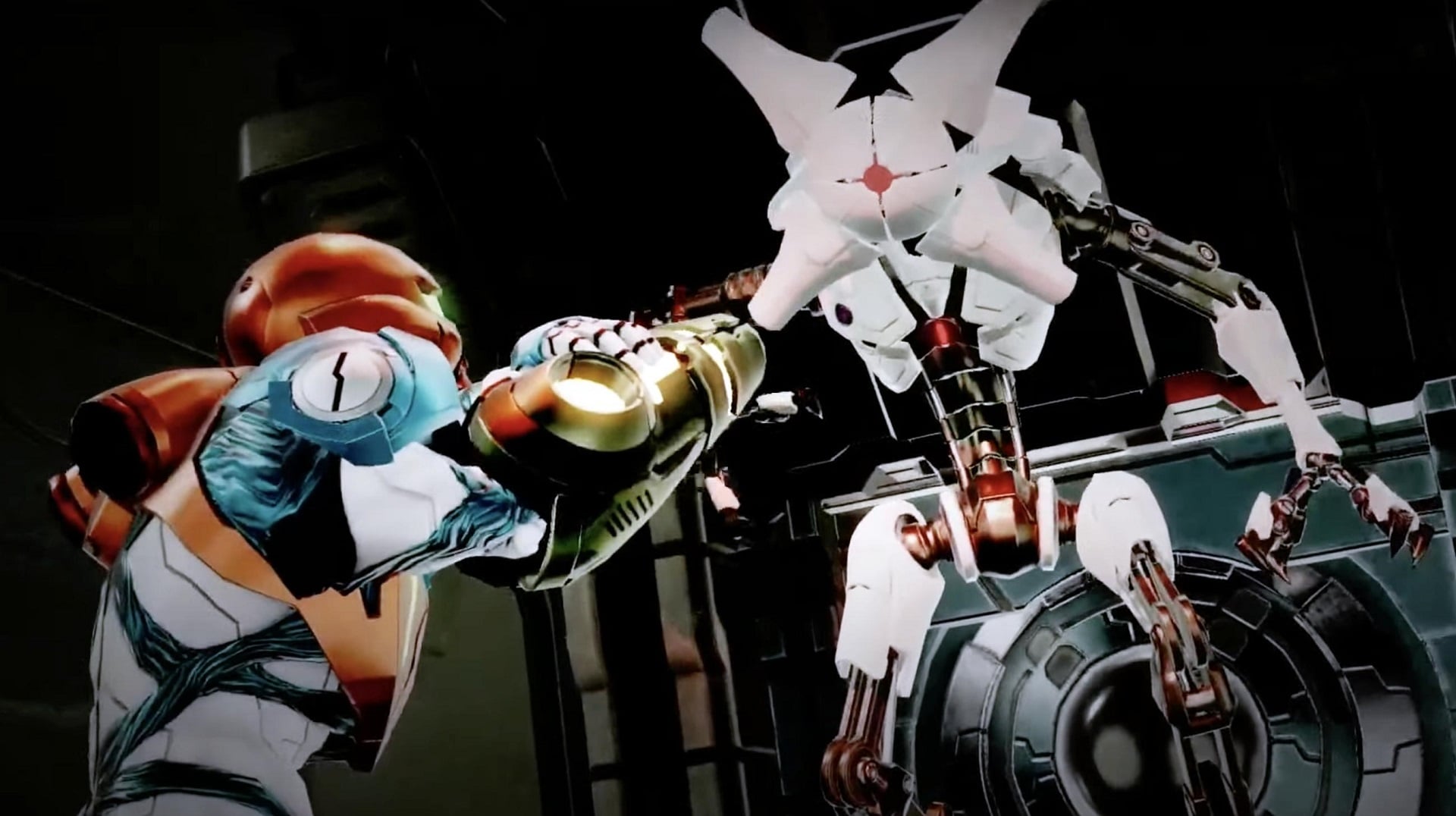
MercurySteam’s name immediately grabs attention because of its work on Metroid Dread, the 2021 Nintendo Switch release developed in collaboration with Nintendo EPD. For many Nintendo fans, Metroid Dread was not just another sequel. It was the long-awaited return of a 2D Metroid story thread that had been hanging in the air for years, like a locked door in a Chozo ruin waiting for the right upgrade. MercurySteam helped deliver sharp movement, tense E.M.M.I. encounters, slick combat, and a version of Samus that felt both familiar and freshly dangerous. That reputation makes the layoffs feel especially jarring. When a studio connected to such a respected release cuts staff, it reminds players that creative success and job security do not always walk hand in hand.
What MercurySteam said about the affected developers
In its public message, MercurySteam expressed respect, gratitude, and support for the people affected by the workforce adjustment. The studio acknowledged that the talent, effort, and commitment of those workers had been an important part of its history. That kind of language is expected in a layoff announcement, but it still points to something important: the people leaving were not side notes. They contributed to the studio’s identity, its projects, and its reputation. Game development is often described through logos, franchises, release dates, and review scores, but the actual work comes from artists, programmers, designers, animators, producers, audio teams, QA staff, narrative specialists, and many others. When those people leave, the studio changes too.
The studio is trying to help former staff find new roles
MercurySteam also said it will do everything it can to help the affected workers find opportunities elsewhere. The studio invited other companies looking for experienced developers to make contact through a dedicated email address, [email protected]. That is a meaningful detail because it turns the announcement into more than a closed-door corporate update. It creates a bridge between affected staff and studios that may be hiring. Of course, that does not erase the stress of losing a job. Finding new work in games can feel like trying to land a perfect parry with the screen shaking and the boss entering phase two. But a public signal like this can help affected developers become visible to teams that need skilled people.
The wider industry backdrop behind another round of layoffs
The MercurySteam layoffs arrive during a period when job cuts have become one of the most exhausting recurring stories in gaming. Studios, publishers, platform holders, and support teams across the business have all faced reductions in recent years, often after pandemic-era growth, rising production costs, shifting platform strategies, and changing market expectations. Players usually see the finished game on a store page or in a trailer, but the business machinery behind it can be far less glamorous. A project can be well-liked and still sit inside a company facing budget pressure. A studio can have a beloved name and still make painful cuts. That disconnect is part of what makes these stories sting so much.
Why production cycles can still hurt real people
MercurySteam referred to workforce changes as something common within industry production cycles, and there is truth in that idea. Game development often moves through phases: concept, prototyping, full production, polish, launch, support, and then whatever comes next. Staffing needs can shift dramatically between those stages. A team may need more artists during asset production, more QA near launch, or more engineers during systems development. The problem is that what sounds tidy on a planning chart can be deeply destabilizing in real life. A cycle is not just a cycle when you are the person packing up your work, messaging colleagues, and wondering where your next paycheck will come from.
Blades of Fire and the pressure around new projects
MercurySteam’s most recent major project outside Nintendo’s orbit is Blades of Fire, an action-adventure game published by 505 Games. The game launched first in 2025 for PlayStation 5, Xbox Series X|S, and PC through the Epic Games Store, with a Steam release listed for May 14, 2026. While MercurySteam has not publicly tied the workforce adjustment to one specific project, the timing naturally leads many observers to look at the studio’s recent production slate. New intellectual properties carry serious risk. They demand marketing, player trust, strong timing, and a clear identity in a crowded market. Even when a game has strong ideas, getting noticed can feel like shouting across a convention hall during a trailer montage.
What this means for fans watching MercurySteam’s next move
For fans, the immediate question is what this means for MercurySteam’s future. The most responsible answer is also the least flashy: the studio has not announced exact consequences for any future project. There is no confirmed public link between these layoffs and any specific upcoming Nintendo collaboration, Metroid project, or new internal game. That distinction matters because speculation can spread faster than a speed booster run, and affected workers deserve better than rumor storms built on guesswork. What can be said is that staff reductions may influence a studio’s capacity, priorities, and production planning. How much they influence MercurySteam’s next steps depends on details the studio has not yet shared.
The key detail MercurySteam has not shared yet
The biggest missing detail is the number of people affected. MercurySteam has confirmed the workforce adjustment, but it has not publicly disclosed how many employees are leaving or which departments are impacted. That leaves the scale of the situation unclear. A small reduction and a large restructuring can both be painful, but they mean different things for the studio’s day-to-day work and future output. Without confirmed numbers, it is better to avoid turning uncertainty into drama. What matters most right now is that people have been affected, and those people may be looking for work at a time when competition for game development roles remains intense.
Why developer credits, trust, and studio culture matter
Whenever a respected game studio goes through layoffs, the conversation often expands beyond the immediate announcement. Players start thinking about how studios treat workers, how credits are handled, how teams are supported between projects, and how much of the industry still relies on unstable employment patterns. MercurySteam has previously been part of public discussion around developer crediting on Metroid Dread, which makes any new workforce news land in a sensitive space. Credits are more than a list that scrolls after the final boss. They are proof of contribution, a career record, and a small but meaningful way to say, yes, this person helped build the thing you loved.
A human story behind a familiar industry headline
It is easy for layoff news to blur together after seeing so many similar announcements. Another studio, another statement, another group of talented people suddenly looking for work. But that familiarity is exactly why the human side needs to stay in focus. The affected MercurySteam developers are not statistics floating through a business update. They are people who helped shape games, tools, pipelines, characters, levels, combat systems, effects, menus, and countless tiny details players may never consciously notice. A good game is built from thousands of invisible decisions. When the people behind those decisions lose their roles, the loss is felt far beyond one office.
What should happen next for MercurySteam and its former staff
The best immediate outcome is that affected developers find stable new roles quickly, whether inside Spain’s game development scene, elsewhere in Europe, or through remote opportunities with international teams. MercurySteam’s public invitation to hiring studios is a practical step, but the wider industry has a part to play too. Recruiters, studio heads, and project leads who need experienced talent should treat this moment as a chance to move quickly and respectfully. For MercurySteam, clear communication will also matter. Fans do not need every internal detail, but transparency about the studio’s direction can help avoid confusion. More importantly, respectful support for departing staff can shape how people remember this moment.
Conclusion
MercurySteam’s layoffs are another painful reminder that the people behind memorable games can face instability even after contributing to beloved releases like Metroid Dread. The studio has confirmed a workforce adjustment, expressed gratitude toward those affected, and opened a path for other companies to contact experienced developers who may now be seeking new roles. What remains unclear is the scale of the cuts and how they may affect MercurySteam’s future projects. Until more is confirmed, the focus should stay where it belongs: on the workers affected, the value of their contributions, and the hope that their skills lead them quickly to new opportunities. Games may be built in cycles, but careers are lived one day at a time.
FAQs
- What happened at MercurySteam?
- MercurySteam confirmed that it has begun a workforce adjustment process, meaning some employees are being laid off. The studio described the situation as difficult and painful and said it wants to support the affected workers.
- How many MercurySteam employees were affected?
- MercurySteam has not publicly shared the number of affected employees. Because the studio has not confirmed a figure, the scale of the layoffs remains unclear.
- Why is MercurySteam important to Nintendo fans?
- MercurySteam is well known among Nintendo fans for working with Nintendo EPD on Metroid Dread for Nintendo Switch, as well as Metroid: Samus Returns for Nintendo 3DS.
- Is this connected to a new Metroid game?
- No confirmed connection has been announced. MercurySteam has not publicly linked the layoffs to any specific future Metroid project, Nintendo collaboration, or unannounced game.
- How is MercurySteam helping affected developers?
- MercurySteam has invited studios and companies looking for experienced developers to contact [email protected], saying it will do everything it can to help affected workers find new opportunities.
Sources
- “A Difficult And Painful Situation” – Metroid Dread Developer MercurySteam Suffers Layoffs, Nintendo Life, May 12, 2026
- Metroid Dread developer MercurySteam faces layoffs, Nintendo Wire, May 12, 2026
- Metroid Dread developer MercurySteam announces layoffs, Shacknews, May 12, 2026
- MercurySteam, creadores de Metroid Dread y Blades of Fire, comunica un ajuste de plantilla: “Una situación difícil y dolorosa”, MeriStation, May 12, 2026
- MercurySteam, MercurySteam, 2026
- Blades of Fire, MercurySteam and 505 Games, 2026
- Blades of Fire on Steam, Steam, May 14, 2026
- Metroid Dread, Spain Audiovisual Hub, 2021