












Summary:
Shigeru Miyamoto, recently honored with Japan’s Order of Culture, reflected on generative AI during a press conference and argued that while AI will take over repetitive or technical tasks, it also creates space to focus on the real heart of creation: human intent, vision and decision-making. He compared today’s AI shift to past leaps in technology that moved designers away from manual craft toward emphasizing original layout and style. Miyamoto warned that confusing enjoyable labor with true creative achievement can be dangerous, and said that even if AI eventually handles many tasks, people will still have an essential role to play. His view echoes other industry voices who urge caution while recognising AIâs potential, and it matters for players, creators and Nintendo fans as the industry adapts.
Miyamoto’s big-picture takeaway from his Order of Culture press conference
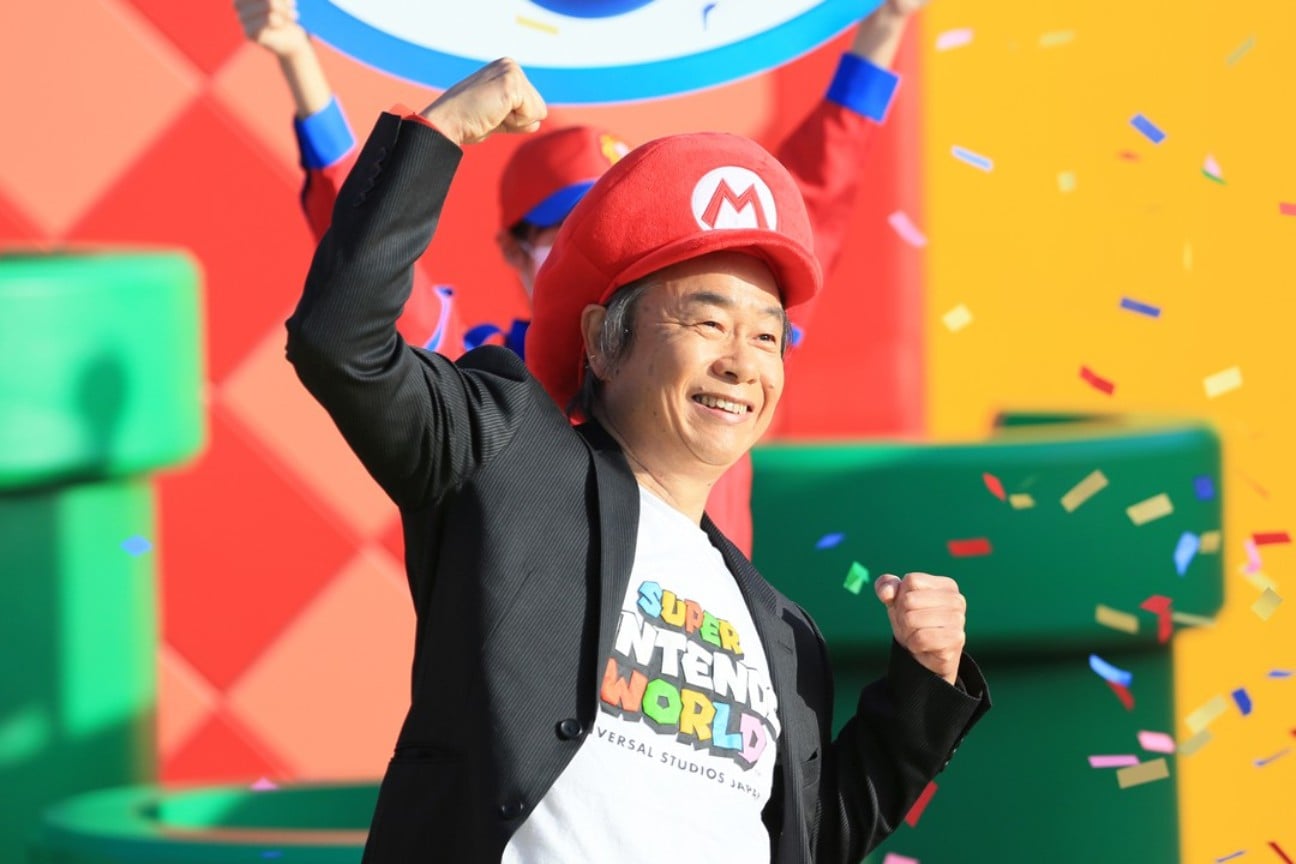
At a press conference held after his selection for Japanâs Order of Culture, Miyamoto framed generative AI as another step in a long line of technological changes that alter how we work and what skills matter. Rather than seeing AI as an existential threat, he argued it exposes the difference between the creative idea and the hands-on labor that brings that idea to life. That distinction matters because it flips how we judge value: when machines do the repetitive polishing, the unique vision and intent behind a work become the real test of quality. For Nintendo fans this is reassuring: the studios and creators who shape franchises like Mario and Zelda wonât be replaced by shortcuts. Instead, they may be freed to refine the core concepts that make those games memorable. Miyamotoâs remarks invite developers and fans to focus more on originality, intentional design and the human choices that give a game its personality.
Why Miyamoto compares AI to earlier tech shifts
Miyamoto used a simple analogy: earlier generations moved from typewriters and hand-lettered posters to word processors and digital tools, which changed what counted as talent in design. In those earlier shifts, basic technical skill became less important as a differentiator; what rose to the surface was an individualâs sense of composition, style and intent. He believes generative AI is following a similar path. When routine tasks are automated, the ability to define the structure, to choose what matters and to inject a personal design intention becomes the primary skill. That perspective reframes AI as a filter: it removes some noise and forces creators to be clearer about their aims. For players used to seeing countless similar releases, that could mean higher-quality, more distinct games stand out more clearly, and derivative work fades faster. Itâs not that AI removes human work, it simply shifts where the important work happens.
Creating versus labor – the distinction Miyamoto emphasised
Miyamoto drew a careful line between two parts of making: establishing the creative framework and doing the labor of filling in details. The latter can be satisfying, and people often mistake sustained effort for meaningful creativity. Thatâs the trap he warned about: if AI handles the time-consuming tasks, creators might need to re-examine whether theyâre proud of the guiding vision or merely the hours spent polishing things. For developers, thatâs a challenge and an opportunity. The challenge is to resist equating busyness with value. The opportunity is to spend more of their energy on original mechanics, narrative choices and gameplay ideas that AI canât just copy from existing patterns. For fans, it means paying attention to who is steering a project, not just how polished the end result looks.
What Miyamoto’s view means for Nintendo and game teams
Inside Nintendo, Miyamotoâs stance signals a pragmatic approach: use technology where it helps, but keep human judgment in the driverâs seat. That doesnât change Nintendoâs commitment to quality or its fan-first sensibilities; it simply clarifies what matters most when tools change. Teams might adopt AI to speed up repetitive tasks, prototyping or asset generation while preserving final creative decisions for people. That model keeps the companyâs hallmark: decisions based on playtesting, iteration and a directorâs taste. For smaller studios and indie developers it also offers a path: AI can lower the barrier to entry, but strong creative intent will be the filter separating forgettable clones from memorable titles. If you follow Nintendo news on a dedicated destination like Nintendo News youâll likely spot how these choices show up in announcements and development updates.
How players and fans should read these remarks
Fans sometimes worry that new tech will erode the soul of their favourite franchises. Miyamotoâs comments suggest a different reading: AI may alter the tools, but the values that shape Nintendo games remain intact. That means being skeptical of shiny-looking releases that lack a clear creative intent and learning to appreciate the authorship behind standout titles. When a studio or director is named in an announcement, that authorship matters. Also, as releases multiply, curation and trusted outlets become more important; instead of scanning dozens of generic listings, trusting reviewers, editors and communities helps find games that reflect real creative choices. If youâre active in a Nintendo-focused community, being curious about who made a title and why will help you spot the gems from the glut.
How Miyamoto’s remarks echo other industry voices like Sakurai
Miyamoto isnât alone in urging caution while recognising AIâs potential. Other respected creators, including Masahiro Sakurai, have warned that AI could flood the market with derivative or low-quality releases while also saying that originality will become even more valuable. Those voices share a consistent thread: AI is likely to replicate the past but it cannot yet create the unforeseen vision that comes from a single creatorâs intent. That means directors and designers who focus on new ideas will gain importance. For readers who follow voices across the industry, this is a reminder to weigh both the technical gains AI offers and the creative risks it introduces. The net effect could be a market with more noise but a clearer premium for genuine originality.
What to watch next – signs AI is being used thoughtfully in games
If you want to spot thoughtful AI use, look for transparency and purpose. Are developers saying why they used AI, what tasks it handled and how human oversight shaped the outcome? Are AI-generated components complemented by clear artistic direction or unique gameplay systems? Those signals indicate a deliberate approach instead of relying on the tool to carry the project. Follow development updates, interviews and official developer posts to see whether teams treat AI as a helper or a shortcut. Also watch how major companies, including Nintendo, discuss intellectual-property safeguards and crediting practices. That debate will shape how AI tools are used, who gets credit and how projects are preserved for the long term. For steady coverage and context about Nintendoâs direction, see the NintendoReporters homepage at 100% Nintendo.
Why this matters to NintendoReporters readers
Our audience cares about Nintendo because its franchises are driven by small teams with strong creative vision. Miyamotoâs comments matter because they come from someone who shaped that culture. If AI changes the balance between labor and idea, Nintendo fans should pay attention: it affects what kinds of games get greenlit, how updates and DLC are produced and how classic series evolve. For collectors, competitive players and social fans alike, that means watching who leads projects and how the company chooses to integrate tools. As a dedicated Nintendo destination, NintendoReporters will keep tracking these conversations and spotlight any developments that directly affect Switch 2 projects, remakes, and franchise direction.
Conclusion
Miyamotoâs view is both cautious and constructive: AI will change how games are made, but it wonât replace the human spark that defines great titles. The key takeaway is simple – tools evolve, but the choices, intent and taste of creators still decide whether something lasts. For Nintendo fans, thatâs comforting. Keep an eye on developer statements, look for transparency about AI use, and value the creative leaders who shape the next wave of Nintendo releases.
FAQs
- Did Miyamoto say AI will replace game developers?
- No. He argued AI will handle certain tasks but that human intent and creative decisions will remain essential.
- How did Miyamoto compare AI to past technology?
- He compared AI to the shift from manual lettering and typewriters to word processors, where tools changed which skills mattered most.
- Should players worry about a flood of low-quality AI games?
- Creators like Miyamoto and Sakurai warn itâs possible, but they also argue originality will stand out and remain valuable.
- Will Nintendo start using AI in its games soon?
- Nintendo hasnât detailed any concrete adoption plans publicly; company leaders have acknowledged AIâs potential while highlighting IP and quality concerns.
- Where can I read more about Nintendo and developer responses to AI?
- Follow dedicated coverage on NintendoReporters and sections like Nintendo Editorials for updates and analysis.
Sources
- Shigeru Miyamoto explains why AI won’t make human creativity obsolete, Video Games Chronicle, October 23, 2026
- 任天堂・宮本茂氏の文化勲章受章が決定。『マリオ』『ゼルダ』『ピクミン』の生みの親, Famitsu, October 23, 2026
- Shigeru Miyamoto on AI: ‘The More Tasks It Handles, the More We Reflect on What Creating Truly Means’, Inven Global, October 24, 2026
- Masahiro Sakurai says as AI games dominate Steam, developers who are truly creative will become even more important, Video Games Chronicle, October 22, 2026