












Summary:
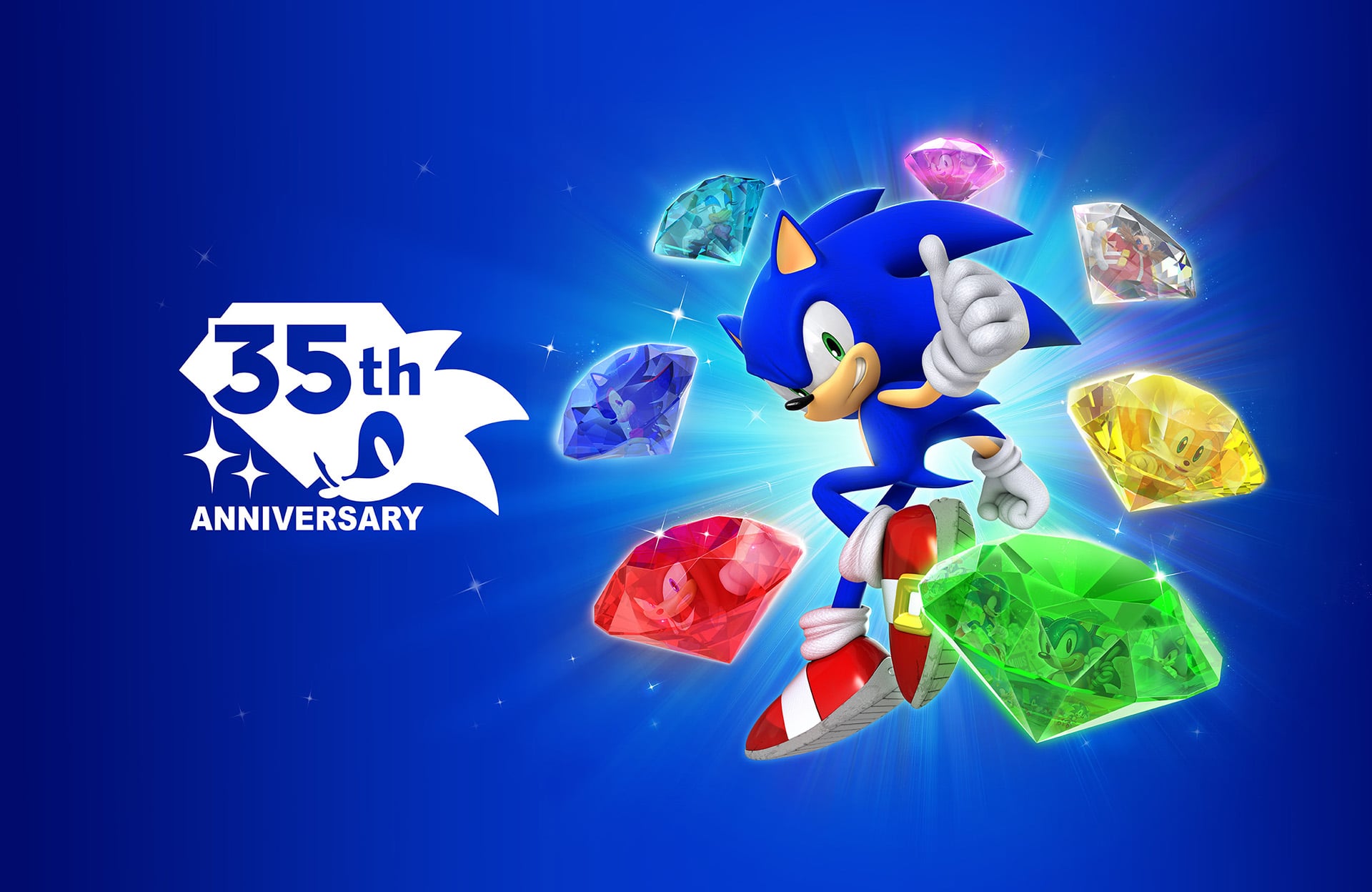
Naoto Ohshima, the original designer of Sonic the Hedgehog, has given fans a fresh look behind the curtain by sharing draft artwork created for SEGA’s Sonic 35th anniversary wallpaper. The artwork shows Sonic in several classic poses, each one bursting with the confident energy, cartoon attitude, and sharp visual identity that helped make the character famous in the first place. For longtime fans, the appeal is not just that Sonic looks cool, although he absolutely does. It is that Ohshima’s work carries a direct connection to the earliest days of the franchise, when Sonic was still becoming the fast, fearless, mischievous mascot who would change SEGA’s identity forever.
The timing also makes this reveal feel especially exciting. Sonic is heading into another major anniversary moment, and the shared draft gives fans something charming to talk about while they wait for more updates. Summer Game Fest 2026 begins on June 5, 2026, and while no specific Sonic announcement should be treated as guaranteed, the event naturally has fans watching closely for fresh news from SEGA and the wider gaming world. Ohshima’s artwork works beautifully as a reminder that Sonic’s appeal has never been built on speed alone. It is also built on silhouette, expression, movement, and a kind of restless confidence that still pops off the screen more than three decades later.
Naoto Ohshima reveals a nostalgic Sonic 35th anniversary draft
Naoto Ohshima has shared a draft illustration created for SEGA’s Sonic 35th anniversary wallpaper, and it immediately hits the sweet spot between history lesson and fan-service treat. The image features Sonic in a range of classic poses, giving fans a look at the early visual thinking behind the anniversary artwork. It is not just a polished mascot standing neatly for a birthday photo. It feels more like a sketchbook moment where Sonic is allowed to stretch, pose, grin, and show off the attitude that made him such a sharp contrast to other game heroes when he first arrived. That makes the reveal feel warmer than a standard anniversary asset, because it shows the creative fingerprints behind the final celebration.
Why Ohshima’s Sonic artwork still feels special
Ohshima’s name carries serious weight in Sonic history because he helped define the character’s original look, personality, and visual appeal. When the person connected to Sonic’s earliest design shares new artwork, fans naturally pay attention. There is a different kind of excitement when anniversary art comes from someone who helped shape the character’s DNA. Sonic is not just blue, fast, and spiky because those traits look neat on a poster. His design was built to communicate movement, attitude, simplicity, and confidence at a glance. That is why Ohshima’s new draft feels like more than a fun extra. It feels like a familiar voice returning to a song that fans still know by heart.
The draft highlights Sonic’s classic personality
The most charming part of the draft is how much personality is packed into Sonic’s body language. Sonic has always been one of those characters who can say plenty before he even opens his mouth. A tilted head, a raised finger, a cocky stance, or a mid-motion pose can instantly tell you what kind of hero he is. He is brave, impatient, playful, and just a little smug, in the best possible way. Ohshima’s draft leans into that expressive strength by showing Sonic in several poses rather than locking him into one safe anniversary image. The result feels lively, like a flipbook of the character’s best instincts.
Sonic Rewind connects old-school energy with modern celebration
The anniversary artwork has been tied to Sonic Rewind, a celebration that naturally invites fans to look back at the franchise’s roots while still keeping one eye on what comes next. That balance matters because Sonic nostalgia works best when it does not feel frozen in a museum case. Sonic is a character built around momentum, so even his throwback moments need a sense of motion. The draft captures that beautifully. It remembers the old-school shapes, expressions, and flair without making Sonic feel dusty or distant. Instead, it feels like the blue blur is sprinting through his own history, grabbing pieces of the past and carrying them into 2026 with a grin.
The Sonic CD-style pose gives longtime fans a wink
One detail fans have noticed is that the draft appears to include a pose that calls back to the opening animation of Sonic CD, a game Ohshima directed in 1993. That kind of visual nod is exactly the sort of thing that makes Sonic fans lean closer to the screen and start connecting dots. It does not need to be loud or overexplained. A pose can be enough. For players who grew up with Sonic CD’s animated intro, that reference carries a rush of memory: bright colors, bold motion, and Sonic looking impossibly cool while racing through danger like gravity had simply given up trying to stop him.
Why small references can carry big emotional weight
Anniversary celebrations often work best when they reward fans without shutting out newcomers. A subtle Sonic CD-inspired pose does exactly that. Newer fans can simply enjoy the artwork because it looks energetic and expressive, while longtime players get the added joy of recognizing a familiar visual echo. That is the fun of Sonic’s history. It is layered like a speedy scrapbook, with games, cartoons, music, rivalries, and visual motifs all overlapping across decades. A small reference can feel surprisingly powerful because it tells fans that the past has not been forgotten. It is still part of the road Sonic is running on.
Why draft artwork can feel more personal than finished art
Finished artwork is polished, clean, and ready for public use, but draft artwork often has a special spark because it shows the thinking before everything is locked down. In Ohshima’s Sonic draft, fans are not only looking at Sonic. They are looking at choices. Which pose feels most iconic? Which expression captures the right mood? How much classic charm should be preserved? How much movement should be pushed? That makes the image feel almost conversational, like the artwork is letting fans peek over the artist’s shoulder for a moment. There is something wonderfully human about seeing the rougher stage of a character who has become so polished and globally recognized.
Sketch energy suits Sonic better than almost anyone
Sonic’s personality fits draft artwork especially well because he has never felt like a character who should stand still for too long. Clean official renders are useful, but sketches and drafts often capture his bounce, mischief, and speed in a way that feels more immediate. You can almost imagine the pencil trying to keep up with him. That is part of why this reveal has caught attention. It is not only about what Sonic looks like, but how he moves across the page. The draft has that loose, animated energy that makes Sonic feel less like a mascot and more like a living burst of blue attitude.
SEGA’s anniversary timing gives Sonic fans plenty to watch
Sonic’s 35th anniversary gives SEGA a strong platform for celebration, and Ohshima’s artwork adds a tasteful historical touch to that wider moment. Anniversary years can be tricky because fans naturally expect something meaningful. They want celebration, but they also want care. They want nostalgia, but not empty nostalgia. Ohshima’s draft lands well because it feels connected to the character’s origin while still being part of a current anniversary push. It reminds fans that Sonic’s brand has always been visual, musical, fast, and emotional all at once. When those pieces click together, even a single illustration can set off plenty of excitement.
Summer Game Fest 2026 could bring more Sonic attention
Summer Game Fest 2026 begins on June 5, 2026, and that timing naturally has gaming fans watching for major announcements, updates, trailers, and surprises. It is important to keep expectations grounded, because a Sonic reveal has not been confirmed for the showcase. Still, SEGA’s anniversary activity gives fans a fair reason to keep Sonic in the conversation. Big events often become gathering points for speculation, and Sonic’s 35th anniversary makes that speculation louder than usual. Whether SEGA uses that window for game news, celebration updates, merchandise, collaborations, or something else entirely, fans will likely be scanning every showcase moment like Tails checking a radar screen.
Why expectation management matters for Sonic fans
Sonic fans know the thrill of a good reveal, but they also know the danger of letting rumors sprint faster than facts. That is why Ohshima’s artwork is such a pleasant kind of anniversary news. It is real, charming, and directly connected to Sonic history. There is no need to inflate it into something it is not. At the same time, it fits neatly into a larger season of anticipation. Fans can enjoy the artwork for what it is while still keeping an eye on June’s gaming events. That is the healthiest kind of hype: excited, curious, and not ready to throw a ring monitor through the window if one prediction misses.
Sonic’s 35-year legacy still moves at full speed
Sonic has lasted for 35 years because his design is simple enough to recognize instantly and flexible enough to survive constant reinvention. He has been a 2D platforming icon, a 3D adventurer, a racing star, a cartoon lead, a movie hero, and a merchandising powerhouse. Through all of that, the core appeal remains strangely durable. Sonic still looks like motion turned into a character. His spikes point backward like he is already cutting through the air. His shoes feel built for impossible speed. His grin tells you he knows exactly how cool he looks. Ohshima’s draft works because it reconnects fans with that original clarity.
Why fan excitement around classic Sonic remains so strong
Classic Sonic continues to resonate because he represents a clean, instantly readable version of the character. The rounder proportions, bolder shapes, and expressive poses carry a toy-like charm without losing attitude. For many fans, Classic Sonic is tied to memories of side-scrolling stages, bright zones, catchy music, and that wonderful panic of hearing the drowning countdown underwater. For others, he is simply a great design that still works even without nostalgia. Ohshima’s anniversary draft taps into both groups. It gives longtime fans a familiar spark while reminding newer fans why this little blue hedgehog became such a big deal in the first place.
The artwork shows how much Sonic relies on silhouette
One reason Sonic remains so recognizable is his silhouette. Even without color, you can usually spot him from the spikes, shoes, gloves, and compact shape. That is powerful character design. Ohshima’s draft reinforces that strength by showing Sonic in varied poses while keeping his identity clear in each one. Whether he is standing confidently, moving dynamically, or striking a familiar attitude, the character remains unmistakable. That kind of design discipline is easy to overlook because Sonic feels so familiar now. Yet the draft makes it easier to appreciate the structure underneath the charm. Sonic is expressive, but he is also carefully built.
Classic design choices still do a lot of work
Sonic’s white gloves, red shoes, blue body, and expressive face are not random decoration. They help separate his hands, feet, movement, and emotions clearly, even when he is drawn in fast or exaggerated poses. That matters for a character associated with speed. If the audience cannot read him quickly, the design fails. Ohshima’s anniversary draft shows how those choices still function beautifully after all these years. Sonic can twist, point, pose, and move without losing readability. Like a great logo with sneakers, he stays clear even when the energy around him gets loud.
What this artwork says about Sonic’s lasting design
Ohshima’s draft is a reminder that Sonic’s appeal was never only about technology, speed, or competition. Those things helped, of course, but the character endured because his design communicates a feeling. Sonic feels like confidence before a race starts. He feels like the split second before a jump. He feels like a grin after dodging trouble by an inch. That emotional clarity is hard to manufacture, and it is even harder to preserve across 35 years. The anniversary artwork succeeds because it does not overcomplicate him. It lets Sonic be Sonic: bold, expressive, playful, and impossible to mistake for anyone else.
The bigger picture for Sonic in 2026
In 2026, Sonic sits in a fascinating place. The franchise has decades of game history behind it, a wider multimedia presence around it, and a fanbase that spans generations. That means every anniversary gesture carries multiple meanings. For older fans, Ohshima’s draft can feel like a handshake from the past. For younger fans, it can be a stylish introduction to the creative roots of the character. For SEGA, it is a reminder that Sonic’s legacy remains one of its most valuable cultural assets. The blue blur has taken plenty of turns over the years, but moments like this show why people are still happy to chase after him.
Why this reveal feels bigger than a simple sketch
On paper, this is a draft illustration for an anniversary wallpaper. In practice, it feels more meaningful because of who made it, what it celebrates, and how strongly Sonic’s visual history still matters. Fans are not just reacting to a drawing. They are reacting to a direct connection between Sonic’s origin and his present-day anniversary. That connection is rare, and it gives the reveal a soft emotional glow. It is a bit like finding an old concept sketch tucked inside a new collector’s box. The object may be small, but the memories attached to it can be huge.
Sonic’s anniversary year has the right kind of momentum
Ohshima’s shared draft gives Sonic’s 35th anniversary a warm, artist-led moment that feels sincere rather than manufactured. It celebrates the character through movement, expression, and history, which is exactly how Sonic should be celebrated. The reveal also arrives during a period when fans are already alert for more SEGA news, especially with Summer Game Fest 2026 on the horizon. Nothing about this artwork needs to promise more than it does. It can simply be appreciated as a stylish, nostalgic, and meaningful piece of Sonic history. Sometimes that is enough. Sometimes a blue hedgehog striking the right pose can make the whole fanbase smile like they just grabbed a Chaos Emerald.
Conclusion
Naoto Ohshima’s Sonic 35th anniversary draft is a small but meaningful celebration of a character whose design still feels electric after more than three decades. By showing Sonic in several classic poses, the artwork captures the movement, confidence, and playful attitude that made him unforgettable in the first place. It also gives fans a lovely reminder that Sonic’s legacy is not only built on games, speed, and spectacle, but also on strong visual craft. With the anniversary year gaining momentum and Summer Game Fest 2026 beginning on June 5, fans have plenty to watch, but this reveal already gives them something genuine to enjoy.
FAQs
- Who is Naoto Ohshima?
- Naoto Ohshima is the original designer of Sonic the Hedgehog and one of the key creative figures behind the character’s early identity. His work helped shape Sonic’s look, attitude, and visual personality, which is why fans pay close attention whenever he shares new Sonic artwork.
- What did Naoto Ohshima reveal for Sonic’s 35th anniversary?
- Ohshima revealed draft artwork created for SEGA’s Sonic 35th anniversary wallpaper. The illustration shows Sonic in multiple classic poses, giving fans a look at the early creative direction behind the anniversary artwork.
- Why are fans excited about the Sonic 35th anniversary draft?
- Fans are excited because the draft comes from Sonic’s original designer and captures the character’s classic energy. It also offers a rare behind-the-scenes look at how anniversary artwork can evolve before the finished version is shared publicly.
- Does the artwork include a Sonic CD reference?
- The draft appears to include a pose that recalls the opening animation of Sonic CD, which Ohshima directed in 1993. That kind of reference gives longtime fans an extra nostalgic detail to enjoy.
- Will Sonic news appear at Summer Game Fest 2026?
- No specific Sonic announcement has been confirmed for Summer Game Fest 2026. However, because the event begins on June 5, 2026 and Sonic’s anniversary activity is already underway, fans are naturally watching closely for possible SEGA updates.
Sources
- Naoto Ohshima Shares Draft Illustrations of 35th Anniversary Sonic the Hedgehog Artwork, Sonic Stadium, May 8, 2026
- Original Sonic designer shows off his design for Sonic’s 35th anniversary, My Nintendo News, May 7, 2026
- Summer Game Fest 2026: Times, Dates, Events & How To Watch, Nintendo Life, May 6, 2026
- Summer Game Fest 2026, Summer Game Fest, 2026