














Summary:
A 27-year-old man has been arrested in Japan after allegedly sending threatening letters to Nintendo, including claims that explosives had been placed at the company’s headquarters. Kyoto police arrested the suspect on May 12, 2026, after Nintendo had already reported the matter to authorities on March 16. Investigators reportedly searched for anything suspicious but did not find explosives. The suspect has reportedly admitted to the allegations, while police continue to look into his motive. For Nintendo fans, the case feels unsettling because it targets one of the most recognizable names in gaming, a company often associated with family-friendly entertainment, playful worlds, and a long creative history in Kyoto. Yet the story also fits into a wider pattern of safety concerns around Nintendo in Japan. In late 2023, Nintendo cancelled Nintendo Live 2024 Tokyo and postponed events including the Splatoon Koshien National Finals after persistent threats expanded beyond employees to spectators and event staff. That earlier incident showed how quickly threats can move from private concern to public disruption. This new case is different in its details, but it carries the same uncomfortable reminder: even beloved entertainment companies are not immune to real-world security risks. Nintendo’s decision to involve police early appears to have been the right move, especially when worker safety, public trust, and everyday business operations are all on the line.
Nintendo headquarters threat case leads to an arrest in Japan
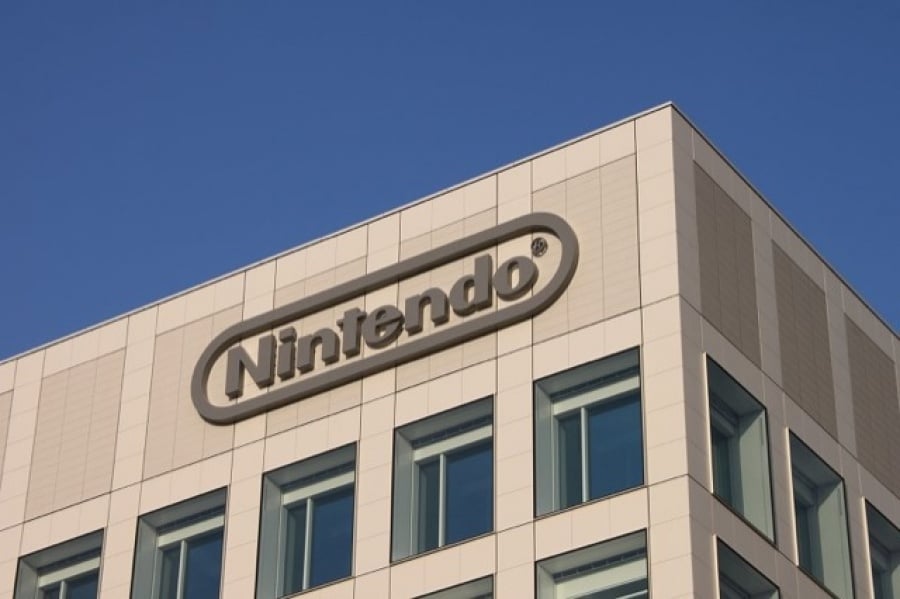
A 27-year-old man has been arrested in Japan after allegedly sending threatening letters to Nintendo, including claims that explosives had been placed at the company’s headquarters. The arrest reportedly took place on May 12, 2026, with Kyoto police handling the case. For a company best known for Mario, Zelda, Pokémon partnerships, Splatoon, and family-friendly entertainment, the situation feels especially grim. Nintendo’s worlds are usually built around color, charm, music, and play, so seeing the company tied to a police investigation involving threats creates a sharp contrast. It is the kind of story that makes fans pause, not because a game was delayed or a showcase was missed, but because real people work behind those famous logos, offices, and franchises.
What police say happened before the arrest
According to reports, Nintendo contacted police on March 16 after receiving threatening letters. The messages allegedly included claims that multiple bombs had already been planted at Nintendo’s headquarters, along with direct threats aimed at the company. Police reportedly investigated the premises but did not find anything suspicious. That detail matters because it gives the case a clearer timeline: Nintendo did not simply react after the arrest, but brought the matter to law enforcement weeks earlier. When a company receives threats like this, the safest approach is to treat them seriously from the start. Nobody wants to be the person who shrugs off a warning only to regret it later. That is not being dramatic. That is basic responsibility.
Nintendo reported the letters before anything was found
Nintendo’s decision to report the letters to police on March 16 shows how seriously the company treated the situation. Even when no suspicious objects were found, the alleged claims in the letters were severe enough to require formal investigation. That is the difficult part with threats against workplaces: the absence of immediate evidence does not automatically make the situation harmless. Offices still need to protect staff, visitors, delivery workers, contractors, and anyone else who may be nearby. In Nintendo’s case, its Kyoto headquarters is not just another corporate building to fans. It is a symbol of decades of creative work. Still, behind the symbol are ordinary people doing their jobs, and their safety has to come first.
The suspect has reportedly admitted to the allegations
Reports indicate that the arrested man has admitted to the allegations, although police are still investigating his motive. That leaves one important question unanswered: why did he allegedly send the letters in the first place? Until investigators share more, it is better not to fill the gap with guesses. Gaming communities often love speculation, but this is not a trailer frame or a hidden logo in a Nintendo Direct. It is a criminal investigation. What can be said clearly is that the alleged threats were serious, Nintendo involved police, and the arrest followed an investigation that began after the company’s report in March. The motive may eventually add context, but it does not change the seriousness of the alleged actions.
Why this case has drawn attention from Nintendo fans
The case has drawn attention because Nintendo occupies an unusual space in popular culture. It is a major global business, but it also feels personal to millions of players. People grew up with Game Boy screens glowing under blankets, DS systems tucked into backpacks, Wii Sports living rooms, and Switch adventures shared with family. That emotional connection can make any troubling news around Nintendo feel strangely close, even when the incident happens far away. Fans are not just reading about a company. They are reading about a name tied to childhood memories, friendships, late-night boss fights, and the kind of cheerful escapism that usually feels safe. That is why this situation lands with a heavier thud than a typical corporate security headline.
Nintendo’s public image makes the case feel especially jarring
Nintendo has spent decades building a public image around playfulness, accessibility, and carefully managed charm. The company can be famously quiet, stubborn, and protective, but its biggest characters are still associated with joy rather than danger. Mario jumps. Kirby floats. Link explores. Isabelle smiles as if she has never seen a bad email in her life. Against that backdrop, threats against Nintendo’s headquarters feel deeply out of place. The contrast is almost like hearing a fire alarm in a toy shop. It does not fit the atmosphere, but that makes it impossible to ignore. The arrest also reminds fans that the people creating and supporting these games work in the real world, not inside the bubble of the Mushroom Kingdom.
The Kyoto connection adds another layer to the story
Nintendo’s roots in Kyoto make the location especially meaningful. The company is not just headquartered there as a matter of paperwork. Kyoto is part of Nintendo’s identity, from its origins as a playing card company to its growth into one of the most influential entertainment businesses in the world. That history gives the headquarters a certain weight in the minds of fans. It is not a theme park castle, but it still carries a kind of quiet mythology. When a threat is aimed at that place, the story naturally travels beyond local police reporting and into global gaming conversation. Fans may never visit the building, but many understand what it represents.
How the case connects to past Nintendo safety concerns
This is not the first time Nintendo has had to deal with threats in Japan. In late 2023, the company cancelled Nintendo Live 2024 Tokyo and postponed several competitive events, including the Splatoon Koshien National Finals, after threats targeting employees reportedly spread to spectators and event staff. That earlier situation affected fans directly because it changed event plans and disrupted a public celebration of Nintendo games. The newly reported headquarters case is separate, but the broader theme feels familiar: Nintendo has had to prioritize safety over normal business, fan excitement, and public activity. That is the right call, even when it frustrates people who were looking forward to events or announcements.
Splatoon Koshien and Nintendo Live 2024 Tokyo remain important context
The Splatoon Koshien and Nintendo Live 2024 Tokyo situation still matters because it showed how threats can ripple outward. What began as a safety concern around Nintendo employees became serious enough to affect spectators, staff, competitors, and public events. Nintendo Live events are designed to bring people together around games, music, demos, tournaments, and shared excitement. When threats enter that environment, the tone changes completely. Suddenly, the conversation is no longer about stages, schedules, or who might win a Splatoon match. It becomes about whether the company can reasonably keep people safe. That is a heavy burden for any organizer, and Nintendo’s previous decision to cancel and postpone events showed how seriously it viewed that responsibility.
Event safety has become harder to separate from fan culture
Gaming fandom can be wonderful. It can be creative, funny, generous, and wildly passionate in the best possible way. It can also become messy when anger, entitlement, or online escalation spill into the real world. Most fans understand the obvious line: criticism is fine, threats are not. You can dislike a balance patch, a price, a release window, or a corporate decision without putting people in fear. That should be as basic as knowing not to throw a controller through the television, yet here we are. Nintendo’s past event cancellations and this newer headquarters case both show why companies cannot treat safety as an afterthought. The joy of fan culture only works when people feel safe enough to gather, work, and celebrate together.
Why Nintendo’s response shows caution rather than panic
Based on the reported timeline, Nintendo’s response appears measured. The company contacted police after receiving the letters, investigators looked into the claims, and an arrest followed later. That is caution, not panic. It is also how serious threats should be handled. Public companies have to balance many pressures during situations like this: protecting employees, avoiding unnecessary alarm, cooperating with law enforcement, and preventing misinformation from spreading. Nintendo is known for keeping tight control over public messaging, and in a case involving an active investigation, silence can be more responsible than constant updates. Fans naturally want answers, but safety cases rarely unfold like a neat press release. They move at the pace of evidence, interviews, and police procedure.
Reporting the matter early gave police room to investigate
By reporting the letters in March, Nintendo gave police time to investigate before the reported arrest in May. That time gap may sound long to readers, especially in a news cycle where everyone expects instant answers, but investigations do not always move at the speed of social media. Police may need to examine materials, verify claims, track sources, interview relevant people, and determine whether there is any immediate danger. The important point is that Nintendo did not wait for the situation to escalate publicly before involving authorities. That early step likely helped create a clearer chain of events. In security matters, timing can make the difference between confusion and control.
No suspicious items were reportedly found during the search
Investigators reportedly did not find anything suspicious at Nintendo’s headquarters after the company reported the threats. That is obviously a relief, but it does not make the alleged threats harmless. A false threat can still cause fear, disrupt work, waste emergency resources, and put pressure on employees who had nothing to do with the sender’s grievance. It can also force companies to review security, adjust internal procedures, and communicate carefully with staff. Think of it like a smoke alarm triggered by someone’s reckless behavior. Even when there is no fire, everyone still has to stop, check, and make sure the building is safe. That process carries real cost and stress.
What happens next in the investigation
The next step is the continued police investigation into the suspect’s motive and the full circumstances around the letters. Reports say the suspect has admitted to the allegations, but motive can still matter for investigators, prosecutors, and any future court proceedings. It may help explain whether the alleged threats were tied to personal grievance, online behavior, fixation on the company, or something else entirely. Until that information is confirmed, the most responsible reading is also the simplest: Nintendo received threatening letters, police investigated, no explosives were reportedly found, and a 27-year-old man was arrested in Japan. The rest should come from verified updates, not rumor mills wearing detective hats.
Why workplace safety matters even when the target is a famous company
It can be easy to talk about Nintendo as if it were only a brand, a logo, or a collection of beloved characters. But a company is also people: developers, artists, planners, translators, customer support teams, office staff, security personnel, cleaners, contractors, and countless others whose names rarely appear in credits or headlines. Threats against a headquarters are not abstract. They affect real workers who may simply be trying to get through an ordinary day. That is why cases like this should not be treated as bizarre entertainment gossip. The gaming world can still discuss the facts, but the human side should stay visible. Nobody should have to wonder whether going to work is safe because someone decided to turn anger into intimidation.
Fans can criticize companies without crossing dangerous lines
Nintendo is no stranger to criticism. Fans argue about pricing, hardware decisions, online services, game availability, legal action, remasters, localization, and almost every business choice under the sun. That comes with the territory when a company has such a long history and such a passionate audience. Healthy criticism can push conversations forward. It can highlight consumer concerns, preserve gaming history, and keep major companies accountable. Threats do none of that. They shut down conversation, create fear, and hurt the very communities that fans claim to care about. If criticism is a pressure valve, threats are a broken pipe. One can be useful when handled properly. The other just floods the room.
Nintendo’s earlier event cancellations show the wider impact
The cancellation of Nintendo Live 2024 Tokyo and postponement of events including Splatoon Koshien showed that threats can affect far more than the intended target. Competitors lose chances to play on stage. Fans lose travel plans. Staff lose months of preparation. Families lose a day they may have been looking forward to for ages. Public safety concerns do not stay neatly boxed inside a company’s internal world. They spill over into the wider community, especially when events involve crowds. That is why Nintendo’s history with threats is relevant to this newer headquarters case. Each incident reinforces the same lesson: once safety is uncertain, fun has to wait outside.
The bigger picture for Nintendo and the gaming industry
The gaming industry has become bigger, louder, and more visible than ever. That brings wonderful things: global communities, instant updates, creative fan projects, competitive scenes, and shared excitement around major releases. It also brings pressure. Developers and companies now face intense scrutiny from millions of people online, and the distance between frustration and harassment can become dangerously thin when bad actors decide the rules do not apply to them. Nintendo may be one of the most famous examples because of its cultural reach, but the issue is not limited to Nintendo. Studios, publishers, event organizers, voice actors, community managers, and journalists have all had to deal with threats or harassment in different forms. The industry needs passion, but it also needs boundaries.
Responsible reporting helps keep the facts clear
Stories involving threats require careful wording. It is important to explain what happened without turning the suspect into a spectacle or repeating alarming details more than needed. The facts are serious enough without extra drama. A man was arrested. The alleged letters contained threats. Nintendo had reported the matter to police. No suspicious items were reportedly found. Police are still investigating motive. That is the core. Staying close to confirmed information helps readers understand the situation without feeding confusion or rumor. It also respects the workers affected by the case. This is not a game trailer where every hidden detail needs a theory thread. It is a real investigation involving real safety concerns.
Public trust depends on calm and clear communication
When a major company faces a threat, public trust depends on how information is handled. Too little information can create anxiety, while too much unverified detail can cause confusion. Nintendo tends to communicate carefully, sometimes to the frustration of fans who want immediate clarity. In a safety matter, that caution makes sense. Police investigations can be sensitive, and companies may avoid saying anything that could interfere with the process. Fans, meanwhile, can help by avoiding rumor-chasing and sticking with reliable reports. Calm communication may not be flashy, but it is useful. In moments like this, the best update is not always the loudest one. It is the one that keeps people properly informed.
Conclusion
The arrest of a 27-year-old man in Japan over alleged threats against Nintendo’s headquarters is a serious reminder that even the most beloved names in entertainment face real-world safety risks. Nintendo reported the letters to police in March, investigators reportedly found no suspicious items, and the suspect was arrested on May 12 while police continued looking into his motive. The case also brings back memories of the threats that led Nintendo to cancel Nintendo Live 2024 Tokyo and postpone events including the Splatoon Koshien National Finals. For fans, the takeaway is simple but important: criticism and passion belong in gaming culture, intimidation does not. Nintendo’s games may invite us into colorful worlds, but the people who make and support those worlds deserve safety, respect, and a workplace free from fear.
FAQs
- Who was arrested in the Nintendo headquarters threat case?
- A 27-year-old man in Japan was arrested on May 12, 2026, after allegedly sending threatening letters to Nintendo.
- What did the alleged letters claim?
- The letters reportedly included threats against Nintendo and claims that explosives had been placed at the company’s headquarters.
- Did police find anything suspicious at Nintendo’s headquarters?
- Reports say police investigated after Nintendo contacted authorities, but no suspicious items were found.
- Has the suspect admitted to the allegations?
- Reports indicate that the suspect has admitted to the allegations, while police are still investigating his motive.
- How does this connect to Nintendo Live 2024 Tokyo?
- It is a separate case, but Nintendo has faced threats in Japan before. Nintendo Live 2024 Tokyo was cancelled and Splatoon Koshien events were affected after earlier threats raised safety concerns.
Sources
- Japanese man arrested after threatening to blow up Nintendo headquarters, Automaton Media, May 13, 2026
- Police Arrest Man Who Threatened To Blow Up Nintendo Headquarters, Kotaku, May 13, 2026
- Japanese Man Arrested For Threatening To Blow Up Nintendo HQ, NintendoSoup, May 13, 2026
- Nintendo cancels its Live 2024 Tokyo event after persistent threats to workers and customers, Associated Press, December 8, 2023
- Nintendo Japan cancels Nintendo Live 2024 and Splatoon event over safety fears, Video Games Chronicle, December 7, 2023