






Summary:
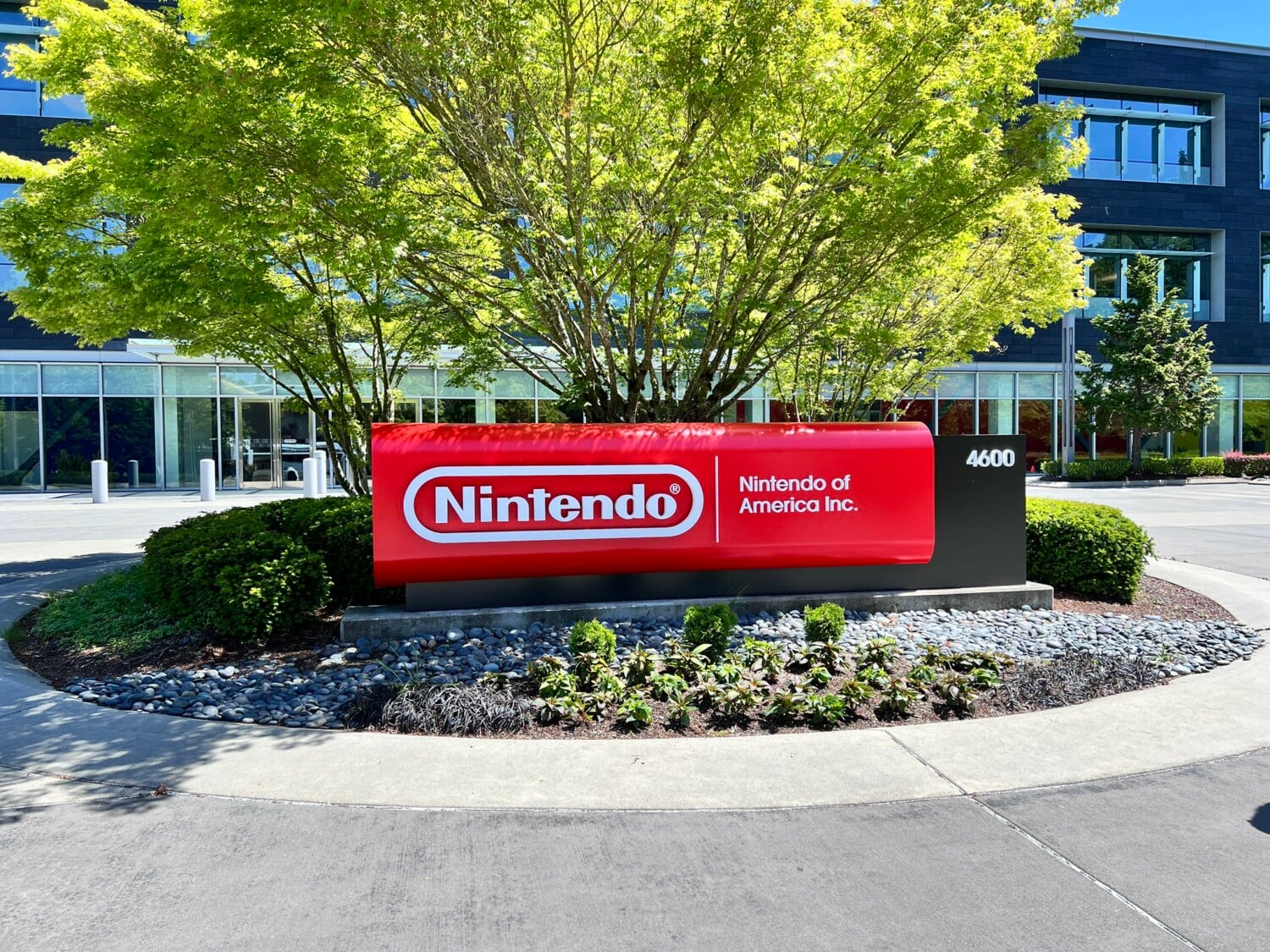
Nintendo of America has listed a 12-month contract for a Digital Archivist, Historical Systems, tasked with collecting, organizing, and preserving technical records, engineering documentation, source materials, and institutional knowledge tied to legacy hardware and software. That hire would build searchable repositories, establish consistent metadata, and interview long-tenured staff to capture institutional memory before it fades. For fans, preservation means clearer histories, better support for remasters and research, and a higher chance that engineering know-how stays discoverable inside the company. NintendoReporters will follow how this role develops and what it could mean for both internal workflows and the broader hobby of retro preservation, linking those practical steps to collector and developer interests.
What Nintendo’s Digital Archivist Role Means for Game Preservation
The listing signals a formal step toward preserving Nintendo’s internal history. A single contract archivist building metadata standards and a searchable repository can act like a map through decades of engineering notes, technical drawings, prototype builds, and developer recollections. For anyone passionate about Nintendo history, that matters because institutional knowledge often leaves a company when staff retire or move on. Gathering that information into a consistent structure makes it easier for engineers, researchers, and future teams to find the context around old hardware and software decisions. It also reduces the risk that important source materials or build histories simply become inaccessible. In short, an archivist turns scattered memory and files into usable, lasting records that future teams can actually reuse.
Key Responsibilities Listed by Nintendo
According to Nintendo’s role description, the archivist will design metadata schemas, taxonomies, and naming conventions for legacy systems while developing a knowledge repository that multiple departments can use. That includes structuring relationships between platforms, peripherals, software builds, technical specifications, and supporting documentation. The job specifically calls for interviewing long-tenured employees to translate informal knowledge into searchable documentation and validating historical claims against primary records. On a practical level this means the archivist will set rules for how files are named, which metadata fields are mandatory, and how documentation is cross-referenced so that a developer looking for a particular engineering spec or version history can actually find it without digging through unlabelled folders.
Why This Matters to Nintendo Fans and Retro Collectors
Fans and collectors often care about more than just playable ROMs and shiny cartridges; they appreciate the how and why behind designs, quirks, and regional differences. An organized archive makes it easier to trace the evolution of hardware and to understand decisions that shaped a game or accessory. That can inform preservation projects, fan research, and even official remasters that want to stay faithful to the original intent. For collectors, metadata and institutional records can confirm provenance and explain variant hardware revisions, while for historians it gives context to technical choices. When a company like Nintendo invests in that work, it helps ensure those stories survive alongside the physical items.
How the Archivist Will Work Across Teams and Repositories
The role is explicitly collaborative: the archivist will engage with engineering, product development, legal, and business teams to ensure records meet practical needs across the company. That collaboration means the repository will be useful beyond nostalgia; legal and engineering teams can reference archived technical documents during launches or when revisiting legacy features. The archivist will have to balance access controls and confidentiality with discoverability, designing permissions that let authorized teams reuse materials while protecting proprietary data. Practical tasks will include converting disparate file formats, linking design notes to binary builds, and establishing workflows so future employees know how to add new materials correctly.
Potential Outcomes – Internal Reference vs Public Access
Not every archive becomes public. Corporate repositories often start as internal tools for business continuity and product support. That likely means this archivist will prioritize internal discoverability and long-term retention strategies rather than immediate public-facing release of source code or prototypes. Still, internal archives can indirectly benefit the public: they make it easier for teams to craft historically accurate remasters, publish curated retrospectives, or include archival materials in official anniversary releases. There is also precedent for companies to later authorize curated exhibits or releases based on internal records, so the immediate focus on internal stewardship does not rule out future public value.
Skills, Tools, and Standards Nintendo Wants
The job description lists classic archival skills like metadata management, information architecture, and digital asset management, as well as familiarity with archival standards such as Dublin Core, PREMIS, MODS and related frameworks. Practical tools could include content management systems, digital asset management platforms, and relational databases that can handle links between hardware, software versions, and documentation. The ideal candidate will also bring interview skills to capture oral histories and translate tacit knowledge into structured records. Those combined capabilities help ensure the archive is consistent, searchable, and resilient, which is what the company needs when it wants to keep institutional memory alive across generations of staff.
What This Could Mean for Classic Systems Like the Nintendo 64
Legacy platforms like the Nintendo 64 are precisely the kinds of systems that benefit from structured archival work. When hardware revisions, development notes, or prototype builds are documented with clear metadata, it becomes easier to verify timelines and feature decisions. Fans researching quirks or trying to authenticate rare hardware revisions gain better reference points when records are available internally. For readers who want deeper reading on older Nintendo platforms, NintendoReporters already has pages that celebrate Nintendo’s history, including a page dedicated to the Nintendo 64, and projects that help catalog collections like the Nintendo Collection System – Your collection digitally, both of which connect with the preservation goals described in the job listing.
How You Can Follow Developments or Apply
If you’re curious about the archive or qualified for the role, the listing is hosted on Nintendo’s careers site and describes how to apply, the hybrid Redmond, WA location, and the approximate pay range. If you aren’t applying but want to track progress, keep an eye on NintendoReporters’ news coverage and the official careers page for status updates. You can also engage directly by sharing knowledgeable leads in community comments or suggesting developers and historians who should be interviewed. The early stages will focus on building structure and standards, so community input about priorities – like which systems or teams to document first – can be useful to archivists creating an effective roadmap.
Conclusion
Nintendo hiring a Digital Archivist, Historical Systems, is a promising step toward preserving technical and institutional records that define its long console and software history. Whether you approach this as a fan, a collector, or a developer, well-structured archives make it easier to verify facts, support remasters, and keep engineering knowledge available for future teams. NintendoReporters will keep watching how this role develops and what the archive produces, because when a company documents its own history carefully, everyone gains better access to the stories behind the games.
FAQs
- What exactly will the Digital Archivist do?
- The archivist will design metadata schemas, build a searchable repository, interview long-tenured staff to capture institutional knowledge, and establish documentation standards so historical hardware and software records are discoverable and reusable inside the company.
- Is Nintendo planning to release old games publicly because of this?
- Not immediately. The role focuses on internal preservation and discoverability for engineering, legal, and product teams. Public releases or reissues would be separate decisions, although better records could help those projects down the line.
- How long is the contract and where is it based?
- The listing describes an approximately 12-month contract based in the Redmond, Washington area with a hybrid work expectation and a stated pay range.
- Can fans access the archive once it exists?
- At first the archive will likely serve internal needs. In time, curated materials or exhibits could be released publicly, but there is no guarantee the full repository will ever be available to the public.
- How does this affect preservation efforts outside Nintendo?
- Official archives complement independent preservation work by providing authoritative records and documentation. That can help historians, museums, and preservation groups produce more accurate accounts of Nintendo’s history when collaboration or public releases occur.
Sources
- Nintendo is hiring someone to document the history of its games, VGC, November 10, 2026
- Nintendo of America invests in game preservation as it looks to hire an archivist, GamesRadar+, November 9, 2026
- Nintendo is hiring someone to preserve its old games and consoles, Dexerto, November 10, 2026
- Nintendo of America Is Looking for a ‘Digital Archivist’ to Record Its Storied Gaming History, Time Extension, November 11, 2026