














Summary:
Nintendo’s movie plans could have taken a very different turn, because Shigeru Miyamoto has revealed that Yoshi was once considered for a separate movie of his own. The idea reportedly centered on the Yoshi left behind in New York after the events connected to the first animated Mario movie, with the character getting caught up in various incidents across the city. That sounds wonderfully chaotic, doesn’t it? A bright green dinosaur wandering through New York feels like the kind of setup that could turn an ordinary street corner into a Mushroom Kingdom-flavored comedy scene in about five seconds. Instead of moving forward with a full standalone Yoshi adventure, Nintendo and Illumination chose the current format for The Super Mario Galaxy Movie, giving Yoshi a role within the broader Mario story. Miyamoto’s comments also reveal how carefully Nintendo thinks about character placement, continuity, and playful callbacks. The Yoshi egg tease from the first movie was not just a throwaway gag. It opened a door. For now, that door leads into the galaxy-themed sequel rather than a solo city adventure, but the fact that the idea existed at all says a lot about Yoshi’s importance. He is not just Mario’s ride, not just a cute face, and definitely not just a background nod for longtime fans. He is one of Nintendo’s most instantly recognizable characters, and this scrapped concept shows that Nintendo knows how much potential he carries.
Nintendo nearly gave Yoshi his own movie before choosing a different path
Shigeru Miyamoto has revealed that Nintendo and Illumination once discussed a separate movie focused on Yoshi, which would have followed the character through various incidents in New York. That small detail changes the way we look at Yoshi’s place in the animated Mario universe, because it suggests Nintendo was not simply saving him for a quick cameo or a single crowd-pleasing moment. The team clearly saw him as a character who could carry his own story, even if that idea eventually changed shape during production. It is easy to understand why the concept would have sparked interest. Yoshi has the visual charm, expressive personality, and slapstick-friendly design that work beautifully in animation. Put him in a real-world city full of taxis, crosswalks, food carts, pigeons, confused pedestrians, and bright neon signs, and the jokes practically start writing themselves. Still, Nintendo chose not to split the character away into a separate project at that point. Instead, the company folded Yoshi’s presence into The Super Mario Galaxy Movie, keeping the focus on the larger ensemble while still paying off the tease that began with the first movie’s Yoshi egg.
Why Yoshi felt like a natural fit for the Mario movie universe
Yoshi has always carried a special kind of warmth within the Mario world. He is playful without needing many words, expressive without overexplaining himself, and instantly readable to viewers of almost any age. That makes him a smart fit for animated storytelling, especially in a movie series where physical comedy, movement, and visual personality matter just as much as dialogue. Mario, Luigi, Peach, Toad, and Bowser all bring clear roles to the screen, but Yoshi adds something softer and stranger. He can be heroic, silly, loyal, mischievous, and unexpectedly brave, sometimes all within the same scene. That flexibility is a gift for filmmakers. A character like Yoshi can make younger viewers laugh by simply reacting to a noisy city street, while longtime Nintendo fans can appreciate the layers of game history baked into his appearance. He is also one of the few Mario characters who can move between cute companion energy and full adventure lead without feeling out of place. That balance likely explains why Miyamoto said he wanted to include Yoshi, even when the first movie did not have enough space for him in a meaningful role.
How the Yoshi egg ending helped set up future possibilities
The Yoshi egg at the end of The Super Mario Bros. Movie worked because it was simple, direct, and immediately understood by fans. No lengthy explanation was needed. Viewers saw the egg, knew what it meant, and could feel the room collectively lean forward. That is the magic of a well-placed tease. It does not have to explain the future in detail. It only needs to suggest that something beloved is waiting just out of frame. According to Miyamoto’s comments, Nintendo wanted to build on the brief Yoshi appearances connected to Yoshi’s Island and the journey toward the Jungle Kingdom. The egg became a clever way to acknowledge that the character mattered, even if the story was not ready for him yet. In a franchise filled with power-ups, portals, kingdoms, and cosmic possibilities, an egg can feel tiny. Here, though, it carried a big promise. It told fans that Yoshi had not been forgotten. It also gave Nintendo and Illumination a flexible starting point, whether they wanted to bring Yoshi into a sequel, spin him into his own story, or keep him as a mystery for a little longer.
The New York idea that could have given Yoshi a city-sized adventure
The scrapped New York concept is especially interesting because it would have placed Yoshi outside the usual Mushroom Kingdom comfort zone. That contrast could have been hilarious. Imagine Yoshi trying to understand traffic lights, subway platforms, delivery bikes, hot dog stands, or apartment stairwells. The character’s innocence would clash with the city’s speed, noise, and impatience in a way that feels ripe for visual comedy. New York also has a strong connection to the movie version of Mario and Luigi, whose Brooklyn roots helped ground the first film before the fantasy elements took over. A Yoshi story set there could have bridged the human world and Nintendo’s colorful fantasy world in a more character-focused way. Rather than sending Mario and Luigi back into another kingdom immediately, the movie could have asked what happens when a creature from their adventure is left behind in their world. Would Yoshi become a local legend? Would he cause total chaos in a corner store? Would someone try to adopt him before realizing he can swallow objects whole? The idea sounds wonderfully odd, and that oddness is exactly why it is so easy to picture.
Why the city setting could have made Yoshi feel fresh
A city-set Yoshi movie would have separated the character from the usual green hills, floating platforms, and island environments fans associate with him. That does not mean those classic elements would need to disappear, but changing the backdrop could have helped Yoshi stand out from the larger Mario ensemble. In games, Yoshi often supports Mario by helping him reach new places, defeat enemies, or survive tricky platforming challenges. In New York, the question changes. Instead of asking how Yoshi helps Mario, the story could ask how Yoshi survives a world that has no idea what he is. That is a fun switch. It turns him from helper into fish out of water, or maybe dinosaur out of warp pipe. The city could become a giant obstacle course, where crosswalks feel like moving platforms and skyscrapers feel like strange mountains. A setting like that would also let the humor come from observation rather than exposition. Yoshi does not need to explain that he is confused by a subway turnstile. One look, one sound, and one badly timed tongue grab could do the job.
How Yoshi’s silent comedy could carry an entire story
Yoshi does not need long speeches to be entertaining. That is one of his biggest strengths. His charm comes from movement, expression, timing, and the way he reacts to the world around him. In animation, that kind of character can be incredibly powerful, because the audience understands him through behavior rather than explanation. A standalone Yoshi story could lean into that silent comedy tradition, using his body language, appetite, curiosity, and gentle chaos to move scenes forward. Think of him discovering an escalator for the first time, following a food smell across several blocks, or mistaking a taxi horn for some kind of enemy cry. There is a sweet, almost cartoon-classic quality to that setup. It can be funny without being loud, emotional without being heavy, and accessible without slowing down for too much dialogue. That may be one reason the idea of a Yoshi movie feels so easy to imagine. The character already works like a walking animation engine, ready to turn everyday objects into little jokes and small misunderstandings into memorable set pieces.
Why the concept may have been difficult to balance
As fun as the New York idea sounds, it may also have been tricky to balance with Nintendo’s larger movie ambitions. A standalone Yoshi story would need to satisfy fans who love the character while also justifying its place beside the main Mario movies. Too much city comedy, and it might feel disconnected from the colorful adventure tone people expect. Too much Mushroom Kingdom mythology, and the New York setting might lose the everyday contrast that makes the concept funny in the first place. There is also the challenge of giving Yoshi enough emotional direction without forcing him into a personality that feels too far removed from the games. That is a delicate line. Yoshi is expressive, but part of his appeal is that he remains simple, cheerful, and slightly mysterious. A movie built around him would need to protect that charm while still giving viewers a reason to follow him for an entire runtime. Nintendo is famously careful with its characters, so it makes sense that the team chose a format that kept Yoshi within a larger story rather than rushing him into a solo spotlight.
Why Nintendo settled on Yoshi’s current role in The Super Mario Galaxy Movie
Miyamoto’s comments suggest that the Yoshi movie idea was seriously discussed, but Nintendo and Illumination ultimately decided to move forward with the current format for The Super Mario Galaxy Movie. That choice seems practical as well as creative. The sequel already carries plenty of weight, especially with the Galaxy theme bringing bigger settings, new characters, and a wider sense of scale. Adding Yoshi into that framework allows the filmmakers to pay off the egg tease while keeping the movie tied to Mario’s broader adventure. It also avoids asking audiences to jump into a separate Yoshi project before the movie universe has fully settled its larger direction. In other words, Nintendo appears to be building carefully rather than scattering pieces across too many branches too quickly. That is probably wise. A character like Yoshi can make a strong impression in a supporting role first, then become an even stronger candidate for a future solo adventure once viewers have seen how he works on screen. Sometimes the best way to protect a beloved character is to resist using every good idea immediately.
How Miyamoto’s comments show Nintendo’s careful character planning
Miyamoto’s explanation gives a rare look at how Nintendo thinks about adaptation. The company is not just throwing famous characters into scenes and hoping nostalgia does the heavy lifting. Instead, the team appears to be asking where each character belongs, what role they serve, and how their presence can connect back to earlier moments. That matters, because Mario’s world can get crowded very quickly. There are heroes, villains, sidekicks, species, kingdoms, power-ups, and decades of references waiting in the wings. Without careful planning, a movie could easily start feeling like a parade of familiar faces rather than a story. Yoshi’s development shows the opposite approach. Nintendo recognized the appeal, considered a bold direction, then chose a route that better matched the movie’s current shape. Miyamoto also mentioned working back and forth with Matthew, which points to a collaborative process where ideas were tested, reshaped, and matched against Nintendo’s sense of identity. That phrase, uniquely Nintendo, matters. It suggests the goal was not just to make Yoshi appear, but to make him appear in a way that felt right for the brand.
Why Yoshi works so well as more than a side character
Yoshi has always been more than a convenient ride for Mario. Sure, the image of Mario hopping on Yoshi’s back is iconic, but the character’s appeal goes far beyond that. Yoshi has starred in his own games, carried his own visual style, and built a reputation around softness, curiosity, and playful creativity. He belongs to the Mario world, but he also has enough identity to step outside of it. That is a rare trick. Many supporting characters are loved because of how they interact with the main hero. Yoshi is loved because he feels complete even when Mario is not in the frame. His design is rounded, readable, and friendly, which makes him perfect for merchandising, animation, and family audiences. At the same time, his gameplay history gives him real credibility with longtime fans. He is not just cute. He has mechanics, worlds, music, enemies, and memories attached to him. That gives any potential Yoshi movie a strong foundation. The challenge is not whether audiences care about Yoshi. They clearly do. The real challenge is choosing the right story for him.
How the Mario movies are learning from the games without copying them
The animated Mario movies work best when they borrow the feeling of the games rather than trying to recreate them scene for scene. Games are built around interaction. Movies are built around rhythm, emotion, and visual momentum. That means a good Mario movie cannot simply copy a level and call it a story. It needs to translate the joy of movement, discovery, danger, and surprise into a form that works on screen. Yoshi is a perfect example of that challenge. In a game, Yoshi can be useful because he jumps, eats enemies, carries Mario, and changes how players move through a level. In a movie, those traits still matter, but they need to become character moments rather than mechanics. His appetite can become comedy. His loyalty can become emotion. His movement can become action. His strange sounds can become personality. That is where Nintendo’s careful approach helps. Rather than treating Yoshi as a checklist item, the team seems interested in finding the right cinematic purpose for him. That is how an adaptation starts to feel alive instead of decorative.
What a standalone Yoshi movie could still bring to Nintendo’s film plans
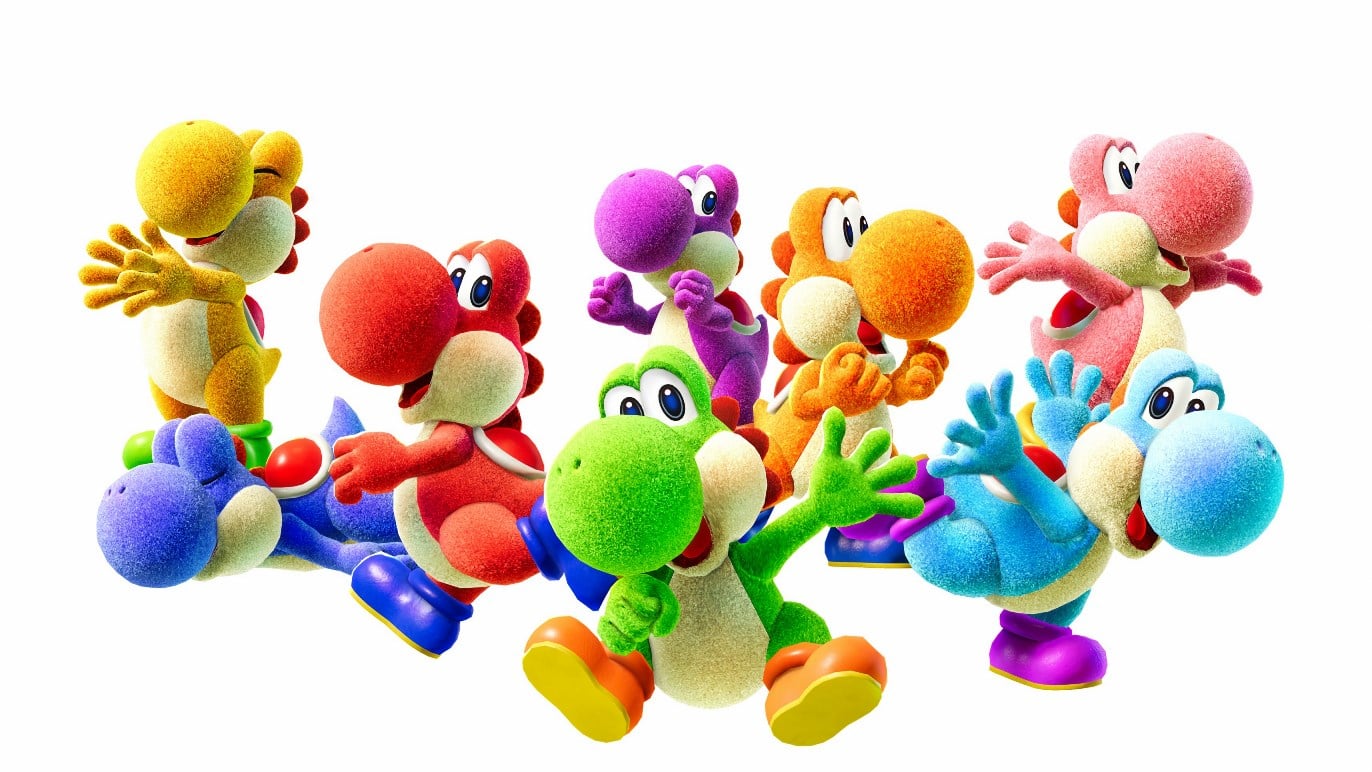
Even though the New York idea did not become the chosen path, it does not mean Yoshi’s solo potential has vanished. If anything, Miyamoto’s comments may make fans more curious about what a Yoshi movie could look like in the future. Nintendo now knows the idea has an easy hook. A lost Yoshi in the human world is funny. A Yoshi-led adventure through strange places is appealing. A story centered on his gentle chaos could offer a lighter, more expressive counterpoint to the bigger, busier Mario movies. There is also room for a different visual flavor. Yoshi’s games often lean into handmade textures, soft colors, craft-like worlds, and playful environments. A movie inspired by that side of the franchise could look and feel distinct from the cosmic spectacle of The Super Mario Galaxy Movie. That matters for long-term planning, because Nintendo’s characters should not all be squeezed into the same tone. Mario can handle grand adventure. Luigi can handle nervous comedy. Peach can handle leadership and action. Yoshi could carry warmth, silliness, and heart in a way that feels uniquely his own.
Why patience may help Yoshi get a stronger movie later
Waiting can be frustrating for fans, especially when the scrapped idea sounds this fun. But patience may actually help Yoshi in the long run. A character-focused movie works best when audiences already understand the world around the character and want to spend more time inside it. The first Mario movie introduced the foundation. The Super Mario Galaxy Movie expands that foundation. Once the movie universe has more texture, a Yoshi project could arrive with stronger context and greater confidence. That would give the filmmakers more freedom to choose whether Yoshi belongs in New York, Yoshi’s Island, another kingdom, or somewhere completely unexpected. It also gives Nintendo time to see how audiences respond to his role in the Galaxy movie. Does he steal scenes? Does his humor land? Do families connect with him? Do longtime fans want more? Those answers matter. A rushed solo project could burn through a great idea too quickly. A carefully timed Yoshi movie could feel like a treat that arrives exactly when viewers are ready for it.
Why fans may keep asking for Yoshi’s own adventure
Fans are probably not going to let this idea disappear quietly, and honestly, who can blame them? A Yoshi movie set in New York sounds like the kind of charming chaos that sticks in the imagination. It has a clear hook, a beloved character, and enough room for comedy, heart, and adventure. Even without knowing every detail, viewers can picture the possibilities. Yoshi could become an accidental hero, a citywide mystery, or a gentle troublemaker who turns an ordinary day upside down. That is the sign of a strong concept. It sparks images instantly. More importantly, it shows how rich the Mario universe has become on film. The question is no longer whether Nintendo has enough characters for more movies. The question is which characters should lead, when they should lead, and what kind of stories suit them best. Yoshi has already proven himself across games, merchandise, and decades of fan affection. Now, thanks to Miyamoto’s comments, fans know Nintendo has at least imagined what a solo adventure might look like. That tiny glimpse may be enough to keep the dream alive.
Conclusion
Nintendo’s almost-made Yoshi movie is one of those behind-the-scenes ideas that feels too fun to ignore. Miyamoto’s comments reveal that Yoshi was not treated as a minor afterthought, but as a character with enough charm and potential to inspire a full standalone concept. The New York setup could have delivered comedy, warmth, and plenty of fish-out-of-water energy, while the final decision keeps Yoshi connected to the larger direction of The Super Mario Galaxy Movie. That choice may be the smarter move for now. It gives Yoshi room to re-enter the story without pulling attention away from the sequel’s bigger cosmic adventure. Still, the idea of a Yoshi-led movie is now out in the open, and fans are likely to keep imagining it. Whether he is racing through galaxies, hatching from a teased egg, or someday causing absolute nonsense on a New York sidewalk, Yoshi remains one of Nintendo’s most movie-ready characters.
FAQs
- Did Nintendo really consider a standalone Yoshi movie?
- Yes. Shigeru Miyamoto said there was an idea during production to make a separate movie focused on Yoshi getting involved in various incidents in New York, but Nintendo and Illumination ultimately chose the current format for The Super Mario Galaxy Movie.
- Would the Yoshi movie have been set in New York?
- Based on Miyamoto’s comments, the discussed idea would have involved the Yoshi who remained in New York. That setting could have created a playful fish-out-of-water story, with Yoshi reacting to the human world in funny and unexpected ways.
- Why was Yoshi not given a bigger role in the first Mario movie?
- Miyamoto explained that Nintendo wanted to include Yoshi, but there was not a proper role for him in the first movie. Instead, the team used brief Yoshi appearances and the egg tease to set up future possibilities.
- Does Yoshi appear in The Super Mario Galaxy Movie?
- Yes. Nintendo and Illumination revealed Yoshi for The Super Mario Galaxy Movie, and Miyamoto’s comments make clear that the team wanted to bring him into the sequel after teasing him previously.
- Could Nintendo still make a Yoshi movie later?
- Nothing official has been announced for a standalone Yoshi movie, but the fact that the idea was discussed shows that Nintendo recognizes the character’s potential. A future Yoshi project remains possible if the right story and timing come together.
Sources
- Nintendo nearly gave Yoshi his own movie, My Nintendo News, April 23, 2026
- Nintendo and Illumination almost gave Yoshi his own movie, Nintendo Everything, April 22, 2026
- Miyamoto says he was surprised Mario Galaxy Movie reviews were even harsher than the first, VGC, April 22, 2026
- Shigeru Miyamoto Comments On Critic Reviews Of Super Mario Galaxy Movie, Along With Peach’s New Backstory, NintendoSoup, April 23, 2026
- Illumination and Nintendo Reveal the First Look at Yoshi in The Super Mario Galaxy Movie, Nintendo, January 25, 2026