














Summary:
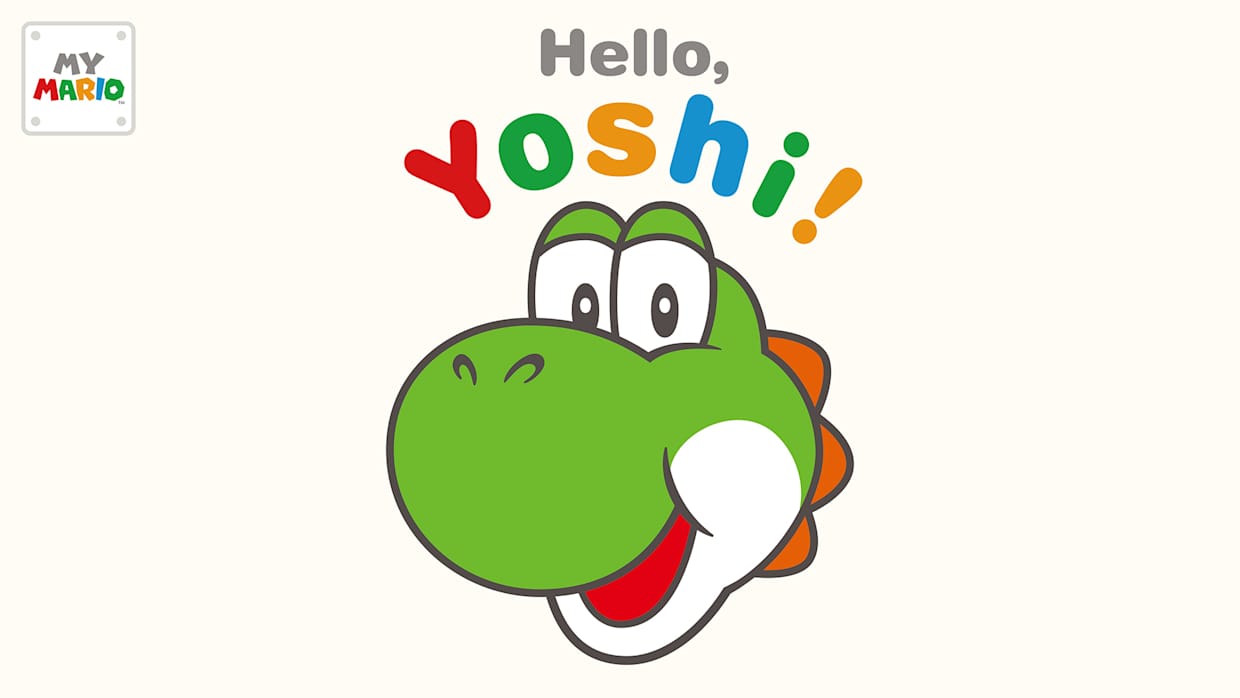
Nintendo’s latest My Mario additions feel carefully shaped for families who want playful Mario experiences in more than one format. The big talking point is the Hello, Yoshi! app, a free release that lets players poke, pull, stretch, and spin Yoshi’s face to trigger silly reactions. It has that instantly charming, toy-like energy that makes it easy to understand in seconds. You tap the screen, Yoshi reacts, and suddenly the whole thing feels like a digital sticker book mixed with a cartoon stress toy. It is simple, cheerful, and made to spark a laugh without asking too much from younger players.
That simple idea works even better because it sits beside several other additions that broaden the My Mario range in smart ways. The Hello, Mario! board book takes a hands-on approach with tabs and moving parts, giving children something tactile to enjoy when screens are not the focus. Nintendo has also added a fresh stop motion short in the “It’s Me, Mario!” series, keeping the lineup lively with a bite-sized video option that fits neatly into family viewing. Then there are the new Peach, Yoshi, and Luigi wooden block sets, which add a classic toy-box feel while also offering amiibo functionality in compatible games.
Put it all together and the message is clear. Nintendo is not treating My Mario like one single product. It is building a small world around familiar characters, with different ways to play, watch, read, and imagine. That variety matters. Some families want screen-based fun in short bursts, some want books, some want toys, and some want a little of everything. These additions make the lineup feel warmer, more flexible, and more connected to everyday family routines, which is exactly why they land so well.
Nintendo’s latest My Mario additions
Nintendo’s newest My Mario additions feel like they were built with one simple idea in mind – make Mario’s world easier for younger children to enjoy in small, playful moments. Rather than leaning on big, noisy surprises, this wave focuses on gentle interaction, familiar faces, and activities that fit naturally into family life. That gives the whole range a friendly tone from the start. The lineup now stretches across apps, books, short-form video, and wooden toys, which means it is not boxed into one kind of experience. That matters because families rarely look for just one thing. Sometimes you want a quick laugh on a screen, sometimes a story at bedtime, and sometimes a toy that can survive the kind of dramatic living room adventure only a child could invent. Nintendo seems to understand that rhythm very well here. The result is a group of additions that feels inviting rather than overwhelming, playful rather than pushy, and instantly recognizable thanks to Mario, Yoshi, Peach, and Luigi leading the way.
Why the Hello Yoshi app stands out right away
The Hello, Yoshi! app is the kind of idea that clicks almost immediately. You open it, you see Yoshi’s face, and you already know what you want to do next. Pull the cheeks, poke the nose, stretch the face, spin things around, and watch the reactions unfold. It taps into the same sort of playful curiosity that made expressive character screens so memorable in earlier Nintendo history, but it reshapes that idea for a younger audience and a softer, more child-friendly setting. That is what gives the app its appeal. It does not ask you to learn systems, read menus for ages, or chase a complicated objective. It simply invites you to play. There is something timeless about that. Like squeezing a rubber toy just to see what sound it makes, the joy comes from the response itself. Yoshi’s charm does the heavy lifting, and honestly, that green dinosaur has been carrying adorable moments on his back for years, so this feels like a natural fit.
How the app brings playful Yoshi reactions to life
What makes Hello, Yoshi! work is not just the basic idea, but the way Nintendo turns tiny reactions into the whole point of the experience. The app lets players pull, stretch, spin, and poke Yoshi’s face to trigger different silly expressions, which gives every interaction a toy-like quality. It is tactile in spirit even though it lives on a screen. That is a clever balance, especially for younger children who respond quickly to visual feedback and exaggerated animation. Peekaboo adds another layer of personality, making Yoshi feel less like a static mascot and more like a cheerful playmate who understands the joke. That is a big reason the app has such easy appeal. It is not trying to impress through complexity. It is trying to spark giggles, surprise, and repetition, because children love revisiting the same funny reaction again and again. And let’s be honest, adults are not exactly immune to making Yoshi’s face wobble around for longer than planned either.
Why the sleep feature matters for families
One of the smartest touches in Hello, Yoshi! is that Yoshi eventually falls asleep after you have been playing for a while. It is a small feature on paper, but it says a lot about who this app is for and how Nintendo wants it to fit into family routines. Instead of pushing endless interaction, it gently introduces a natural stopping point. That is useful for parents who want a lighter, more manageable screen experience for younger children. In practice, the feature helps the app feel calmer and more considerate than many other digital distractions aimed at kids. It does not fight for constant attention. It creates a pause. That pause can become a break, a transition to another activity, or just a moment to close the device without drama. For families, that is not a throwaway detail. It is one of the reasons the app feels thoughtfully designed rather than merely cute. Cute gets noticed. Thoughtful gets used again.
The Hello Mario board book adds hands-on fun away from screens
The Hello, Mario! board book gives the My Mario range a physical, tactile side that balances the digital pieces nicely. Interactive tabs and moving elements turn it from a basic read-through into something children can actively explore with their hands. That kind of design matters because young readers often connect with movement before they connect with text in a deeper way. Pull a tab, slide a piece, make Mario’s hat shift, or watch his eyes spin, and suddenly the page becomes a little performance. That playful motion keeps attention locked in without needing loud effects or flashing distractions. It also helps the My Mario range feel more flexible for different moments of the day. An app may suit the sofa in the afternoon, but a sturdy board book feels right for quieter moments, shared reading, or a wind-down before bed. There is warmth in that. It makes Mario feel less like a screen icon and more like a familiar character living across a child’s daily routine.
It’s Me, Mario! stop motion keeps the lineup lively
The stop motion side of My Mario gives the range another welcome texture. With Episode 7 now joining the “It’s Me, Mario!” shorts, Nintendo adds a quick watchable piece that can slip neatly into the same family-friendly space as the app and the book. Stop motion has a special charm because it feels handmade, almost like the toys on the shelf decided to wake up and perform a tiny show while no one was looking. That tone suits Mario surprisingly well. The Mushroom Kingdom is already built on exaggerated movement, physical comedy, and instantly readable character behavior, so translating that into short stop motion bursts feels natural. For families, these shorts offer a simple way to enjoy Mario without needing a full game session. For Nintendo, they help My Mario feel more like a living brand with personality and rhythm. It is not just about what you can buy or download. It is also about the small moments of character and humor that keep the world feeling alive.
Wooden block sets bring Peach, Yoshi, and Luigi into playtime
The addition of new Peach, Yoshi, and Luigi wooden block sets gives the My Mario range a sturdy, classic toy-box energy that stands out for all the right reasons. Wooden toys have a timeless feel because they invite imagination instead of dictating every detail. A block can be a castle wall one minute, a mountain the next, and then part of an absolutely baffling child-invented race track five minutes later. That openness works especially well with Mario characters, because the Mushroom Kingdom already feels like a place where anything can happen. The fact that these are three-piece sets keeps them approachable and easy to understand, while still giving each character a distinct presence. Peach, Yoshi, and Luigi also broaden the emotional range of the lineup. It no longer feels centered only on Mario himself. Instead, it feels like a fuller group of familiar friends, which helps playtime feel more social, varied, and imaginative from the very first moment.
The amiibo bonus gives the wooden blocks extra value
The wooden block sets become even more interesting because the Peach, Yoshi, and Luigi blocks can also function like amiibo figures in compatible games. That little bonus changes the conversation around them. They are no longer just wooden toys sitting on a shelf after playtime ends. They can cross over into Nintendo’s gaming ecosystem and keep being useful in another way. That kind of overlap is smart because it gives families a reason to see these sets as more than one-note items. For children, a toy that also works in games can feel a bit magical, like the object has one foot in the playroom and one foot inside the console. For parents, it adds practical value. There is also something fitting about Nintendo using familiar character shapes in a way that bridges traditional play and digital play without making either one feel less important. The blocks still work as blocks. The amiibo support just adds another layer, like discovering a hidden coin block in what looked like ordinary scenery.
Why the full My Mario range feels built for shared family moments
What really ties these additions together is the sense that they are meant to be shared. The app encourages playful reactions and short sessions. The board book invites hands-on reading. The stop motion short is easy to watch together. The wooden blocks are practically asking to be spread across the floor for a make-believe adventure. None of this feels accidental. Nintendo appears to be shaping My Mario around family moments rather than isolated solo use. That is a subtle but important difference. Shared experiences tend to stick. A child may remember the funny Yoshi face they made, but they are even more likely to remember laughing about it with someone else nearby. The same goes for building with blocks or reacting to a tiny stop motion gag. These are small activities, yet they fit neatly into routines that parents and children can enjoy together. That is why the range feels warm. It is not just selling familiar characters. It is trying to create little pockets of connection around them.
What these additions say about Nintendo’s approach to younger fans
These My Mario additions suggest Nintendo is thinking carefully about how younger fans first meet its characters. Instead of throwing them straight into more demanding game experiences, it is offering softer entry points built around curiosity, touch, humor, and familiarity. That feels intentional. Mario has always been welcoming, but this range makes that quality even more visible by spreading it across formats that suit different ages and different moods. Hello, Yoshi! is playful and immediate. The board book is tactile and cozy. The stop motion short adds a quick burst of personality. The wooden blocks invite open-ended imagination and even connect back to compatible games through amiibo support. It all fits together surprisingly well. More than anything, these additions show a version of Nintendo that understands early childhood attention spans, family routines, and the power of simple delight. Not every moment needs to be loud to be memorable. Sometimes a goofy Yoshi face or a spinning Mario eye does the job perfectly.
Conclusion
Nintendo’s latest My Mario additions make a strong case for keeping Mario’s world playful, flexible, and family-focused. The Hello, Yoshi! app brings quick laughs and expressive charm, the Hello, Mario! board book adds tactile fun away from screens, the stop motion short keeps the lineup lively, and the new wooden block sets open the door to imaginative play with an extra amiibo twist. Together, these additions feel connected without being repetitive. Each one offers a different way to spend time with familiar characters, which helps the range feel more useful in real family life. That is the big win here. Instead of relying on one format, Nintendo spreads the fun across reading, watching, tapping, building, and pretending. The result is a My Mario lineup that feels warm, easy to enjoy, and genuinely well suited to younger fans and the people sharing those moments with them.
FAQs
- What is the Hello, Yoshi! app?
- It is a free My Mario app that lets you interact with Yoshi by pulling, stretching, spinning, and poking his face to trigger playful reactions.
- Where can Hello, Yoshi! be played?
- The app is available for compatible smart devices and through Nintendo eShop on Nintendo Switch and Nintendo Switch 2 systems.
- What makes the Hello, Mario! board book different from a regular children’s book?
- It includes interactive elements such as tabs and moving parts, turning reading time into a hands-on activity with playful Mario-themed reactions.
- What characters are included in the new wooden block sets?
- The new three-piece sets focus on Peach, Yoshi, and Luigi, adding more familiar Mushroom Kingdom faces to the My Mario toy range.
- Do the wooden block sets do anything beyond physical play?
- Yes. The Peach, Yoshi, and Luigi character blocks can also function as amiibo in compatible Nintendo Switch and Nintendo Switch 2 games.
Sources
- New My Mario products and experiences available now!, Nintendo, April 9, 2026
- Hello, Yoshi! – A Free, Kid-Friendly Game, Nintendo, April 9, 2026
- My Mario Apps and Games, Nintendo, 2026
- Hello, Mario! (My Mario™), Penguin Random House, 2026
- Wood Blocks – My Mario, Nintendo, 2026