














Summary:
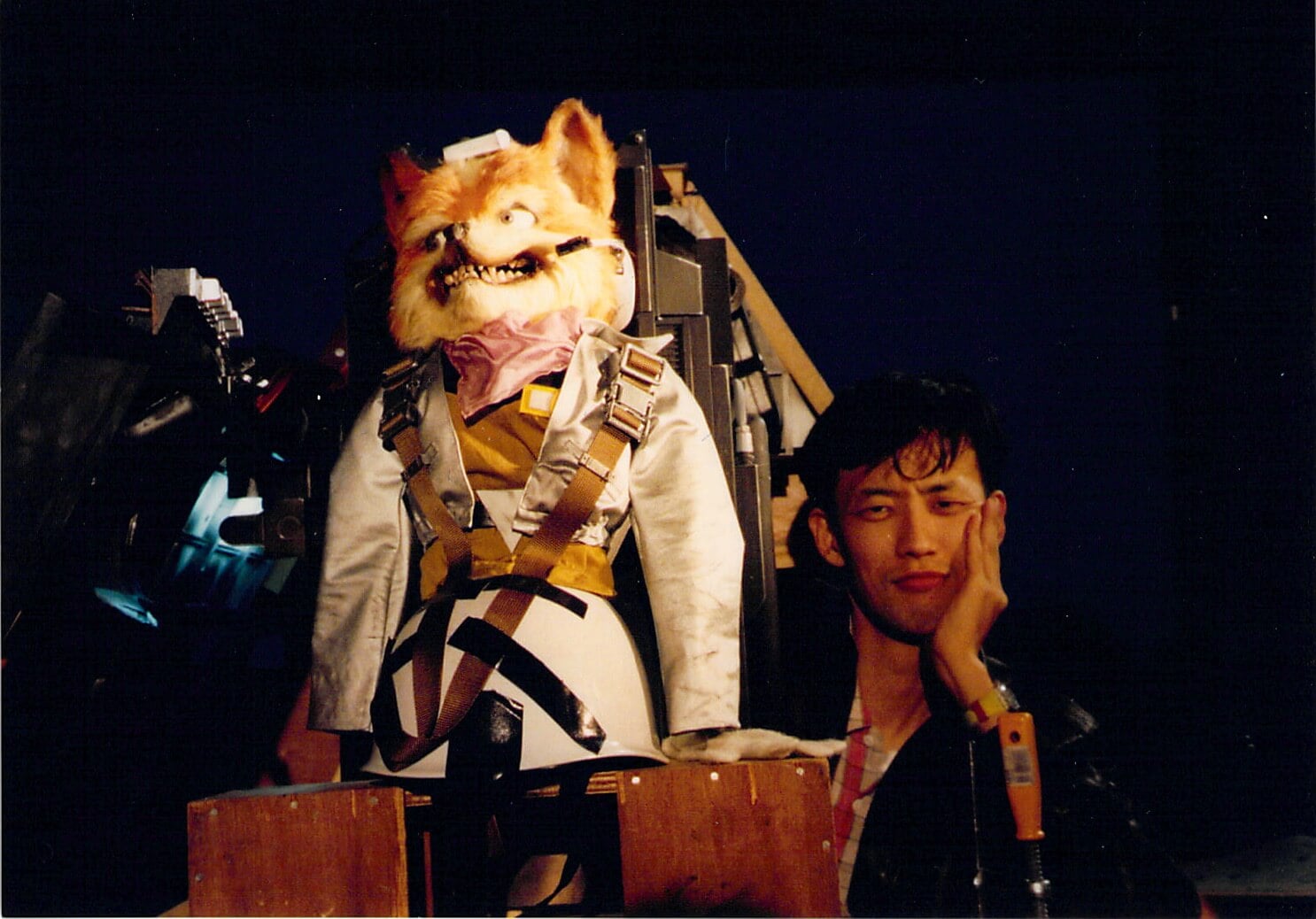
The original Star Fox puppets have long been one of those strange little Nintendo mysteries that never quite left the fan conversation. Fox McCloud, Falco Lombardi, Peppy Hare, and Slippy Toad were not only digital heroes on the Super Nintendo. They also appeared as live-action style puppets in promotional material tied to the original Star Fox, giving the game a weird, charming, slightly uncanny look that burned itself into the memory of many players. Recently, that mystery received a much clearer answer. Time Extension contacted Shirogumi, the Japanese visual effects company connected to the puppets, and the studio explained that the models were made by attaching fur and feathers to natural rubber. That material choice meant the puppets were fragile from the start, deteriorating simply through exposure to air. Because of that, they were destroyed after production ended.
It’s a bittersweet detail for Nintendo fans, especially because physical gaming history carries a different kind of magic. A cartridge can be dumped, screenshots can be archived, and trailers can be uploaded again, but a real puppet has weight, texture, odd angles, glue marks, and all the handmade weirdness that makes old marketing so lovable. The Star Fox puppets may be gone, but the answer adds new context to their legacy. Rather than being casually lost or hidden away, they were apparently victims of their own materials. That makes the story sad, but also oddly fitting for a game that always mixed technical ambition with bold creative risk.
The original Star Fox puppets finally have a clear answer
The mystery around the original Star Fox puppets has finally moved from fan speculation into something much more concrete. For years, players wondered whether the physical versions of Fox, Falco, Peppy, and Slippy had survived somewhere inside Nintendo storage, an archive room, or a forgotten production warehouse. That idea was easy to believe because Nintendo history often feels full of hidden treasures, like a locked door in a game that surely must open if you press the right button. Recently, however, Time Extension reported that Shirogumi confirmed the puppets created by the studio were destroyed after production. The reason was not dramatic neglect or some villainous clean-up job worthy of Andross. It came down to materials. The puppets were made with fur and feathers glued to natural rubber, and that natural rubber deteriorated through exposure to air. Once the promotional work was finished, the models could not be preserved in a stable condition, so they were destroyed.
Why the SNES marketing campaign still fascinates fans
The original Star Fox arrived during a moment when Nintendo was trying to show that the Super Nintendo could do something wild, futuristic, and technically exciting. The game’s polygonal look was a huge part of that pitch, but the puppet marketing gave the whole thing an extra spark of personality. Instead of only selling Star Fox as a technical showcase, Nintendo helped frame it as a squad-based space adventure with characters that felt bigger than their simple polygon models. That matters because the SNES game itself could only show so much character detail on-screen. The puppets filled in the blanks. Fox became a leader, Falco looked sharp and cocky, Peppy felt like the seasoned veteran, and Slippy carried that anxious sidekick energy that fans still tease with affection. Those promotional images did a lot of emotional heavy lifting, and that is why people still care about where the puppets went.
The Star Fox team looked strange, bold, and unforgettable
Part of the appeal is that the Star Fox puppets were not polished in the smooth, modern way we often expect from game marketing now. They looked handmade, textured, slightly odd, and full of personality. Fox had that heroic space pilot confidence, Falco looked like he might roast you before saving your life, Peppy had veteran mentor energy, and Slippy looked ready to panic at the first sign of trouble. That slightly weird visual style worked because Star Fox itself was never just another clean sci-fi shooter. It had animals flying spaceships, radio chatter, experimental 3D graphics, and a world that felt both serious and playful. The puppets captured that balance perfectly. They were not merely mascots placed in front of a camera. They were a bridge between the game’s limited in-game models and the bigger adventure fans imagined while playing.
Why physical promotional props feel different from digital assets
There is a reason this story hits harder than the loss of an old image file or a misplaced promotional tape. Physical props feel personal. They carry the marks of the people who made them, the tools used to shape them, and the production choices that only become visible when you look closely. A puppet is not just an object. It is a little piece of creative problem-solving with fur, glue, paint, rubber, wire, fabric, and patience all stitched into one strange body. For fans, that makes the Star Fox puppets feel like artifacts from a more tactile era of game promotion. Before glossy digital campaigns took over everything, companies sometimes sold worlds through handmade objects that looked like they had wandered out of a workshop. Losing those objects stings because they cannot simply be re-rendered at a higher resolution.
Shirogumi’s explanation gives the mystery a sad ending
Shirogumi’s explanation turns the story into something less mysterious, but more human. The puppets were not tucked away in perfect condition, waiting for a museum display or a surprise Nintendo Direct cameo. They were made for production, served their purpose, and then could not endure. Natural rubber can be a difficult material over long periods, especially when combined with glued-on surface elements such as fur and feathers. That kind of construction may look great under studio lights or in promotional photos, but it does not automatically mean the object is built for decades of storage. In a way, the puppets were like a firework. They were designed to create a memorable burst at a specific moment, not to stay bright forever. That is painful for preservation-minded fans, but it also explains why the original models were not easy to save.
Natural rubber made the puppets difficult to preserve
The key detail in the explanation is the use of natural rubber. Many older practical effects pieces suffer because the materials chosen for production are not always chosen with long-term preservation in mind. A prop might need to move well, look right on camera, or be finished quickly for a campaign. Those needs can matter more than whether it will survive in an archive for 30 years. With the Star Fox puppets, natural rubber created a built-in problem. Over time, rubber can become sticky, brittle, cracked, warped, or otherwise unstable, especially when stored under imperfect conditions. Add fur and feathers to that surface, and preservation becomes even trickier. It is easy to imagine a puppet slowly turning from a proud space pilot into something closer to a cursed attic creature. Funny for about three seconds, heartbreaking after that.
Why air exposure mattered so much
Air exposure may sound harmless because, well, everything sits in air unless it is sealed away with museum-level care. But for certain materials, normal exposure can speed up chemical changes that slowly break them down. The studio’s statement makes it clear that the Star Fox puppets were vulnerable simply by existing in ordinary conditions after production. That changes how the situation should be understood. This was not just a case of someone failing to put the puppets on a shelf carefully enough. The materials themselves were unstable, and once deterioration began, the models likely became difficult to store, display, or repair without losing their original integrity. For fans hoping they might still appear someday, that is the tough part. The issue was not just location. It was time, chemistry, and the fragile reality of handmade promotional work.
Takashi Yamazaki’s connection adds another layer to the story
The story becomes even more interesting because of Takashi Yamazaki, now widely known as the director of Godzilla Minus One. Time Extension’s reporting connects Yamazaki to the Star Fox puppet campaign, and his later comments helped clarify how the promotional material may have been produced. For Nintendo fans, that is a strange and delightful link between one of the company’s most recognizable SNES releases and a filmmaker known for major visual effects work. It also makes the Star Fox puppets feel less like random marketing props and more like part of a wider creative path. Before Yamazaki became associated with a globally discussed Godzilla film, he was involved with a campaign built around anthropomorphic space pilots and practical puppet effects. That is the kind of trivia that sounds made up until the receipts arrive.
The campaign appears to have used one practical puppet set
Earlier discussion around the Star Fox puppets included questions about whether different sets were created for different uses, including box art, posters, and in-store promotional scenes. That would have left open the possibility that one version was destroyed while another might still exist somewhere. Recent details from Yamazaki, as shared through Time Extension’s update, suggest a simpler but sadder picture. His recollection points toward one set of moving puppets being photographed and then retouched for packaging and poster use. If that memory is accurate, it means there may not have been a separate box art set waiting in storage after all. For fans, that narrows the mystery. It also makes the loss feel more complete, because the same handmade models may have carried the full promotional identity of the original Star Fox campaign.
The box art and poster mystery became clearer recently
The idea that the puppet images were retouched for packaging and posters helps explain why fans might have assumed multiple sets existed. Promotional photography can make the same object look surprisingly different depending on lighting, pose, cropping, editing, and final print treatment. A puppet photographed for a moving commercial can seem different from a puppet used in a polished box art image, especially when the final artwork is adjusted for retail impact. That is part of the charm of old game marketing. It was often a messy mix of photography, model work, illustration, and early digital touch-ups. In Star Fox’s case, that blend helped create an iconic look, but it also created decades of confusion. Now the likely answer feels cleaner: one remarkable set did a lot of work, then vanished because it could not survive.
What this means for Nintendo history and preservation
The loss of the Star Fox puppets is a reminder that video game history is not only stored in cartridges, discs, source code, and screenshots. It also lives in costumes, posters, store displays, packaging mock-ups, press kits, trade show builds, and strange promotional objects that were never meant to become museum pieces. When those items disappear, a little texture disappears with them. Nintendo’s history is especially full of this kind of material because the company has spent decades turning characters into physical, playful things. Plush toys, standees, model kits, puppets, figures, and stage props all help shape how fans remember games. The Star Fox puppets were part of that tradition. They gave a technical SNES showcase a face, a team, and a weirdly lovable personality that polygons alone could not fully communicate.
Lost props can still shape how fans remember games
Even though the puppets are gone, their influence has not disappeared. Fans still share images, discuss their origins, joke about their slightly uncanny appearance, and wonder what it would be like if Nintendo embraced that handmade style again. That is a powerful kind of afterlife. The physical objects may no longer exist, but the memory of them still affects how people talk about Star Fox. In some ways, lost props can become even more fascinating because they leave room for imagination. We picture them in a dusty archive, inside a display case, or hidden in a box with a faded label. The truth may be less romantic, but the fascination remains. The puppets helped give Star Fox a visual identity beyond the game screen, and that identity still has fuel in the tank.
The Star Fox puppets became bigger than a simple promo
What started as a promotional tool has become part of the Star Fox legend. That is not because the puppets were technically perfect or because they appeared in some huge cinematic universe. They mattered because they arrived at exactly the right moment. Star Fox was new, strange, and ambitious, and the puppets made its world feel tangible. They suggested that these blocky pilots had texture, attitude, fur, feathers, and expressive faces. For players in the 1990s, that mattered. The game’s 3D visuals were impressive, but imagination still had to do a lot of the flying. The puppets gave that imagination a launchpad. Even now, when games can render every feather and whisker in real time, those old models have a handmade magic that modern polish cannot fully replace.
Why the story still matters
The fate of the Star Fox puppets matters because it shows how fragile gaming history can be. A promotional object can help define how fans see a game, then disappear before anyone realizes it should have been protected. That is especially true for materials created for quick campaigns, where long-term preservation may not have been part of the plan. The sad answer from Shirogumi does not reduce the puppets’ importance. It makes them feel even more special. They were temporary objects that left a permanent mark. Like a message from Corneria crackling through an old radio, they still reach fans decades later, a little distorted by time, but unmistakably full of character.
Conclusion
The original Star Fox puppets now have a clearer, sadder ending. Shirogumi’s explanation shows that the Fox, Falco, Peppy, and Slippy models were made from fragile materials that could not survive long-term exposure to air, leading to their destruction after production. Takashi Yamazaki’s later comments also suggest that the same puppet set may have been used as the basis for the game’s promotional imagery, making the loss feel even more final. Still, the puppets remain an important part of Nintendo history. They helped sell Star Fox as more than a technical experiment. They gave the team charm, texture, and personality at a time when the SNES could only show so much. The models may be gone, but their strange little legacy is still flying.
FAQs
- What happened to the original Star Fox puppets?
- The original Star Fox puppets created by Shirogumi were destroyed after production because their materials deteriorated over time. They were made using fur and feathers attached to natural rubber, which made them too fragile to preserve.
- Which Star Fox characters were made as puppets?
- The promotional puppet set included the original Star Fox team: Fox McCloud, Falco Lombardi, Peppy Hare, and Slippy Toad. These characters helped give the SNES game a stronger visual identity outside the in-game graphics.
- Why were the puppets destroyed instead of saved?
- According to Shirogumi’s explanation, the puppets deteriorated simply through exposure to air because of the natural rubber used in their construction. Once production ended, preserving them was apparently not realistic.
- Was Takashi Yamazaki connected to the Star Fox puppets?
- Yes. Time Extension connected Takashi Yamazaki to the Star Fox puppet campaign, and his later comments helped clarify how the puppets may have been photographed and retouched for promotional materials.
- Do any original Star Fox puppets still exist?
- Based on the latest reporting and Yamazaki’s comments, it appears increasingly likely that the main puppet set no longer exists. Earlier uncertainty came from memories and speculation about possible separate sets, but recent details point toward one practical set being used for the campaign.
Sources
- Godzilla Minus One Director Puts Star Fox Puppet Mystery To Bed, Once & For All, Time Extension, May 1, 2026
- Nintendo’s original Star Fox puppets confirmed to have been destroyed, Nintendo Everything, April 27, 2026
- We finally know what happened to the original Star Fox puppets – the Godzilla Minus One studio destroyed them, GamesRadar+, April 27, 2026
- Japanese FX company confirms original Star Fox puppets have been destroyed, My Nintendo News, April 28, 2026