














Summary:
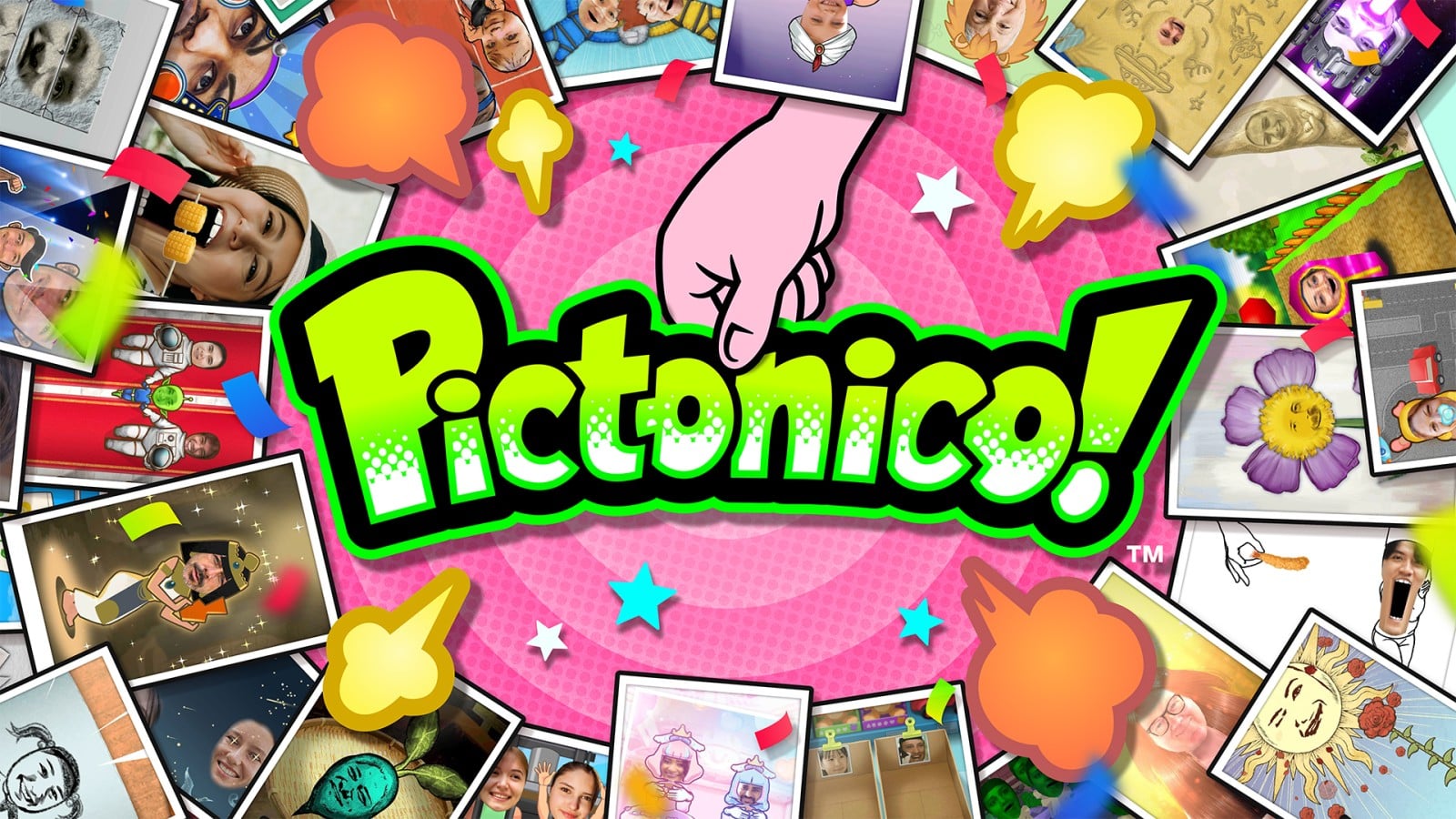
Pictonico is Nintendo’s latest mobile release for iOS and Android, and it arrives with the kind of oddball charm that makes a simple idea feel instantly inviting. Instead of building mini-games around traditional characters, stages, or button-heavy mechanics, Pictonico uses your own photos as the starting point. That means pictures from your phone can suddenly become part of quick, silly, and unpredictable challenges. It is free to start, which gives curious players an easy way to try the concept before spending money on additional mini-game volumes. The demo offers a taste of how the game works, while the paid volumes expand the experience with more challenges built around the same photo-driven idea. Volume 1 includes 50 games and is priced around $8, while Volume 2 includes 30 games and is priced around $6, depending on region and store listing. What makes Pictonico interesting is not just that it is another Nintendo mobile release. It is the way it takes something familiar, your phone’s photo library, and turns it into a playful little toy box. For anyone who enjoys fast, funny, bite-sized games, this is the kind of mobile release that can turn a spare minute into a surprisingly ridiculous laugh.
Pictonico brings Nintendo’s playful mobile idea to iOS and Android
Pictonico is now available on iOS and Android, giving Nintendo fans a fresh mobile option built around quick mini-games and a very unusual hook. Instead of asking you to jump into a long adventure or learn a complicated set of controls, it focuses on fast little challenges that use photos from your mobile device. That immediately makes the game feel personal, because the images are not just decorative backgrounds. They become part of the joke, part of the challenge, and part of the surprise. Nintendo has spent years proving that strange ideas can become memorable games when the execution is sharp, and Pictonico fits neatly into that tradition. It has the energy of something designed for short bursts, the kind of thing you open while waiting for coffee, sitting on the couch, or showing a friend something ridiculous. It is easy to understand the appeal: grab a photo, let the game twist it into a mini-game, and see what odd little task appears next.
How Pictonico turns your personal photos into quick mini-games
The main trick behind Pictonico is simple to explain but much more entertaining in motion. The game uses photos from your own library, or images taken directly through your device, and reshapes them into playful mini-game moments. That means a normal picture can suddenly become part of a challenge where the game asks you to react quickly, solve something silly, or interact with the image in an unexpected way. The result is a little like handing your camera roll to a mischievous game designer who has had too much coffee and just enough restraint to keep things fun. It is personal without being complicated. A family photo, a pet snapshot, a friend’s weird vacation pose, or a perfectly normal selfie can all become fuel for quick interactive gags. That gives Pictonico an advantage over many mobile games, because the game does not need to rely only on pre-made scenarios. Your own photos keep feeding it new flavor, and that can make familiar mini-games feel slightly different each time.
Why the free demo makes the first step easy
Pictonico uses a free-to-start structure, which is a smart fit for a game built around such a specific idea. Photo-based mini-games will click with some players right away, while others may want to test the waters before buying additional volumes. The demo gives players that first taste without forcing them to commit immediately, and that matters here because the fun comes from seeing how the game treats your own pictures. Reading about the concept is one thing. Watching a familiar face or personal snapshot become the center of a tiny challenge is where the charm really starts to show. A free demo also makes Pictonico easier to recommend to friends, because there is no awkward sales pitch needed. You can simply tell someone to try it and let the first few mini-games do the convincing. For a mobile release, that low-pressure entry point is a big strength. It invites curiosity first, then lets the paid volumes become an option once the player understands the joke.
What Volume 1 and Volume 2 add to the experience
Once the demo has shown the basic idea, Pictonico offers additional mini-game volumes for players who want more variety. Volume 1 includes 50 games and is priced around $8, while Volume 2 includes 30 games and is priced around $6, with regional storefronts showing their own local prices. That split makes the purchase structure fairly easy to understand. You can start small with the demo, then choose whether the larger collection or the smaller set feels right for how often you expect to play. The important detail is that these volumes expand the pool of possible mini-game scenarios, which matters because Pictonico’s appeal depends on surprise. If the same small handful of games appears too often, the joke can wear thin. More mini-games mean more ways for your photos to be twisted into unexpected moments. It also makes the game better suited for sharing with friends, because the fun often comes from wondering what bizarre little challenge will appear next.
The WarioWare-style energy behind Pictonico’s funniest moments
Pictonico carries a familiar Nintendo flavor for anyone who enjoys rapid-fire, strange, and slightly chaotic mini-games. The comparisons to WarioWare are easy to understand, not because Pictonico is trying to be the exact same thing, but because it shares that same appetite for quick reactions and absurd little situations. The best mini-games in this style do not need long explanations. They give you a tiny task, a few seconds of pressure, and then a punchline that lands before you have time to overthink it. That rhythm works beautifully on mobile devices. You tap, swipe, drag, react, laugh, and move on. Pictonico adds its own twist by making your photos part of the setup. That makes the humor feel more immediate, because the game is not just asking you to interact with a generic cartoon face or random object. It may be using someone or something you recognize, which gives even a simple challenge a sharper comic edge.
Why photo-based gameplay gives Pictonico a personal twist
Mobile games often try to feel personal through customization, avatars, cosmetics, or progress systems, but Pictonico goes straight to the source by using images from your own device. That changes the emotional texture of the game. A silly mini-game can become funnier when it features your friend’s dramatic selfie, your dog’s confused expression, or a photo from a family gathering that was never meant to become interactive entertainment. It is a tiny reminder that play does not always need to be polished or serious. Sometimes the best laugh comes from turning something ordinary into something wonderfully stupid. Of course, photo-based games also need to make players feel comfortable, especially when personal images are involved. That is why clear messaging around how photos are used matters. Players want to know whether their pictures remain under their control and whether they can enjoy the game without feeling like their private library is being treated carelessly. When that trust is handled well, the personal angle becomes Pictonico’s biggest strength.
What mobile players should know before downloading Pictonico
Before jumping in, mobile players should know that Pictonico is designed around short sessions rather than long, traditional play. That makes it a good fit for anyone who likes fast entertainment in small pieces, but it may not satisfy someone looking for a full-length adventure or a deep progression system. The free demo is the best starting point because it shows whether the humor and photo-based mechanics match your taste. The paid volumes then act as optional expansions for players who want more mini-games after trying the initial selection. It is also worth checking your device settings and store page details, especially if you care about permissions, storage, and regional pricing. Since the game uses photos, you will want to be comfortable with how it accesses images and how you manage that access on your phone. Pictonico looks simple from the outside, but its strongest moments come from the way it connects quick gameplay with familiar images. That is also why the best experience will probably come from choosing photos that are expressive, funny, or just a little bit embarrassing. Come on, every camera roll has at least one.
Why Pictonico could become a small party favorite
Pictonico feels like the kind of mobile game that could work especially well in a social setting. It is not hard to imagine someone opening it during a casual hangout and immediately turning the room into a chorus of laughs, groans, and “why did you use that photo?” moments. The mini-games are short, the concept is easy to explain, and the use of personal images gives each round a built-in reaction. That is a powerful combination for a party-friendly mobile game. Unlike many multiplayer games, Pictonico does not need everyone to own a copy or learn a complicated system before the fun starts. One person can show it off, pick a photo, and suddenly everyone is invested in the result. The game’s humor also benefits from surprise. You may think you know what a picture is, but once Pictonico reshapes it into a mini-game, the image gets a second life as a punchline. That is the kind of small, goofy magic mobile games are perfectly suited for.
How Pictonico fits into Nintendo’s wider mobile approach
Nintendo’s mobile history has moved through different styles, from character-driven releases to service-based experiences and smaller experimental ideas. Pictonico sits closer to the experimental side, because it does not simply shrink a console formula onto a phone. Instead, it uses something phones already do well: photos, quick interaction, and pick-up-and-play convenience. That makes the concept feel native to mobile rather than forced onto it. A game like this would not have the same natural appeal on a traditional console, where your personal photo library is not sitting right there in your pocket. On a smartphone, the idea makes immediate sense. You already take photos, save silly pictures, and share visual jokes with friends. Pictonico turns that everyday behavior into a game loop. It is a reminder that Nintendo’s best ideas often begin with a simple question: what can this device do that feels playful? In this case, the answer is charmingly direct. Your photos are not just memories anymore. They are props, stages, and punchlines.
Why the pricing model may work for casual players
The free-to-start setup gives Pictonico a practical path for casual players who do not want to pay upfront for a game they may only play occasionally. That structure can be useful when the concept is unusual, because players often need to feel the idea before deciding whether it is worth buying more. The demo works like a sample tray at a market. You taste first, then decide whether you want the full box. The paid volumes also make the offer clearer than a messy store full of tiny purchases. Instead of buying one mini-game at a time, players can choose from bigger sets that expand the experience in a more straightforward way. That said, the value depends on how much you enjoy repeating the core idea with different photos and scenarios. For players who love quick humor, personal pictures, and bite-sized challenges, the volumes could feel like a natural extension. For players who bounce off the demo, the free starting point keeps the risk low.
Conclusion
Pictonico gives Nintendo’s mobile lineup a quirky new idea that feels tailor-made for smartphones. By turning personal photos into mini-games, it finds a playful use for something almost every mobile player already has: a camera roll full of memories, mistakes, pets, selfies, and pictures nobody can quite explain. The free demo makes it easy to try, while Volume 1 and Volume 2 give curious players more mini-games once the concept clicks. Its WarioWare-style pace, photo-driven humor, and quick-session design make it especially appealing for players who enjoy fast laughs rather than long commitments. Pictonico may not be trying to replace bigger Nintendo experiences, and that is part of its charm. It is small, weird, personal, and built around the kind of fun that can happen in under a minute. Sometimes that is exactly what a mobile game needs to be.
FAQs
- What is Pictonico?
- Pictonico is a Nintendo mobile game for iOS and Android that turns photos from your device into quick mini-games. It focuses on short, playful challenges built around images you already have or take through your phone.
- Is Pictonico free to play?
- Pictonico is free to start, meaning players can download it and try a demo before buying additional mini-game volumes. The demo gives a small taste of the photo-based gameplay before any paid purchase is needed.
- How many mini-games are in Pictonico Volume 1?
- Volume 1 includes 50 mini-games and is priced around $8, depending on regional storefront pricing. It is the larger of the two mentioned paid volumes and expands the game beyond the free demo.
- How many mini-games are in Pictonico Volume 2?
- Volume 2 includes 30 mini-games and is priced around $6, depending on region and platform store. It offers another set of quick photo-based challenges for players who want more variety.
- Is Pictonico similar to WarioWare?
- Pictonico has a similar quick-fire energy because it focuses on fast, silly mini-games with simple interactions. Its biggest difference is that it uses your personal photos as part of the mini-game setup.
Sources
- Nintendo announces Pictonico, a new mobile game that turns your photos into mini-games, Video Games Chronicle, May 19, 2026
- Nintendo kondigt smartphonegame Pictonico aan: minigames met eigen foto’s, Tweakers, May 19, 2026
- Nintendo’s Pictonico! nu te downloaden voor Android en iOS, Gameliner, May 28, 2026
- Nintendo’s nieuwe mobiele game Pictonico! is vanaf nu beschikbaar, Daily Nintendo, May 28, 2026