














Summary:
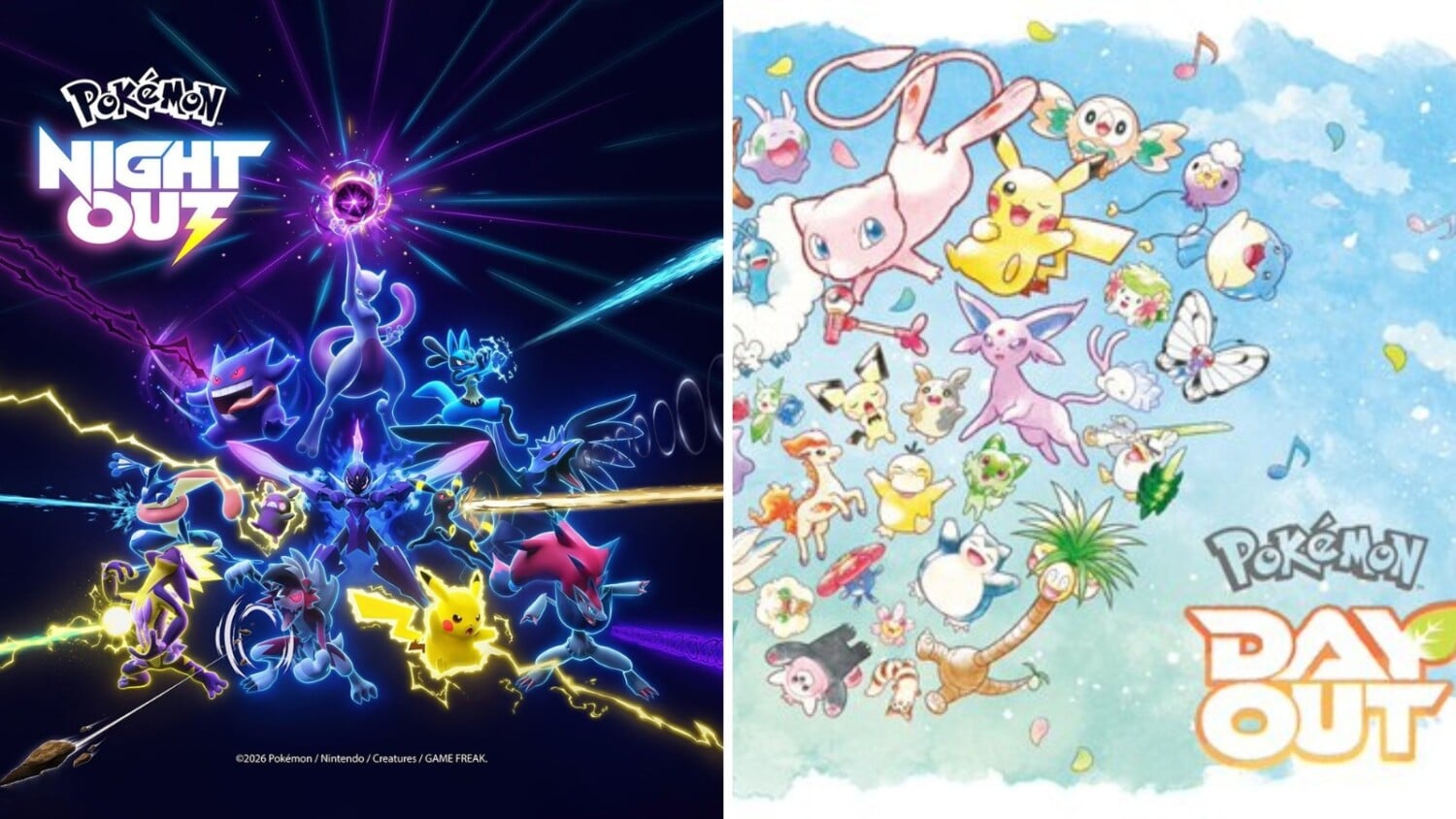
Pokémon’s 30th anniversary is not staying on a screen. It is stepping into real venues, real cities, and real shared experiences with two new event formats that aim at very different crowds while still feeling tied to the same universe. Pokémon Night Out is the flashier reveal right now. It is a live EDM concert experience led by Marshmello and Alison Wonderland, with dates set for October 24, 2026, at Intuit Dome in Los Angeles and November 10, 2026, at The O2 in London. That alone is enough to turn heads, because Pokémon has always been strong at turning nostalgia into excitement, but this move adds a late-night, arena-sized energy that feels built for fans who grew up with the series and now want something bigger, louder, and more immersive.
At the same time, Pokémon Day Out rounds out the picture with a more family-friendly direction. These events are planned for summer 2026 in Bordeaux, New York City, Dresden, and Mexico City, with more details still to come. That contrast matters. Instead of forcing every fan into one type of celebration, Pokémon is carving the year into separate lanes. One lane leans into music, spectacle, and a more mature crowd. The other leans into accessibility, interaction, and daytime fun for families and younger fans. Together, they make the anniversary feel broader and more thoughtful. Rather than treating live events as a side note, Pokémon is making them part of the heartbeat of the year, and that gives these announcements more weight than a simple tour reveal.
Pokémon Night Out gives Pokémon’s anniversary celebration a louder, bolder live identity
Pokémon Night Out immediately stands out because it does not feel like a routine brand crossover or a safe little side attraction tucked into a larger campaign. It feels built to be a spectacle. The concept pairs Pokémon with an EDM concert format, and that choice says a lot about who this experience is for and how The Pokémon Company wants the anniversary to feel in the real world. Pokémon has spent decades living in games, animation, cards, toys, and apps, but a full concert setting gives it a different kind of pulse. Lights, sound, crowd reaction, and custom visuals can do something a trailer cannot. They can turn recognition into atmosphere. That matters for a series with a fan base spread across generations. A night built around music and Pokémon imagery has the potential to feel less like a standard themed event and more like a memory people will talk about long after the last track ends. It is a smart way to make the anniversary feel alive rather than merely advertised.
Marshmello and Alison Wonderland make the concert concept feel like a deliberate fit
Choosing Marshmello and Alison Wonderland gives Pokémon Night Out a strong musical identity right away. These are not random names pulled from a hat to stick on a poster and hope for the best. Both artists bring real recognition, established audiences, and a sound that fits the kind of high-energy audiovisual setting Pokémon Night Out seems to be aiming for. Marshmello’s broad appeal makes the event feel accessible, while Alison Wonderland adds edge and momentum that can help keep the atmosphere from feeling too sanitized or overly corporate. That balance matters. If this were only cute, it could feel flimsy. If it leaned too hard into club energy without Pokémon’s visual personality, it could feel disconnected. Together, the pairing suggests a middle ground where nostalgia, spectacle, and modern live production meet in a way that can still feel playful. In other words, this is not Pokémon wearing a costume that does not fit. It looks more like Pokémon found a new stage and decided to own it.
The Los Angeles stop at Intuit Dome puts one of the two major dates into focus
The first confirmed Pokémon Night Out date is October 24, 2026, at Intuit Dome in Los Angeles, and that choice feels deliberate on several levels. Los Angeles is a city built for entertainment, large-scale production, and fan-driven cultural moments, so it makes sense as a place to launch or spotlight an event like this. Intuit Dome also gives the show a modern, big-venue setting that matches the ambition of the concept. This is not being framed like a tiny promotional appearance or a one-off activation hidden inside another festival. It is getting its own arena treatment. That gives the Los Angeles date a certain gravity. For fans in the United States, it becomes one of the clearest physical anchors for the wider anniversary celebration. There is also something fitting about Pokémon choosing a city where pop culture, music, and spectacle constantly collide. If Night Out is supposed to feel electric, Los Angeles is the kind of place where that electricity can actually crackle instead of merely humming in the background.
The London stop at The O2 gives the event an equally high-profile European stage
The second confirmed Pokémon Night Out date lands on November 10, 2026, at The O2 in London, and that gives the series a major European stage to match its Los Angeles presence. London is the kind of city where a branded live experience can gain attention beyond the core fan crowd, simply because the venue and location already signal scale. The O2 is not the sort of place associated with half-hearted ideas. When something lands there, it carries a built-in sense of occasion. That helps Pokémon Night Out feel international rather than regional. It also tells fans outside the United States that this is not a one-market experiment. Pokémon is treating the concept as something with broad reach, and London helps make that message visible. There is also a nice rhythm to the two-city setup. Los Angeles handles one side of the Atlantic, London handles the other, and together they give Night Out a polished, almost tour-like identity even with only two announced dates. Sometimes two well-chosen cities say more than ten random ones ever could.
Tickets, merchandise, and the age focus help define what Night Out is trying to be
Beyond the artists and venues, the supporting details do a lot of quiet work in shaping expectations. Tickets for Pokémon Night Out go on sale on April 17, which gives the announcement an immediate sense of momentum rather than leaving fans stuck in a foggy wait. The official details also frame the event toward attendees aged 16 and up, and that matters because it makes Night Out feel intentionally aimed at an older slice of the Pokémon audience. Pokémon has always known how to welcome younger fans, so when it creates an experience with a clearer age focus, it stands out. Add in the Pokémon Center merchandise tied to the shows, and Night Out starts to look less like a single evening of music and more like a full event package. You are not just showing up for a set list. You are stepping into a branded environment with exclusives, visuals, and a sense of occasion. That is often the difference between something people enjoy and something people feel they were part of. Pokémon clearly wants the second outcome here.
Pokémon Day Out opens the door to a more family-friendly side of the anniversary
While Night Out grabs attention with its music lineup and arena dates, Pokémon Day Out may end up being just as important to the wider anniversary picture. The official description positions these events as interactive and kid-friendly, which instantly changes the tone. Instead of aiming for an evening built around sound, spectacle, and a more grown-up audience, Day Out sounds designed to welcome families, younger players, and anyone who wants the celebratory side of Pokémon without the late-night concert atmosphere. That distinction is a smart move. Pokémon is one of those rare brands that can sell nostalgia to adults while also remaining a first discovery for children, and trying to squeeze both groups into one event format would have been messy. By creating Day Out as a separate lane, the brand avoids that problem. It lets parents feel included, gives kids something shaped with them in mind, and keeps the overall anniversary feeling open rather than exclusive. Not every celebration needs bass drops and lasers. Sometimes it needs room to wander, interact, and smile without earplugs.
Bordeaux, New York City, Dresden, and Mexico City give Day Out an international footprint
The currently confirmed Day Out cities are Bordeaux, New York City, Dresden, and Mexico City, all scheduled for summer 2026. Even without full programming details yet, that city list already tells a story. Pokémon is not limiting the concept to one region or treating it like a local pilot. Instead, it is spreading the idea across multiple countries and different types of cultural hubs. New York City gives it a huge urban stage in the United States. Mexico City adds major reach in Latin America. Bordeaux and Dresden broaden the European side of the plan in ways that feel more interesting than simply defaulting to the biggest, most obvious capitals every time. That spread suggests The Pokémon Company wants Day Out to feel inclusive and internationally minded from the start. It also hints that the event may be designed to adapt well to different local settings while still carrying a consistent Pokémon identity. For families watching these announcements, that matters. A brand feels more welcoming when it shows up in more than one corner of the map.
The summer 2026 timing leaves room for anticipation without forcing guesses
One of the more intriguing things about Pokémon Day Out is that the timing is broad but not vague. It is set for summer 2026, which gives fans a seasonal window without pretending the finer details are ready before they actually are. That kind of pacing can be frustrating when a reveal feels too thin, but here it works because the concept itself is clear even if the schedule is not fully filled in. We know these events are meant to be interactive and family-friendly, and we know the cities already named. That is enough to establish tone and intent. At the same time, leaving the deeper programming for later avoids the common trap of overpromising too early. There is no need to pile on speculation when the basic shape is already useful. Families can note the cities, keep an eye on updates, and understand that this is meant to be a different kind of Pokémon experience than Night Out. Sometimes a clean tease works better than a messy flood of half-formed details. This feels like one of those times.
The split between Day Out and Night Out shows Pokémon is speaking to different generations
The real strength of these announcements is not just that Pokémon is running live events. It is that the brand is clearly separating those experiences with purpose. Night Out speaks to longtime fans who may want something louder, more stylized, and more overtly built around atmosphere. Day Out speaks to families, younger fans, and people who want an interactive daytime celebration that feels easier to step into. That split reflects a truth Pokémon has been living with for years. Its audience is no longer one age group, one mood, or one kind of fan. Some people met Pikachu on a Game Boy and now have jobs, bills, and a concert budget. Others are just now learning type matchups and arguing about favorite starters at the breakfast table. Pokémon is big enough to hold both realities, and these events show it knows that. Rather than flattening the audience into one bland middle, it is building separate spaces that feel more honest. That is not just good planning. It is a sign of a brand that understands how its own history has grown.
These live experiences strengthen the wider Pokémon 30th anniversary campaign
Seen together, Pokémon Night Out and Pokémon Day Out make the 30th anniversary feel more substantial than a simple wave of themed products or a few nostalgic trailers. They turn the celebration into something people can physically attend, photograph, share, and remember. That matters because anniversaries can sometimes feel like a lot of logos and not much soul. Here, the live experiences give the campaign shape. Night Out provides a high-energy spectacle for older fans and music lovers. Day Out creates a softer, more welcoming entry point for families and younger audiences. The result is a broader celebration that can stretch across different moods without losing its identity. It also reinforces the idea that Pokémon is not only honoring its past, but finding fresh ways to exist in the present. A brand reaches a different level when it can move from handheld battles and animated adventures into arena concerts and city-based family events without feeling forced. Pokémon is attempting exactly that, and the confidence of the move is half the story.
Fans should watch for programming details, venue specifics, and city-by-city updates next
Right now, the strongest next step for fans is simple: keep an eye on official updates, especially for ticketing, venue logistics, and the fuller Day Out schedules once they are announced. The broad picture is already appealing, but the finer points will determine how each event actually feels on the ground. For Night Out, that means practical details like seating, entry information, and how the visual side of the show is presented alongside the performances. For Day Out, it means understanding what “interactive and kid-friendly” looks like from city to city. Will it lean into activities, exhibits, meet-and-greets, themed play spaces, or something else entirely? Those specifics will shape whether each stop feels like a quick visit or a true destination. The good news is that the framework already looks strong. Pokémon has not tossed out a confusing pile of ideas and hoped fans would sort it out. It has announced two clearly different experiences with enough information to matter and enough mystery to keep interest alive. That is usually a healthy combination.
Conclusion
Pokémon Night Out and Pokémon Day Out do more than add a couple of live dates to an anniversary calendar. They show a brand making a serious effort to meet its audience where that audience actually is. Some fans want music, scale, and a charged arena atmosphere. Others want a welcoming daytime experience that feels easier to share with family. By building both, Pokémon avoids the one-size-fits-all problem and turns its 30th anniversary into something with more texture, more confidence, and more real-world presence. The concert dates in Los Angeles and London already give Night Out clear momentum, while the Day Out city list hints at a broader family celebration that could become one of the more charming parts of the year. Put simply, Pokémon is not treating this milestone like a museum display behind glass. It is letting people step inside it.
FAQs
- What is Pokémon Night Out?
- Pokémon Night Out is a live EDM concert experience tied to Pokémon’s 30th anniversary celebrations. It features Marshmello as the headliner and Alison Wonderland as the supporting act, with custom visuals and a presentation designed to turn Pokémon into a large-scale arena event.
- Where will Pokémon Night Out take place?
- The two confirmed venues are Intuit Dome in Los Angeles on October 24, 2026, and The O2 in London on November 10, 2026. These are the only announced Night Out locations at the moment.
- When do Pokémon Night Out tickets go on sale?
- Tickets go on sale on April 17, 2026. Fans planning to attend should watch the official Pokémon event pages and venue ticketing information for the latest purchase details.
- What is Pokémon Day Out?
- Pokémon Day Out is the more family-friendly side of the anniversary celebration. It has been described as interactive and kid-friendly, with events planned for summer 2026.
- Which cities have been confirmed for Pokémon Day Out?
- The currently confirmed cities are Bordeaux, New York City, Dresden, and Mexico City. More information about what each stop will include is expected later.
Sources
- Join Marshmello and Alison Wonderland at Pokémon Night Out in Fall 2026, Pokemon.com, April 13, 2026
- Pokémon Unveils Massive, Yearlong “What’s Your Favorite?” Celebration for the Brand’s 30th Anniversary in 2026, Pokémon Press, February 8, 2026
- Pokémon to Continue Celebrating 30 Years with “Pokémon Night Out” Concert Experiences with Headliner Marshmello, Pokémon Press, April 13, 2026
- Pokémon Night Out, Pokémon 30, 2026