














Summary:
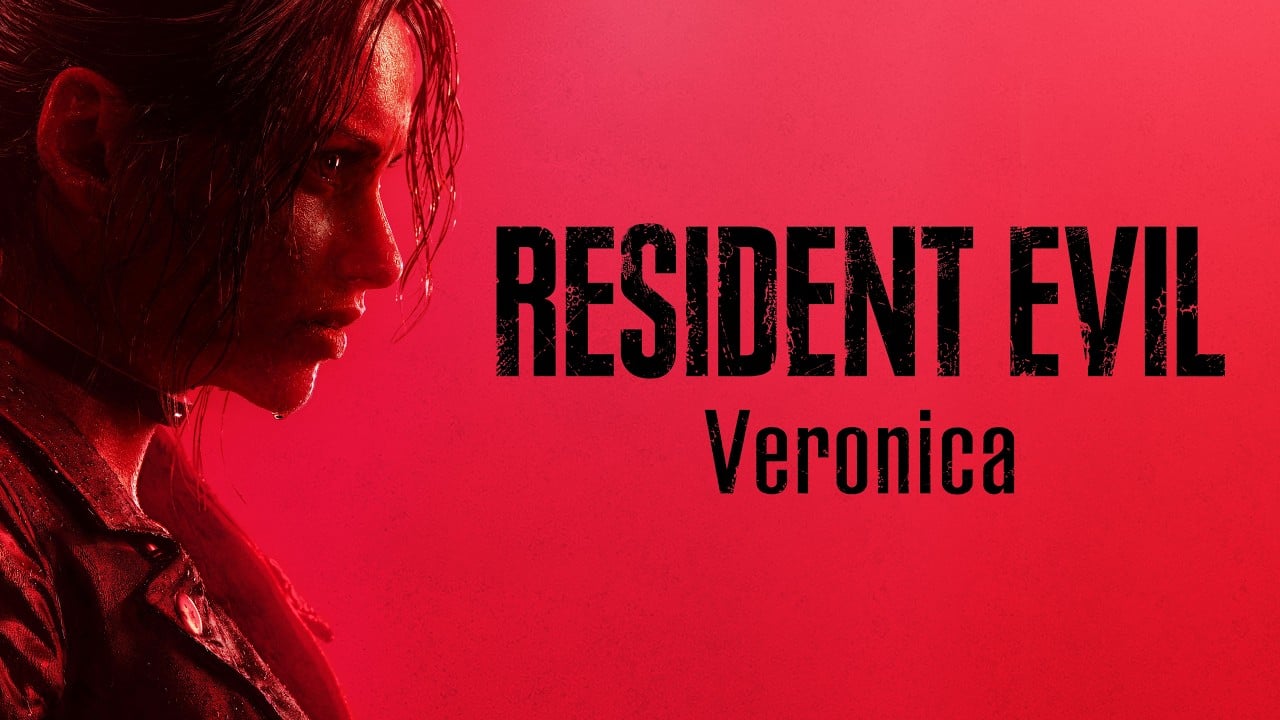
Resident Evil Veronica is officially bringing one of Capcom’s most requested survival horror returns into 2027, and it already feels like a big moment for fans who have spent years asking when Code Veronica would finally receive the remake treatment. Rather than using the full original title, Capcom has presented the remake as Resident Evil Veronica, giving the classic Dreamcast-era story a cleaner modern identity while keeping its connection to Claire Redfield, Rockfort Island, and the strange, twisted horror that made the original stand apart. The remake is planned for Nintendo Switch 2, PlayStation 5, Xbox Series X|S, and PC via Steam, making it a major multiplatform release in Capcom’s ongoing revival of classic Resident Evil entries. With RE Engine technology, modernized gameplay, reimagined story presentation, and more detailed visuals, Resident Evil Veronica has the chance to turn a beloved but sometimes overlooked chapter into a much more approachable survival horror experience. For longtime fans, this is more than another remake. It is the return of a missing link in the Resident Evil timeline, with Claire’s search for Chris Redfield once again pulling players into isolation, desperation, and the kind of zombie-filled chaos that makes every locked door feel like a bad idea waiting to happen.
Resident Evil Veronica brings Claire Redfield back into survival horror
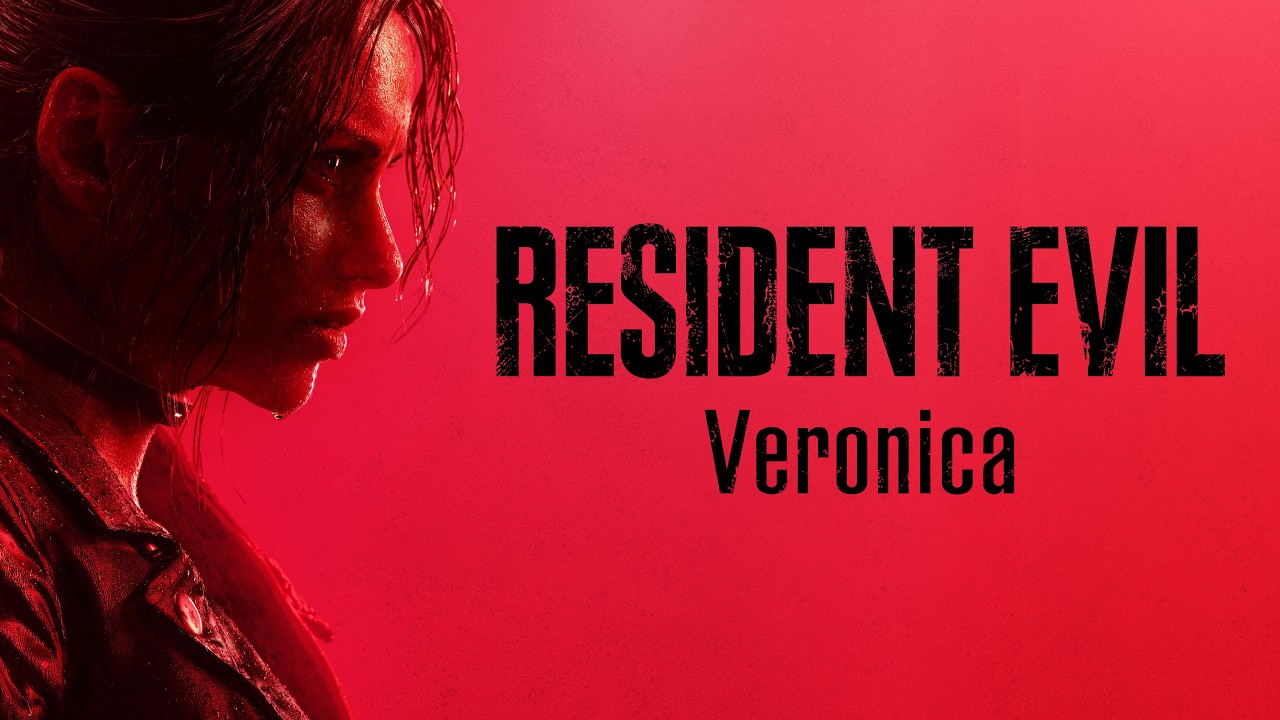
Resident Evil Veronica marks the return of Claire Redfield in a remake built around one of the series’ most discussed classic entries, Resident Evil Code: Veronica. Capcom has confirmed the remake for 2027, placing Claire back in the center of a story filled with isolation, danger, and the kind of gloomy survival horror atmosphere that makes players hesitate before turning a corner. That hesitation matters. It is part of what Resident Evil does best, turning ordinary movement through a corridor into a tiny negotiation with fear. With the remake now officially named Resident Evil Veronica, Capcom appears to be giving this chapter a streamlined identity while still honoring the original game’s role in the larger Resident Evil storyline.
The return of Claire is especially important because Code Veronica sits in a fascinating spot between Resident Evil 2 and later entries that expanded the series’ mythology. Claire is not just running from monsters here. She is searching for her brother Chris while being pulled into another nightmare shaped by Umbrella’s legacy, biological experiments, and aristocratic madness. That emotional drive gives the remake a strong foundation. Players are not simply surviving because the game says so. They are surviving because Claire has someone to find, questions to answer, and almost certainly a lot of locked doors to curse under her breath.
Why the Code Veronica remake matters to longtime Resident Evil fans
Resident Evil Code: Veronica has always had a different flavor from the numbered classics. It was stranger, colder, and more theatrical, with an island prison setting and a story that leaned into family secrets, obsession, and psychological unease. For many fans, that made it unforgettable. For others, it became the Resident Evil entry they heard about more than they actually played, partly because its original release history made it less accessible than the biggest numbered titles. That is why Resident Evil Veronica feels like such a meaningful return. It gives Capcom a chance to place this chapter in front of a much wider audience.
The remake also matters because Capcom has already shown how powerful these revivals can be when handled with care. Resident Evil 2 and Resident Evil 4 proved that a classic can be reshaped without losing its soul. The best Resident Evil remakes do not simply polish old walls and call it a day. They rebuild tension, pacing, combat, lighting, and character work until familiar moments feel freshly terrifying. Code Veronica has plenty of raw material for that approach. Its setting is harsh, its story is dramatic, and its survival pressure has room to become sharper with modern design. In other words, the bones are good. Now Capcom gets to give the monster new skin.
A 2027 release window gives Capcom room to sharpen the nightmare
Capcom has placed Resident Evil Veronica in 2027, without attaching a specific day or month at this stage. That wider release window is useful because it keeps expectations grounded while leaving room for more trailers, gameplay footage, and platform-specific details later. Survival horror remakes live or die by atmosphere and balance. Too much action, and the fear can leak out like air from a punctured tire. Too little momentum, and players may feel like they are waiting for the nightmare to start. A 2027 window gives Capcom space to show how the remake handles combat, exploration, enemy encounters, and story changes before players step onto Rockfort Island again.
That timing also keeps Resident Evil Veronica in a strong position within Capcom’s modern horror schedule. The series has enjoyed renewed momentum through recent remakes and newer mainline entries, so this project lands in a period where expectations are high. Fans will want more than a familiar name. They will want the remake to justify its return through meaningful upgrades, tighter pacing, and the kind of visual dread that makes every flickering light feel suspicious. Capcom does not need to reveal everything early. In fact, mystery suits Resident Evil well. Sometimes the scariest thing is the door that has not opened yet.
Switch 2 joins PS5, Xbox Series, and PC for the remake
Resident Evil Veronica is planned for Nintendo Switch 2, PlayStation 5, Xbox Series X|S, and PC via Steam, giving the remake a broad release across current gaming platforms. The Switch 2 version is especially notable for Nintendo fans, as it places another major Capcom survival horror release directly into the system’s library. Resident Evil has had a long and winding history on Nintendo hardware, from ports and cloud versions to beloved older releases, so seeing a fresh remake listed for Switch 2 from the start feels like a strong statement. For players who prefer taking horror on the go, that could be deliciously cruel. Nothing says comfort like being jump-scared while sitting on the couch under a blanket.
The multiplatform lineup also suggests Capcom wants Resident Evil Veronica to be treated as a major release rather than a niche remake. PS5, Xbox Series X|S, and PC versions will likely carry expectations around visual fidelity, smooth performance, and detailed environmental design. Switch 2 players will be watching closely to see how the RE Engine version compares across platforms. Capcom has not yet detailed performance targets, visual modes, file size, or physical release specifics, so those details should remain open until official updates arrive. What is clear is that the remake is being positioned for a large audience, and that fits the importance of Code Veronica within the Resident Evil legacy.
Rockfort Island returns as a colder and crueler horror setting
Rockfort Island is one of the biggest reasons Resident Evil Veronica has stayed in fans’ minds. It is not just another outbreak location. It is remote, oppressive, and packed with the kind of institutional cruelty that makes the environment feel hostile before the first zombie even appears. An isolated island is a perfect survival horror stage because escape already feels unlikely. Add infection, Umbrella secrets, and a prison-like atmosphere, and the place becomes a pressure cooker with bad lighting. The remake can use modern lighting, sound design, environmental detail, and camera work to make that isolation feel heavier than ever.
The original Code Veronica used its locations to build a sense of escalation, pushing players from confinement into broader conspiracies and stranger horrors. Resident Evil Veronica can strengthen that journey by making Rockfort Island feel more alive in the worst possible way. Creaking metal, distant screams, rain-soaked concrete, broken machinery, and rooms that look like they were abandoned five minutes after disaster struck can all help sell the nightmare. Capcom’s modern remakes have been particularly strong at turning spaces into characters. If Rockfort Island receives that treatment, it could become one of the remake’s biggest stars, even if it is the kind of star nobody wants to meet after midnight.
Claire Redfield remains the emotional anchor of the story
Claire Redfield gives Resident Evil Veronica its emotional core. She is capable, determined, and familiar with horror by this point, but she is not invincible. That balance is important. Claire can handle herself, yet the story works because the danger still feels personal. Her search for Chris creates a clear emotional thread through the chaos, which helps ground the stranger parts of Code Veronica’s plot. A remake can make that thread even stronger through updated performances, facial animation, rewritten dialogue, and more natural character moments. When horror gets wild, a strong human center keeps it from floating away like fog.
Modern Resident Evil storytelling tends to give characters more texture than the original versions could manage with older hardware and voice direction. That could be especially valuable here. Claire’s fear, frustration, resolve, and loyalty can all be sharpened without turning her into a different person. Players should feel that she has survived Raccoon City and carries that experience with her, but they should also feel that Rockfort Island is not just another bad day at the office. This nightmare should challenge her in new ways. If Capcom gets that balance right, Resident Evil Veronica can make Claire’s return feel both nostalgic and freshly urgent.
The RE Engine could transform the atmosphere and pacing
Resident Evil Veronica is being developed with Capcom’s RE Engine, which has become a defining tool for the series’ modern look and feel. That matters because Code Veronica’s horror depends heavily on mood. It needs shadows that seem to breathe, rooms that feel damp and wrong, and creatures that are frightening not just because they attack, but because they belong in a world that has gone rotten. The RE Engine gives Capcom the technical foundation to make those details land with far greater intensity. A remake of this particular game does not just need better graphics. It needs a full atmospheric rebuild.
Visual realism can also change pacing. When environments are more detailed, exploration becomes more deliberate. A desk, shelf, stain, or half-open door can pull the player’s eye and create suspicion. Is that detail important? Is something hiding there? Is this room safe, or is the game quietly laughing at you? The RE Engine can support that kind of tension through lighting, animation, physics, and sound placement. It can make silence feel heavy and movement feel risky. For a game built around desperation and escape, those upgrades could make familiar locations feel newly dangerous even for players who know the original story well.
Modernized gameplay can make Code Veronica feel dangerous again
Capcom has described Resident Evil Veronica as preserving the essence of the original while introducing modernized gameplay, a reimagined storyline, and more detailed graphics. Modernized gameplay is the phrase fans will watch most closely because Code Veronica has mechanics that can feel demanding or dated to modern players. The remake has a chance to keep the pressure of survival horror while smoothing out friction that no longer serves the experience. Inventory management, aiming, enemy behavior, save pacing, puzzle flow, and boss encounters could all benefit from careful updates. The trick is not making everything easy. The trick is making every hard choice feel fair.
A great remake does not remove danger. It refines danger. Resident Evil Veronica should still make players count ammunition, weigh healing items, and wonder whether that next hallway is worth the risk. The difference is that modern controls and encounter design can make the fear feel intentional rather than awkward. Players should blame their choices, not the interface. That distinction matters because survival horror thrives when consequences feel earned. Use too many bullets early, and a later encounter becomes stressful. Ignore exploration, and a useful item may remain hidden. Walk too confidently into a quiet room, and, well, Resident Evil has always enjoyed teaching that lesson the hard way.
A reimagined storyline can keep veterans guessing
Resident Evil Veronica has a chance to rework story presentation without discarding what made Code Veronica memorable. The original game’s plot includes dramatic family history, intense villainy, and major connections to the wider Resident Evil timeline. A remake can preserve those pillars while reshaping scenes so they feel more grounded, cinematic, and emotionally convincing. That does not mean every strange edge needs to be sanded down. Code Veronica’s oddness is part of its personality. The goal should be to make the madness hit harder, not to make it plain oatmeal with zombies sprinkled on top.
For returning fans, reimagined story beats can create uncertainty. That is valuable. If every scare, reveal, and encounter lands exactly where expected, the remake risks becoming a museum tour with better lighting. By adjusting pacing, expanding character moments, and changing how certain events unfold, Capcom can make veterans nervous again. New players can experience the story without needing homework, while longtime fans can enjoy the thrill of recognizing the shape of the old nightmare without knowing every step. The best remakes feel like memory playing tricks on you. You know the room, but something is off.
Future trailers should clarify combat, camera, and story changes
Capcom’s first reveal has established the remake, its broad release timing, and its core identity, but several major questions remain. Fans will want to know how the camera works during gameplay, how combat compares to recent Resident Evil remakes, how much of the original structure remains intact, and whether familiar characters beyond Claire will be highlighted in future footage. These details matter because Code Veronica has a passionate audience, and passionate audiences tend to inspect trailers like detectives staring at a corkboard. Every shadow, weapon, costume, and line of dialogue will probably be paused, zoomed, and debated within minutes.
That attention can work in Capcom’s favor. Resident Evil fans enjoy mystery, and the remake gives the company plenty of room to build anticipation through staged reveals. A gameplay showcase could focus on exploration and survival systems. A story trailer could reintroduce key characters and locations. Platform updates could explain how Switch 2, PS5, Xbox Series X|S, and PC versions compare. Until those details arrive, the safest expectation is simple: Resident Evil Veronica is a full remake of Code Veronica planned for 2027, built to modernize gameplay and presentation while retaining the original’s survival horror identity.
How Resident Evil Veronica fits Capcom’s remake strategy
Resident Evil Veronica fits neatly into Capcom’s successful approach to reviving older Resident Evil entries for modern audiences. The company has already shown that remakes can serve two groups at once: fans who remember the originals and players discovering them for the first time. That dual appeal is powerful. Longtime players bring nostalgia, expectations, and plenty of opinions. New players bring curiosity and fewer assumptions. A remake has to satisfy both without becoming trapped by either. Code Veronica is a strong candidate because it has a loyal reputation, important story connections, and enough distance from modern design standards to benefit from a serious rebuild.
The remake also helps fill a visible gap in the modernized Resident Evil lineup. Resident Evil 2, 3, and 4 have all received remake treatment, while Code Veronica has often been discussed as the one that deserved another chance. Bringing it back now gives Capcom an opportunity to reframe its importance. It is not merely a side story to be remembered by dedicated fans. It is part of the larger Redfield saga and a bridge between eras of Resident Evil storytelling. With Resident Evil Veronica, Capcom can make that bridge sturdier, scarier, and much harder to cross without a few herbs in your pocket.
What fans should expect from future updates
Future updates for Resident Evil Veronica will likely focus on gameplay clarity, story presentation, and platform details. Players should expect Capcom to show more of Claire, Rockfort Island, and the remake’s survival systems before launch. The most important information still missing includes a specific release date, edition details, performance targets, physical release plans, and whether any platform will receive unique features. Since the remake is scheduled for 2027, those answers may arrive gradually through trailers, showcases, store listings, and Capcom announcements. That slower rollout is normal for a major reveal, especially one with so much fan expectation wrapped around it.
It is also worth keeping speculation separate from confirmed details. Resident Evil fans love theories, and honestly, who can blame them? The series practically invites corkboard thinking with its viruses, secret labs, family dynasties, and suspiciously dramatic architecture. Still, the confirmed core is strong enough on its own. Resident Evil Veronica is real, it is a remake of Resident Evil Code: Veronica, Claire Redfield is returning, the game is coming in 2027, and the announced platforms include Switch 2, PS5, Xbox Series X|S, and PC via Steam. That gives fans plenty to look forward to without leaning on rumor.
Conclusion
Resident Evil Veronica is shaping up to be one of Capcom’s most important horror revivals because it brings back a classic that has lived in fan conversation for years. By returning to Claire Redfield, Rockfort Island, and the unsettling legacy of Code Veronica, the remake has a chance to make an essential Resident Evil chapter feel current without losing its sharp, strange personality. The 2027 release window leaves many questions open, but the foundation is already strong: modernized gameplay, reimagined storytelling, detailed visuals, RE Engine development, and a full platform lineup that includes Nintendo Switch 2, PlayStation 5, Xbox Series X|S, and PC. For fans who have waited a long time, the message is simple. Claire is coming back, the island is waiting, and survival horror is about to get wonderfully uncomfortable again.
FAQs
- What is Resident Evil Veronica?
- Resident Evil Veronica is Capcom’s remake of Resident Evil Code: Veronica, the classic survival horror game first released in 2000. The remake updates the original with modern gameplay, reimagined story presentation, and more detailed visuals while keeping Claire Redfield and the core survival horror premise at the center.
- When will Resident Evil Veronica be released?
- Resident Evil Veronica is planned for release in 2027. Capcom has not yet announced a specific release date, so details such as the launch month, editions, and preorder information should be treated as pending until official confirmation arrives.
- Which platforms will Resident Evil Veronica launch on?
- Resident Evil Veronica is planned for Nintendo Switch 2, PlayStation 5, Xbox Series X|S, and PC via Steam. Capcom has not yet shared detailed performance targets, platform-specific features, or file size information.
- Is Claire Redfield the main character in Resident Evil Veronica?
- Yes, Claire Redfield returns as the central character in Resident Evil Veronica. The story follows her through a desperate survival horror scenario connected to Rockfort Island, Umbrella’s legacy, and her search for Chris Redfield.
- Will Resident Evil Veronica use the RE Engine?
- Yes, Resident Evil Veronica is being developed with Capcom’s RE Engine. That should allow the remake to deliver more realistic environments, stronger atmosphere, updated character models, and modern horror presentation built around current hardware.
Sources
- Resident Evil Veronica, Capcom, June 2026
- The Next Big Resident Evil Remake Is Code Veronica, Kotaku, June 5, 2026
- Capcom’s Resident Evil: Code Veronica remake is coming in 2027, Engadget, June 5, 2026
- Resident Evil Veronica Confirmed for PS5, Out in 2027, Push Square, June 5, 2026
- Resident Evil Code Veronica announced by Capcom coming to Switch 2 in 2027, My Nintendo News, June 6, 2026