














Summary:
Masahiro Sakurai announced the retirement of the Game Designers Award at the Japan Game Awards on September 15, 2026, explaining he could not find a successor to carry the mantle after 16 years. He stressed that originality often does not translate to sales, using a simple analogy about convenience store drinks, but warned that an industry that abandons creativity risks a slow decline. The final winner of the award was Word Game by Team9, a distinctive puzzle experience built around language. This decision highlights a wider tension between commercial success and experimental design and raises questions about how innovation will be recognised going forward. NintendoReporters will continue to track how developers, publishers, and players respond as the industry balances safety and invention.
What Sakurai announced at the Japan Game Awards 2026
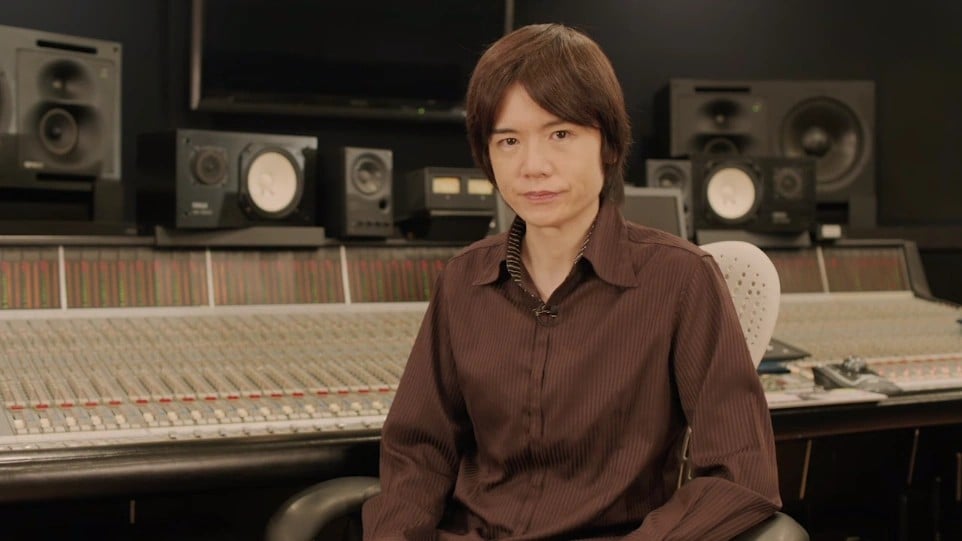
At the ceremony on September 15, 2026, Masahiro Sakurai publicly confirmed that the Game Designers Award – the prize he created in 2010 to spotlight creativity – will end after this year. He explained that the role requires a chair who can gather and lead a panel of directors with a track record of innovative work, and after years of searching no one was willing or able to take on the responsibility. That explanation matters because the award did more than hand out a trophy – it acted as a counterweight to popularity-driven prizes by elevating risk-taking ideas. For many developers and fans, hearing Sakurai make this choice felt like the end of a small but meaningful tradition that celebrated experimentation in gameplay and form.
Why the Game Designers Award mattered in the first place
The Game Designers Award mattered because it recognised games that pushed ideas rather than simply chasing sales. Over its 16-year run the prize highlighted titles that questioned what a game could be – from text-driven experiences to unconventional mechanics and surprising artistic choices. This created a public record of titles that inspired other creators and gave smaller teams a spotlight they might not otherwise receive. Awards that reward creativity help keep the conversation about design alive, and they give players a curated path to discover titles outside mainstream marketing funnels. Losing that dedicated space will be felt by studios that rely on recognition to reach curious players.
What Sakurai said about originality and sales
Sakurai made a blunt observation: originality often has little effect on sales. To make that point he used a simple analogy comparing new, experimental releases to the rotating new drinks in a convenience store – most people choose what they already like. That reminder is a reality check for anyone who assumes novelty automatically leads to commercial success. Still, Sakurai followed that point with a warning: if the industry gives up on originality entirely, it will slowly decline. His message balances realism with urgency – he did not say originality must always win financially, only that it must survive culturally and structurally so the medium can keep evolving.
The final winner – Word Game by Team9 and what it represents
The last title to receive the Game Designers Award was Word Game, developed by Taiwan-based Team9. Word Game constructs its world and puzzles out of written language itself, using characters as both objects and scenery. That kind of design shows why the award existed: it rewards ideas that are difficult to market by convention but powerful in concept. Word Game is also a reminder that creativity can be culturally specific – mechanics tied to Chinese characters present unique opportunities and translation challenges. Its recognition as the final winner underscores how the award leaned toward titles that challenge assumptions about what interactive play can be.
What this decision means for the industry and indie developers
Removing a public platform that specifically highlighted originality narrows one of the clear routes for indie and experimental teams to gain attention. Without that dedicated recognition, risk-taking projects will rely more heavily on grassroots word of mouth, niche press coverage, and platform curation to reach an audience. That may mean a longer, tougher climb for games that don’t fit established genres, but it also opens space for other forms of recognition to emerge – new festival prizes, publisher initiatives, or platform support programs. Still, the absence of a high-profile award created by a respected creator like Sakurai leaves a symbolic gap that will be hard to replace.
Why originality still matters even when it doesn’t equal big sales
Originality feeds the long-term health of an industry the same way genetic variation keeps a species adaptable – it sparks new directions, tools, and audience experiences. Even if one unusual idea does not become a bestseller, that idea can inspire mechanics, user interfaces, or narrative approaches that later appear in mainstream titles. Think about how small experiments in control schemes, camera design, or narrative fragments have later informed genre staples. If studios and platforms stop funding or showcasing those experiments because they do not promise immediate returns, the pipeline for future breakthroughs narrows and the market becomes flatter and less interesting.
How publishers, platforms, and communities can respond
There are practical steps industry players can take to preserve room for innovation. Publishers can set aside smaller budgets for experimental projects and create clear pathways for those teams to get visibility. Platforms can curate experimental showcases or themed collections to guide curious players. Communities and media outlets can keep spotlighting inventive teams and offering constructive coverage rather than only chasing clicks. Funders and incubators can prioritize creative risk as a quality to be nurtured. All of these approaches help maintain a healthy ecosystem for novelty even when mass markets favour safe, proven formulas.
How NintendoReporters will follow the story and support discovery
NintendoReporters will keep tracking reactions from developers and players, and continue highlighting games that take chances and expand what Nintendo-focused audiences can expect. Expect ongoing coverage of innovators on Nintendo platforms and beyond, and features aimed at helping readers discover titles they might miss. If you want a steady stream of Nintendo-specific news and findability for unique releases, check out our front page and Nintendo news section where we collect and explain relevant stories and releases. Our goal is to be the place where Nintendo fans can learn about modern and classic experiments in play without wading through unrelated headlines.
How fans can support originality and find overlooked games
As a player you have more influence than you might think. Buying a copy, writing a short review, or sharing play clips can help a niche game reach new audiences. Playing demo versions, subscribing to indie showcases, and following developers on social channels are low-effort ways to keep experimental teams visible. If a particular mechanic or idea resonates with you, talk about it – posts and videos that explain why a game matters help other players see it differently. Small, sustained actions from engaged communities are often the difference between an experimental title vanishing and becoming the seed for something bigger.
Practical tips for developers who want to stay creative
Developers facing market pressure can try several tactics to protect experimental instincts. One option is to split teams so a core group focuses on reliable projects while a smaller unit runs short, cheaper experiments. Another is to prototype openly with community feedback, using early access or platform betas to establish a receptive audience. Collaborations, game jams, and cross-cultural partnerships can yield fresh mechanics at low cost. Finally, documenting and sharing design decisions helps build a public portfolio that proves creative value to future partners and funders.
Looking ahead – where originality could find new homes
Even without Sakurai’s award, originality can find new champions. Platform curators, cultural institutions, indie-focused publishers, and creative funding bodies are natural candidates to pick up the torch. Player-driven curation through streaming and social channels can also push experimental titles into the spotlight when influencers or dedicated communities embrace them. The work of promoting and preserving novelty will likely scatter across many small efforts rather than concentrating in a single high-profile prize – but that diffusion could make discovery more resilient if enough actors commit to it.
Conclusion
Masahiro Sakurai’s decision to retire the Game Designers Award is a clear signal about the practical limits of running a prize tied to a single champion. His remarks on originality and sales are a sober reminder that creative risk does not always pay off immediately, yet it remains essential to the medium’s vitality. The industry will need multiple, smaller champions to keep innovation alive – from platforms and publishers to communities and individual players. NintendoReporters will continue to highlight inventive work and help readers find games that challenge expectations and keep play interesting.
FAQs
- Why is the Game Designers Award ending?
- Sakurai said he could not find a successor willing and able to lead the award, a role that requires inviting and coordinating judges who are directors known for innovation.
- Who won the final Game Designers Award?
- The final winner was Word Game by Team9, an interactive puzzle title that uses language and characters as core mechanics.
- Did Sakurai say originality hurts sales?
- He noted originality often has little influence on sales, giving an analogy about how people tend to stick with familiar choices, but he also warned that abandoning originality risks the industry’s long-term health.
- How can players help experimental games succeed?
- Players can buy, review, share, and stream niche titles, participate in demo programs, and support indie showcases to increase visibility for original games.
- Will another award replace Sakurai’s prize?
- There’s no announced replacement yet; recognition could instead come from platforms, festivals, publishers, or community-driven initiatives over time.
Sources
- Masahiro Sakurai discontinues Game Designers Award after 16 years after failing to find successor, warns fellow devs that an industry without originality “will die a slow death”, Automaton West, September 16, 2026
- 〖日本ゲーム大賞2026 年間作品部門 発表授賞式〗年間作品部門 大賞は、「ぽこ あ ポケモン」経済産業大臣賞は、「ポケットモンスター」本年で幕を閉じるゲームデザイナーズ大賞は、「文字遊戯」に決定!, Computer Entertainment Supplier’s Association (CESA) Press Release, September 15, 2026
- Sakurai Believes Industry Will “Slowly Die” Without Innovation As He Discontinues Game Designers Award, Nintendo Life, September 16, 2026
- Smash Bros and Kirby creator Masahiro Sakurai warns “an industry that loses its originality will simply die a slow death” as he retires his Game Designers Award after 16 years, GamesRadar+, September 16, 2026