













Summary:
Masahiro Sakurai recently told Denfaminico Gamer that the fast rise of AI tools is likely to swell the number of new games, but not necessarily improve their quality or commercial success. He pointed to the huge volume of releases on platforms like Steam and argued that AI-driven production will often result in repetitive, low-value titles that struggle to find an audience. Sakurai also stressed that originality remains a scarce, valuable trait that AI cannot invent on its own, and he touched on broader development challenges that push studios to look at automation to control costs. For Nintendo fans, his warning is a reminder to pay attention to creators, not just output, and to value unique ideas that stand out from the noise. NintendoReporters will keep tracking these discussions and their impact on Nintendo-focused releases and communities.
What Sakurai actually said about AI and unoriginal games
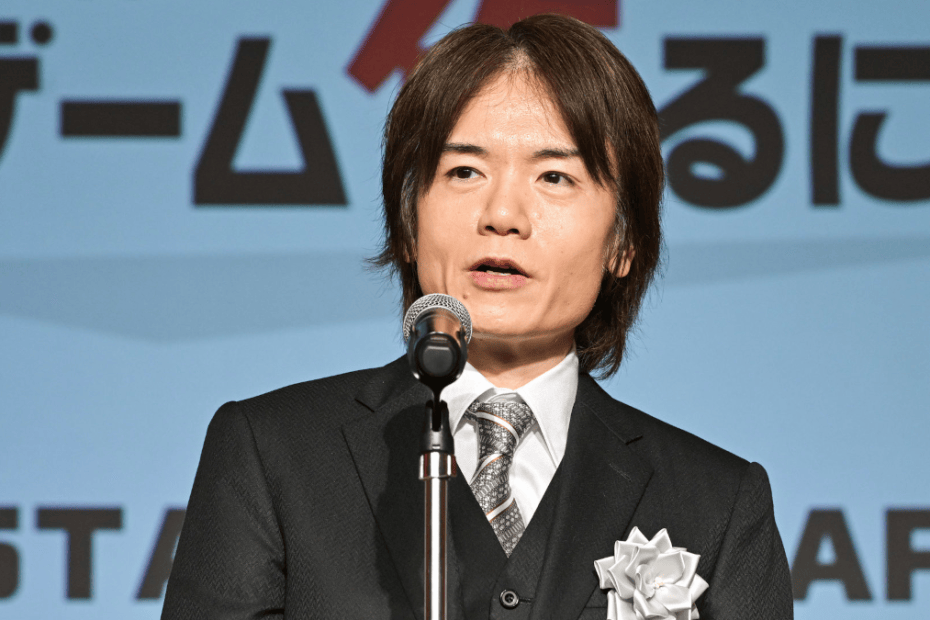
Masahiro Sakurai spoke to Denfaminico Gamer recently about the state of game development and the growing role of AI, and his message was both blunt and clear. He pointed out that digital storefronts already see tens of thousands of releases each year and suggested AI tools will only amplify that volume, creating more releases but not more genuine innovation. His core concern is not technology for technology’s sake but the likely quality outcome: many of those extra titles will be derivative, cobbled together from familiar mechanics and systems, and end up failing to find players. That’s not just a critique of AI – it’s a practical warning about discoverability, player trust, and the health of the market when output rises faster than attention.
Why an AI-driven flood could produce unprofitable games
There’s a simple economic logic behind Sakurai’s worry: when supply balloons faster than demand, discoverability collapses. Developers can produce scenes, art, or levels faster with generative tools, but marketing budgets, storefront placements, and player attention don’t scale the same way. That means a huge share of new releases could remain invisible, and many will be poor imitators of existing templates rather than fresh, risk-taking designs. Sakurai suggested that AI tends to iterate on patterns it has seen rather than inventing truly new systems, so the market risks filling up with lookalike titles that fail to excite players or sustain revenue. For smaller teams or hobbyists, the bar to publish may fall, but so will the chance of finding a loyal audience unless a title genuinely stands out.
Sakurai on originality versus commercial success
Sakurai has long championed originality, and he’s candid about the uncomfortable truth: originality often doesn’t equal big sales. He reminded readers that risk-taking ideas frequently trade off mass appeal for uniqueness, which can make them harder to sell. In the context of AI, that trade-off becomes more complicated because AI can mass-produce derivative experiences cheaply, pushing those riskier, original projects further into the shadows. His comments were also a call to value the creative choices and human judgement that make a game special – elements that AI can mimic on the surface but cannot genuinely create from first principles. For fans and players this means looking beyond hype and metrics and asking what a game brings that no one else does.
Market signals and the 19,000 Steam releases example
In the interview Sakurai referenced industry numbers like the roughly 19,000 games released on Steam in a recent year to illustrate how crowded storefronts already are, and the point landed: AI will likely push that figure higher. Numbers like these are a concrete way to visualise how noisy the market has become – tens of thousands of entries competing for a limited pool of attention. When you combine big output with low curation, discoverability tools and editorial filters end up carrying more weight in determining what players find. Sakurai’s example isn’t an attack on indie developers or platforms; instead it’s a warning to expect quantity without a guaranteed rise in meaningful quality, and to be skeptical about whether more releases automatically mean more value for players.
How developers could still use AI responsibly
AI does not have to be a recipe for mediocre products. Sakurai’s concern is about mass-produced sameness, not the tools themselves, and there are sensible ways teams can use AI without sacrificing creative integrity. Smart studios can use AI to automate repetitive tasks, speed up iteration, or prototype risky ideas faster while keeping design judgment and core creative decisions firmly in human hands. That means using AI to free up time for playtesting, polish, and inventive systems instead of outsourcing core design. The best-case scenario would be AI lifting the grunt work so developers can focus on meaningful mechanics, narrative beats, and player-focused tuning that machines can’t originate by themselves.
What NintendoReporters recommends for Nintendo fans and creators
For readers who live and breathe Nintendo, Sakurai’s words are worth a close listen. Follow trusted voices and curation rather than relying on sheer release volume, and pay attention to the teams and designers behind a title. If you want curated Nintendo coverage and signal in the noise, check our Nintendo News section for focused reporting and recommendations. Creators should consider AI as an assistant, not the author: keep the unique design DNA intact, test with real players, and resist the temptation to ship half-baked products because they were cheap to produce. That mindset helps preserve the kind of originality Sakurai values while still taking advantage of efficiency gains where they make sense.
What this discussion means for players and collectors
If Sakurai’s prediction plays out, players will need to become savvier curators. With more releases, personal filters – friends’ recommendations, trusted outlets, and community picks – will matter more than ever. For collectors, the flood of titles could create an odd secondary market in genuinely original or nostalgic works, while the majority of mass-produced items fade quickly. That’s not inherently bad; a larger pool of creators can produce surprising gems, but those gems will be harder to find without strong discovery tools or community champions. For Nintendo-focused players, leaning on dedicated, Nintendo-only coverage can cut through the clutter and spotlight the games that matter, which is exactly the kind of signal NintendoReporters aims to offer.
How the industry might adapt and what to watch for next
Expect both technological and business responses: better curation and moderation on storefronts, editorial and influencer curation that highlights quality, and shifts in monetisation strategies to reward engagement over raw output. Developers may create higher-quality prototypes and rely on early access communities to test and refine before full launch. Publishers and platforms will face new pressure to distinguish legitimate work from mass-produced clones, and that could mean stricter submission rules or improved AI-detection tools. For players, watch how discoverability features evolve, which studios invest in human-led polish, and which projects attract genuine community support rather than short-lived hype.
Conclusion
Sakurai’s remarks are not a tech panic but a perspective from someone who has spent decades crafting games that stand out. His warning about AI’s potential to flood the market with unoriginal, unprofitable games is a useful reminder: tools change the pace of production, but they don’t replace the creative spark that makes a title memorable. For NintendoReporters readers, that means staying curious, following trusted sources, and supporting developers who aim for originality. The market will shift, but player taste and community curation still matter most in helping the truly great games rise above the noise.
FAQs
- Will AI make every new game unoriginal?
- No – AI can generate assets and assist design, but originality comes from human ideas, design choices, and novel systems that AI alone cannot reliably invent.
- Does Sakurai think AI has no place in development?
- He’s not dismissing AI outright; his comments warn about outcomes when AI is used to mass-produce derivative work rather than to improve efficiency while preserving creative control.
- How can players spot quality amid many releases?
- Look for developer reputation, early reviews from trusted sources, community feedback, and coverage from specialist sites that focus on a platform or franchise.
- Will this affect Nintendo’s first-party games?
- First-party Nintendo titles are typically crafted with long-term design oversight; any broad market changes will likely have more impact on smaller indie releases than on major Nintendo franchises.
- Where can I follow reliable Nintendo-focused coverage?
- NintendoReporters provides Nintendo-only news and analysis, and you can follow our Nintendo News section for updates and recommendations.
Sources
- 私、「ゲームに与える賞」って好きじゃないんですね。審査員長を終えたいま桜井政博が語る、「ゲームデザイナーズ大賞」を16年続けた理由──そして桜井さんの考える、「ゲームに与える賞」の価値とは, Denfaminico Gamer, October 16, 2026
- Sakurai believes increased AI usage is set to lead to unoriginal and unprofitable games, My Nintendo News, October 21, 2026
- Super Smash Bros and Kirby creator Masahiro Sakurai says original games will be harder for AI to rip off, but originality also makes your game harder to sell, GamesRadar, October 16, 2026
- Smash Bros. director Masahiro Sakurai says large-scale game development is “unsustainable”, thinks generative AI can help, Nintendo Everything, June 22, 2025