



Summary:
SEGA’s recent financial figures show Sonic game sales reached 1.97 million units across the first six months of the fiscal year, with 990,000 units sold between July and September 2026. That number follows 980,000 units from April through June, producing a modest quarter-to-quarter uptick but an overall 10.9 percent decline versus the same period last year. For Nintendo fans, Sonic’s continued presence on Switch platforms and cross-platform releases means these figures are worth watching: they hint at which Sonic titles are moving, how DLC and Year Two content can sustain interest, and how films and licensing tie back into game revenue. NintendoReporters will keep tracking any further breakdowns SEGA provides and what it means for Switch and Switch 2 players.
SEGA’s latest sales snapshot: what the 1.97 million figure actually shows about Sonic Games
SEGA’s headline figure of 1.97 million Sonic units sold over six months gives a clear snapshot but leaves a lot of detail out. The number combines full-game sales across the franchise rather than highlighting single-title breakouts, which means a steady stream of catalogue purchases, recent new releases, and perhaps discounted reissues could all be contributing. While 1.97 million sounds healthy on the surface, the company also reports a 10.9 percent year-on-year drop for the same span, so the context matters: are fewer people buying new Sonic releases, or are they picking up older entries and remasters during sales windows? Either way, the figure tells us the IP still moves units, but it also points to a quieter pipeline compared with the prior year. That nuance matters if you care about future releases, developer focus, or how SEGA might pivot marketing and DLC support.
Quarter breakdown and why each three-month slice matters
Looking closer at the two quarters behind the total—980,000 units from April to June and 990,000 from July to September—gives a sense of stability rather than explosive growth. Each quarter moving close to a million units suggests repeatability: Sonic can still generate reliable sales across seasons. But that near parity also hints that there wasn’t a single breakout release dominating the six months; instead multiple titles, bundles, or ongoing live-service content likely contributed. For people tracking sales trends, quarter splits matter because they reveal timing effects: a strong holiday window or a major new release can skew yearly comparisons. With the current split, SEGA looks to be maintaining an engaged core audience while relying on catalogue, discounts, and ancillary income to keep numbers steady.
Which Sonic titles are likely behind the recent sales
SEGA didn’t publish a title-by-title breakdown in the headline data, so guessing requires looking at recent activity. Sonic Racing CrossWorlds received Year Two content recently and is an obvious candidate for renewed interest; race fans and returning players grabbing DLC or new editions can inflate totals. Meanwhile, Sonic Frontiers and Sonic Superstars still circulate in digital storefronts and get periodic discounts, keeping catalogue sales healthy. Don’t forget new or remastered releases for platforms like the Nintendo Switch and Switch 2, which extend reach beyond traditional console buyers. Put simply: a mix of ongoing live updates, DLC, remasters, and discounts across platforms is the most likely explanation for the steady quarter numbers SEGA reported.
Year-on-year decline: why a 10.9 percent drop isn’t the whole story
A 10.9 percent decline year-on-year will make headlines, but it doesn’t necessarily signal a franchise in freefall. Sales comparisons depend heavily on release schedules: the prior year may have included big new launches, special editions, or heavy movie-related spikes that are hard to match. Licensing and film distribution revenue—especially with recent and upcoming Sonic films—can change how the company recognizes income and can create spikes in associated game demand. Seasonal discounts, platform launches, and a thinning slate of brand-new first-party releases will also show up as year-on-year declines. In short, the drop is worth noting, but it’s more meaningful when paired with release schedules, DLC plans, and film release effects.
How this affects Sonic on Nintendo platforms
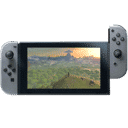
Sonic’s performance matters to Nintendo players because the franchise exists strongly on Switch platforms and will likely continue to do so on the Switch 2. When SEGA reports steady unit movement, Nintendo owners can expect ongoing support such as ports, optimizations, and DLC that keep titles active in the eShop. Reliable sales across quarters make it more likely SEGA will continue releasing Switch-friendly versions and prioritize performance or touchscreen features for handheld play. If you’re someone who watches eShop discounts, these sales numbers suggest Sonic titles will continue cycling through promotions that are worth checking—so keep an eye on your platform of choice for deals and updates.
Sonic Racing CrossWorlds, Year Two content, and live updates
Sonic Racing CrossWorlds getting Year Two content is a practical example of how ongoing updates move units. Multiplayer racing games benefit from fresh content because new tracks, characters, and events can bring former players back and attract new ones during promotional periods. Year Two content can also create windows where the base game is discounted to lower the barrier for fresh players, who then buy DLC or season passes. For Switch players, these rhythms matter because cross-platform updates and Nintendo-focused promotions often coincide with Nintendo Direct-style showcases or eShop spotlight weeks. In short, live-service elements and DLC help maintain steady sales in ways single releases cannot.
Media tie-ins: how films and licensing feed back into game sales
Sonic’s cinematic presence and broader licensing make a measurable difference to game sales. When a new Sonic film hits theaters or streaming, casual audiences get re-exposed to the brand, which often translates into higher game discoverability and catalogue purchases. SEGA’s financial reports note when distribution income from films begins to be recorded, and those same windows can lift game-related revenue. Licensing for toys, promotions, and cross-media events keeps Sonic visible in places gamers and non-gamers frequent, and visibility tends to drive impulse buys and renewed interest in older titles. For fans on Nintendo platforms, film cycles often lead to discounts and bundle tie-ins that make it easier to jump in or revisit classic entries.
Conclusion
SEGA’s 1.97 million Sonic units in the first half of the fiscal year shows the franchise still sells, even as year-on-year comparisons dip. The split between quarters points to steady interest rather than a single mega-hit, and DLC, remasters, and film tie-ins are likely keeping the numbers moving. For Nintendo players, that means continued availability across Switch platforms and likely promotional waves worth watching. We’ll keep tracking any deeper breakdowns SEGA provides and flag Switch-specific updates, port news, and DLC timelines that matter to players.
FAQs
- How many Sonic games were sold in the past six months?
- SEGA reported a combined 1.97 million full-game units sold across the Sonic franchise for the first six months of the fiscal year, with 980,000 in April-June and 990,000 in July-September 2026.
- Does SEGA say which Sonic titles made those sales?
- Not in the headline numbers; SEGA combined full-game sales across the franchise. However, recent activity like Sonic Racing CrossWorlds Year Two content and ongoing catalogue discounts are likely contributors.
- Why are sales down 10.9 percent year-on-year?
- Year-on-year comparisons depend on the prior year’s release slate, special editions, and promotional spikes. A quieter release schedule or fewer blockbuster launches in the current period can drive a percentage decline even if absolute sales remain steady.
- Will Sonic keep getting Switch or Switch 2 support?
- Steady sales make it likely SEGA will continue to support Nintendo platforms with ports, optimizations, and DLC. Keep an eye on official announcements for Switch and Switch 2 releases.
- Where can I find more updates about Sonic and Nintendo-related news?
- NintendoReporters covers Nintendo platform-related developments and will flag Sonic news that affects Switch players. Visit our main hub at 100% Nintendo for & by Nintendo fans! for ongoing coverage.
Sources
- SEGA reports 1.97 million Sonic game sales in six months, My Nintendo News, November 6, 2026
- Sonic Games Sell 990,000 Units in Latest Quarter as SEGA Reports 1.97 Million in Six Months, Sonic City, November 6, 2026
- SEGA Reports 1.97 Million Sonic Game Sales In Six Months, NintendoScoop, November 6, 2026
- Sonic Frontiers Surpasses 5 Million Units Sold Worldwide, SEGA CORPORATION, August 17, 2026