


Summary:
Shawn Layden, former PlayStation executive, has weighed in on the persistent rumours about a PS6 handheld companion to a home PlayStation 6. He points to Sony’s history with the PSP and PS Vita to argue that a company running two hardware platforms at once faces real marketing, development and resource tradeoffs that can leave one product neglected. Layden suggests Sony might need a separate, dedicated team or even a separate company to give a handheld the focus it deserves, rather than splitting budgets and messaging across competing projects. For Nintendo fans, this debate matters because it explains why Nintendo’s single-ecosystem approach – most notably the success of the Switch – has looked more resilient. NintendoReporters will keep tracking how those strategic choices could shape the next generation, what it could mean for game support, and why marketing decisions often decide a platform’s fate as much as technology does.
Shawn Layden’s Warning: Why Sony Struggles with Two Platforms
Shawn Layden’s main point is simple and sharp: running two separate gaming platforms at once forces painful compromises. He points to the PSP and PS Vita eras and to how the PS3 at times pulled attention away from portable efforts. That tension shows up in marketing budgets, developer support, retail focus and even internal messaging – every resource shifted toward one hardware line is one less resource for the other. For a company like Sony, which manages huge first-party projects alongside third-party relationships, these tradeoffs can quickly turn into neglect for the less-promoted platform. The argument is not about whether a handheld can be built; it is about whether it will be given the sustained, single-minded push that makes a platform thrive. If Sony repeats the old mistakes, a PS6 handheld risks becoming an underfunded afterthought rather than a full partner to the PS6 home console.
PSP, PS Vita and the Lessons Learned
History matters when execs talk strategy. The PSP sold well and had a standout moment with games like Monster Hunter, but piracy and fragmentation limited its long-term ecosystem. The PS Vita showed strong hardware and indie support later on, yet it never matched Nintendo’s handheld reach. Layden highlights how trying to deliver a full console experience on a portable device led to mismatched expectations and, ultimately, uneven results. For Sony, those products were technically impressive but commercially inconsistent because the company split attention across home and handheld priorities. The takeaway is not that Sony can’t make great portable hardware, it’s that making hardware is only half the battle – a platform also needs clear positioning, consistent marketing and a developer roadmap that doesn’t get cannibalised by the home console’s demands.
What the Rumours Say about a PS6 Handheld and Why It Matters
Rumours keep circling about Sony exploring a PS6 handheld while also developing a next-generation home console. Those reports matter because they raise a strategic question rather than a technical one: can Sony support two ecosystems in parallel without one starving for attention? Layden’s comments add weight to the doubt, suggesting that the company must decide whether to concentrate efforts or split them. For players, the practical effects of that choice are obvious – fewer marketing dollars can mean fewer exclusive games, less third-party support, and shorter lifecycles for one of the platforms. For anyone watching Nintendo closely, it’s a reminder that Nintendo’s unified ecosystem approach – which helped the Switch become a runaway success – plays a big role in long-term platform health. If Sony wants a handheld to matter, it needs more than rumours and hardware prototypes; it needs a sustained plan for software, marketing and developer relations.
How Nintendo’s Single-Ecosystem Strategy Differs
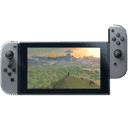
Nintendo’s approach has typically been to focus the company’s resources on one coherent platform strategy, and that concentrated focus helped the Switch connect hardware, software and marketing in a way that few rivals matched. By avoiding the distraction of separate handheld and home consoles, Nintendo could channel development, first-party teams and marketing into a single ecosystem. If you want a quick refresher on Nintendo’s platform trajectory or the latest Switch developments, see the dedicated Nintendo Switch overview on NintendoReporters at Nintendo Switch and the ongoing rumours around new hardware at Nintendo Rumors. Those pages show how sustained messaging and predictable hardware support keep players confident and developers committed to the platform.
Marketing, Development and Resource Tradeoffs
Marketing dollars are finite, and the way they are spent shapes a platform’s narrative in the public eye. Layden underscores an uncomfortable truth: even smart engineering can be undone by an uneven marketing push. The result is predictable – the product with the louder, longer marketing campaign becomes the flagship, while the other platform drifts toward niche status. Beyond marketing, development resources and QA teams get stretched too. Partnerships with third parties can suffer when publishers choose to prioritise the larger audience, leaving one platform with weaker launch support and fewer big-name titles. If Sony wants both a PS6 home console and a handheld to thrive, it needs separate strategies for retail, developer outreach, and software roadmaps – or it risks repeating the cycle that hampered the Vita’s long-term prospects.
Could Sony Spin Off a Separate Division for a Handheld?
Layden floated the idea of creating a separate company or division to run a handheld – a model that would let a team focus only on the portable product without competing for the same budgets or messaging as the home console team. That approach can create clarity of purpose and prevent the kind of internal tug-of-war Layden warned about. It’s not unheard of: large corporations frequently set up semi-autonomous units to incubate products that demand a different go-to-market strategy. The downside is structural complexity and potential brand fragmentation, but the upside is focus – a handheld team could build a tailored marketing plan, developer relations strategy, and lifecycle roadmap that suits a portable audience, rather than being constantly rebalanced against big console launches.
What This Means for Nintendo Fans and the Wider Market
For Nintendo fans, the prospect of Sony and Microsoft courting portable players is a mixed bag. Competition usually means more innovation and better options, but it can also mean duplicated effort and fractured developer support for niche platforms. NintendoReporters readers who follow the Switch and Switch 2 stories are likely to be watching how rivals position themselves – whether they try to offer a true handheld-first experience or attempt to shrink a console into a portable form. If Sony repeats past patterns, it may struggle to give a handheld the long tail of support it needs. Conversely, a focused handheld strategy could create a compelling alternative to the Switch family and Steam Deck-style devices, but only if backed by consistent marketing and exclusive software that makes the platform feel distinct and worth buying.
Key Takeaways
Shawn Layden’s warning boils down to one central idea: build the hardware and the market will only follow if you invest in both marketing and software consistently. A PS6 handheld is technically feasible, but the commercial risk lies in internal competition for attention and budgets. NintendoReporters will keep an eye on how those dynamics play out because they directly affect the games players get and the life cycle of any new hardware. Whether Sony creates a separate division, doubles down on marketing, or rethinks its hardware roadmap, the company’s choices will shape the next console generation in ways that go beyond specs – they will determine which platforms get the games, the updates, and the longevity fans expect.
Conclusion
Shawn Layden’s take is a useful reminder that platform success depends on strategy as much as technology. If Sony plans to return to handhelds, it will need to answer some hard questions about focus, funding and long-term support. For NintendoReporters readers who love Nintendo but keep an eye on the broader market, these conversations are vital – they explain why some consoles thrive and others fade, and they help set expectations for where players should invest their time and money. Keep following the signals – hardware rumours, developer commitments and marketing cadence all reveal how serious a company is about a new platform.
FAQs
- Why does Shawn Layden think Sony struggles with two platforms?
- Layden points to historical examples like the PSP and PS Vita where Sony split attention between handhelds and home consoles, forcing tradeoffs in marketing and development that hurt sustained support.
- Does this mean a PS6 handheld won’t happen?
- No – Layden’s comments don’t cancel the rumours; they highlight the strategic risks. Sony could still launch a handheld, but success requires focused funding, marketing and software support.
- How does NintendoReporters view Nintendo’s approach?
- We see Nintendo’s unified platform strategy as a major advantage – it channels resources into one ecosystem, which has helped the Switch family succeed. See more on our Switch coverage at Nintendo Switch.
- Could Sony avoid past mistakes by creating a separate team?
- Yes, creating a semi-autonomous division for handheld development and marketing could reduce internal competition for budgets and give the handheld a clearer identity and roadmap.
- What should Nintendo fans watch for next?
- Look for signs like dedicated marketing campaigns, third-party developer commitments, and long-term software roadmaps. Rumour roundups and reporting on Switch 2 and other platforms will help track how competition evolves – check ongoing coverage at Nintendo Switch 2.
Sources
- Shawn Layden Touches On PS6 Handheld Rumours By Saying Sony ‘Really Struggles’ Handling Two Pieces Of Hardware At Once, PlayStation Universe, September 8, 2026
- With rumours of PS6 handheld ex PlayStation boss warns “Sony has always struggled in marketing two platforms at the same time”, My Nintendo News, October 7, 2026
- Ex-PlayStation boss recalls Nintendo employee’s reaction to the PSP reveal: “You bastards”, GamesRadar+, October 6, 2026