














Summary:
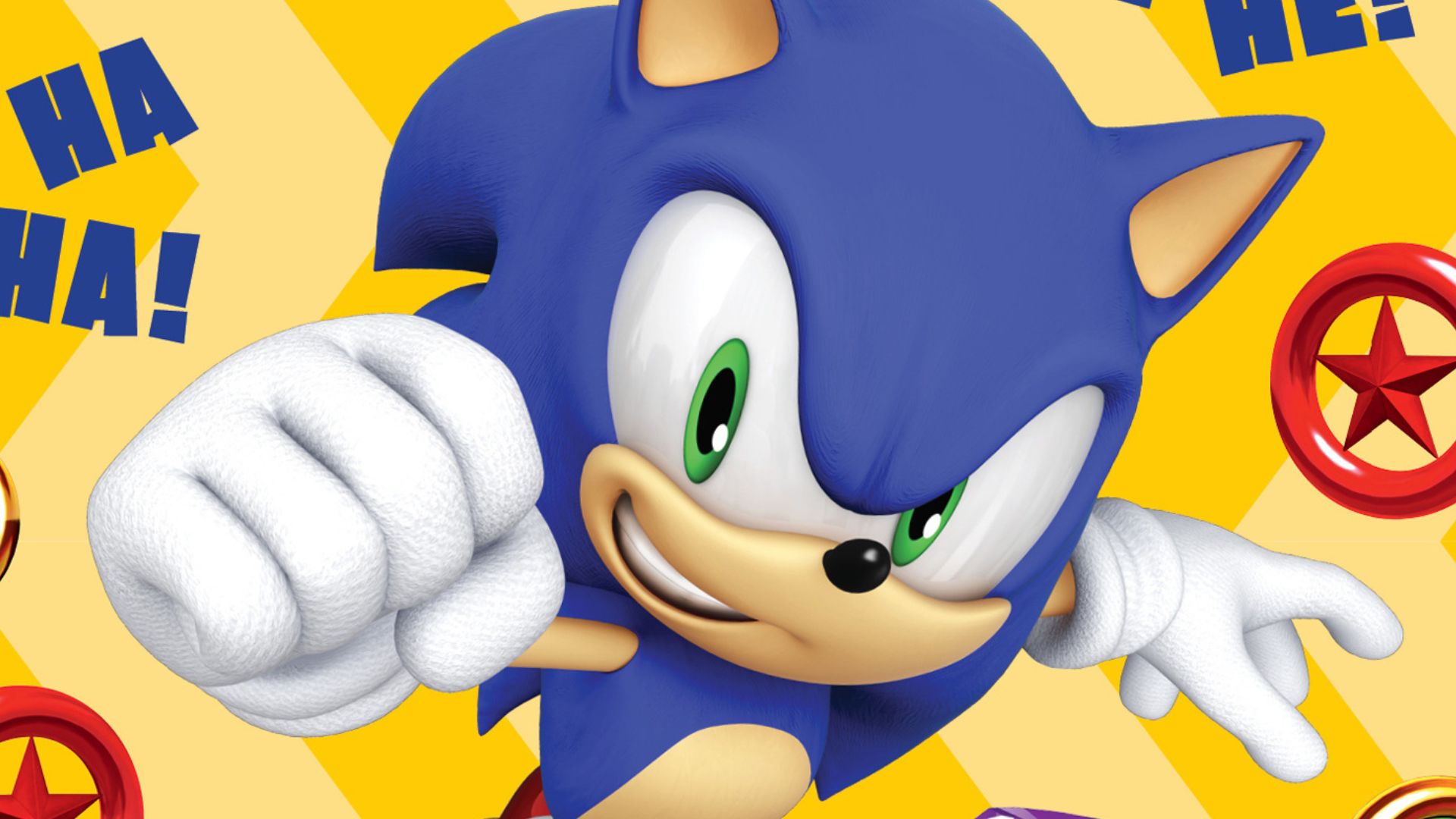
The Christian Whitehead-developed mobile versions of Sonic the Hedgehog and Sonic the Hedgehog 2 are being discontinued and are expected to be delisted on iOS and Android, following SEGA pulling support for these classic releases. For a lot of people, these were not just “old games on a phone.” They were the versions you recommended to friends because they felt fast, faithful, and surprisingly modern, like someone had taken a beloved vinyl record and cleaned it up without sanding off the personality. That is why this situation stings: it is not simply about losing a store listing, it is about losing the easiest, most reliable way to point someone at two of the most important platformers ever made.
What changes depends on how you interact with mobile storefronts. If you already have the games in your library, you will usually still be able to re-download them, at least for as long as Apple and Google keep them available to past owners. If you do not have them yet, delisting can shut the door completely, and it can happen without much ceremony. Support ending can also affect network-connected features, updates for new OS versions, and anything that relies on server-side services. The practical takeaway is simple: the window for taking action is before the storefront switch flips, not after. This is one of those moments where a two-minute decision today can save you a lot of frustration later.
What’s happening to Christian Whitehead mobile versions of Sonic 1 and Sonic 2
SEGA is discontinuing the excellent mobile ports of Sonic the Hedgehog and Sonic the Hedgehog 2 that were developed by Christian Whitehead, and they are set to be delisted from iOS and Android storefronts as support is pulled. In plain speak, this means the official listings can disappear, downloads can stop being available to new players, and future updates are no longer something you can count on. If you have ever watched a favorite snack vanish from supermarket shelves overnight, you already get the vibe here: it is not dramatic in the moment, but it is painfully final once you realize it is gone. The frustrating part is that these versions have often been treated as the “best easy recommendation” for mobile, so this change lands right where convenience used to live.
Why these versions mattered to players
These ports mattered because they did not feel like a reluctant conversion that merely tolerated touchscreens. They felt like someone cared about momentum, responsiveness, and the little details that make Sonic feel like Sonic. For many players, these were the versions that made classic Sonic click again, especially if you bounced off older releases that felt floaty, cramped, or awkwardly presented. There is also a social angle that is easy to overlook: when a version is cheap or easy to access, it becomes the shared language you use to talk about games with friends. You can say, “Go try this,” and you know they can actually do it without hunting down hardware, subscriptions, or obscure re-releases.
What “end of service” and delisting actually change
“End of service” and “delisting” sound similar, but they hit different parts of the experience. End of service is about support: updates slow down or stop, online-connected features can be disabled, and compatibility fixes for new phone operating systems become less likely over time. Delisting is about availability: the store page disappears for new users, and the simple act of grabbing the game becomes impossible through official storefront searches. Put together, the message is clear even if the timeline is messy: these releases are being put out to pasture. And once that happens, the experience becomes less about enjoying a classic and more about managing access, like you have to babysit your own library just to keep it safe.
Storefront availability vs. what you already downloaded
If you already “own” the games through your Apple ID or Google account, you are often in a better position than someone who never claimed them. In many cases, past downloads remain re-downloadable through your purchase history or library, even after a listing is removed for new users. The catch is that “often” is not “always,” and policies can vary by platform, region, and how a delisting is implemented. The safest mindset is to treat delisting like a closing door that does not come with a countdown clock you can rely on. If having these versions matters to you, the smart move is to make sure they are already tied to your account and installed at least once.
Ads, purchases, and feature switches
When publishers wind down mobile releases, they sometimes change how monetization works, because supporting ads, purchases, and payment systems can become a maintenance burden. In the broader SEGA Forever wave, multiple titles have had in-app purchases removed and have been made free for a period before removal, which changes the “grab it now” urgency for players who were on the fence. The other side of that coin is features: if leaderboards, multiplayer, or server-connected options exist, those are typically the first to get turned off once support ends. Even if the core game keeps running offline, the version can slowly lose the small extras that made it feel alive, like a theme park after closing time where the rides still stand but the lights are off.
A quick checklist before the listings vanish
If you want the cleanest, least stressful outcome, treat this like a small prep job rather than a panic moment. First, make sure the games are claimed on the storefront account you actually use, not an old login you forgot you had. Second, install and launch them once so the license and local files are properly established on your device. Third, verify you can find them in your library or purchase history, because that is where re-downloads usually live after a listing disappears. Fourth, if you use multiple devices, install on the device you care about most, because that is the one you will want working if future OS changes get unfriendly. Finally, keep expectations realistic: you are not “future-proofing forever,” you are simply giving yourself the best shot at keeping the versions playable for as long as platforms allow.
How to keep playing after delisting
If delisting happens, the cleanest path is usually to rely on your existing library access. On iOS, that typically means checking your purchased apps list and downloading from there, rather than searching the store. On Android, it often means checking your Google Play library and managing installs through your account’s app list. The big practical tip is boring but effective: do not delete these apps casually once they are delisted, because reinstalling later can become more complicated than you expect. Also, keep your device storage situation in mind. It is annoying, but true, that the best way to preserve a delisted app is sometimes just to keep it installed like a little museum exhibit you do not move around too much.
The preservation problem in plain terms
This is where it gets philosophical in a very real-world way. When a classic game exists only as a storefront listing plus a publisher’s willingness to support it, access becomes fragile. It is like renting a house where the landlord can decide the building is “no longer supported,” and your main protection is whether you grabbed your stuff before the locks changed. Players often assume that because a game is old, it must be stable, but digital distribution flips that logic. The older a game is, the more likely it is to be shuffled between collections, licensing arrangements, and platform strategies. That is why delistings feel personal: they are not only taking away a product, they are taking away the easiest legal path to a piece of shared history.
What this says about SEGA Forever’s long goodbye
SEGA Forever was built on a simple idea: keep classic SEGA games easily available on modern phones, with low friction and broad reach. Over time, that promise has become harder to maintain as operating systems evolve, ad networks change, and publishers shift focus to newer collections and different business models. The recent pattern around SEGA’s mobile back catalog has been clear: support gets reduced, notices appear inside apps, monetization gets simplified, and then listings can disappear. None of that makes classic games less valuable. It simply reveals the uncomfortable truth that “available” is not a permanent state in mobile storefronts. If anything, it teaches us to treat the best versions like seasonal items: enjoy them, secure them, and do not assume they will be waiting in the same place next year.
Options for playing Sonic 1 and Sonic 2 legally in 2026
If your goal is simply to keep playing these games legally, you still have options even if these specific mobile versions disappear. SEGA has released Sonic 1 and Sonic 2 in multiple official forms across different platforms over the years, including modern collections that bundle classic titles together. The trade-off is that not every release feels the same, and not every version includes the exact features or performance characteristics you liked on mobile. That is why the mobile ports earned their reputation: they were the “easy yes” you could recommend without adding a bunch of caveats. Still, if you miss the classics, the main idea is to choose an official path that fits how you play today, whether that is console, PC, or another sanctioned release that keeps these games accessible without relying on a disappearing app listing.
What mobile players can do right now
Right now is about reducing regret. If you have even a small chance of wanting these versions later, claim them while they are still available and make sure they appear in your account library. If the games are temporarily free as part of the wind-down, that is an even easier decision, because the “cost” becomes a few taps and a bit of storage. Also, tell the people you know who actually care. This is one of those rare gaming moments where being the friend who sends a quick message is genuinely helpful, like spotting someone before they trip. And if you are the kind of person who likes a tidy phone, consider making an exception here. A delisted game is not the place to practice minimalism.
What to watch for next from SEGA
The next signals will likely be practical rather than dramatic. Watch for storefront page changes, pricing shifts, and updates that remove purchases or modify how the apps behave. Also pay attention to in-app notices, because publishers sometimes communicate “support ending” inside the game before the store listing disappears. If you see a final update that looks minor, do not assume it is meaningless. Those updates can be the “last good state” before maintenance stops. The other thing to watch is whether SEGA points players toward alternative official releases. Sometimes delisting is paired with steering fans toward newer collections or different versions, which can be convenient, but it also confirms that the older path is closing for good.
Why this moment hits harder than it should
On paper, this is just two old games rotating out of mobile stores. In reality, it feels like losing the friendliest doorway into classic Sonic. The mobile versions were the kind of thing you could casually recommend, and casual access is what keeps classics alive in everyday conversation. When that convenience disappears, classics start to feel like homework again, and nobody wants to do homework just to replay Green Hill Zone. There is also a trust issue: every delisting trains players to treat digital libraries like they are temporary, which makes people less willing to invest time, money, and emotional energy into versions that might vanish. So yes, it is “just” Sonic 1 and Sonic 2 on phones, but it is also a reminder that the simplest ways to enjoy gaming history can be surprisingly fragile.
Conclusion
SEGA ending support for the Christian Whitehead mobile versions of Sonic the Hedgehog and Sonic the Hedgehog 2, with delisting expected on iOS and Android, is a real loss for anyone who values easy, reliable access to classic Sonic. The most practical move is to claim and install the games while you still can, so they are tied to your account and easier to re-download later. After that, the goal shifts to maintenance: keep them installed, avoid unnecessary deletions, and stay aware that future OS changes can create new hurdles when support is no longer there. It is a slightly annoying set of steps, but it beats realizing too late that the versions you loved are no longer a simple search away.
FAQs
- Does delisting mean we can’t play Sonic 1 and Sonic 2 on mobile anymore?
- Not necessarily. If we already claimed them on our account, we can often re-download them from our library or purchase history, even after the store listing disappears.
- What changes when support ends?
- Support ending usually means fewer or no updates, and online-connected features like leaderboards or multiplayer can stop working first. Offline play may still work, but long-term compatibility becomes less predictable.
- What should we do before the games are removed from storefront search?
- We should claim the games on the account we use, install and launch them at least once, and confirm they show up in our library or purchase history so re-downloads are easier later.
- Will deleting the app after delisting be a problem?
- It can be. Reinstalling a delisted app is often harder than keeping it installed, so it’s safer to avoid deleting it unless we are sure we can re-download it from our account library.
- Are there other legal ways to play Sonic 1 and Sonic 2 if these versions disappear?
- Yes. SEGA has released Sonic 1 and Sonic 2 through multiple official releases on various platforms over the years. The trade-off is that different versions can vary in features and presentation.
Sources
- The Christian Whitehead Sonic 1 & Sonic 2 ports to be discontinued and delisted, My Nintendo News, February 17, 2026
- Sega Ends Support for Classic Sonic Games: How to Play Ad-Free, iPhone in Canada, February 17, 2026
- Sonic 1 & 2 on Mobile Enter End of Service, Currently Free, Sonic Stadium, February 17, 2026
- Get Sonic’s First Two 2D Games For Free On Your Phone Before They’re Delisted, TheGamer, February 17, 2026
- Download these now free retro mobile games before Sega removes them, The Verge, June 18, 2025