














Summary:
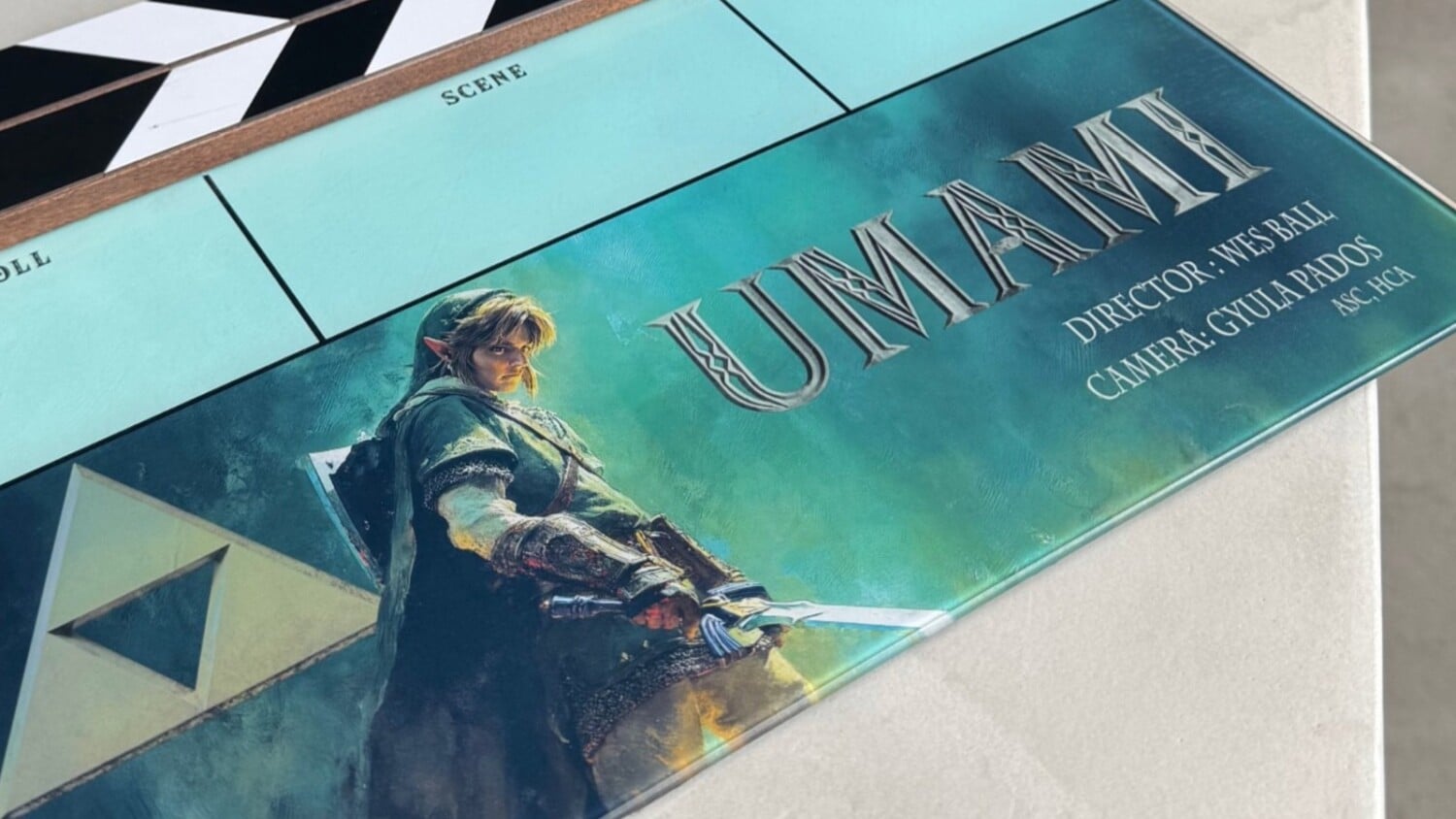
Fresh material tied to The Legend of Zelda live-action movie has surfaced, and even though it is small, it has given fans something meaningful to study. A clapper image shared by cinematographer Gyula Pados has drawn attention because it features artwork of Link, the hero who will be played by Benjamin Evan Ainsworth in the film. On paper, that may sound like a minor production detail. In practice, it has landed like a spark in a room full of dry grass. Zelda fans are used to reading tiny signals, and when official information is limited, even a behind-the-scenes glimpse can suddenly become the center of discussion.
What makes this moment interesting is not simply that new material has appeared. It is that the image helps make the movie feel more real. Casting announcements and release dates are important, but visual cues tend to hit differently. They give shape to an idea that has mostly existed as a promise. With filming now wrapped and the movie set for release on May 7, 2027, the project is moving into a new phase where public updates may remain rare, but every one of them carries extra weight.
This reveal also says something about the balancing act facing the movie. Link needs to look familiar without becoming costume-shop cosplay. The world of Hyrule needs to feel cinematic without losing the strange, sincere magic that has kept the series special for decades. That is why a simple clapper image has drawn so much attention. It is not just a prop photo. It is another clue about tone, visual direction, and how seriously the people behind the film seem to be treating one of Nintendo’s most beloved worlds.
Why this small The Legend Of Zelda Movie reveal matters more than it first appears
When a movie has been kept under tight wraps, even the tiniest reveal can hit like a thunderclap. That is exactly what is happening here. The new material tied to The Legend of Zelda live-action film is not a trailer, not a full costume reveal, and not a glossy studio poster. It is a production-facing image connected to a clapper shared by cinematographer Gyula Pados. Yet fans have latched onto it because it does something official announcements often cannot do on their own. It makes the project feel present. It turns a distant release into something with texture, shape, and a little heartbeat. Zelda is not just another brand being adapted for the screen. For many fans, it carries a near-mythic status, so every visual hint matters. A glimpse of Link in this context becomes a signal that the film’s identity is taking form, and that the creative team has at least some confidence in the direction they are building.
What the clapper image actually adds to the conversation
The clapper image matters because it gives fans something more specific than broad production talk. We have known the movie exists. We have known Benjamin Evan Ainsworth is playing Link. We have known the release date sits on the calendar for May 7, 2027. But knowing facts and feeling a project come alive are two different things. This image helps bridge that gap. It suggests a visual approach that leans into Link as an instantly recognizable fantasy hero rather than sanding him down into something generic. That is important because too many adaptations chase realism so aggressively that they wring the spirit out of the original world. Zelda cannot afford that kind of mistake. The series has always lived in a space where courage, mystery, beauty, and danger stand shoulder to shoulder. If a simple production image can already point people toward that feeling, then it has done more than most behind-the-scenes scraps ever do.
How the Link artwork points toward a recognizable fantasy identity
Link has always walked a tricky line as a character. He is iconic, but he is also intentionally open enough for players to project themselves into the adventure. Translating that into live action is no easy task. The artwork tied to this set material appears to understand that challenge. Instead of suggesting a total reinvention, it leans into the visual language people associate with Link: heroic posture, familiar attire, and the sense that he belongs in a world where a blade can carry legend rather than just steel. That is the sweet spot. Fans do not want a museum display, frozen and lifeless. They also do not want a version of Link that looks like he wandered in from a completely different fantasy franchise after taking a wrong turn at a stone bridge. The early impression here is that the film is trying to preserve recognizability without turning the character into a parody of himself, and that is a very healthy sign.
Why Benjamin Evan Ainsworth’s casting now feels more tangible
Casting news can sometimes feel abstract until a role starts taking visible shape. That has been especially true here. Benjamin Evan Ainsworth was announced as Link months ago, but for many people the choice stayed in the realm of imagination. You read the name, maybe look up a few previous performances, and then wait. A visual cue like this changes the mood. Suddenly, the casting has a silhouette around it. It feels less like a line in a press item and more like a person stepping into one of gaming’s most recognizable roles. That does not mean everyone’s private version of Link will match what the movie delivers. Zelda fans have spent years carrying their own ideal Hyrule in their heads, and those inner pictures are stubborn little things. Still, this reveal makes the role feel grounded in a way casting announcements alone rarely manage. It turns concept into possibility, and possibility into anticipation.
What filming wrapping means for the next stage of the movie
Filming wrapping is the kind of milestone that sounds routine until you remember how much has to go right for a fantasy production to reach that point. Sets, scheduling, location work, cast availability, weather, coordination, technical execution – it all has to hold together long enough to cross the finish line. For a property as closely watched as The Legend of Zelda, that matters. It means the movie is no longer living in the unstable early phase where stories can shift wildly and schedules can wobble. Now it moves into post-production, where the shape of the film is refined, performance beats are sharpened, visual effects are integrated, and tone becomes far clearer than it ever was on paper. This is also the phase where patience gets tested. Fans naturally want footage immediately, but a movie like this needs room to breathe. Hyrule should not feel rushed out of the oven like undercooked bread. Nobody wants that.
Why fans should not expect trailers anytime soon
The temptation after any reveal is to ask the obvious question: so when do we get a trailer? That instinct makes sense, but the answer is probably not soon. If filming has wrapped recently and the release is still more than a year away, the team likely has a long stretch of editing, effects work, sound design, scoring, and overall polish ahead of it. Fantasy films are especially vulnerable to looking awkward when shown too early. One unfinished shot can spread online like wildfire and shape public opinion before the movie has had a fair chance to present itself properly. Nintendo and Sony are both keenly aware of how internet reactions work. They do not need to feed the machine early just to prove the film exists. In fact, a quieter approach may help. Better to arrive with a trailer that feels confident, cohesive, and rich than with a teaser that looks half-dressed and leaves fans debating wigs, lighting, and grass texture for six straight months.
How Wes Ball’s approach could shape Hyrule on screen
Wes Ball’s involvement has always been one of the more interesting parts of this movie. He has shown a clear interest in scale, environment, and emotional sincerity, and those qualities matter a lot for Zelda. Hyrule should not feel like a green screen theme park where people wave swords in expensive fog. It needs space. It needs atmosphere. It needs the kind of visual storytelling that makes a valley feel ancient and a ruin feel haunted by memory. That is where a director’s instincts can make or break the entire film. Zelda works best when adventure and melancholy share the same breath. One moment can feel wondrous, the next quietly lonely, and then suddenly a monster tries to flatten you like a decorative rug. If Ball and the wider team understand that rhythm, they have a real chance to create a version of Hyrule that feels cinematic without losing the series’ soulful core.
Why practical fantasy details matter for Zelda more than spectacle alone
Big fantasy adaptations often chase size first. They want towering landscapes, huge battles, and enough visual effects to make the audience feel like they fell into a fireworks factory. Zelda certainly needs scale, but scale alone is not the magic trick. What makes the series memorable is the intimacy tucked inside the grandeur. A campfire before dawn. A lonely field with wind moving through it. A temple that feels like it has been waiting centuries for a single footstep. Those details are what turn a fantasy world from backdrop into place. That is why small production clues like this Link artwork can matter so much. They hint at whether the movie understands the emotional texture of Zelda rather than just its iconography. A sword, a tunic, and a heroic stare can grab attention, but the deeper win is whether the film can make those elements feel like they belong to a living myth instead of a checklist.
How secrecy is helping the movie more than hurting it
In a media culture that constantly begs for updates, silence can feel frustrating. But in this case, the relative secrecy around The Legend of Zelda may be doing the movie a favor. When studios reveal too much too early, the audience starts assembling a version of the finished film from scraps, leaks, and unfinished ideas. That can be a mess. It creates expectations built on fragments rather than intention. By keeping most of the movie out of sight, Nintendo and Sony are limiting that problem. They are letting curiosity build without handing over the whole toolbox. That approach fits Zelda unusually well. Mystery has always been one of the series’ greatest strengths. You are not supposed to know everything before the journey begins. You are supposed to feel pulled toward the unknown. In that sense, the current marketing rhythm feels oddly appropriate. Sparse, yes. Frustrating, definitely. But also on brand in a way that makes a lot of sense.
What this reveal really means for anticipation heading toward release
This reveal does not rewrite everything we know about the movie, and it does not need to. Its value lies in confirmation, not revolution. It confirms that visual materials are out there, that production has tangible form, and that Link’s movie identity is becoming easier to picture. It confirms that the film is moving forward after wrapping production, even if the public is only being allowed to peek through the keyhole. Most of all, it reminds fans that anticipation is often built from moments exactly like this. Not giant studio showcases. Not dramatic countdown clocks. Just one detail that suddenly makes the whole thing feel a little closer. That is why the reaction has been so strong. Zelda fans have been waiting for proof that this adaptation can feel worthy of the name. A clapper image is not proof on its own, of course. But it is a promising nudge in that direction, and for now, that is enough to keep the conversation alive.
Conclusion
The new set material tied to The Legend of Zelda live-action movie may be small, but it has landed with real impact. By giving fans another look at Link through artwork connected to a clapper shared by Gyula Pados, it adds shape to a film that has mostly remained hidden from view. Combined with the knowledge that filming has wrapped and the release is set for May 7, 2027, the reveal helps the project feel more immediate without giving too much away. That balance may end up being one of the movie’s greatest strengths. Zelda has always thrived on wonder, restraint, and the promise of discovery just over the next hill. Right now, the movie seems to be leaning into exactly that feeling.
FAQs
- What surfaced from The Legend of Zelda live-action movie?
- A clapper image shared by cinematographer Gyula Pados drew attention because it included artwork of Link, giving fans another visual clue tied to the movie’s production.
- Who is playing Link in the Zelda movie?
- Benjamin Evan Ainsworth is set to play Link in the live-action adaptation, making the new visual material especially notable for fans following the casting.
- Has filming on the Zelda movie finished?
- Yes. Reports indicate that filming has wrapped, which means the project has moved into post-production ahead of its planned theatrical release.
- When is The Legend of Zelda movie releasing?
- The live-action movie is scheduled to release on May 7, 2027.
- Does this mean a Zelda movie trailer is coming soon?
- Not necessarily. With post-production still underway and the release date still well ahead, the more likely scenario is that official footage will arrive later rather than immediately.
Sources
- The Legend of Zelda movie artwork has appeared showing Link, Nintendo Everything, April 19, 2026
- This is Miyamoto. For production reasons, we are changing the release date of the live-action film of The Legend of Zelda to May 7, 2027., Nintendo on X, June 9, 2025
- ‘Legend OF Zelda’ Movie Casts Bo Bragason & Benjamin Evan Ainsworth, Deadline, July 16, 2025
- The Legend Of Zelda Live-Action Movie Has Officially Wrapped Filming, Nintendo Life, April 14, 2026
- After leaked set video, Nintendo unveils first look at Link and Zelda in costume as Legend of Zelda filming begins, GamesRadar+, November 17, 2025