














Summary:
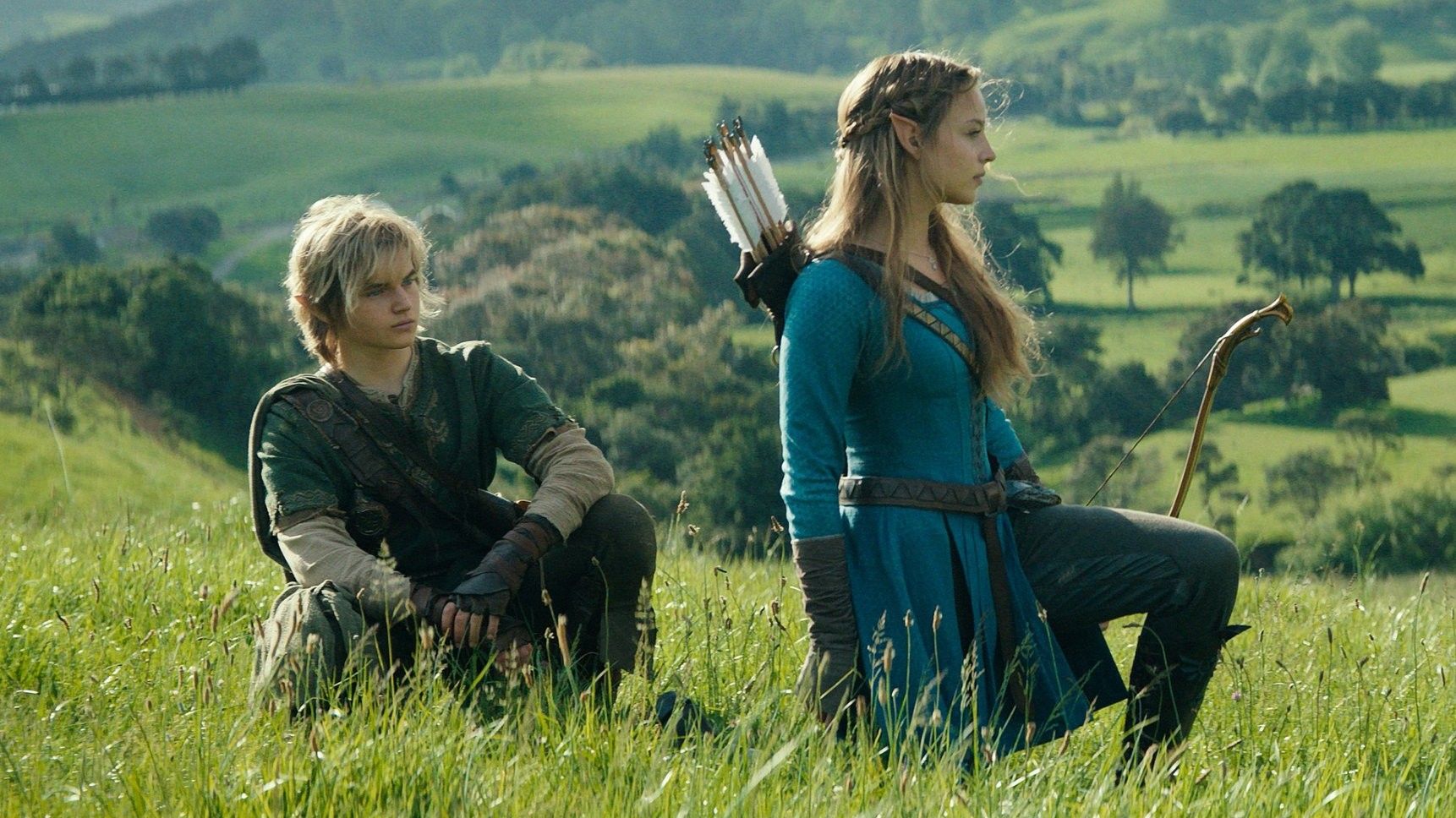
The latest update around The Legend of Zelda movie may sound simple on paper, but it carries real weight. During Sony Pictures’ CinemaCon panel, it was confirmed that filming for the live-action adaptation has officially wrapped in New Zealand. That shifts the conversation in an important way. Until now, much of the attention around the film centered on the casting of Benjamin Evan Ainsworth as Link, Bo Bragason as Princess Zelda, and the question of whether Nintendo and Sony could truly translate one of gaming’s most beloved series into live action without losing its spirit. With principal photography now complete, the project moves past the stage of early promise and into a more demanding phase where the film has to prove that all of those pieces can come together.
That is why this update matters. A wrapped shoot does not guarantee success, but it does make the film feel more tangible. It signals progress, discipline, and a production that is continuing to move toward its theatrical release on May 7, 2027. It also reinforces how seriously Nintendo appears to be treating its broader screen ambitions after the commercial success of its recent movie efforts. With Wes Ball directing and Nintendo co-producing, the Zelda film is not being positioned as a throwaway adaptation or a quick attempt to cash in on a famous name. It is being handled like a major fantasy release with long-term importance.
For fans, the most interesting part is not that everything has suddenly been revealed. It has not. Plot details remain limited, footage has not been shown publicly, and the film still has a lot of work ahead of it. What this update does offer is clarity. The movie has a cast, a director, a finished production schedule, a firm release date, and a clearer path forward. That may not be flashy, but it is meaningful. Sometimes the strongest signal is not a dramatic trailer or a surprise cameo. Sometimes it is the sound of a production quietly doing its job and moving one step closer to the screen.
CinemaCon puts the spotlight back on The Legend of Zelda movie
CinemaCon often works like a giant stage light for projects that studios want exhibitors and audiences to remember, and that is exactly what happened here with The Legend of Zelda movie. Sony did not roll out a mountain of new plot details or flood the room with footage, but the update it gave was still meaningful. Filming has wrapped, and that turns a film that still felt somewhat distant into something a little more solid. It is no longer just a cast announcement paired with a release date on a calendar. It is a finished shoot that now has to be shaped, polished, edited, scored, and prepared for theaters. That difference matters. For a project carrying the weight of Zelda’s name, every production milestone gets watched like a hawk circling above Hyrule. Fans know how protective Nintendo tends to be with its major properties, so even a brief progress report carries extra significance. In a strange way, the restraint of the update almost says as much as the update itself. Sony and Nintendo are not overselling this early. They are moving it forward step by step, and that calm confidence feels a lot healthier than a flashy reveal that arrives too early and tells us very little.
Filming wrapped in New Zealand and that changes the conversation
Once filming wraps, the conversation around a movie naturally shifts. Before that point, the focus sits on set leaks, location chatter, casting reactions, and all the usual noise that swirls around a production in motion. After that point, the discussion becomes more serious. Now people start asking whether the performances landed, whether the tone works, whether the visual effects can support the fantasy, and whether the finished result can carry the scale fans expect from Zelda. New Zealand also remains an eye-catching location for obvious reasons. It has landscapes that can feel ancient, windswept, mystical, and dangerous without much help. That kind of natural texture is valuable for a series like Zelda, which lives and dies by atmosphere as much as action. Hyrule should not feel like a generic green screen fantasy playground. It should feel lived in, weathered, and almost mythic. Wrapping production there suggests the film had the space to chase that look in a practical, grounded way. For fans tired of overly glossy fantasy worlds that look like they were assembled in a very expensive box, that is quietly encouraging.
Post-production is now where the real shape of the film will emerge
There is something almost funny about how glamorous filming sounds compared with how decisive post-production can be. Cameras stop rolling and many people think the hard part is over. In truth, this is the stage where a movie often discovers whether it can truly sing. Editing determines rhythm. Sound design determines texture. Music determines emotional lift. Visual effects determine whether wonder looks magical or merely expensive. For The Legend of Zelda, that balancing act will be especially delicate. The series has always mixed adventure, loneliness, courage, mystery, and a kind of quiet beauty that is difficult to fake. If the post-production team gets the balance right, the film can feel grand without becoming stiff and serious without becoming joyless. If it gets the balance wrong, even strong source material can start to feel oddly hollow. That is why this latest update matters more than it first appears to. The movie has crossed from physical production into the phase where tone becomes destiny. That sounds dramatic, sure, but fantasy films live or die on feeling. Zelda has never just been about swords and monsters. It is about mood, silence, discovery, and the sense that an ordinary path might lead to something sacred.
Benjamin Evan Ainsworth gives the movie a clear Link
Benjamin Evan Ainsworth carrying the role of Link remains one of the biggest anchors the film has. Link is not a typical fantasy lead. He is iconic, but he is also tricky. In the games, he often communicates more through action, reaction, presence, and player projection than through long speeches. That means a live-action performance cannot rely on conventional hero dialogue alone to make the character work. The actor needs to project sincerity without becoming flat, and determination without drifting into generic chosen-one territory. That is a narrow bridge to walk, and not every adaptation would handle it gracefully. By this stage, though, the production is clearly building around Ainsworth as a central face of the film. That gives the project definition. Instead of endless fan casting and wish lists floating around like Cuccos in a storm, the movie has a real Link attached to it and a completed shoot behind him. That helps stabilize public perception. Whether fans were immediately sold or initially skeptical, the conversation now moves away from fantasy booking and toward execution. That is healthier for the film. At some point, every adaptation has to stop being an idea people debate online and start becoming the version that actually exists.
Bo Bragason gives the movie a clear Princess Zelda
Bo Bragason’s casting matters for more than simple name recognition. Princess Zelda has never been a one-note figure in the series, and that is part of what makes the role so important. Depending on the game, she can be regal, scholarly, burdened, active, mysterious, warm, or quietly fierce. Sometimes she feels like the emotional center of the story. Sometimes she is the keeper of its oldest weight. Sometimes she is the one person who seems to understand how much is at stake before anyone else does. A live-action adaptation needs that range. It cannot afford to reduce her into a decorative symbol while everything important happens around her. Having Bragason cast and production completed gives audiences one crucial reassurance – the movie is not stuck in development fog. It has chosen its Zelda, committed to that choice, and moved all the way through principal photography with that performance in place. That does not answer every concern, of course, but it does move the project out of the realm of vague possibility. Zelda is not an empty title on a release slate anymore. The key roles are filled, the cameras have stopped, and the film now has to stand on what those performances actually bring to the screen.
The May 7, 2027 release date now feels more concrete
Release dates can feel slippery when a movie is still early in development. They sit there like signs planted on a road that has not been fully built yet. Once filming wraps, though, a release date starts to feel less like a wish and more like a destination. The Legend of Zelda is currently set for May 7, 2027, and that matters because it places the film in a serious theatrical window. This is not a quiet corner-of-the-calendar dump. It is the kind of slot that suggests confidence and commercial ambition. It also gives the production room to finish post-production properly, which is especially important for a fantasy adaptation carrying this much visual and emotional expectation. Nintendo and Sony are not dealing with a property that can coast on name value alone. Zelda has prestige within gaming in a way that few series can match. Fans are attached not just to characters, but to tone, mythology, music, and a feeling that is difficult to summarize but very easy to lose. A firm release date, paired with a wrapped shoot, signals that the film is moving through its schedule with a degree of control. In movie terms, that is not a small thing. It is the difference between a project that feels managed and one that feels like it is forever chasing its own shadow.
New Zealand remains a smart home for a live-action Hyrule
There is a reason New Zealand keeps turning up in fantasy conversations. Its landscapes can feel cinematic before a single visual effect is added. Wide valleys, dramatic ridges, quiet fields, and weather that can turn a calm scene into something haunting in an instant – it all fits the kind of visual language a Zelda film needs. Hyrule should feel old and alive, not synthetic. It should seem like a place where legends linger in the grass, danger waits beyond the next hill, and ruins hold memories longer than kingdoms do. That is poetic, sure, but Zelda has always thrived on that exact sort of emotional geography. The world is not just a backdrop. It is half the story. By filming in New Zealand, the movie puts itself in a stronger position to capture that natural grandeur. It also suggests a desire for scale that feels tactile rather than weightless. Fantasy can become strangely small when every environment looks like a digital stage. Practical landscapes fight against that problem. They give actors real space, real light, and real distance. For a series built on wandering into the unknown, that matters more than people sometimes realize.
A production milestone like this matters because Zelda carries huge expectations
Not every game adaptation receives the same kind of scrutiny. Zelda is different. This is one of Nintendo’s most treasured series, and it comes with decades of goodwill, emotional memory, and fiercely different ideas about what the “right” adaptation should look like. Some fans want a solemn fantasy epic. Others want something lighter and stranger. Some want a near-silent Link. Others want a version who speaks more openly. Some hope the film pulls from Breath of the Wild. Others would rather see the spirit of Ocarina of Time, Twilight Princess, or something entirely original. That is the challenge. Zelda is beloved, but it is not interpreted in only one way. Because of that, a milestone like wrapped filming carries extra importance. It means the movie has already made many of those creative choices, even if audiences have not seen them yet. The train has left the station. There is no endless maybe hanging over the project anymore. That can be uncomfortable for fans who prefer speculation, but it is also necessary. Adaptations only become real when they stop trying to be everything to everyone. At some point, someone has to choose the path through the Lost Woods and keep walking.
The movie still has plenty left to prove before release
Even with this progress, it would be foolish to pretend the hardest part is already settled. The Legend of Zelda still has to show that it understands what makes the series special on screen rather than merely recognizable in a press release. A cast list is helpful. A wrapped shoot is encouraging. A release date is useful. None of those things, on their own, guarantee the final result will capture the spirit fans want. The film still has to prove that its version of Hyrule feels rich, that its action has personality, that its emotional core lands, and that its balance between myth and accessibility works for general audiences as well as long-time players. It also has to avoid the trap of becoming too self-conscious. Zelda should feel timeless, not like a product nervously checking whether every symbol has been approved by a committee. That is why the current moment feels interesting rather than triumphant. The update is meaningful because it marks progress, not because it ends the conversation. In truth, the conversation is only changing shape. We are moving from “Is this movie happening?” to “What kind of movie is it actually becoming?” That is a much better question.
The latest update gives the Zelda film real momentum
What makes this CinemaCon update land is not its size, but its clarity. Sony and Nintendo did not need to say much. By confirming that filming has wrapped in New Zealand and by keeping the May 7, 2027 release date in place, they gave the project a stronger sense of direction. The film now feels less like a distant promise and more like a production moving with purpose toward a theatrical finish line. That may sound modest, but modesty can be powerful when it comes attached to actual progress. The Zelda movie still has a long road ahead through editing, visual effects, music, sound, and marketing. It still has to earn trust from fans who care deeply about this series and who know exactly how easily fantasy adaptations can stumble. Even so, this is the kind of update that helps. It strips away some of the haze and replaces it with motion. There is a cast. There is a director. There is a completed shoot. There is a release date. There is a next phase. No fireworks needed. Sometimes a project builds confidence the old-fashioned way – by quietly advancing, one milestone at a time, until people realize it is no longer just coming eventually. It is coming for real.
Conclusion
The latest Zelda movie update works because it gives fans something solid to hold onto. Filming is done, the move into post-production is underway, and the path toward May 7, 2027 looks clearer than it did before. That does not answer every big question, and honestly, it should not. Part of the excitement around a film like this comes from wondering how Nintendo and Sony will translate Hyrule, Link, and Zelda into live action without losing the strange magic that made the games endure for decades. Still, a wrapped production is a serious step, not a footnote. It tells us the film is moving, the schedule is holding, and the adaptation is no longer just a concept hanging in the air. For a project this closely watched, that alone makes the recent CinemaCon update feel important.
FAQs
- Has The Legend of Zelda movie finished filming?
- Yes. Sony recently confirmed that filming for the live-action movie has wrapped in New Zealand, which means the project has now moved beyond principal photography and into post-production.
- Who is directing The Legend of Zelda movie?
- Wes Ball is directing the film. Nintendo announced his involvement when it first confirmed the live-action adaptation, and he remains one of the key creative names attached to the project.
- Who plays Link and Princess Zelda in the movie?
- Benjamin Evan Ainsworth is playing Link, while Bo Bragason is playing Princess Zelda. Their casting gave the film its clearest public identity so far.
- When will The Legend of Zelda movie be released?
- The movie is currently scheduled to open in theaters on May 7, 2027. With filming now wrapped, that release date feels more grounded than it did during earlier stages of production.
- Why does the New Zealand filming location matter?
- New Zealand offers dramatic natural scenery that suits the kind of fantasy atmosphere Zelda needs. For a world like Hyrule, practical landscapes can add scale, texture, and a stronger sense of place.
Sources
- Development of a Live-Action Film of The Legend of Zelda to Start, Nintendo, November 8, 2023
- ‘The Legend of Zelda’ Live-Action Movie Moves to May 2027, Variety, June 9, 2025
- ‘Legend Of Zelda’ Movie Casts Bo Bragason & Benjamin Evan Ainsworth, Deadline, July 16, 2025
- The Legend of Zelda movie is now filming in New Zealand, but good luck figuring out which game is being adapted from this vague synopsis, GamesRadar+, November 6, 2025
- Everything shown and announced at Sony’s CinemaCon 2026 presentation, Polygon, April 14, 2026