














Summary:
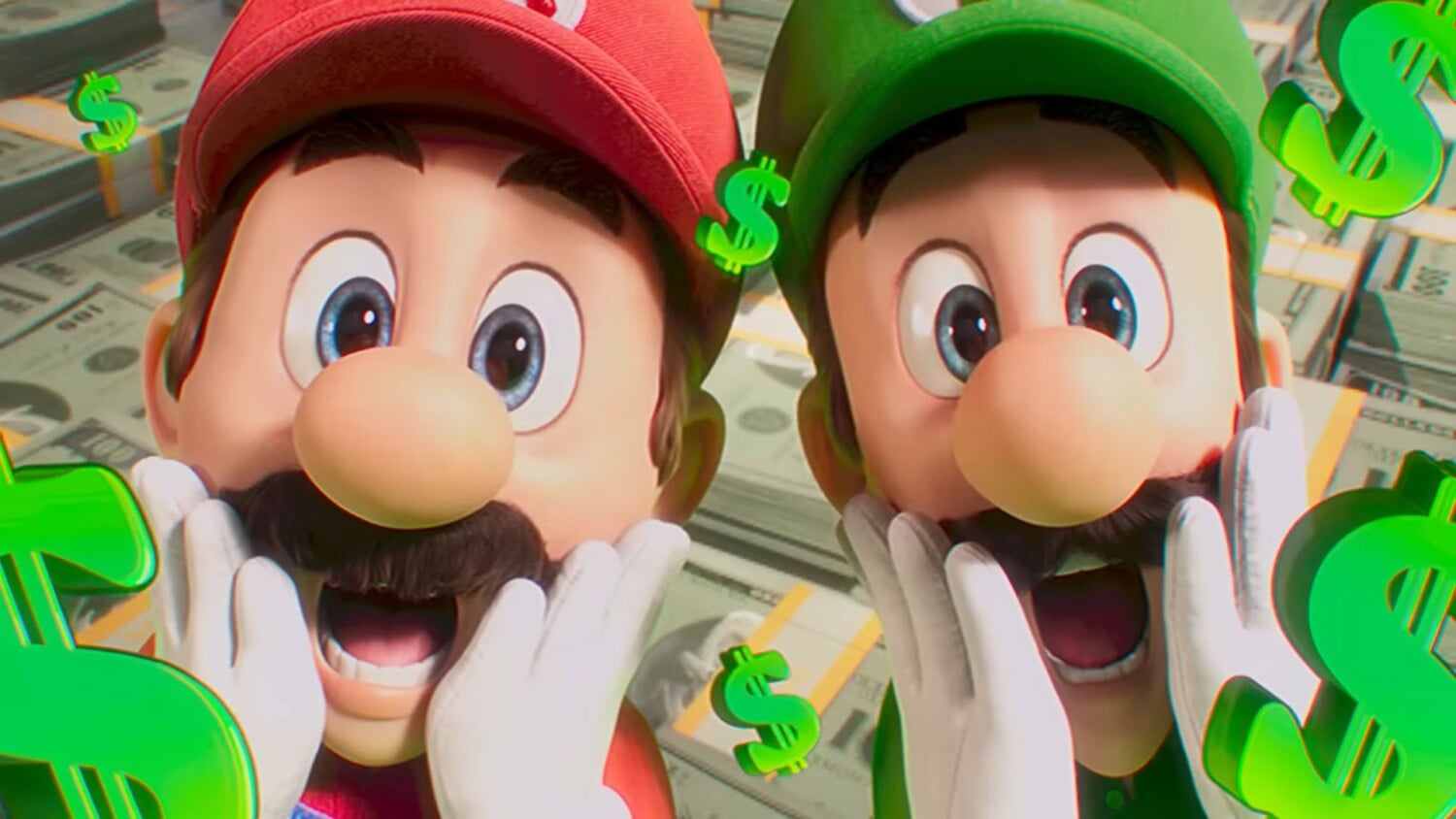
The Super Mario Galaxy Movie has reached a massive global box office milestone, crossing the $1 billion mark and becoming the first film released in 2026 to do so. That achievement does more than add another shiny coin to Mario’s already packed treasure chest. It confirms that Nintendo, Illumination, and Universal have built one of the strongest modern family film partnerships in the industry. With only two theatrical animated Mario films, the franchise has climbed into the upper tier of animated film series worldwide, sitting near giants that needed far more releases to build similar totals. That is a remarkable pace, especially for a brand that spent decades being viewed mainly through games, consoles, kart races, platforming worlds, and power-ups rather than movie theater screens. The result also shows that audience enthusiasm can outweigh mixed critical reception when the characters, pacing, humor, visuals, and nostalgic pull connect with families and longtime fans. Mario’s big-screen run now feels less like a lucky warp pipe and more like a carefully built path forward. For Nintendo, the milestone strengthens confidence in future adaptations. For Illumination and Universal, it reinforces the value of colorful, accessible, instantly recognizable animated storytelling. For fans, it means Mario’s cinematic journey has become far more than a side quest.
The Super Mario Galaxy Movie passes a huge box office milestone
The Super Mario Galaxy Movie has crossed $1 billion at the global box office, giving Nintendo, Illumination, and Universal another major theatrical win. That kind of number is not just a nice round total for press releases. It is the sort of milestone that separates a strong hit from a cultural event, especially in a theatrical market where family audiences can be picky about what deserves a trip to the cinema. Mario has always been good at collecting coins, but this time the coins are ticket sales from around the world. The result makes the sequel the first 2026 release to pass $1 billion worldwide, which gives it a standout position in the year’s box office race.
Why the billion dollar mark matters for Mario
A $1 billion result matters because it proves the Super Mario film brand is no one-off success. The first animated Super Mario Bros. Movie already showed that Nintendo’s mascot could carry a modern theatrical release, but sequels are different. They have to prove that the first wave of curiosity can turn into lasting audience interest. The Super Mario Galaxy Movie appears to have done exactly that. Families came back. Fans came back. Casual viewers who know Mario from decades of pop culture came back too. That repeat appeal is the secret sauce here, and it is why this milestone feels bigger than one single box office number. It points to a franchise with staying power.
Nintendo, Illumination, and Universal turn Mario into a cinema powerhouse
The partnership behind the film has become one of the most important reasons Mario now works on the big screen. Nintendo brings the characters, worlds, music, and decades of audience affection. Illumination brings an animation style built around bright energy, fast gags, expressive characters, and broad family appeal. Universal brings global distribution muscle, marketing reach, and the kind of theatrical infrastructure needed to turn a beloved game property into an international event. Put those pieces together and you get something that feels obvious in hindsight, even though video game movies have spent years tripping over banana peels. Mario’s film success did not happen because the name alone was famous. It happened because the brand was packaged in a way that felt instantly readable, playful, and easy to enjoy.
Mixed reviews have not slowed down audience demand
The Super Mario Galaxy Movie has also shown that critical reception is only one part of the story. Like the first animated Mario film, the sequel has not needed universal critical praise to bring audiences through the doors. That does not mean reviews are irrelevant, of course. They still shape conversation and expectations. Yet family films often live or die by a different rhythm. Did the kids laugh? Did parents recognize the references? Did longtime Nintendo fans get enough nods without feeling buried under them? Did the visuals feel big enough for a theater screen? When those answers are yes, audiences can be far more forgiving than critics. Mario is not trying to be a quiet character study about plumbing and emotional burnout, thankfully. It is built to be colorful, fast, funny, and familiar.
How the Super Mario films now compare with animation’s biggest franchises
The bigger picture is where this milestone becomes even more impressive. With the first animated Mario film earning more than $1.3 billion worldwide and The Super Mario Galaxy Movie now crossing $1 billion, the Super Mario film series has moved into the top tier of animated franchises by global earnings. That places Mario among names that have shaped family entertainment for decades, including Despicable Me, Shrek, Toy Story, Ice Age, Frozen, Inside Out, Kung Fu Panda, and Madagascar. Most of those brands needed several releases to build their totals. Mario has entered that conversation with only two films. That is the kind of acceleration that makes studio executives grin like someone just found a hidden 1-Up block.
The ranking puts Mario beside long-running family favorites
Animated franchise rankings are usually dominated by series with long theatrical histories, spin-offs, sequels, and in some cases multiple generations of audience loyalty. Despicable Me has Minions power. Shrek has decades of meme life and fairy tale parody. Toy Story has Pixar nostalgia stitched into its seams. Ice Age and Madagascar built their totals across several releases and global family audiences. Super Mario joining that neighborhood so quickly says a lot about how strong the brand was before the films even arrived. People did not need an introduction to Mario. They needed a reason to see him in theaters. Once the films gave them that reason, the box office response came quickly.
Two films have done the work of much larger franchises
The most striking detail is the release count. Many of the highest-grossing animated franchises have four, five, six, or even more films contributing to their totals. Super Mario has reached this level with only two animated theatrical entries. That changes how the achievement should be read. It is not simply that Mario made a lot of money. It is that Mario made a lot of money with remarkable efficiency. Each release has carried serious weight, and the sequel’s performance shows that the first film did not exhaust the audience. Instead, it seems to have widened the doorway. That is rare, because many game adaptations burn bright at first and then cool down once curiosity fades.
That speed makes the milestone even more striking
There is a reason this feels like a speedrun. In gaming terms, the Super Mario film franchise has skipped several slow-building stages and warped straight into the high-score table. That does not happen often in animation. It usually takes years of character expansion, sequel cycles, merchandise momentum, and repeat family viewing to reach this kind of global status. Mario already had much of that emotional groundwork built through games, but translating it into cinema still required the right tone. Too serious and it would lose the charm. Too silly and it would feel disposable. The current film formula sits in a comfortable middle, where nostalgia and bright spectacle can share the same kart.
What this success says about video game adaptations
The Super Mario Galaxy Movie also says something important about the current state of video game adaptations. For a long time, the phrase “video game movie” carried a warning label. Fans expected awkward plots, strange character changes, and stories that seemed embarrassed by their source material. That has changed in recent years, and Mario is one of the clearest examples of why. Audiences do not need every adaptation to copy a game scene by scene. They do want the spirit to feel right. The Mushroom Kingdom, power-ups, platforming energy, character designs, music cues, and simple emotional hooks all help Mario feel like Mario, even when the format changes. That is the real win.
Mario shows that familiarity still needs fun execution
Familiarity can get people interested, but fun keeps them seated. That is an important distinction. Nintendo’s mascot is one of the most recognizable fictional characters on the planet, but recognition alone does not guarantee a billion dollar theatrical run. Plenty of famous names have stumbled when moved into a different medium. The Super Mario Galaxy Movie benefits from being easy to understand, quick to enjoy, and friendly to different age groups. Younger viewers get color, movement, jokes, and action. Older fans get references, music, and the warm little spark of seeing game memories translated into a big-screen format. It is not rocket science, even if this sequel sends Mario into space. It is careful audience awareness wrapped in bright animation.
What could come next for Nintendo on the big screen
The $1 billion milestone will naturally raise questions about what Nintendo does next in theaters. The company has a library full of recognizable worlds, but Mario’s success does not mean every franchise should be handled the same way. The key lesson is not simply “make more movies.” The better lesson is “make the right movie for the right audience with the right creative partners.” Donkey Kong, The Legend of Zelda, Kirby, Animal Crossing, Metroid, and other Nintendo properties all have different tones and expectations. Some would need comedy. Some would need adventure. Some would need a gentler slice-of-life approach. Mario gives Nintendo leverage, but it also raises the bar. Fans now know this can work, so the next moves need care.
Conclusion
The Super Mario Galaxy Movie crossing $1 billion worldwide is a landmark moment for Nintendo’s growing presence in theaters. It confirms that the animated Mario franchise is not just a nostalgic novelty, but a major box office force with global family appeal. The result also places Mario beside some of the most successful animated franchises ever, despite having only two films behind it. That is a serious achievement, and it gives Nintendo, Illumination, and Universal a powerful foundation for whatever comes next. Critical reactions may remain mixed, but audience demand has spoken loudly. Mario has jumped from consoles to cinemas without losing his spark, and judging by this milestone, he is nowhere near the final castle yet.
FAQs
- How much has The Super Mario Galaxy Movie earned worldwide?
- The Super Mario Galaxy Movie has crossed $1 billion at the global box office, making it the first 2026 film to reach that milestone.
- Why is the $1 billion milestone important for Nintendo?
- It shows that Nintendo’s animated Mario films have become a major theatrical franchise, not just a one-time success built on nostalgia.
- How many Super Mario animated films are included in the current franchise total?
- The current animated Super Mario film franchise total is built from two theatrical releases, which makes its rise among top animated franchises especially fast.
- Did mixed reviews hurt The Super Mario Galaxy Movie at the box office?
- Mixed critical reception has not stopped the film from becoming a major commercial success, as family audiences and Nintendo fans have continued to show strong interest.
- Could this success lead to more Nintendo movies?
- The milestone strengthens the case for more Nintendo adaptations, although each franchise would need a tone and creative approach that suits its own world.
Sources
- ‘Super Mario Galaxy Movie’ Becomes First $1 Billion Hit of 2026 Box Office, TheWrap, June 7, 2026
- Box Office: ‘The Super Mario Galaxy Movie’ Hits $1 Billion, Variety, June 2026
- ‘The Super Mario Galaxy Movie’ Becomes First Movie to Cross $1B in 2026, The Hollywood Reporter, June 2026
- The Super Mario Galaxy Movie, Box Office Mojo, June 2026
- ‘The Super Mario Galaxy Movie’ scores biggest North American box office debut of 2026, Screen Daily, April 5, 2026