














Summary:
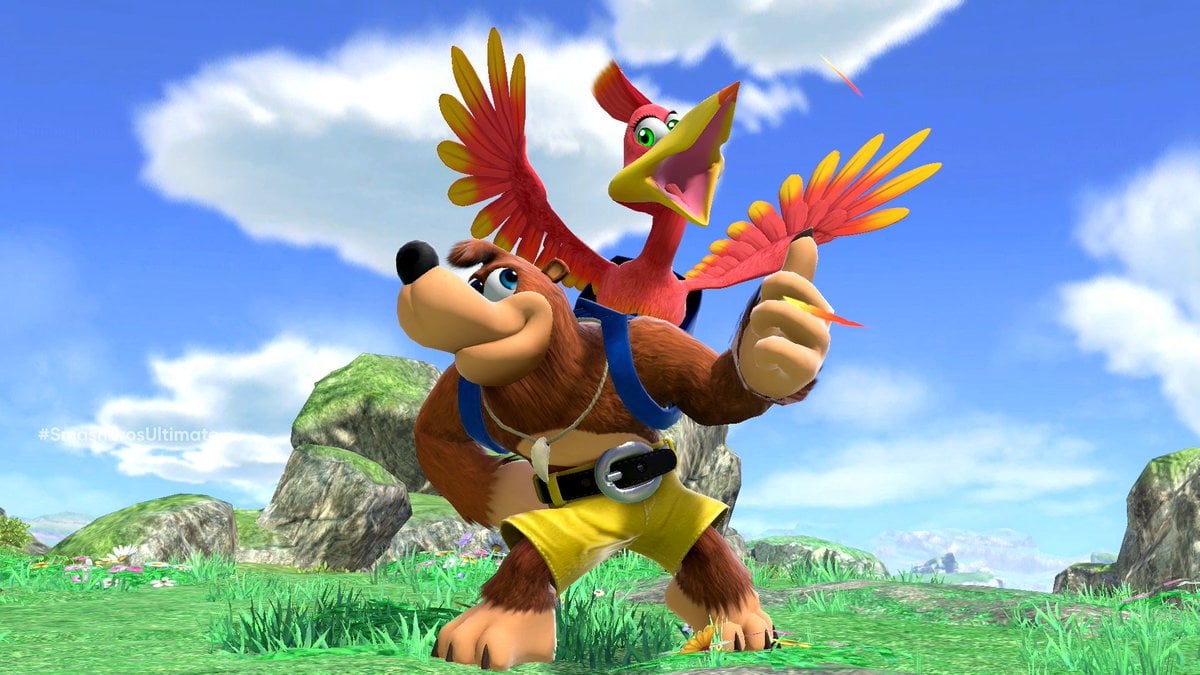
Toys for Bob has openly expressed its enthusiasm for working on Banjo-Kazooie, one of the most celebrated names in 3D platforming. During a recent appearance on the Kinda Funny Gamescast, associate creative director Lou Studdert and studio head Paul Yan discussed their affection for Rare’s beloved bear-and-bird duo. Studdert described Banjo-Kazooie as being near the top of the platforming genre and revealed that several members of the studio are devoted fans of the series. Although no project has been announced, he said the opportunity to work with the franchise would be amazing.
Yan expanded on that enthusiasm by explaining how Banjo and Kazooie align with the kinds of characters and experiences Toys for Bob wants to create. Rather than viewing them solely as nostalgic figures from the Nintendo 64 era, he described the pair as timeless icons capable of speaking to the inner child in players of different ages. That philosophy has shaped much of the studio’s work, including Crash Bandicoot 4: It’s About Time, the Spyro Reignited Trilogy and the upcoming Spyro: A Realm Beyond.
A new Banjo-Kazooie project from Toys for Bob remains hypothetical. Rare is an Xbox Game Studio, and Microsoft ultimately controls the future of the franchise. Toys for Bob is independent again, however, and continues to work with Microsoft on Spyro: A Realm Beyond. That existing relationship does not confirm anything, but it means the idea is not as impossible as it might first appear. For now, fans have something valuable: a proven platforming studio publicly stating that it understands, admires and would gladly work with Banjo and Kazooie.
Toys for Bob Reveals Its Enthusiasm for Banjo-Kazooie
Toys for Bob has made its feelings about Banjo-Kazooie refreshingly clear. During an interview with Kinda Funny Games, members of the studio were asked about the possibility of working with Rare’s famous platforming duo. The response was not a carefully polished non-answer designed to escape the question. Instead, associate creative director Lou Studdert spoke openly about the team’s affection for the franchise and said that receiving such an opportunity would be amazing. That enthusiasm carries weight because Toys for Bob has built much of its modern reputation around colourful characters, responsive movement and worlds that invite players to poke around every corner. Banjo-Kazooie fits naturally into that creative neighbourhood. It is not an official proposal, secret teaser or confirmation that development has begun, but it is a sincere statement from developers who clearly understand why the series remains so important.
Banjo-Kazooie Remains at the Top of the Platforming Genre
Studdert described Banjo-Kazooie as being at the top of the heap for platformer fans, which neatly captures the position the original game still occupies. Released for Nintendo 64 in 1998, Banjo-Kazooie combined expressive movement, playful dialogue, memorable music and interconnected worlds packed with secrets. Its structure encouraged curiosity without turning every collectible into tedious housekeeping. You might spot a ledge above a swamp, hear a suspicious sound behind a wall or notice an object that seemed slightly too interested in being examined. Before long, an innocent walk through a level had become a full archaeological expedition. That balance between discovery and personality helped the game stand alongside the defining 3D platformers of its generation. Toys for Bob’s admiration therefore feels less like a fashionable reference to an old favourite and more like recognition of design principles that continue to work.
The Studio Already Has Passionate Banjo-Kazooie Fans
The interest is not limited to a few senior developers speaking politely about another company’s property. Studdert indicated that Toys for Bob employs some extremely dedicated Banjo-Kazooie fans, including people who use Jiggies in their online profile pictures. That small detail says quite a lot. A Jiggy is not simply a generic symbol that someone chooses because it looks pleasant. It immediately identifies a person who has spent time exploring Spiral Mountain, collecting musical notes and repeatedly discovering that Mumbo Jumbo’s transformations are rarely as dignified as Banjo might hope. Having genuine fans within a development team does not automatically produce a successful revival, but it can protect the smaller details that give a series its identity. Those developers are more likely to understand why the humour, movement, sound design and oddball supporting cast matter just as much as the headline features.
A Dream Project Rather Than an Official Announcement
Excitement should still be kept on the correct side of reality. Toys for Bob has not announced a Banjo-Kazooie game, and neither Rare nor Microsoft has confirmed that a new instalment is in production. The comments describe what the studio would love to do if the opportunity appeared. They do not reveal a contract, a prototype or a suspiciously bear-shaped development kit hidden beneath someone’s desk. That distinction matters because dormant franchises attract rumours with remarkable speed. A developer expressing affection can quickly become an alleged leak once it has bounced around social media for a few hours. The meaningful part of the interview is simpler: Toys for Bob would welcome the chance to work on Banjo-Kazooie, and its leadership believes the franchise suits the studio. That is encouraging without requiring us to pretend an announcement has already happened.
Why Banjo and Kazooie Fit the Toys for Bob Identity
Paul Yan connected Banjo-Kazooie to the broader creative identity of Toys for Bob. He described characters such as Banjo and Kazooie as timeless rather than merely nostalgic, highlighting their ability to appeal to something ageless within the player. Toys for Bob sometimes refers to that feeling as the inner child. It is the part of us that still enjoys bouncing across oversized mushrooms, opening a mysterious treasure chest or meeting a talking household object without demanding a serious explanation for its employment history. Banjo-Kazooie thrives in exactly that imaginative space. Its world is silly, warm and occasionally mischievous, but it never talks down to the player. Adults can appreciate the jokes and clever design while younger players respond to the expressive characters and clear sense of adventure. That multi-generational appeal closely matches the experiences Toys for Bob wants to make.
The studio’s games often rely on characters whose personalities are visible before they even speak. Crash Bandicoot is chaotic momentum given orange fur. Spyro combines confidence with a hint of impatience. Banjo looks friendly and dependable, while Kazooie appears ready to insult the nearest person before breakfast. Those readable personalities shape movement, animation and dialogue, allowing gameplay to communicate character at every moment. Toys for Bob has repeatedly shown that it values this connection between mechanics and identity. A Banjo-Kazooie project would give the team an opportunity to preserve the original dynamic while exploring how the partnership could evolve. The pair should not feel like two interchangeable avatars sharing a backpack. Banjo’s strength and Kazooie’s sharper movement need to remain parts of one playful, slightly argumentative whole.
Toys for Bob Has Experience Reviving Classic Platformers
Toys for Bob has already faced the difficult task of modernising characters with decades of history behind them. The studio worked on the Spyro Reignited Trilogy, which rebuilt the first three Spyro adventures with updated visuals, animation and presentation while retaining the structure and spirit of the originals. It later developed Crash Bandicoot 4: It’s About Time, a direct sequel that respected the classic trilogy without simply copying it. Those projects required different forms of restraint. A remake must resist changing so much that the original disappears, while a sequel must move forward without discarding what players loved. Banjo-Kazooie would present the same tightrope. Lean too heavily on nostalgia and the result could feel like a museum exhibit. Change everything and the familiar bear-and-bird charm may vanish. Toys for Bob’s previous work suggests it understands how carefully that balance must be handled.
Crash Bandicoot 4 Demonstrated the Studio’s Approach
Crash Bandicoot 4 offers a useful example of how Toys for Bob approaches an established platforming series. The game retained Crash’s familiar running, spinning and crate-smashing foundations, but introduced new masks, expanded playable characters and more elaborate level concepts. It also adopted a fresh art direction rather than trying to imitate every visual choice from the original PlayStation releases. The result was recognisably Crash while still feeling like a modern production with its own ideas. A new Banjo-Kazooie adventure would need a similarly confident approach. Players would expect Jiggies, musical notes, transformations, humorous dialogue and a broad collection of moves. Yet those ingredients cannot simply be dropped into a bowl and stirred until 1998 falls out. New environments, abilities and storytelling ideas would be necessary to justify bringing the duo back for another full adventure.
There are lessons to learn from Crash Bandicoot 4 as well. Its optional challenges and completion requirements could become extremely demanding, especially for players determined to collect everything. Banjo-Kazooie has traditionally encouraged completion, but its best collecting feels like exploration rather than punishment. Toys for Bob would need to ensure that additional challenges support the relaxed joy of searching a level instead of turning every missed item into a reason to replay a lengthy sequence. Nobody wants to discover that a single musical note was hidden behind a decorative fern 20 minutes earlier. The studio’s experience gives it a strong foundation, but Banjo-Kazooie would still require its own rhythm. The ideal revival would be generous, curious and rewarding, with enough challenge to stay engaging without treating completionists like unpaid interns.
Spyro: A Realm Beyond Strengthens the Banjo-Kazooie Connection
The upcoming Spyro: A Realm Beyond further explains why people are connecting Toys for Bob with Banjo-Kazooie. Announced for a spring 2027 release, the new Spyro adventure marks the character’s return in an original instalment after many years away. Toys for Bob is not merely remastering another collection this time. It is building a new experience that expands Spyro’s movement and allows the purple dragon to fly more freely through its environments. That project places the studio back in familiar territory: taking a cherished platforming icon, identifying what made the character special and considering how those qualities can support modern mechanics. Banjo and Kazooie would require a comparable process. Their return could not survive on recognition alone. Players need to feel that climbing back into the backpack leads somewhere new, even while the sound of collecting a Jiggy still lands like a warm little spark of memory.
Spyro: A Realm Beyond also demonstrates that Toys for Bob continues to have a working relationship with Microsoft despite becoming independent. The game is being published through Activision under Microsoft, showing that independence did not close the door on collaboration. This does not mean Banjo-Kazooie is secretly next in line. It does, however, remove one obvious obstacle from the hypothetical discussion. Toys for Bob and Microsoft already know how to work together under the studio’s new structure. If Microsoft ever decided to commission a Banjo-Kazooie revival from an external or independent team, Toys for Bob would not be an unfamiliar candidate knocking on the castle door. It would be a proven partner with platforming experience, passionate staff and an established understanding of how to reintroduce classic mascots.
Rare and Microsoft Still Control Banjo-Kazooie’s Future
Whatever Toys for Bob might hope to do, Banjo-Kazooie’s future remains tied to Rare and Microsoft. Rare is an Xbox Game Studio, and the Banjo-Kazooie property came under Microsoft’s ownership following its acquisition of Rare in 2002. That means enthusiasm from another developer is only one part of a much larger decision. Microsoft would need to approve the project, determine its commercial direction and reach an agreement about development and publishing. Rare would also remain closely connected to the creative legacy of the characters, even if another studio handled production. A collaboration would therefore require more than goodwill. It would need the right timing, resources and strategic support. Large companies do not usually greenlight expensive games because everyone in a meeting shared a fond memory of Click Clock Wood, charming though that meeting would undoubtedly be.
Rare itself has evolved considerably since Banjo-Kazooie and Banjo-Tooie. The studio has spent years supporting Sea of Thieves and pursuing projects beyond its older platforming formula. That does not mean Rare has abandoned its history, but it helps explain why a new Banjo-Kazooie game has not simply appeared. Reviving a series requires a team that wants to make it, room in the production schedule and confidence that the finished game can reach a suitable audience. Working with Toys for Bob could theoretically solve the development side while allowing Rare to provide guidance, but that remains speculation. Until Microsoft, Rare or Toys for Bob announces a formal partnership, the safest conclusion is that the franchise has an enthusiastic potential developer rather than an active project.
Toys for Bob’s Independence Creates an Interesting Possibility
Toys for Bob became independent from Activision and Microsoft in 2024 after a long period as part of Activision’s studio network. Independence gave the team greater control over its creative direction while leaving room for partnerships with established publishers. That distinction makes the Banjo-Kazooie conversation more interesting. The studio is no longer an internal Microsoft team that can simply be assigned to an Xbox property, but it is also not cut off from Microsoft. Spyro: A Realm Beyond proves the two sides can continue collaborating when their goals align. A Banjo-Kazooie game would require a separate agreement, but the basic business relationship already exists. In other words, the bridge is standing. Nobody has announced plans to send a bear across it, yet the route is not blocked by an endless canyon filled with legal paperwork and angry mechanical sharks.
Independence may also help Toys for Bob protect the creative culture that makes it appealing for a project like Banjo-Kazooie. The studio has spoken about wanting to focus on optimistic, whimsical and character-driven games. Those priorities are a strong match for a franchise built around googly-eyed scenery, musical collectibles and a witch whose greatest weapon is often an unnecessarily personal insult. Working independently can allow a developer to pursue partnerships that suit its identity rather than accepting assignments based solely on corporate scheduling. Microsoft would still establish expectations for any licensed project, but Toys for Bob could approach negotiations with a clearer sense of what it wants to make. That creative alignment would be essential because Banjo-Kazooie deserves more than a technically capable studio. It needs one that enjoys being a little weird.
What a Toys for Bob Banjo-Kazooie Game Could Preserve
A successful Banjo-Kazooie revival would need to preserve more than the names of its heroes. The central pleasure of the series comes from exploring compact worlds where almost every landmark hints at a joke, challenge or secret. Collectibles act as breadcrumbs, but the real reward is learning how each environment fits together. Toys for Bob would need to retain that density rather than inflating the adventure into a huge map covered in icons. Bigger does not automatically mean better. Banjo-Kazooie’s worlds should feel like carefully designed playgrounds where a mountain, mansion or mechanical harbour becomes familiar over time. Players ought to recognise shortcuts, remember suspicious doors and gradually understand how one ability unlocks several possibilities. The world should invite experimentation rather than instructing the player to follow a glowing line from one task to the next.
The humour would be equally important. Banjo-Kazooie is cheerful without being sugary, and its dialogue often includes sarcasm, wordplay and gentle mockery. Kazooie gives the series a sharper edge, preventing the adventure from becoming too polite. Gruntilda’s rhymes, Bottles’ exasperation and Mumbo Jumbo’s questionable transformations all contribute to a tone that feels distinct from other family-friendly platformers. Toys for Bob has experience writing expressive cartoon characters, but it would need to respect this particular comedic voice. A revival should not rely entirely on references to old games, nor should every character behave as though it has just discovered social media. The jokes need to emerge naturally from personalities and situations. Banjo can remain the patient centre while Kazooie says what the player was probably thinking anyway.
Why Fans Continue to Wait for Banjo and Kazooie’s Return
The demand for a new Banjo-Kazooie game has endured because the series never received a conventional modern continuation. Banjo-Kazooie: Nuts & Bolts returned to the characters in 2008, but its vehicle-building focus moved away from the exploration-heavy platforming structure many fans expected. The game developed its own following and contained plenty of clever ideas, yet it did not satisfy the desire for another traditional adventure. Since then, Banjo and Kazooie have remained visible through rereleases, Rare Replay, Nintendo Switch Online and their appearance as fighters in Super Smash Bros. Ultimate. These appearances have kept the characters recognisable, but they have also reminded players that the duo has not led a new game in many years. Every return feels like hearing someone knock at the door, only to discover they are delivering another anniversary item instead of a new adventure.
Toys for Bob’s comments resonate because the studio represents a believable answer to the question fans have been asking: who could actually make this game? Passion alone is not enough, but the developer combines affection for the franchise with relevant production experience. It has rebuilt Spyro’s original adventures, extended Crash Bandicoot’s classic series and is now creating a new Spyro instalment. Few studios have such a direct recent connection to mascot platformers from the same era. That does not make Toys for Bob the only possible choice, and Rare’s own creative involvement would remain valuable. Still, it explains why the interview has generated excitement. Fans are not simply imagining a random studio taking over. They are picturing a team whose work already speaks the same colourful language.
Conclusion
Toys for Bob would clearly welcome the chance to work on Banjo-Kazooie. Lou Studdert’s comments reveal genuine affection throughout the studio, while Paul Yan’s description of Banjo and Kazooie as timeless characters shows why the franchise aligns with the team’s creative goals. The developer’s history with Crash Bandicoot and Spyro makes that interest especially compelling. Toys for Bob understands the pressure involved in updating classic platformers, and its current work on Spyro: A Realm Beyond demonstrates that it can still collaborate with Microsoft as an independent studio.
None of this confirms that a new Banjo-Kazooie game is being made. Microsoft and Rare remain responsible for the franchise, and no formal project has been announced. Even so, the comments offer more than an empty wish. They identify a studio with the experience, passion and philosophy needed to treat Banjo and Kazooie with care. Whether the opportunity ever arises is another matter. For now, fans can at least take comfort in knowing that one of the most suitable platforming teams around would happily answer the call.
FAQs
- Is Toys for Bob making a new Banjo-Kazooie game?
- No. Toys for Bob has expressed strong interest in working on Banjo-Kazooie, but no new game or development agreement has been announced.
- What did Toys for Bob say about Banjo-Kazooie?
- Associate creative director Lou Studdert said the studio loves the franchise and would consider the opportunity amazing. Studio head Paul Yan described the characters as timeless and aligned with the types of games Toys for Bob wants to create.
- Who owns Banjo-Kazooie?
- Banjo-Kazooie is associated with Rare, which has been part of Microsoft since 2002 and currently operates as an Xbox Game Studio.
- Could Microsoft hire Toys for Bob to develop Banjo-Kazooie?
- Such a partnership is theoretically possible, especially because Toys for Bob continues to work with Microsoft on Spyro: A Realm Beyond. However, neither company has announced a Banjo-Kazooie agreement.
- Why do fans consider Toys for Bob a suitable developer?
- The studio has relevant experience through the Spyro Reignited Trilogy, Crash Bandicoot 4: It’s About Time and Spyro: A Realm Beyond. Several members of the team are also dedicated Banjo-Kazooie fans.
Sources
- “It’s a Franchise We Love”: Developers at Toys for Bob Express a Passionate Desire to Resurrect the Banjo-Kazooie Series on Xbox, Windows Central, July 8, 2026
- Toys For Bob Reiterates Its Desire To Make A New Banjo-Kazooie Game, Nintendo Life, July 8, 2026
- Toys for Bob Would Love to Work on a New Banjo-Kazooie Game, Nintendo Wire, July 9, 2026
- Spyro: A Realm Beyond Interview – A New Design, Full Flight and More, Xbox Wire, June 7, 2026
- Welcome to Rare, Rare, 2026