














Summary:
Epic Games has officially released Unreal Engine 5.8, and one of its most interesting improvements for Nintendo fans is the arrival of Lumen Light support on Nintendo Switch 2. This matters because Lumen has long been one of Unreal Engine 5’s most impressive visual features, but also one of the more demanding ones. With Lumen Light, Epic is aiming to preserve much of the visual impact of dynamic global illumination while reducing the GPU cost, giving developers a more realistic path toward 60 FPS on Nintendo’s new hardware. That does not magically turn every Unreal Engine 5 project into a flawless technical showcase, but it does give studios a better set of tools when they are trying to balance lighting, performance, resolution, and visual style. For players, the exciting part is simple: more Switch 2 games built in Unreal Engine 5 could look richer, feel smoother, and avoid some of the rougher trade-offs that have followed demanding modern releases. The update also arrives at a smart time, as Switch 2 is still building its software identity and third-party developers are looking for ways to bring ambitious games to a portable console without making them feel like heavily compromised versions. Lumen Light could become one of those quiet technical upgrades that players rarely name, but definitely feel when the frame rate holds steady and the world looks alive.
Unreal Engine 5.8 brings Lumen Light into focus for Nintendo Switch 2
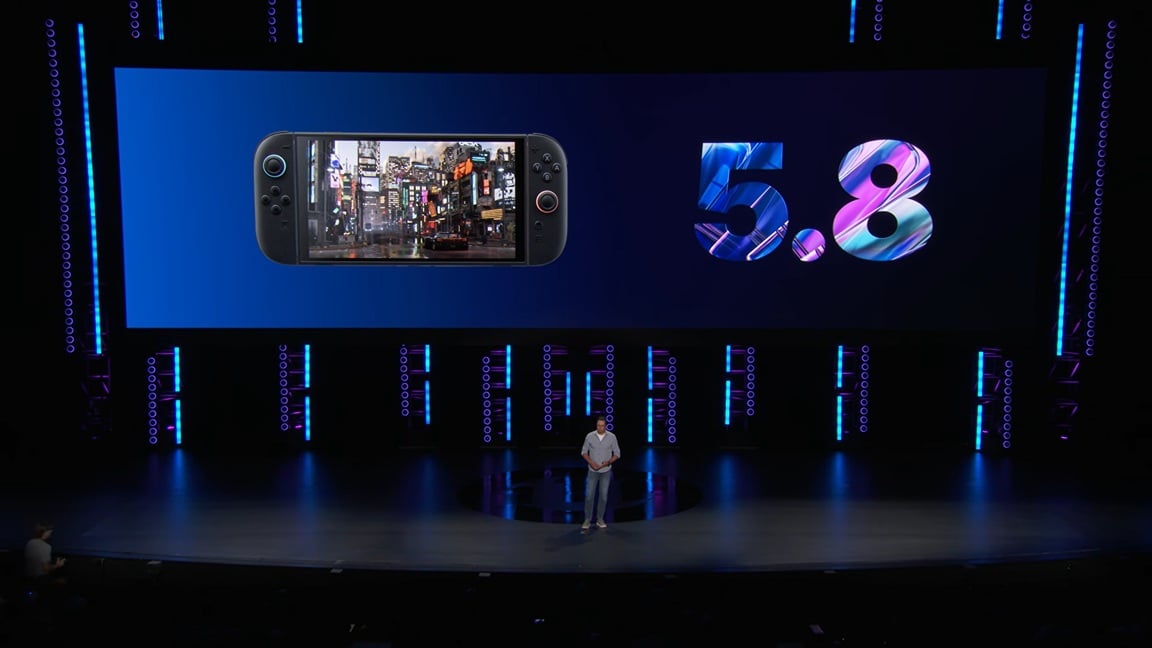
Unreal Engine 5.8 is now officially available, and Epic Games used its State of Unreal presentation to highlight several improvements that matter for both developers and players. For Nintendo Switch 2, the standout detail is Lumen Light, a lighter mode for Unreal Engine’s dynamic global illumination system. That may sound like the kind of phrase that belongs on a whiteboard in a studio rather than in a conversation about games, but the impact is easy to understand. If developers can keep more of the dramatic lighting that makes Unreal Engine 5 games look modern while lowering the hardware cost, Switch 2 projects suddenly have more breathing room. It is like swapping a heavy backpack for a lighter one before climbing a hill. The climb is still there, but the journey becomes much more manageable.
Why Lumen Light matters for handheld performance
Handheld hardware always lives in a balancing act. Developers have to think about power use, heat, battery life, image quality, frame rate, memory, and the simple fact that a portable device cannot behave exactly like a large home console with more room to stretch its legs. That is why Lumen Light is such an important addition for Nintendo Switch 2. Lumen’s standard higher-quality modes can produce striking lighting, but they can also be expensive in terms of GPU performance. A more efficient option gives developers another way to keep scenes looking atmospheric without pushing the system too hard. Nobody wants a beautiful game that feels like it is dragging its feet through wet cement, right? Smoothness matters, especially on a device designed for both docked and handheld play.
Lower GPU cost could make better lighting more practical
Epic describes the new mode as a way to preserve much of Lumen’s visual impact while using significantly less GPU power. In practical terms, that means developers may be able to keep dynamic lighting as part of the artistic identity of a game without paying the same performance price. Lighting is not just decoration. It affects how players read a room, how a forest feels at dusk, how a corridor builds tension, and how believable a world becomes once shadows, reflections, and indirect light begin working together. On lower-power hardware, those luxuries often get reduced or replaced with simpler systems. Lumen Light gives teams a middle path, which is often exactly what game development needs. Not every scene needs the fanciest possible lighting, but many scenes benefit from lighting that feels responsive and alive.
60 FPS support gives developers a clearer target
Epic says this lighter Lumen approach can help games that rely on global illumination run on Nintendo Switch 2 at 60 FPS. That is a big statement because frame rate is one of the first things players notice, even when they cannot explain why a game feels better. At 60 FPS, movement appears more responsive, camera control feels cleaner, and fast action becomes easier to read. Of course, this does not mean every Unreal Engine 5 game on Switch 2 will automatically hit 60 FPS. Development is never that simple, and anyone who has ever tried to fix one tiny technical issue only to create three new ones knows that pain. Still, the new mode gives studios a clearer technical route when 60 FPS is part of the goal.
How global illumination shapes the look of modern games
Global illumination is one of those terms that sounds colder than the effect it creates. At its simplest, it helps simulate how light bounces around a scene instead of only shining directly from one source to one surface. Think about sunlight entering a room through a window. It does not just hit the floor and stop. It bounces, softens, spreads, and gives the room warmth. Games use global illumination to mimic that behavior, making environments feel less flat and more believable. Without it, scenes can still look good, but they may lose some of that natural richness. With it, a cave can feel damp and eerie, a city street can glow with reflected neon, and a quiet room can feel like someone really lives there.
Lighting can change the whole mood of a scene
Good lighting does not just make a game prettier. It tells players how to feel. A warm sunset can make an open field feel peaceful. A flickering hallway light can make a simple walk feel like a terrible idea, which is usually when horror games start grinning in the background. Lumen has been one of Unreal Engine 5’s signature systems because it helps lighting react in more natural ways, especially when developers want scenes to feel dynamic. For Nintendo Switch 2, the challenge is not whether this kind of lighting is desirable. The challenge is whether it can be used without eating too much performance. Lumen Light is important because it suggests Epic is building tools that better fit the reality of portable and performance-sensitive hardware.
Probe occlusion and irradiance fields explained in plain English
The technical explanation for Lumen Light mentions irradiance fields with probe occlusion, which sounds a bit like a wizard wrote the lighting notes after three coffees. In plain English, this approach uses a more efficient way to estimate how light fills a space and how objects block or influence that light. Instead of calculating every detail in the most demanding way possible, the system relies on smarter approximations that can still preserve the mood of a scene. That is the heart of many good performance solutions: keep what players feel most, reduce what they are least likely to notice, and spend the saved power where it matters. If done well, players may not know why a scene looks good and runs smoothly. They will simply enjoy it.
What this could mean for Switch 2 games made in Unreal Engine 5
Nintendo Switch 2 already has a clear opportunity with Unreal Engine 5. The engine is widely used across the industry, and strong support can make it easier for studios to bring modern games to Nintendo’s hardware. Lumen Light strengthens that opportunity because it addresses one of the most visible pressure points: performance. When developers target Switch 2, they need to decide which visual features stay, which ones are adjusted, and which ones are removed. A lighter lighting option means fewer all-or-nothing decisions. That could be especially helpful for atmospheric adventures, horror games, RPGs, action titles, and stylized projects that depend on light and shadow to sell their worlds. The difference might not always scream from a trailer, but it could be felt every time a game holds its frame rate during a busy scene.
Performance worries have followed several Unreal Engine 5 releases
Unreal Engine 5 has powered some visually striking games, but the engine has also been part of broader performance conversations across platforms. Players have seen modern releases struggle with stutters, frame pacing problems, resolution drops, and inconsistent performance, and those concerns are not limited to Nintendo hardware. That context makes Unreal Engine 5.8 more interesting. Lumen Light is not just a shiny new feature. It feels like part of a wider push to make Unreal Engine 5 more scalable and practical across more devices. For Switch 2, that scalability is crucial. The console does not need every game to mimic the highest PC settings. It needs versions that feel thoughtfully built for the hardware, with smart choices instead of blunt compromises.
Better tools do not automatically guarantee better launches
It is worth keeping expectations grounded. A stronger engine feature does not magically fix every development challenge. Studios still need time, skill, testing, and sensible technical direction. A game can have access to Lumen Light and still run poorly if other systems are too demanding, if optimization arrives too late, or if the project targets settings that do not fit the hardware. Tools are like kitchen equipment. A great oven helps, but it will not save a pizza if someone forgets it exists and leaves the dough on the counter. What Lumen Light does offer is a better starting point. It gives developers one more practical option when they are trying to preserve mood, lighting, and smooth performance on Nintendo Switch 2.
Why Epic’s update arrives at an important time
The timing of Unreal Engine 5.8 matters because Nintendo Switch 2 is still in a stage where technical impressions can shape how players view third-party support. Early releases often set expectations, fairly or unfairly, and players pay close attention to whether new hardware can handle ambitious games. If Unreal Engine 5 projects begin showing stronger performance on Switch 2, that could build confidence among players and developers alike. It also gives publishers a better reason to consider Nintendo’s platform when planning releases. Portable play remains a major advantage for Switch 2, but that advantage becomes much stronger when visual quality and frame rate feel carefully balanced. A technically rough port can feel like wearing shoes two sizes too small. A well-optimized one feels like it was always meant to be there.
Switch 2 needs strong third-party support to keep momentum
Nintendo’s own games will always be a huge part of the Switch 2 story, but third-party support can widen the console’s appeal in a big way. Players want variety. They want large adventures, smaller experiments, multiplayer hits, horror surprises, RPG comfort food, and the occasional game that eats an entire weekend before anyone notices. Unreal Engine 5 is a major part of modern development, so improved performance paths can make Switch 2 more attractive to studios using that technology. Lumen Light could help developers bring more visually ambitious games to the system without stripping away too much atmosphere. That matters because strong third-party releases can make the console feel less like a separate island and more like a full part of the current gaming landscape.
Developers now have another option when balancing visuals and speed
Game development is often a long series of trade-offs. Increase the lighting quality, and performance might suffer. Raise the resolution, and something else may need to give. Add more effects, and the frame rate might start wobbling like a table with one bad leg. Lumen Light gives developers another lever to pull. Instead of choosing between expensive lighting and no advanced lighting at all, teams can test a lighter version that may better fit their goals. That flexibility is valuable because different games need different things. A competitive action game may prioritize responsiveness above all else. A moody adventure may accept softer visuals if the atmosphere remains intact. The best version is usually the one where the choices feel intentional rather than forced.
What players should realistically expect
Players should expect Lumen Light to improve possibilities, not guarantee miracles. Some Switch 2 games using Unreal Engine 5 may benefit clearly, especially when developers make smart choices around resolution, effects, world density, and frame rate targets. Others may still land at 30 FPS if their design demands more from the hardware, and that can be a valid choice when handled well. The key difference is that Unreal Engine 5.8 gives developers more room to aim for 60 FPS while keeping dynamic lighting in play. That could mean smoother action games, richer-looking portable experiences, and fewer cases where lighting has to be heavily reduced. In the best cases, players will not think about Lumen Light at all. They will just notice that a game looks good and feels good, which is the real win.
Conclusion
Unreal Engine 5.8 gives Nintendo Switch 2 an important technical boost through Lumen Light, especially for games that want dynamic global illumination without sacrificing too much performance. The promise of a lighter, faster Lumen path is exciting because it speaks directly to one of the biggest challenges for portable hardware: keeping modern visuals while holding a smooth frame rate. This does not mean every Unreal Engine 5 release on Switch 2 will suddenly become a perfect 60 FPS showcase, but it does mean developers now have a more practical lighting option to work with. For players, that could lead to more polished third-party games, better atmosphere, and stronger performance across future Switch 2 releases. It is the kind of behind-the-scenes improvement that may not sound flashy at first, but it could quietly shape how good many games feel in your hands.
FAQs
- What is Lumen Light in Unreal Engine 5.8?
- Lumen Light is a lighter global illumination mode designed to preserve much of Lumen’s visual impact while lowering the GPU cost. For Nintendo Switch 2, that matters because it can help developers keep richer lighting while targeting stronger performance.
- Does Lumen Light mean every Switch 2 game will run at 60 FPS?
- No. Lumen Light gives developers a better path toward 60 FPS, but final performance still depends on the game’s design, optimization, resolution, effects, world detail, and overall technical choices.
- Why is global illumination important for games?
- Global illumination helps light bounce and spread through scenes in a more natural way. It can make environments feel warmer, moodier, more realistic, or more dramatic depending on the creative direction.
- Could this improve third-party games on Nintendo Switch 2?
- Yes, it could help. Since Unreal Engine 5 is widely used, a more efficient lighting mode may make it easier for studios to create better-balanced Switch 2 versions with stronger visuals and smoother performance.
- Is Unreal Engine 5.8 only important for Nintendo Switch 2?
- No. Unreal Engine 5.8 includes broader improvements for developers across platforms, but Lumen Light is especially interesting for Switch 2 because handheld hardware benefits greatly from scalable performance options.
Sources
- State of Unreal 2026: Top news from the show, Unreal Engine, June 17, 2026
- Unreal Engine 5.8 is now available, Unreal Engine, June 17, 2026
- Unreal Engine 5.8 out today, Lumen Light confirmed for Nintendo Switch 2, Nintendo Everything, June 17, 2026
- Unreal Engine 5.8 gets new Lumen mode to improve performance on handhelds, should benefit Nintendo Switch 2, Nintendo Everything, May 18, 2026
- Lumen Performance Guide for Unreal Engine, Epic Developer Community, 2026