














Summary:
Capcom producer Masachika Kawata has explained why Resident Evil remakes have become such an important part of the publisher’s release strategy and why fans have seen fewer spin-off games in recent years. According to Kawata, creating an entirely new mainline Resident Evil every year would place an enormous burden on Capcom’s development teams. Remakes allow the company to revisit well-known games while maintaining a steady flow of Resident Evil releases without rushing the next original installment.
However, these projects aren’t treated as easy substitutes or minor releases. Kawata emphasized that remakes are considered just as important as the mainline games. Rebuilding an older title gives developers opportunities to improve their skills, experiment with modern technology, reconsider familiar mechanics, and preserve the identity of the original experience for a modern audience. The commercial success of these games also provides Capcom with resources that can be invested in new Resident Evil installments and original properties such as Pragmata.
The relative absence of Resident Evil spin-offs has a more practical explanation. Capcom’s available developers are already heavily involved in major projects, including Resident Evil Requiem and further remakes. With those teams giving their full attention to large-scale releases, there is currently little capacity left for separate spin-off projects. Resident Evil Requiem launched on February 27, 2026, and is available for Nintendo Switch 2 alongside other current platforms.
Capcom Explains Why Resident Evil Remakes Remain a Priority
Resident Evil has rarely felt more active than it does now. Capcom has managed to alternate between original installments and remakes, giving longtime fans familiar nightmares while introducing newer players to games they may have missed the first time around. That balance may look simple from the outside, but it solves a difficult production problem. Modern Resident Evil games require years of planning, performance capture, animation, programming, environmental design, testing, and countless other moving parts. You can’t simply press a button marked “make another one” and expect a polished horror game to crawl out of the machine.
Masachika Kawata explained that remakes help Capcom maintain a regular presence for the series without forcing its developers to produce a completely original installment every year. They offer a foundation that teams can reinterpret while still demanding serious creative and technical work. This approach keeps Resident Evil visible, gives players regular reasons to return, and prevents the mainline team from being pushed into an unrealistic yearly development cycle.
Remakes Help Capcom Maintain a Regular Release Schedule
Producing a brand-new Resident Evil every year would be a daunting task, especially when expectations surrounding the series are so high. Players now expect detailed environments, cinematic presentation, memorable enemies, carefully tuned combat, and enough tension to make an innocent-looking corridor feel like a terrible life choice. Meeting those standards takes time. A rushed sequel could easily damage the reputation Capcom has spent years rebuilding, so the company needs another way to keep releases moving at a dependable pace.
Remakes provide that flexibility. Capcom can return to an established game, preserve its core ideas, and rebuild the experience using modern technology and contemporary design principles. The original story, characters, and locations may already exist, but nearly every part of the presentation and gameplay must still be reconsidered. This makes remakes valuable additions to the schedule rather than placeholders between the supposedly more important games.
The strategy also lets different development groups contribute to Resident Evil without demanding that a single team carry the entire franchise. While one group works on the next major chapter, another can focus on restoring an older entry. That creates a production rhythm in which the series can remain active while each project receives the attention it needs.
Revisiting Classic Games Is Still a Major Creative Challenge
Remaking a beloved game can be surprisingly difficult. Players want the experience to feel familiar, but they also expect meaningful improvements. Change too little and the project may feel unnecessary. Change too much and the remake risks losing the mood, pacing, or personality that made the original memorable. Developers are effectively walking across a creaking wooden bridge while thousands of fans shout conflicting directions from both sides. It is not the easiest stroll in the park.
That tension creates useful challenges for Capcom’s teams. Developers must study why an older game worked, identify the elements that have aged poorly, and determine how modern mechanics can support the original vision. Camera perspectives may need to change. Environments may need to be expanded. Enemy encounters must be rebuilt around modern movement and aiming systems. Even familiar puzzles can require adjustments so they remain interesting to returning players.
Kawata indicated that this process helps Capcom’s developers continually test themselves and refine their skills. A remake is therefore more than an exercise in recreating old scenery. It becomes a workshop where teams can improve their understanding of horror, action, level design, visual storytelling, and player expectations.
Remakes Are Treated as Seriously as Mainline Resident Evil Games
Kawata stressed that Capcom does not regard its remakes as less important than original Resident Evil installments. That distinction matters because remakes are sometimes dismissed as safer projects built mainly to fill gaps in a release calendar. Capcom’s recent approach suggests something more deliberate. Each remake must function as a major release capable of satisfying existing fans while standing on its own for people who never played the earlier version.
This philosophy can be seen in how thoroughly Capcom rebuilds its games. Characters receive new performances, environments are redesigned with added detail, and familiar events are often rearranged to create fresh surprises. The goal is not simply to place sharper textures over an old structure. Capcom wants each remake to feel like a modern Resident Evil game while retaining enough of the original identity to make longtime fans feel at home.
Treating these games as major projects also protects the wider series. A careless remake could weaken trust, particularly when it involves a fan-favorite installment. By giving remakes serious attention, Capcom can preserve its history while demonstrating that older Resident Evil games still have something worthwhile to offer.
Successful Remakes Support New Resident Evil Games and Original Ideas
Remakes provide more than a dependable release schedule. Their success also creates financial stability that Capcom can use to support future development. Large modern games are expensive, and even an established publisher must carefully decide where to place its people, technology, and budget. A strong-performing Resident Evil remake gives the company greater freedom to invest in ambitious projects that may require more time or carry greater commercial risk.
Kawata described a relationship in which Resident Evil remakes help generate the resources needed for new installments and original properties. In practical terms, the familiar can help finance the unfamiliar. A successful return to an established police station, village, or laboratory may help fund a project that takes players somewhere completely different.
This does not mean every creative decision is driven solely by money. Instead, it shows how Capcom’s established series can provide a stable base for experimentation. Resident Evil continues to grow, but its success can also benefit games beyond the franchise. That gives remakes a wider role within Capcom’s development strategy than many players might initially assume.
Resident Evil Helps Capcom Take Bigger Creative Risks
Developing a completely new property is always risky. An original game cannot rely on decades of name recognition, established characters, or a community already eager to inspect every trailer frame by frame. It must introduce its world, explain its rules, and persuade players to care about something they have never encountered before. That challenge becomes easier to accept when a publisher has dependable series capable of supporting the wider business.
Kawata specifically connected Capcom’s successful production cycle with the company’s ability to develop projects such as Pragmata. Resident Evil remakes and mainline games provide a reliable pillar, while original projects allow developers to explore ideas that may not fit within an existing franchise. One side offers stability, while the other brings creative uncertainty and potential growth.
It is a little like keeping one hand on a sturdy railing while reaching toward a door you have never opened. The railing does not make the new room less exciting. It simply gives you a better chance of reaching it without falling flat on your face. Capcom’s established franchises can play that stabilizing role while its developers experiment elsewhere.
Limited Development Resources Explain the Lack of Spin-Offs
Resident Evil has a long history of spin-offs, from multiplayer experiments to side stories that explore characters and events beyond the numbered installments. Some became cult favorites, while others are remembered with the kind of nervous laughter normally reserved for an embarrassing family photograph. Either way, these projects once helped the series explore unusual ideas without placing them inside a mainline release.
Fans wondering why Capcom has not produced more of them recently may be tempted to assume that the company has lost interest. Kawata offered a more straightforward explanation: Capcom’s development resources are already committed elsewhere. Making a spin-off still requires designers, programmers, artists, writers, testers, producers, and technical support. Those people cannot work on an unlimited number of games at once, no matter how much coffee is placed within reach.
Capcom is currently prioritizing major new entries and remakes. With teams pouring their energy into those projects, there is little remaining capacity for an additional Resident Evil spin-off. The absence of such games therefore appears to be a question of focus rather than a permanent rejection of the idea.
Capcom Is Concentrating Its Teams on Requiem and Remakes
Kawata said the team is giving everything it has to current projects, including Resident Evil Requiem and remake development. That statement highlights the scale of Capcom’s commitment. Even when a company has several internal studios and support partners, experienced developers remain a limited resource. Moving people onto a spin-off could slow another game, divide leadership attention, or create scheduling problems across multiple teams.
Concentrating resources allows Capcom to protect the quality of its most important releases. Resident Evil is built around carefully controlled pacing, enemy behavior, sound design, and environmental atmosphere. These elements rely on close collaboration. Spreading experienced staff too thin could weaken the final result, particularly when teams are already managing technically demanding games across several platforms.
This focus may disappoint players hoping for the return of series such as Outbreak or Revelations. Still, it suggests Capcom would rather complete its current projects properly than announce a collection of games it cannot realistically support. In an industry where ambitious release calendars often lead to delays and unfinished launches, restraint can be a healthy sign.
Spin-Offs Could Return When More Development Capacity Is Available
Kawata did not announce a new Resident Evil spin-off, nor did he confirm plans to revive any specific subseries. His comments nevertheless leave room for those projects to return under the right circumstances. The current barrier is a lack of available development capacity, which is different from saying Capcom no longer sees value in spin-offs. Priorities can change once major games are completed and teams become available for new assignments.
A future spin-off could also serve a useful purpose by exploring gameplay styles that would feel out of place in the mainline series. Resident Evil has previously experimented with cooperative survival, competitive multiplayer, light-gun action, episodic storytelling, and online scenarios. Not every experiment produced a masterpiece, but these games allowed Capcom to test ideas without reshaping the central series around them.
For now, fans should keep expectations measured. Capcom’s immediate attention remains fixed on its main releases and remake cycle. The door to spin-offs does not appear to be locked forever, but nobody should expect a surprise Umbrella employee to hand over the key tomorrow morning.
Resident Evil Requiem Continues the Series on Nintendo Switch 2
Resident Evil Requiem launched on February 27, 2026, and is available on Nintendo Switch 2. Its arrival gave Nintendo players access to Capcom’s latest major installment at the same time as audiences on other current platforms. That is a meaningful change for a series whose technically demanding recent entries were not always released natively on Nintendo hardware.
The Nintendo Switch 2 version places the latest Resident Evil experience on a hybrid system without presenting it as a separate spin-off or secondary project. Players can experience the mainline release in television, tabletop, or handheld mode, making the game part of the broader push to bring major third-party releases to Nintendo’s newer hardware.
Requiem also represents the type of project consuming Capcom’s current development resources. A modern Resident Evil must support detailed character models, complex environments, cinematic sequences, responsive controls, and carefully optimized performance across different systems. When a team is trying to make all of those pieces work together, it becomes easier to understand why an additional spin-off cannot simply be produced on the side.
What Capcom’s Strategy Could Mean for Resident Evil’s Future
Capcom’s approach suggests that Resident Evil will continue to move along two closely connected paths. New installments can advance the larger series, introduce unfamiliar threats, and experiment with fresh mechanics. Remakes can restore important chapters from the past while keeping the franchise active between original releases. Together, these projects create a cycle that supports both creative development and financial stability.
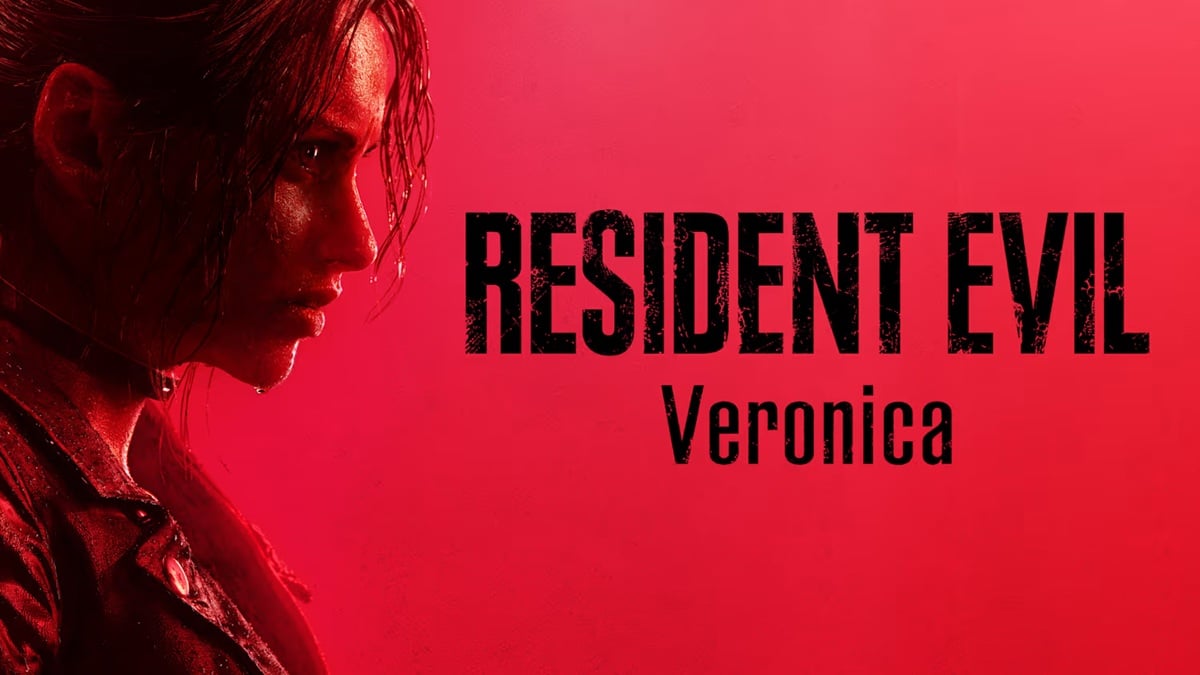
The unanswered question is how long that balance can continue before Capcom needs to adjust it. The number of obvious remake candidates is not infinite, and fans will naturally debate which games deserve to return. Some will want Code: Veronica, others will call for Resident Evil 5, and a particularly enthusiastic corner of the community will continue waving an Outbreak banner until somebody at Capcom notices.
Whatever comes next, Kawata’s explanation makes the current priorities clear. Remakes are not being produced because Capcom has run out of ideas. They help maintain a realistic development schedule, strengthen the company’s teams, and generate resources for future games. Spin-offs remain less common because the developers who would create them are currently needed elsewhere.
Conclusion
Capcom’s steady stream of Resident Evil remakes is part of a calculated strategy built around quality, sustainability, and creative growth. Releasing an entirely original installment every year would place too much pressure on the company’s developers, while leaving long gaps between games could reduce the momentum surrounding the franchise. Remakes offer a practical middle path. They allow Capcom to revisit its history, challenge its teams, and keep Resident Evil active without rushing the next mainline release.
These games also help fund larger ambitions. Their success supports original Resident Evil projects and gives Capcom more freedom to develop unfamiliar properties such as Pragmata. Spin-offs have become less common not because fans have stopped asking for them, but because the available teams are fully occupied with major installments and remakes. Resident Evil Requiem, now available on Nintendo Switch 2, reflects where much of that energy has been directed. For the moment, Capcom is choosing to focus its resources rather than spread them too thin, and the results suggest that the approach is working.
FAQs
- Why does Capcom keep producing Resident Evil remakes?
- Remakes help Capcom maintain a regular Resident Evil release schedule without forcing its developers to create a completely original mainline installment every year. They also allow teams to refine their skills while rebuilding classic games for modern audiences.
- Does Capcom consider Resident Evil remakes less important than new games?
- No. Masachika Kawata said the remakes are just as important as the mainline titles. Capcom treats them as major projects rather than smaller releases designed only to fill gaps in the schedule.
- Why are there fewer Resident Evil spin-offs now?
- Capcom’s developers are currently focused on major new installments and remake projects. According to Kawata, the teams are already giving their full effort to those games, leaving little development capacity for separate spin-offs.
- How do Resident Evil remakes help Capcom create new games?
- Successful remakes generate financial resources that Capcom can invest in new Resident Evil installments and original properties. This stable release cycle gives the company more freedom to support ambitious or unfamiliar ideas.
- Is Resident Evil Requiem available on Nintendo Switch 2?
- Yes. Resident Evil Requiem launched on February 27, 2026, and is available for Nintendo Switch 2.
Sources
- Best Of Both Worlds, Game Informer, July 21, 2026
- Capcom Explains Why It’s Putting Out So Many Resident Evil Remakes and Why There Aren’t a Lot of Spin-Offs, Nintendo Everything, July 25, 2026
- Resident Evil Requiem, Nintendo, February 27, 2026