





Summary:
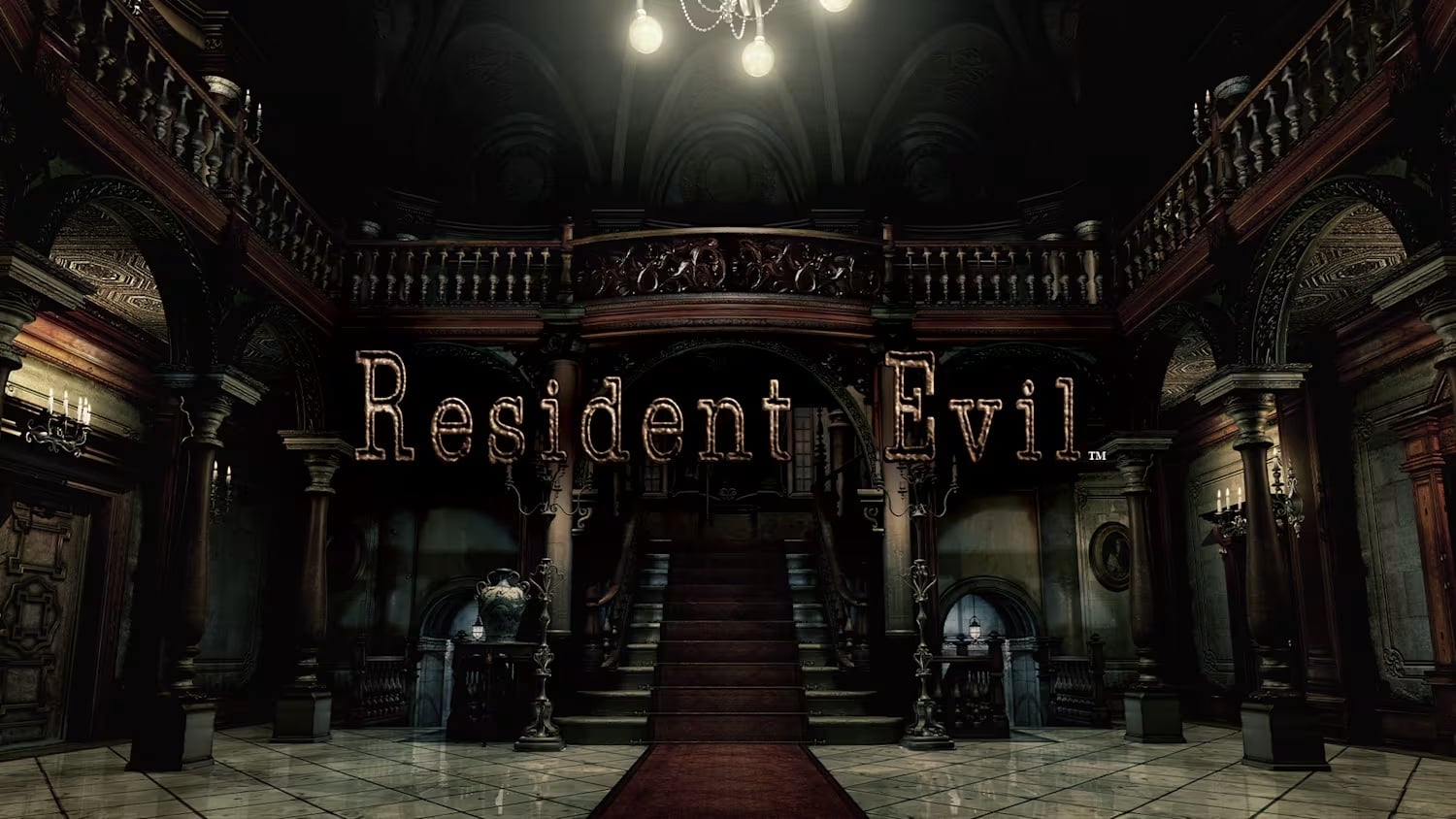
Jun Takeuchi’s comments in the Biohazard 30th Special magazine finally give a clear, practical reason why Capcom didn’t begin its modern remake series with the very first Resident Evil. He calls the original game “stoic” and points out that its fear comes from restraint and atmosphere rather than the more immediate, action-horror beats many players expect from today’s releases. Capcom instead chose the Raccoon City incident as a more direct, resonant entry point and rebuilt the modern remake run around that moment. For Nintendo fans this also means the classic 2002 GameCube overhaul remains the best playable modern take on RE1 for Switch and Switch 2 owners, while Capcom moves forward with remakes like Resident Evil Veronica in 2027.
Why Capcom skipped Resident Evil 1 as the first modern remake
Capcom’s decision to lead with Resident Evil 2 rather than the original comes down to design and audience expectations. Jun Takeuchi described the original title as “stoic,” meaning its horror relies on suggestion, pacing, and a slow-burn atmosphere. That restrained approach can be brilliant for players who love tension built from silence and limited information, but it can also feel dated or off-putting to many modern gamers who expect faster pacing, clearer stakes, and more immediate gameplay feedback. Capcom judged that starting with the Raccoon City incident – the events in Resident Evil 2 – would provide a stronger, more accessible entry point for new players while still honoring the franchise’s roots for longtime fans.
What Takeuchi meant by calling the original “stoic”
When a developer calls a game stoic, they aren’t criticizing its quality so much as identifying a tonal choice: RE1’s tension is built on long silences, limited resources, and implied threat rather than constant on-screen action. That means scares arrive through implication, sound, and environmental storytelling – a slow accumulation instead of frequent shocks. Translating that style into modern production values and player expectations takes different design decisions than the remake path Capcom chose. Takeuchi’s point was practical: some of RE1’s most effective techniques might not land the same way for a broad, contemporary audience, so Capcom opted to reintroduce the saga through a moment that combines horror and action in a way more likely to connect immediately.
Why the Raccoon City incident is a stronger entry point for newcomers
Raccoon City functions as a narrative fulcrum for the franchise – it’s where multiple storylines intersect, and it introduces players to the stakes of the Resident Evil universe. Starting the remake series with Resident Evil 2 lets players experience a focused outbreak with strong character anchors like Leon and Claire, clearer pacing, and moments that mix tension and action. For Capcom, that balance makes it easier to modernize gameplay while keeping the horror intact. It also gives newcomers a more obvious pathway into the series’ mythology, which in turn sets up future remakes and mainline entries without forcing unfamiliar players to adapt immediately to the original’s slower, claustrophobic rhythm.
How the remake order shaped the modern Resident Evil identity
The run of remakes – RE2 in 2019, RE3 soon after, and RE4 more recently – helped reshape the brand for contemporary players by modernizing controls, camera, and pacing while protecting the series’ core scares. Each remake refined how Capcom blends survival horror with modern accessibility, and that sequence also let the studio experiment with who to lead players into the franchise’s past. Leaving RE1 for later means Capcom can approach it with lessons learned from the previous reboots, adapting its subtle horror with modern systems and presentation so that it both respects the original tone and feels compelling on current hardware.
Where RE1 sits today for Nintendo fans
If you’ve wanted to play a modern take on the original Resident Evil, the most accessible option for Nintendo players remains the 2002 GameCube remake and its later HD remaster. Capcom’s GameCube overhaul reworked the Spencer Mansion experience significantly and has been made available on modern platforms, including Nintendo Switch and the upcoming Switch 2. If you own either system, that remake offers a faithful, updated way to experience RE1’s story and atmosphere before Capcom decides how to handle a full, RE Engine–powered modern remake.
How to play the 2002 GameCube remake on Nintendo platforms
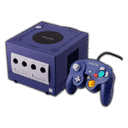
The GameCube remake received an HD remaster and has been ported to modern consoles, meaning Switch owners can play a visually improved version of that classic reimagining without waiting for an official RE Engine remake. For specifics on Switch releases and platform details, check resources dedicated to the Nintendo Switch family, including our coverage of the Nintendo Switch and the Nintendo Switch 2. For background on the original GameCube version you can also visit our Nintendo GameCube section. These links will help you find platform-specific release notes, remaster info, and download options so you can jump into the classic remake without missing any of the story.
Resident Evil Veronica is next – what Capcom announced for 2027
Capcom officially revealed a remake titled Resident Evil Veronica that’s scheduled for release in 2027. Announced during the franchise’s 30th anniversary messaging and in Capcom’s press communications, Veronica is a modern reimagining of Code: Veronica and will be built on Capcom’s RE Engine. The announcement confirmed platforms and a 2027 release window, signaling Capcom’s continued commitment to revisiting major numbered entries. For fans tracking the remake order, Veronica represents a next step that ties into the Raccoon City era while expanding on characters and plot threads that weren’t fully explored in earlier remakes.
What Veronica means for the remake pipeline and timeline
Veronica’s development and 2027 release window suggest Capcom is pacing remakes to alternate between narrative significance and gameplay reinvention. By choosing Code: Veronica as a next major remake, Capcom can address story beats that sit between the Raccoon City incident and later mainline arcs, while also experimenting with reimagining characters and environments for today’s players. This approach keeps the brand present year to year and gives developers room to refine how older titles are adapted, meaning when Capcom eventually circles back to RE1 it will have more tooling and creative perspective to respect its stoic horror while still making it compelling.
Conclusion
Capcom’s move to start the remake run with Resident Evil 2 rather than the original stands as a strategic choice about tone, accessibility, and storytelling. Jun Takeuchi’s description of RE1 as stoic explains why the studio favored a more instantly resonant outbreak story to reintroduce the franchise. For NintendoReporters readers, that means you can still play an updated RE1 experience via the GameCube remake ports on Switch and Switch 2, while Capcom continues to rework the series with titles like Resident Evil Veronica due in 2027. The order makes sense when you consider how modern players tend to encounter horror today.
FAQs
- Why didn’t Capcom remake Resident Evil 1 first?
- Capcom felt the original’s stoic, slow-burn horror might not connect with many modern players, so it chose to reintroduce the series through the more immediate Raccoon City incident in RE2.
- Does Resident Evil 1 have any modern remake available?
- The best modern option is the 2002 GameCube remake and its later HD ports, which are playable on platforms like Nintendo Switch and the upcoming Switch 2.
- When is the next Resident Evil remake coming?
- Capcom announced Resident Evil Veronica, a remake of Code: Veronica, with a scheduled release in 2027.
- Will Capcom eventually remake the original Resident Evil?
- Capcom has not announced an RE1 remake on the RE Engine yet, but the developer commentary and the ongoing remake pipeline make a future project likely.
- Where can Nintendo gamers play a modern version of RE1?
- Play the GameCube remake’s HD remaster on Nintendo platforms; check our Nintendo Switch and Nintendo Switch 2 coverage for platform-specific availability.
Sources
- Capcom explains why it didn’t start the Resident Evil remake series with Resident Evil 1, NintendoEverything, November 7, 2026
- Resident Evil Veronica to Launch in 2027!, Capcom, June 8, 2026
- Resident Evil Veronica announced for PS5, Xbox Series, Switch 2, and PC, Gematsu, June 5, 2026