














Summary:
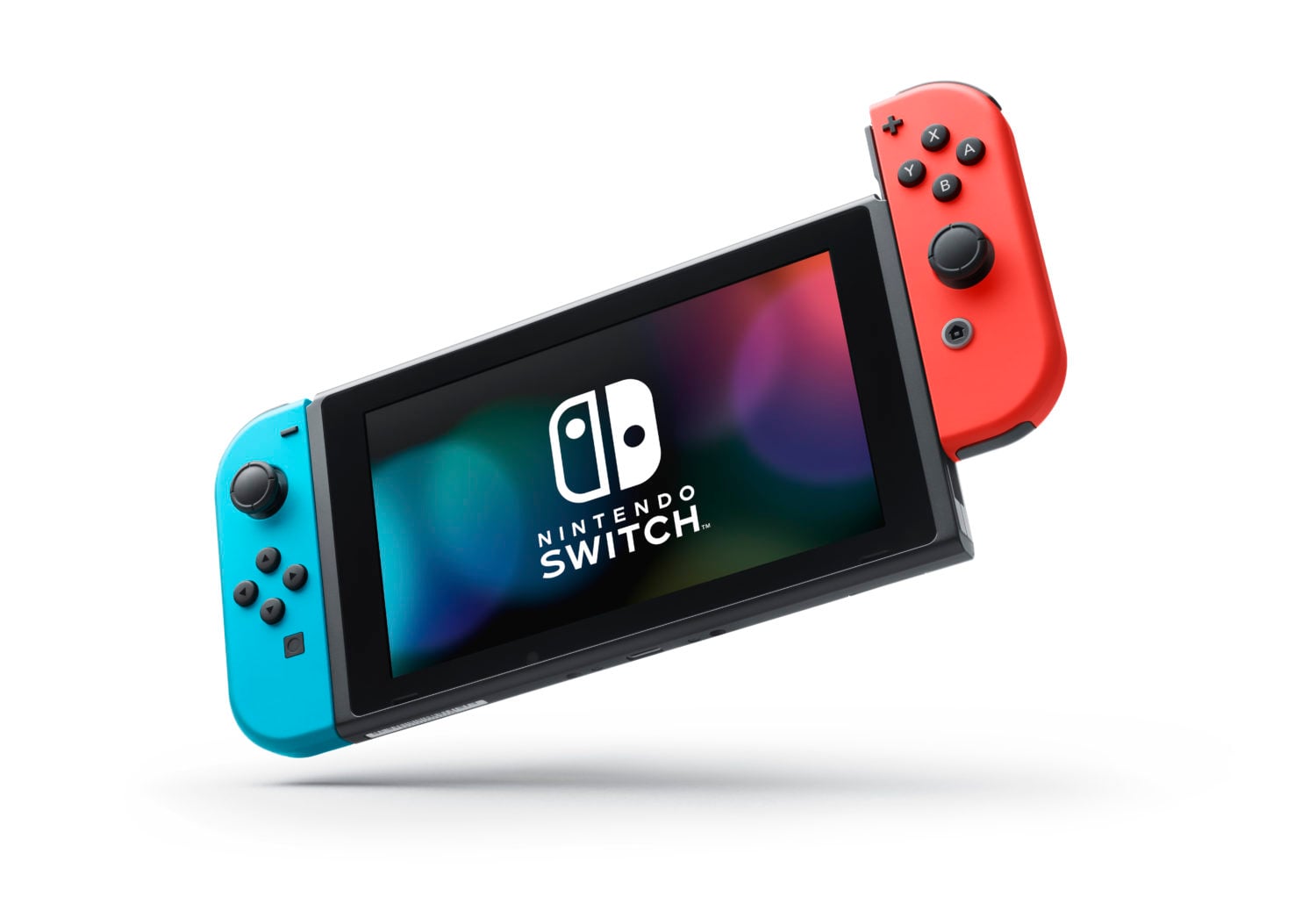
The headline from a recent interview with analyst Dr. Serkan Toto is stark but worth unpacking: he believes the Nintendo Switch rescued Japan’s dedicated console market from a possible collapse after the Wii U era. His point rests on how Nintendo rebuilt trust with players, created a hybrid form factor that matched local tastes, and produced sustained sales momentum that kept retailers and developers invested in console hardware. Famitsu weekly charts and Nintendo’s own sell-in figures back that claim by showing periods where the Nintendo Switch 2 greatly outsold competing hardware in Japan. This report explains what Toto said, what the data shows, and why NintendoReporters readers should care about how the Switch era shaped the country’s gaming landscape.
Analyst’s Nintendo Switch claim and why it matters
Dr. Serkan Toto told The Game Business that if Nintendo had followed the Wii U with another commercial miss, the Japanese console market might have been “completely eliminated.” That sounds dramatic, but it matters because it forces us to think about how fragile platform ecosystems can be when a single company carries most of the local momentum. In Japan, Nintendo has long occupied a unique place culturally and commercially. Toto frames the Switch not just as a successful product, but as the turning point that kept dedicated home and handheld consoles relevant to Japanese players. For anyone who cares about where their favorite franchises will appear, the argument is simple: hardware sells software, and when hardware demand falls, developers and publishers adjust their priorities. If that had happened after a second flop, the pipeline of Japanese console-first releases might have shifted more heavily to mobile or PC, changing the kinds of games made and played in Japan for years.
2017 and the Switch’s revival – the context behind the claim
When the original Switch launched in 2017, it arrived after the Wii U’s poor performance and the industry breathing room that followed. NintendoReporters readers will remember how the hybrid idea – a console that doubled as a portable – felt like a gamble that paid off. Toto points to that pivot as the moment Nintendo reestablished credibility, and the rest of the market followed. That credibility mattered for retailers who stock systems, for third-party publishers who decide which platforms to support, and for the developers who choose which audiences to chase. In Japan, where mobile gaming has long been dominant, a strong console presence requires a product that genuinely aligns with local tastes – and the Switch did precisely that by matching portable play patterns with traditional home-console moments. The result was a virtuous cycle: hardware success invited software investment, which reinforced hardware demand, and so on.
What weekly sales in Japan show – snapshots from Famitsu
Weekly sales trackers can feel granular, but they offer a clear signal when trends are consistent. Famitsu’s weekly charts, as reported by industry outlets, have repeatedly shown weeks where the Nintendo Switch 2 moved many times the units of its rivals combined. For example, there are reporting windows where Switch 2 sales numbered in the tens of thousands while PlayStation 5 and Xbox Series families combined for only a fraction of that total. Those week-by-week snapshots are not just about a single hit launch; they show sustained consumer preference in a market that matters to Sony and Microsoft. For readers, this helps explain why developers and publishers still treat Nintendo as a top-tier platform in Japan: the install base and engagement are demonstrably there, and those Famitsu snapshots are the kind of hard, repeatable data analysts use to justify continued support for a platform and its games.
How PlayStation and Xbox perform in Japan compared to Nintendo
PlayStation and Xbox have very different positions in Japan than they do in other regions. In many weeks the PlayStation 5 family reaches respectable numbers, but it rarely matches Switch 2 during comparable periods, and Xbox hardware often posts comparatively tiny figures in the Japanese weekly tallies. That imbalance matters because platform holders chase both players and publishers. When console sales are concentrated on one system, publishers naturally prioritize that ecosystem for localized marketing, timed releases, and distribution. For Japanese gamers, that gives Nintendo a steady stream of domestic and localized content that reinforces its lead. For Sony and Microsoft, it creates a challenge: to gain back share they need either a price or content strategy that meaningfully shifts local consumer behaviour, which is easier said than done when Nintendo’s hybrid model already fits the Japanese market so cleanly.
Nintendo’s official sell-in numbers and what they reveal
Nintendo’s own financial materials show how big the Switch 2 launch and first fiscal year were in terms of sell-in. Official figures published in Nintendo’s fiscal results detail hardware sell-in for the year and highlight that Nintendo Switch 2 moved nearly 20 million units in its first fiscal year according to the company’s reporting. Those numbers are sell-in statistics – meaning units shipped into the market and sold to retailers and partners – and Nintendo is transparent about the difference between sell-in and consumer sell-through. Still, the scale of sell-in tells a clear story: Nintendo moved significant hardware volume, which in turn supported a large software pipeline and sustained retail presence. For players, that meant more choices on day one and a steady stream of titles after launch, which reinforced the console’s relevance in Japan and globally.
Why Nintendo’s hybrid strategy resonated with Japanese players
There are cultural and practical reasons the Switch form factor resonated in Japan. Commuting patterns, apartment living spaces, and a strong portable gaming tradition meant a device that could be played on a train and on a TV had built-in appeal. Beyond hardware, Nintendo’s approach to first-party franchises – steady releases, thoughtful localization and family-friendly marketing – matched expectations for what console gaming should offer. The hybrid design reduced friction: you could pick up a session for ten minutes between errands or sit down for a marathon with friends. This flexibility matters in a market where convenience and portability are often decisive purchase factors. Add in a steady schedule of major releases and Nintendo carved out a rhythm of engagement that competitors found hard to replicate quickly.
Looking ahead – risks, price moves and the sustainability question
Even a dominant position isn’t invulnerable. Price changes, supply issues, and shifts in player preferences can all affect momentum. Recent weeks and months have shown how sensitive hardware sales can be to price moves and bundle availability, as consumers sometimes rush purchases ahead of price increases and then normalize afterwards. For Switch 2, sustaining long-term momentum will require a steady lineup of compelling software, continued attention to regional tastes, and smart retail strategies that keep units in consumer hands. NintendoReporters will be watching how Nintendo balances global pricing, local special editions, and the ongoing software calendar. The takeaway for readers is that a strong start matters, but long-term leadership depends on consistent follow-through at multiple levels – software, supply and price policies included.
What this means for players and the NintendoReporters community
If you care about where Nintendo franchises show up, why third parties bother localizing to Japanese, or the kinds of games developers will fund in the next generation, Toto’s statement is important food for thought. It is also a reminder that player behaviour shapes what companies invest in. If you prefer Nintendo’s library and want more domestic-first titles, voting with your wallet and engagement matters. If you want to follow the week-by-week hardware drama yourself, outlets that report Famitsu and Media Create charts provide the raw numbers. For more on the Switch 2 hardware and games ecosystem on NintendoReporters, check out our Nintendo Switch 2 section here, or learn about our 100% Nintendo mission here. If you have a specific tip or a reaction to Toto’s claim, reach out via our contact page here and let us know what you think.
Conclusion
Dr. Serkan Toto’s claim that Nintendo’s Switch effectively saved Japan’s console market is a strong-but-plausible interpretation of the data and industry dynamics. The combination of a device that matched local play patterns, a robust pipeline of first-party titles, and clear sell-in numbers created an environment where consoles remained relevant in Japan. Weekly charts from trackers like Famitsu repeatedly show Switch 2 leading hardware sales by wide margins, and Nintendo’s fiscal reports confirm strong sell-in performance during the launch year. For Nintendo fans and the wider community, the lesson is that hardware success begets software investment, which in turn keeps a platform alive and appealing. Whether that dominance is sustainable depends on how Nintendo manages pricing, content cadence and supply in the months ahead.
FAQs
- What exactly did Dr. Serkan Toto say?
- He told The Game Business that if Nintendo had produced another flop like the Wii U and the Switch had not succeeded, the Japanese console market might have been “completely eliminated.” His point was about how the Switch restored momentum for dedicated consoles in Japan.
- Do weekly sales trackers support that view?
- Yes. Weekly hardware charts published by trackers and reported by outlets have shown weeks where Switch 2 sold multiple times the combined units of PlayStation 5 and Xbox Series families in Japan, illustrating clear local dominance during many reporting windows.
- Are Nintendo’s official numbers consistent with those charts?
- They are consistent in scale. Nintendo’s fiscal report for the year detailed significantly strong sell-in for Switch 2, showing the company shipped millions of units during the first fiscal year, supporting the observations from weekly sell-through trackers.
- Does this mean Sony and Microsoft are leaving Japan?
- No. Both companies remain active in Japan, but their market positions are smaller relative to Nintendo at the moment. That affects how publishers and developers prioritize platforms for Japan-specific releases.
- Where can I see the sales charts myself?
- Trackers like Famitsu and Media Create publish weekly hardware and software snapshots, and industry sites regularly repost and analyse those charts. We link to relevant reports in our reporting for readers who want to inspect the numbers.
Sources
- Five things we’ve learned about Japan’s games industry, plus how GTA 6 influenced Valor Mortis’ $40 price point, The Game Business, Sep 17, 2026
- Famitsu Sales: 9/7/26 – 9/13/26 [Update], Gematsu, Sep 17, 2026
- Famitsu Sales: 6/22/26 – 6/28/26 [Update], Gematsu, Jul 2, 2026
- Financial Results Explanatory Material – Fiscal Year Ended March 2026, Nintendo Co., Ltd., May 8, 2026