







Summary:
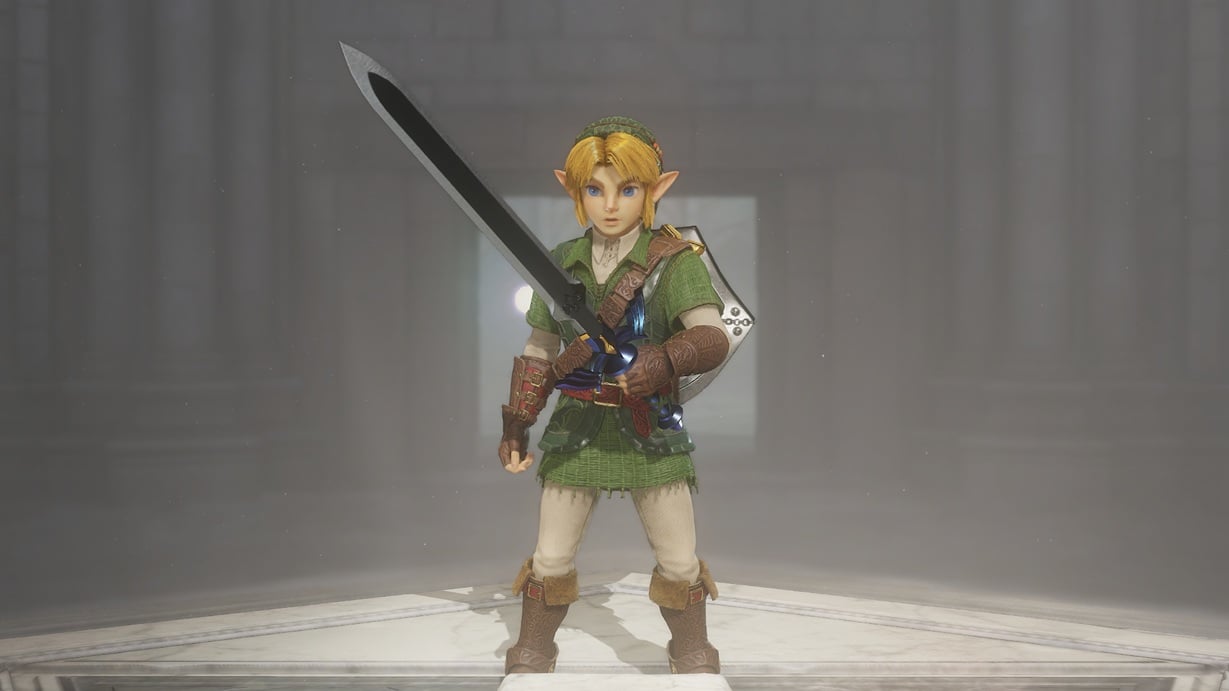
In a recent Nintendo Ask the Developer interview published on November 2, 2026, series producer Eiji Aonuma revealed that Breath of the Wild-style warp points were tested for The Legend of Zelda: Ocarina of Time remake but ultimately removed. Aonuma said he initially asked the team to add warp points because players in the original title often used forward roll to cross Hyrule Field quickly, and he wanted to address that. After playtesting, the team realised those shortcuts interfered with the small moments of discovery that define Ocarina of Time – the unexpected sights, minor detours and chance encounters that lead players to wonder “Wait, what’s this?” and chase new threads. NintendoReporters thinks this choice highlights Nintendo’s focus on preserving the original pacing and exploratory heartbeat of the game while modernising visuals and systems for the Nintendo Switch 2. Expect a faithful remake that keeps traversal meaningful rather than merely efficient, a decision that will shape how both newcomers and long-time fans experience Hyrule when the game launches on November 5.
Why warp points were considered for The Legend of Zelda – Ocarina of Time and how Aonuma tested them
When you look at modern Zelda design it’s hard not to notice the convenience of warp systems – quick, practical, and often a relief when you’ve got errands across a big map. That very convenience is what Eiji Aonuma had in mind when he asked the remake team to experiment with warp points for the Ocarina of Time rebuild. His reasoning was straightforward and reader-friendly: players of the original often spammed Link’s forward roll to travel faster across Hyrule Field, so adding designated shortcuts could reduce tedious back-and-forth without altering core level structure. However, testing isn’t just about coding a feature and shipping it. Aonuma actually had the team play through sections using the new warp points, observing how those shortcuts affected pacing and player behaviour. The result was surprising – play sessions felt cleaner and faster, but some of the unplanned, delightful discoveries that happen between objectives started disappearing. In short, the warp points solved one problem and created another. Aonuma’s testing shows a familiar Nintendo approach: add possibilities, test them thoroughly, then cut what weakens the game’s intended feel.
The playtesting moment that changed minds
Playtesting is where intentions meet reality, and for this remake that moment was decisive. The team didn’t remove warp points because they were broken or buggy – they removed them because the playtests revealed a loss of texture in the experience. Imagine rushing from one shrine to another and missing little landmarks, NPC moments, or environmental hooks that spark curiosity and side quests. Those tiny incidents are glue – they hold together the world and make it feel lived-in. During playtests, staff noticed players skipped over these moments when warp points were available, and Aonuma felt the game was losing something essential. He’s the same producer who has shepherded Zelda through dramatic changes, and his decision to yank the warp points after trying them demonstrates a careful curatorial eye. This kind of iterative testing and the willingness to reverse earlier directives is what keeps remakes honest; it’s also why the final build aims to preserve the ebb and flow of exploration, the same rhythm fans remember from the N64 original.
What this decision means for exploration and pacing
Removing warp points means Hyrule’s open moments stay impactful and travel matters again. For players this signals a design philosophy that prizes discovery over speed. Instead of shortcuts that flatten the map into a set of disjointed waypoints, the remake keeps routing as an opportunity to encounter new things, learn more about the environment, or run into characters you might not otherwise meet. That slower pacing gives players time to notice small details – a bird’s call, a distant ruin, or an otherwise throwaway conversation that hints at a puzzle solution. It also preserves tension and anticipation: you don’t just pop into a destination, you approach it with a sense of progression. Practically speaking, this choice affects how you plan your day in-game, the value of mounts or movement upgrades, and how side activities intersperse with main objectives. For many, this will feel refreshingly nostalgic; for others used to fast-travel convenience, it may require patience. But that patience is exactly what the team wanted to protect – the subtle rewards that come from taking the scenic route.
How traversal differs from Breath of the Wild
Breath of the Wild rewired expectations by treating travel as optional thanks to a generous warp system – you could hop across Hyrule instantly if you missed the scenery. Ocarina of Time’s original design tied discovery to movement; you stumbled into clues as you walked or rolled. The remake’s team experimented with transplanting Breath of the Wild conveniences into a more classic structure, but ultimately kept the original’s emphasis on incidental finds. This decision doesn’t make the Switch 2 title old-fashioned – it’s a deliberate trade-off. The remake modernises many systems, but it preserves the idea that world traversal and discovery are linked. Players who loved uncovering secrets by chance will find those moments intact, while newer players who prefer rapid transit may need to adjust their approach. That adjustment, in turn, can make the game feel more rewarding when exploration leads to meaningful, unexpected outcomes.
What to expect at launch on November 5
On November 5 the remake lands and you should expect a balance of fidelity and modernization: visuals and performance tuned for the Nintendo Switch 2 combined with gameplay choices that respect the original structure. The game will likely offer improved controls, clearer maps, and accessibility tweaks where they don’t undercut exploration. But don’t expect an overhauled fast-travel system that shortcuts the journey – Nintendo and Aonuma have deliberately kept travel meaningful. For collectors and newcomers alike this launch will be about rediscovering Hyrule’s layout with modern polish. If you preordered digitally or picked up a physical copy, prepare for a play experience designed to reward curiosity, not just speed. There will also be developer commentary spread across the Ask the Developer installments that help explain design reasoning, so players interested in the why behind decisions can read the team’s explanations and appreciate the care behind every cut or retained feature.
How veteran players vs newcomers will experience Hyrule
Veteran players carry memory and muscle – they know where shortcuts used to exist and which routes held secrets. For them, the remake’s removal of warp points will likely feel like a return to form: a faithful retention of the original’s rhythm that still benefits from modern controls and visuals. Newcomers, however, will approach Ocarina of Time without nostalgia as a guide; they’ll experience Hyrule at the pace the designers intended. That means first-time players may find the lack of fast-travel refreshing – every choice to wander or rush has weight. Either way, the remake aims to serve both audiences: it keeps the map a place to explore, while smoothing modern rough edges so both veterans and newcomers can enjoy those discovery moments without old frustrations. The result should be a version of Ocarina of Time that feels alive and interconnected rather than simply convenient.
Practical tips for players used to fast travel
If you’re used to teleporting across vast worlds, here are a few practical strategies to make the transition smoother. First, embrace checkpoints and natural map transitions as chances to take stock – scan horizons, mark interesting landmarks, and jot down routes you want to revisit. Second, use movement upgrades and mounts smartly to shave time without sacrificing exploration; these tools keep you moving but still allow moments of curiosity. Third, plan errands in batches so your trips across Hyrule have purpose and can include deliberate side stops. Finally, let yourself be surprised – intentionally detour once in a while. It sounds cliché, but those detours are the very things Nintendo says warp points would have obscured. With a little planning you’ll trade a tiny bit of convenience for a lot of memorable discoveries and organic moments that define Ocarina of Time’s charm.
Why NintendoReporters cares about this design choice
At NintendoReporters we’re 100% Nintendo – which means we pay attention to the choices that shape your Zelda experience. Design decisions like removing warp points matter because they change how fans interact with Hyrule and what stories players create for themselves. We cover news, releases, and community reaction because that context helps players decide how they want to approach a game – whether to speed run, to explore every nook, or to stream a nostalgic replay. This particular choice highlights Nintendo’s care in balancing modern comforts with the original’s heart, and it’s the kind of decision that sparks conversation among fans about preservation versus convenience. Our interest isn’t academic – it’s about helping you get the most out of the game, whether you want tips, historical perspective, or a place to share your own discovery-filled moments.
Community reactions and what we’ve heard
Reaction across social channels and forums has been mixed, but mostly thoughtful. Some players immediately cheered the decision – they want Ocarina of Time to feel like the memory they cherish, not like a convenience-focused modern open world. Others said they’d prefer optional warp points for accessibility or time-saving reasons. Both views are valid, and it’s worth noting Nintendo’s track record of offering optional assistance in ways that don’t necessarily undermine exploration. Ultimately, community conversations reflect a larger debate about how remakes should behave: faithfully recreate the original experience, or retool it around modern expectations. From what we’ve heard and seen, the consensus leans toward trusting the designers to keep the essence of Ocarina of Time intact while still making targeted improvements where appropriate.
Conclusion
Eiji Aonuma’s decision to remove warp points from The Legend of Zelda: Ocarina of Time remake underlines a central belief: some gameplay moments are worth preserving even at the cost of convenience. By testing and then cutting the feature, Nintendo chose to keep exploration and incidental discovery as core pillars of the experience. For players on the Nintendo Switch 2, that means Hyrule will reward curiosity and patience, offering surprises that fast travel might otherwise erase. Whether you’re revisiting a childhood favorite or seeing Hyrule for the first time, this remake aims to keep the magic of stumbling into the unexpected alive and meaningful.
FAQs
- Will the remake include any other modern quality-of-life features?
- Yes – Nintendo has modernised controls and visuals while aiming to preserve the original pacing. Expect usability improvements that don’t undermine exploration.
- Why did Nintendo test warp points if they were ultimately removed?
- Testing is part of iterative design – the team tried warp points to see if they improved travel, but playtests showed they reduced moments of discovery, so they were removed.
- Does removing warp points make the game harder or more tedious?
- Not necessarily – it changes pacing. Travel takes on meaning and can lead to small rewards. It can feel slower, but also more rewarding and immersive.
- Will there be accessibility options for players who need faster travel?
- Nintendo often includes optional settings; while warp points were cut, other accessibility or assistive options may be present without disrupting exploration.
- When does the remake launch and where can I read the developer interview?
- The Legend of Zelda: Ocarina of Time remake launches on November 5, 2026. The Ask the Developer interview was published on November 2, 2026 on Nintendo’s official news pages.
Sources
- Ask the Developer Vol. 24 – The Legend of Zelda: Ocarina of Time – Chapter 1, Nintendo, November 2, 2026
- Zelda: Ocarina of Time remake had a Breath of the Wild quality-of-life feature until it was cut, GamesRadar, November 2, 2026
- Nintendo details cut fast travel feature in Zelda: Ocarina of Time remake, NintendoEverything, November 2, 2026
- The Legend of Zelda: Ocarina of Time Remake Almost Had Warp Points, Siliconera, November 2, 2026