














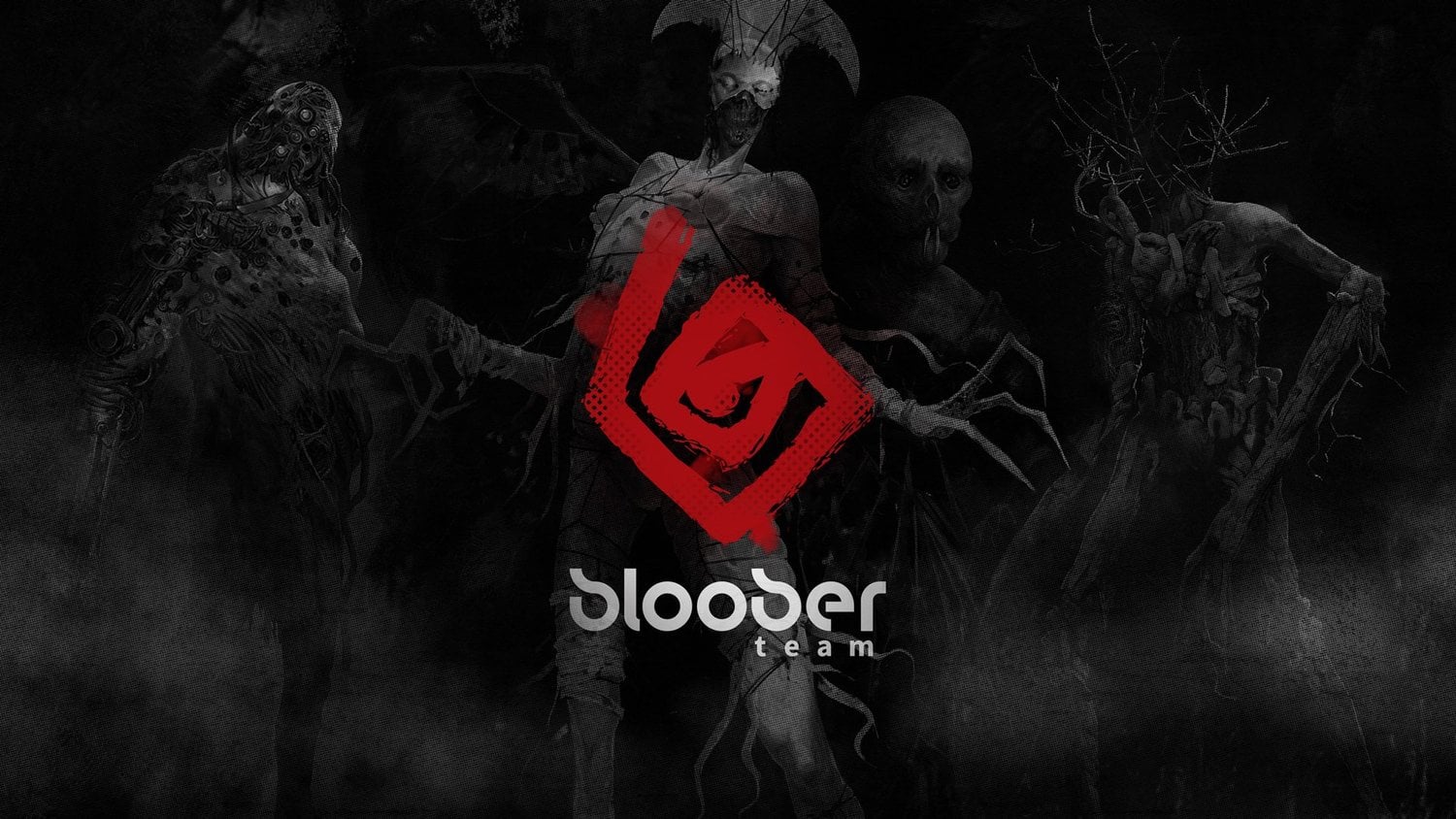
Summary:
Bloober Team’s mysterious Project M is starting to sound like more than another horror release with a Nintendo badge on the box. Recent comments from CEO Piotr Babieno suggest the studio is thinking hard about what Nintendo Switch 2 can do for horror beyond sharper visuals, stronger performance, or the usual technical checklist. The question at the heart of it is far more interesting: what happens when fear is built around the platform itself? Project M remains under wraps, but the direction sounds clear enough to stir up plenty of curiosity. Bloober Team wants something dark, disturbing, and horror-driven, while still feeling uniquely connected to Nintendo hardware. That is a tricky balance. Nintendo platforms often carry a playful reputation, yet they also have a strange and memorable horror history through games like Resident Evil 4 and Eternal Darkness. That contrast gives Project M a fascinating space to work in. Instead of simply placing a scary game on Switch 2, Bloober Team appears to be asking how handheld play, controller features, portability, player behavior, and a sense of closeness could become part of the fear. For horror fans, that is the kind of question that makes the lights flicker a little brighter.
Bloober Team wants Project M to feel made for Nintendo Switch 2
Bloober Team’s Project M remains one of the more mysterious horror projects connected to Nintendo Switch 2, but the studio has now given fans a better sense of what it is trying to achieve. The big idea is not simply to make a horror game that happens to run on Nintendo’s new system. Instead, CEO Piotr Babieno has framed the project around a more specific creative challenge: how can horror feel different when it is shaped by Nintendo hardware from the start? That question matters because it moves Project M away from the usual conversation about resolution, frame rate, and visual detail. Those things still matter, of course, but horror is rarely scary because a texture looks nice. Fear works best when it crawls under your skin, changes how you hold the controller, and makes silence feel louder than any monster.
Why Nintendo hardware matters for horror design
Babieno’s comments point toward a design philosophy that treats Nintendo Switch 2 as more than a screen with buttons. He has spoken about immersion, tension, player behavior, portability, console features, controllers, and the feeling of closeness with the game. That is a revealing list because it suggests Project M may be interested in the relationship between the player and the device itself. A horror game can use a living room television to create spectacle, but a handheld hybrid system can make fear feel private. You are not just watching something from across the room. You may be holding it in your hands, with the sound close, the screen near your face, and the controls reacting in ways that feel oddly intimate. That can turn a simple hallway into a pressure cooker.
Project M is chasing platform identity rather than raw power
The most interesting part of this tease is that Babieno specifically moved the conversation away from raw power or graphics. That does not mean Project M will ignore visual polish, but it suggests the studio is asking a more playful and more dangerous question. What can Nintendo Switch 2 do that another platform would not naturally encourage? Nintendo systems have often inspired developers to think differently, sometimes because of hardware quirks and sometimes because of the way players use them. For horror, that opens the door to ideas built around interruption, physical proximity, mobility, asymmetric attention, and the strange comfort of playing somewhere familiar. A bedroom, train ride, hotel room, or quiet kitchen can become part of the atmosphere. When the place around you feels safe, a good horror game can twist that safety into something deliciously uncomfortable.
Project M is chasing darkness without softening the scares
One concern some fans may have is whether a Nintendo-centered horror project risks becoming lighter or safer. Babieno’s comments seem to push in the opposite direction. The aim, as described, is not to make horror more casual, friendlier, or less intense. The goal is to create something that feels Nintendo-specific while still being dark, disturbing, and fully horror-driven. That is a careful line to walk, but it is also what makes the project so intriguing. Nintendo platforms are often associated with charm, color, and comfort, so horror on Nintendo hardware can feel especially sharp when it refuses to behave politely. It is like finding a locked basement under a cheerful family home. The contrast does half the work before the first shadow even moves.
Bloober Team’s horror style could suit this challenge
Bloober Team is not new to psychological dread, distorted spaces, and slow-building unease. The studio’s past work has often leaned into atmosphere, perception, and the feeling that a familiar place is quietly turning against you. That makes Project M a natural fit for a concept built around closeness and platform-specific tension. If the studio can connect its usual strengths with Nintendo Switch 2’s unique habits of play, Project M could avoid feeling like a standard horror experience squeezed onto different hardware. The best version of this idea would make players feel that the platform is not just delivering the scare, but helping create it. That is the difference between a haunted house you visit and a haunted object you brought home by mistake.
How portability could make horror feel more personal
Portability is one of the most obvious areas where Nintendo Switch 2 can shape horror differently. A portable horror experience changes when and where people play. Someone might play late at night under a blanket, during a quiet commute, in a hotel room, or alone in a room where every small sound suddenly becomes suspicious. That flexibility can make fear feel personal in a way that traditional home console play sometimes does not. Horror thrives on context. The same scene can feel different depending on whether you are playing in bright daylight on a couch or in handheld mode while the rest of the house is asleep. Project M could lean into that difference, making the player’s environment feel like an invisible part of the design.
The feeling of closeness could become part of the scare
Babieno’s mention of closeness is especially important. Horror is often about distance: something is down the hall, behind the door, outside the window, or just beyond what the flashlight can reach. Handheld play changes that relationship. The screen is close enough to feel personal, and the sound can feel almost whispered if headphones are used. When a game understands that, it can deliver tension in smaller, sharper ways. A quiet vibration, a sudden change in audio, a character looking too directly toward the player, or an interface that behaves strangely can feel more unsettling when the device is in your hands. It is the difference between seeing a spider across the room and realizing one is on your sleeve.
Player behavior may be just as important as hardware features
The most effective horror ideas often come from understanding how players behave. People pause when nervous. They check maps too often. They save resources, avoid dark corners, and sometimes stare at a closed door for far too long because they know something awful is waiting. If Project M is being shaped around Nintendo Switch 2 from the start, Bloober Team may be thinking about how players physically and emotionally interact with the system. Do they play in shorter bursts? Do they move between docked and handheld modes? Do they lower the volume when the atmosphere gets too heavy? These small habits can become design tools. Horror does not always need to shout. Sometimes it only needs to notice what you are doing.
Controllers and console features may shape the fear
Babieno also mentioned controllers and console features, which naturally opens the door to speculation. It is worth being careful here because Project M has not been fully revealed, and Bloober Team has not confirmed exactly which Nintendo Switch 2 features will matter. Still, the direction is clear enough to imagine the possibilities. Horror can become more effective when the controller feels like part of the world rather than a neutral tool. Subtle feedback, unusual control prompts, motion-based tension, or mechanics that make the player physically hesitate can all create fear without relying on another monster jumping out from behind a shelf. When hardware becomes part of the atmosphere, the player starts to distrust the thing they are holding. That is where the fun begins, in the worst possible way.
Atmosphere can come from interaction, not just visuals
A common mistake in horror is assuming fear lives mainly in the image. Dark rooms, wet walls, flickering lights, and unpleasant creatures are useful, but they are only one layer. Interaction can be just as frightening. A door that opens too slowly, a control scheme that changes under pressure, a vibration that suggests something nearby, or a menu that no longer feels safe can all create unease. If Project M is truly being built around Nintendo Switch 2’s identity, it may use interaction as a major source of dread. That would fit Bloober Team’s apparent interest in experience design. The best scares do not always happen on the screen. Sometimes they happen in the split second where your thumb freezes above a button.
Nintendo’s horror past gives Project M a strong shadow
Nintendo is not always the first name people associate with horror, but its history with the genre is stranger and richer than it sometimes gets credit for. The GameCube era in particular gave horror fans several lasting memories, from Resident Evil 4 to Eternal Darkness: Sanity’s Requiem. Those games showed that Nintendo hardware could host fear with real identity. Eternal Darkness especially remains a frequent point of comparison because it played with perception and the player’s relationship with the console. That legacy makes Project M feel more interesting than a simple new release tease. Bloober Team appears to understand that Nintendo horror has a particular flavor: a mix of experimentation, intimacy, and weirdness that can linger long after the console is turned off.
Why fans are already thinking about Eternal Darkness and Resident Evil
Project M has already drawn comparisons to Resident Evil, Silent Hill, Limbo, and Eternal Darkness through earlier comments around the project. That collection of names paints a very specific mood. Resident Evil suggests survival pressure and physical danger. Silent Hill suggests psychological unease and symbolic horror. Limbo suggests minimalist dread and oppressive atmosphere. Eternal Darkness suggests fourth-wall strangeness and hardware-aware fear. Put those influences in the same room and the walls start sweating. Fans should still avoid assuming Project M is a remake or direct revival, because no such confirmation has been made. Still, those reference points help explain why the project has caught attention. They suggest Bloober Team is not thinking small, even while keeping the actual game hidden in the fog.
Project M could benefit from Nintendo’s contrast with horror
There is something powerful about horror appearing where players do not fully expect it. Nintendo’s identity can make dark games feel even darker because they stand against a backdrop of warmth, creativity, and playful design. That contrast does not weaken horror. It can sharpen it. A disturbing game on a platform known for family-friendly icons can feel like a whisper in a bright room, which is often more unsettling than a scream in a haunted mansion. Project M could use that contrast to its advantage by embracing Nintendo’s experimental spirit without losing its bite. The phrase “uniquely Nintendo” does not have to mean cute. It can mean clever, tactile, intimate, and just a little too close for comfort.
What Bloober Team still has not revealed about Project M
Even with Babieno’s comments, Project M remains largely hidden. We do not yet have a final title, a full gameplay reveal, confirmed mechanics, a detailed story premise, or a clear release plan. That mystery is part of the appeal, but it also means expectations should stay grounded. The safest takeaway is that Bloober Team wants Project M to feel deeply connected to Nintendo Switch 2, not merely available on it. The studio is talking about platform-shaped horror, not just platform support. That distinction matters because it suggests the game’s identity could come from how it is played as much as what it shows. In horror, that can be a dangerous and exciting promise.
The project’s secrecy is feeding the right kind of curiosity
There is a fine line between mystery and vagueness, and Project M is currently walking right along it with a candle in one hand. Fans know just enough to speculate, but not enough to settle into certainty. That can be frustrating, especially when phrases like “bold twist” and “only possible on Nintendo hardware” naturally invite wild theories. Still, the restraint may help the project. Horror benefits from not showing the creature too early. When a studio explains every mechanic, every influence, and every trick before launch, some of the magic leaks out. Project M’s current silence leaves room for imagination, and imagination is usually scarier than a full press kit with clean screenshots and polite bullet points.
Why Project M could become a defining Switch 2 horror moment
If Bloober Team delivers on the idea behind Project M, the result could become an important early example of what horror can be on Nintendo Switch 2. The key will be execution. A game that merely references unique hardware features may feel like a gimmick. A game that builds its fear around player behavior, portability, closeness, and interaction could feel genuinely memorable. That is the opportunity sitting in front of Project M. Horror fans do not just want another dark corridor. They want a reason to feel unsafe in a new way. If Nintendo Switch 2 gives Bloober Team the tools to make players question the device in their hands, then Project M could become one of those games people describe with a grin and a warning: play it alone, but maybe not too alone.
The best version of Project M would make the platform disappear and matter at the same time
Great platform-specific design often feels effortless. Players do not stop every few minutes to admire the clever hardware integration. They simply feel that the experience would lose something important if moved elsewhere. That should be the target for Project M. Nintendo Switch 2 should matter, but it should not feel like the game is constantly pointing at the console and asking for applause. The hardware should fade into the fear. The controls, screen, portability, and feedback should serve the mood so naturally that players only realize later how much the platform shaped their experience. That is a hard trick, but horror is built on hard tricks. Make the ordinary feel wrong, and suddenly even the home menu can seem suspicious.
Bloober Team has a chance to make horror feel physical again
Modern horror can sometimes become too cinematic for its own good, turning players into spectators rather than nervous participants. Project M’s Switch 2 focus could help push in the other direction. If the game uses proximity, controls, physical habits, and portable play in smart ways, it could make fear feel active and physical again. The player would not just watch a character enter a dangerous place. The player would carry that danger, hold it, pause it, resume it, and maybe regret doing so at midnight. That kind of design can make a horror experience stick because it ties the memory of fear to the body. Not just what you saw, but how tightly you held the console while seeing it.
Project M needs restraint as much as invention
The biggest challenge for Project M may be knowing when not to use a clever idea. Platform-specific horror can become silly if every feature is thrown into the pot like someone making soup during a power outage. The strongest scares usually come from restraint. One strange vibration at the right moment can be more effective than twenty loud tricks. One unexpected use of portability can linger longer than a parade of mechanics. Bloober Team’s best path may be to choose a few ideas that truly fit the project’s mood and build around them with discipline. Horror is not a fireworks show. It is a locked door, a quiet room, and the growing certainty that something on the other side knows your name.
Conclusion
Project M is still surrounded by fog, but Bloober Team’s latest comments make that fog feel intentional rather than empty. Piotr Babieno’s focus on Nintendo Switch 2 as a design influence suggests the studio is looking for fear that grows from the platform itself: its portability, controls, closeness, and unusual relationship with the player. That is a much more exciting pitch than simply promising sharper visuals or louder scares. The project still needs a full reveal before anyone can judge what it truly is, but the direction already feels promising. If Bloober Team can make Project M dark, disturbing, and genuinely tied to Nintendo Switch 2 without leaning on gimmicks, it could give horror fans a reason to keep the lights on and the console just a little farther from the bed.
FAQs
- What is Bloober Team’s Project M?
- Project M is the working name for Bloober Team’s mysterious horror project connected to Nintendo Switch 2. The game has not been fully revealed yet, but comments from CEO Piotr Babieno suggest it is being designed around ideas that feel specific to Nintendo hardware.
- Is Project M confirmed as a Nintendo Switch 2 exclusive?
- Reports and recent discussion around the project describe it as a Nintendo Switch 2-focused or exclusive horror project. Bloober Team has not shared a full public reveal with all final details, so the safest wording is that Project M is currently being positioned around Nintendo hardware in a major way.
- What makes Project M different from other horror games?
- The main idea teased so far is that Project M may use Nintendo Switch 2’s platform identity as part of the horror design. That could include portability, controllers, console features, immersion, and the feeling of closeness between the player and the game.
- Is Project M connected to Eternal Darkness?
- No official connection has been confirmed. Fans are naturally bringing up Eternal Darkness because of its Nintendo horror legacy and its famous fourth-wall ideas, but Project M has not been announced as a remake, sequel, or revival of that franchise.
- When will Bloober Team reveal more about Project M?
- Bloober Team has not provided a clear public reveal schedule in the latest comments. For now, the project remains mysterious, with the studio sharing design ambitions rather than firm gameplay details, story information, or a final release date.
Sources
- Piotr Babieno on Nintendo Switch 2 horror ideas, LinkedIn, May 25, 2026
- Bloober Team’s Project M to be “uniquely Nintendo” and use Switch 2 in way others “simply wouldn’t be able to replicate”, My Nintendo News, May 25, 2026
- Bloober Team CEO Hypes Up The Switch 2’s Potential For Horror, Nintendo Life, May 25, 2026
- Bloober Team’s Project M will be “uniquely Nintendo”, using the Switch 2 hardware in a way others “simply wouldn’t be able to replicate”, FRVR, May 25, 2026
- Bloober Team CEO says the studio’s mystery Nintendo-exclusive horror game is Resident Evil and Silent Hill-inspired, GamesRadar+, December 23, 2025
- Bloober Team promises its Nintendo Switch 2 exclusive project has a twist no other horror title has ever had before, Gamereactor, December 23, 2025