














Summary:
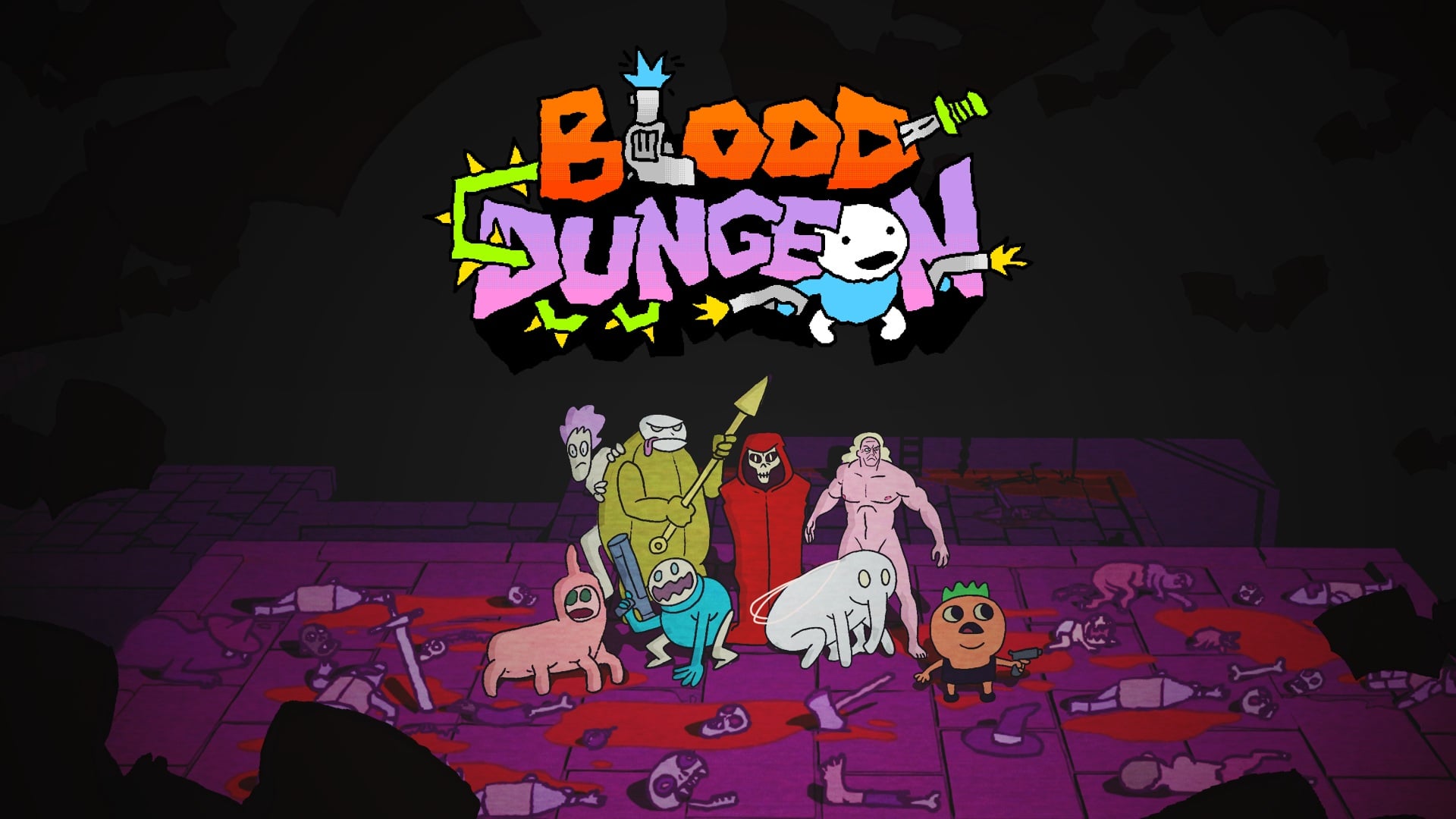
Messhof has confirmed that Blood Dungeon will launch for Nintendo Switch 2 and Nintendo Switch on August 25, 2026. The self-published project comes from the studio behind Nidhogg and marks a return to the fast, movement-driven design that helped define its earlier work. Rather than asking players to stand still and soak up damage, Blood Dungeon turns survival into a frantic platforming challenge where every wall, ladder, chain and flooded passage can become part of an escape route.
The game combines bullet heaven combat with side-scrolling platforming across six unlockable survival arenas. Players must run, jump, climb and weave through crowds containing more than 100 enemy types, including bats, centaurs and exploding eyeballs. Defeated creatures provide blood that can be used to strengthen a build during the current attempt, while bones can be spent through the mysterious Dogmancer to obtain permanent upgrades.
Blood Dungeon also features nine unlockable bunkmates, each equipped with a distinctive weapon and movement ability. Some can create climbable webs, others can fly, and particularly agile characters can race through arenas at remarkable speed. With more than 100 quests, over 100 weapons and upgrades, hidden chests and a dynamic soundtrack by Thomas Hooey, Messhof is building a roguelike designed around constant motion, experimentation and repeated attempts. The game will be available digitally through the Nintendo eShop when it launches.
Blood Dungeon Launches on Nintendo Switch 2 and Switch
Messhof is bringing Blood Dungeon to both Nintendo Switch 2 and the original Nintendo Switch on August 25, 2026. The two Nintendo versions will arrive alongside releases for PlayStation 5, Xbox Series X|S and PC, making the game widely available from its first day on sale. For Nintendo players, the confirmation means there will be no need to leave either generation of hardware behind. Owners of the original system can join the chaos, while Switch 2 players will also have access to Messhof’s latest project through Nintendo’s digital storefront.
The announcement accompanies a release date trailer that offers another look at the game’s relentless battles and acrobatic movement. Screens quickly fill with monsters, projectiles and collectible resources, but traditional platforming remains at the centre of the action. Blood Dungeon is not simply about building an unstoppable wall of weapons. It asks players to remain mobile, understand the environment and squeeze through gaps that can disappear almost as quickly as they appear.
Messhof Returns to Movement-Focused Action
Messhof is best known as the creator of Nidhogg, a competitive fencing game built around readable movement, rapid reactions and wonderfully unpredictable confrontations. Blood Dungeon moves into roguelike territory, yet it retains that fascination with how characters travel through a space. Running, jumping and positioning are not secondary systems placed beneath the combat. They are essential parts of surviving each arena and keeping an increasingly dangerous crowd under control.
The studio describes the project as a return to its roots, with frenetic action and playful movement once again taking priority. That philosophy is easy to recognise in the way characters scramble across ladders, cling to unusual surfaces and change direction while enemies close in. You are not a stationary turret watching numbers rise. You are the person desperately trying to keep the entire machine from collapsing, preferably without running face-first into an exploding eyeball. It looks hectic, but the movement options should give skilled players room to turn panic into a plan.

Platforming and Bullet Heaven Combat Work Together
Blood Dungeon combines two styles that do not always share the same stage. Bullet heaven games usually place the emphasis on automated attacks, growing crowds and increasingly powerful character builds. Platformers demand precise movement, environmental awareness and careful use of vertical space. Messhof brings those ideas together by placing large enemy hordes inside layered 2D arenas filled with ladders, grates, chains, walls and watery areas.
The result is a survival game where escaping danger can be just as important as dealing damage. Players must kite enemies, change elevation and use different parts of the arena to spread out a pursuing crowd. A narrow passage might provide a quick escape on one run and become a dangerous trap on another. When dozens of creatures are moving according to different rules, knowing where you can climb or drop becomes part of the strategy. It is a little like trying to navigate a busy train station while the other passengers are monsters and the timetable has caught fire.
Dungeon Arenas Turn Every Surface Into an Escape Route
The environments in Blood Dungeon are more than decorative backgrounds. Walls, ceilings and submerged areas all form part of the playable space, allowing characters to move in ways that alter how each encounter unfolds. Players can scramble up ladders, cross suspended chains and pass over industrial-looking grates while enemies swarm around them. Mastering those routes should be vital once the screen becomes crowded and the safest path changes from one second to the next.
Vertical movement also gives the game a different rhythm from many arena-based roguelikes. Instead of circling enemies across a mostly flat field, you can climb away from one group, drop into another area and use the layout to create distance. That freedom comes with its own risks. A route that looks open may be occupied by wall-crawling creatures, while flying enemies can ignore obstacles that would stop something on the ground. The dungeon is therefore both a playground and a threat, rewarding anyone who learns its routes without ever letting them become completely comfortable.
Six Unlockable Survival Arenas Expand the Challenge
Blood Dungeon contains six unlockable survival arenas, each offering another place to test characters, weapons and movement strategies. While the full layouts and individual hazards have not been detailed, the emphasis on different surfaces suggests that arena design will strongly influence how players approach each run. A character who excels in a spacious area may face a tougher challenge when ladders, narrow routes or environmental obstacles restrict their movement.
Unlockable arenas also provide a clear reason to keep completing quests and experimenting after the opening hours. A new location can reshape familiar systems without changing the basic controls, much like moving the same sport into a completely different stadium. Enemy routes become less predictable, preferred escape paths disappear and abilities that once seemed situational can suddenly become invaluable. With six spaces to learn, players should have enough environmental variation to prevent every attempt from following an identical pattern.
More Than 100 Enemies Create Unpredictable Encounters
Messhof says Blood Dungeon includes more than 100 enemy types, providing a sizeable collection of creatures to fight and avoid. The roster includes bats, centaurs and exploding eyeballs, but their appearances are only part of the challenge. Enemies follow different movement rules. Some can fly through walls, while others walk across, stick to or bounce from surfaces. These behaviours force players to recognise threats quickly rather than treating every monster as another identical target.
Learning those patterns will be essential as multiple species begin appearing together. A grounded enemy might encourage you to climb, only for a flying creature to follow directly through the wall. A bouncing monster could disrupt a route that normally feels safe, while an explosive opponent may turn a crowded platform into a dangerous chain reaction. The variety should keep players alert because the challenge comes from combinations as much as individual creatures. One bat is manageable. A bat, a centaur and a bouncing nightmare arriving from three directions is where the dungeon starts laughing at you.
Enemy Knowledge Becomes a Survival Tool
Progress in Blood Dungeon will not depend entirely on stronger equipment. Players will also become more capable by learning how monsters move, which targets require immediate attention and where each enemy is most dangerous. That knowledge can transform a chaotic screen into a collection of readable patterns. The dungeon may still be crowded, but experience helps identify which openings are genuine and which ones are about to close.
This approach gives repeated attempts value even when a run ends without a major unlock. A failed encounter can reveal how an enemy reacts near a wall, whether it changes direction on a ladder or how much warning appears before it explodes. Those discoveries then influence the next attempt. Roguelikes are often built around losing progress, yet the player still carries something valuable forward: familiarity. Blood Dungeon appears ready to lean into that idea by filling its arenas with enough different behaviours to make observation as important as raw power.
Blood Collection Shapes Each Temporary Build
Defeated enemies leave behind blood that contributes to the player’s blood level. Increasing that level allows the current build to grow stronger through upgrades, giving each run its own progression curve. Early encounters may feel relatively controlled, but surviving long enough should produce more powerful attacks and increasingly specialised combinations. The key decision is not simply whether to collect blood, but how aggressively to pursue it while monsters continue filling the arena.
That creates a familiar but effective risk-and-reward loop. Blood sitting in a dangerous location can provide the upgrade needed to stabilise a run, yet reaching it might place the character directly in the path of several enemies. Players must judge whether the reward is worth breaking a safe route. Hidden chests add another layer to that decision by encouraging exploration during moments when standing still is rarely sensible. Greed can make a build spectacular, but it can also end an attempt with all the dignity of slipping on a banana peel in front of an audience.
Hidden Chests Encourage Risky Exploration
Chests hidden throughout the arenas provide another source of upgrades and give players a reason to investigate less convenient parts of each dungeon. Because Blood Dungeon revolves around constant movement, searching for these rewards is unlikely to feel like a peaceful treasure hunt. Players may need to abandon a reliable route, cross a crowded platform or enter a confined area while enemies gather behind them.
These optional risks can help distinguish one attempt from another. A player may prioritise survival during one run, then take a more adventurous path during the next in search of a stronger build. Character abilities should also affect how easily certain chests can be reached. A bunkmate capable of flying may approach an elevated reward differently from one that relies on webs or exceptional speed. The treasure system therefore supports both immediate progression and experimentation with the wider roster.
Permanent Upgrades Reward Progress Between Runs
Not every improvement disappears when an attempt ends. Players can visit the Dogmancer, pay the required bone toll and unlock permanent upgrades that remain available in future runs. Bones are earned through play, allowing unsuccessful attempts to contribute toward longer-term progress. Even when the dungeon wins, the resources collected along the way can make the next visit a little more manageable.
Permanent progression gives Blood Dungeon a structure that should appeal to players who enjoy gradually expanding their options. The exact upgrade tree has not been fully shown, but Messhof has confirmed that weapons, enhancements, arenas and other rewards can be unlocked. That means repeated runs serve several purposes at once. Players can improve their skills, gather currency, complete quests and work toward new tools. The Dogmancer’s involvement also gives the system some personality. Paying bones to a strange magical figure is certainly more memorable than quietly selecting an upgrade from a sterile menu.
The Dogmancer Turns Bones Into Lasting Power
The Dogmancer acts as a central figure in Blood Dungeon’s permanent progression. Players bring bones collected during their attempts and exchange them for lasting upgrades, creating a clear relationship between what happens inside an arena and what becomes available afterwards. This system should soften the frustration of a difficult defeat because the run may still produce resources that improve future chances.
There is also room for meaningful choices depending on how permanent upgrades are organised. Players may decide to strengthen a favourite character, broaden the available weapon pool or pursue unlocks connected to quests and arenas. Even without every detail, the bone economy establishes an important rhythm: enter the dungeon, survive as long as possible, return with resources and prepare to go again. Each cycle adds another brick to the player’s foundation, even if the monsters keep knocking down everything built on top of it.
Nine Playable Bunkmates Change Movement and Combat
Blood Dungeon features nine unlockable playable characters known as bunkmates. Each comes with a particular weapon and unique movement perks, meaning character selection affects far more than appearance. The differences should change how players navigate arenas, avoid enemies and reach useful positions. Choosing a bunkmate is therefore likely to influence the entire strategy behind a run.
Messhof has already highlighted several examples. Leggy can create climbable webs, Bug is able to fly and the Skinja can race through the dungeon at remarkable speed. These abilities provide distinct solutions to the same environmental problems. One character might build a route vertically, another could bypass the route entirely, and a faster option may rely on reaching safety before enemies can react. The roster encourages experimentation because learning a new character also means reconsidering the arena itself.
Leggy, Bug and Skinja Demonstrate Distinct Playstyles
Leggy’s climbable webs could provide valuable control over vertical movement. Creating a new path may allow players to escape a crowded platform, reach a hidden chest or lure enemies into a less dangerous formation. Bug takes a more direct approach by flying, potentially making walls, gaps and awkward elevations much easier to navigate. Skinja appears designed for players who prefer speed, turning rapid movement into the main defensive advantage.
Those examples show how movement perks can complement different weapons and upgrades. A close-range weapon may become more practical when paired with a character who can escape quickly, while a ranged build could benefit from reaching positions that enemies struggle to access. The most effective combinations may not be immediately obvious, which is exactly what a replay-focused roguelike needs. Trying every bunkmate should reveal new possibilities rather than simply changing a portrait on the selection screen.
Character Mobility Influences Every Build Decision
Movement abilities are likely to affect which upgrades feel useful during a run. A flying character may not need the same mobility support as a bunkmate restricted to ladders and platforms, leaving more room to prioritise damage or defensive tools. A web-building character could benefit from weapons that control narrow routes, while a speed-focused option may work well with effects triggered by constant movement.
This relationship between traversal and combat can give the upgrade system more depth. A powerful weapon is not automatically the best choice if it clashes with the character’s natural rhythm. Players may discover that a modest upgrade becomes exceptional when paired with the right bunkmate and arena. That kind of unexpected synergy is often where roguelikes become most satisfying. You enter with a plan, find something strange and eventually realise the strange thing has turned your character into a small, highly mobile disaster.
Weapons, Quests and Arenas Provide Long-Term Variety
Blood Dungeon includes more than 100 unlockable weapons and upgrades, alongside more than 100 quests to complete. These figures suggest that the game is built for repeated attempts rather than a brief sequence of identical survival matches. Weapons can alter offensive behaviour, upgrades can reshape existing tools and quests provide specific objectives beyond simply staying alive for as long as possible.
The unlockable structure also connects the game’s major systems. Completing quests can open access to new upgrades, arenas, skins and other rewards, while new characters make it possible to approach existing challenges differently. This creates several overlapping goals for each visit to the dungeon. A player might begin a run intending to finish a quest, then discover a strong weapon combination and shift attention toward survival. That flexibility keeps progression from feeling like a single checklist where every attempt follows the same narrow purpose.
More Than 100 Quests Offer Additional Objectives
Quests can provide direction in a genre where players are otherwise free to repeat their preferred strategies. Although individual objectives have not been outlined, the confirmed total of more than 100 suggests there will be plenty of milestones to pursue. These tasks may encourage players to use unfamiliar bunkmates, try different weapons or explore arenas more carefully, giving overlooked mechanics an opportunity to shine.
A well-designed quest can gently push someone beyond their comfort zone without forcing a permanent change in playstyle. You might discover that the character you ignored is actually ideal for navigating a particular arena, or that an upgrade dismissed as weak becomes useful under the right conditions. Rewards including arenas, upgrades and skins provide practical and cosmetic incentives, helping the quest system support both progression and personal expression.
Thomas Hooey Supplies a Dynamic Dungeon Soundtrack
Composer Thomas Hooey is creating what Messhof describes as a dynamic dungeon drum and bass soundtrack. That musical direction fits the speed and intensity of Blood Dungeon, where movement rarely stops and each arena can shift from manageable to chaotic in seconds. Rapid percussion and energetic electronic rhythms should complement the constant climbing, dodging and fighting without making the action feel heavier than necessary.
A dynamic soundtrack can also reinforce the changing pressure of a run. Music may grow more intense as enemy numbers increase or adapt as players move between phases of an encounter. Specific implementation details have not been confirmed, but the description suggests the score is designed to respond to the game’s momentum rather than sit passively behind it. When the screen is full of centaurs, bats and explosive eyeballs, subtle background music probably would not do the situation justice anyway.
Nintendo eShop Availability and Release Details
Blood Dungeon will launch digitally through the Nintendo eShop on August 25, 2026. Messhof has confirmed versions for Nintendo Switch 2 and Nintendo Switch, alongside PlayStation 5, Xbox Series X|S and PC. A physical Nintendo release has not been announced, so players interested in either Switch version should currently expect a digital purchase.
The game is self-published by Messhof, giving the studio direct control over its return to energetic, movement-focused design. With nine playable bunkmates, six arenas, more than 100 enemies, over 100 quests and a similarly large collection of weapons and upgrades, the release is aiming to provide substantial replay value. Nintendo players looking for a roguelike that demands active platforming rather than passive positioning may want to keep August 25 marked on their calendars.
Conclusion
Blood Dungeon takes the escalating power of a bullet heaven game and places it inside a demanding 2D platformer where movement matters at every moment. Its arenas ask players to treat ladders, chains, walls, ceilings and water as tools, while more than 100 enemy types make every route potentially dangerous. The nine bunkmates add further variety through distinctive weapons and traversal abilities, and permanent upgrades ensure that bones collected during difficult runs continue to matter.
Messhof’s latest project looks well suited to short sessions that can easily turn into several consecutive attempts. There is always another character to learn, another weapon to unlock or another quest waiting inside the dungeon. Blood Dungeon launches for Nintendo Switch 2 and Nintendo Switch through the Nintendo eShop on August 25, 2026.
FAQs
- When will Blood Dungeon launch for Nintendo Switch 2?
- Blood Dungeon will launch for Nintendo Switch 2 and Nintendo Switch on August 25, 2026.
- Who is developing and publishing Blood Dungeon?
- Blood Dungeon is developed and self-published by Messhof, the studio behind Nidhogg.
- How many playable characters are included?
- The game features nine unlockable bunkmates, each with a different weapon and movement perk.
- Does Blood Dungeon have permanent upgrades?
- Yes. Players can collect bones and pay the Dogmancer to unlock upgrades that remain available during future runs.
- Will Blood Dungeon receive a physical Nintendo release?
- No physical edition has been announced. The game is currently confirmed for a digital launch through the Nintendo eShop.
Sources
- Blood Dungeon Launches August 25th, Messhof, July 27, 2026
- Blood Dungeon Adds Switch 2 and Switch Versions, Launches August 25, Gematsu, July 27, 2026
- Blood Dungeon Announced for Nintendo Switch 2 and Switch, From Nidhogg Creators, Nintendo Everything, July 27, 2026
- Blood Dungeon Launches August 25 on Switch, PC, PS5, and Xbox, MonsterVine, July 28, 2026
- Blood Dungeon Is the Next Game From Nidhogg Creator Messhof, Shacknews, June 5, 2026