



Summary:
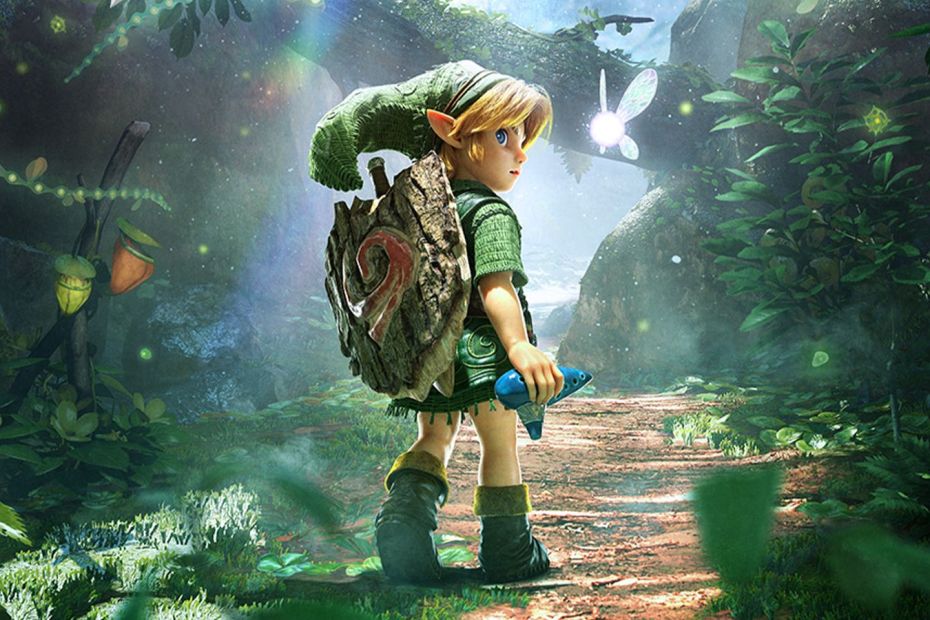
Brazilian retailers reported an astonishing rush for The Legend of Zelda: Ocarina of Time remake physical pre-orders, with Gamer Hut saying the first batch sold out far faster than anticipated. The foil-finish first print announced during Nintendo’s Direct appears to have amplified collector demand, while supply constraints and local retail practices made stock tight. Gamer Hut prepared for months and tried to increase its allocation after the foil cover reveal, but additional production wasn’t available. This situation highlights the ongoing appetite for physical Nintendo releases, the risk of scalpers, and the challenges retailers face when balancing inventory and customer access. If you collect physical Nintendo releases or plan to grab a Switch 2 copy, knowing where to watch for restocks and how retailers are responding will help you stay ahead.
Brazil – The Legend of Zelda Ocarina of Time rapid sell-out explained
The short version is simple: physical pre-orders for The Legend of Zelda: Ocarina of Time remake vanished from many Brazilian retailers in minutes, and Gamer Hut – one of the country’s better-known physical-game sellers – told press the result “exceeded our most optimistic expectations.” That reaction comes from a mix of factors: a limited first print with special foil packaging, strong local collector interest, and a purchasing model in parts of the market that concentrates stock at launch rather than keeping steady replenishment. For collectors the foil finish made this release feel special and urgent. For retailers the speed of the sell-out revealed how hard it is to predict real demand when production windows are tight. If you follow Nintendo coverage, make sure to check our broader updates on the Nintendo Switch 2 and related news at Nintendo Switch 2 and our general reporting hub at Nintendo News.
Why the foil cover changed demand
Packaging matters more than people often admit, and a foil or textured-first-print can flip casual interest into immediate action. When Nintendo revealed the textured foil option during its Direct, collectors worldwide saw added value: a tangible, limited variant that belongs on a shelf and in a collection. In markets where boxed games can fetch premium resale prices, an official limited finish becomes even more valuable. Retailers who planned stock months in advance suddenly faced a new variable. Gamer Hut said its original forecast did not include the foil option, and by the time it did, production slots were already committed. That mismatch between retail forecasting and a late packaging reveal created a spike in pre-order velocity that overwhelmed initial allocations. The resulting scarcity taught a simple lesson – for major Nintendo anniversaries and remakes, first-print packaging announcements can heavily sway who buys when.
Gamer Hut’s preparation and response to the sell-out
Gamer Hut had been preparing for roughly four months and placed what they called a large order ahead of the pre-order window. Even so, after the foil cover was revealed they tried to double their request and were denied due to production limits. Their experience shows two things: retailers do prepare for big releases, but last-minute product variants can undo even careful planning; and local logistics and distribution policies matter as much as overall demand. Gamer Hut also reported that most customers bought just a single copy and that suspected bulk buys for resell accounted for a tiny fraction of orders. The retailer said it will implement stricter controls – like one-unit limits per CPF and staggered batch releases – to give more customers a fair shot next time. That kind of response aims to reduce scalping and make restocks more equitable for genuine fans.
Supply chain realities and the ‘zero inventory’ model in Brazil
Part of the problem isn’t just demand; it’s how supply is handled locally. Some Brazilian retailers operate on a near-zero inventory model, scheduling most stock around launch and not maintaining ongoing catalog replenishment. When a title sells out at launch, those stores can remain empty for a long time while international distribution channels move stock elsewhere. That approach makes measuring true demand hard: if someone wants a copy but the store has none, that missed sale never appears in historical sales data. Gamer Hut described working the other way – trying to keep options available and searching import alternatives where possible – but even that strategy has limits when production windows are closed. For Nintendo fans and collectors, this means a tight launch window can turn into weeks of waiting and uncertainty unless retailers shift to more continuous stocking strategies or staggered, announced replenishments.
What this means for Nintendo fans and collectors
For collectors, a sell-out like this is confirmation that physical Nintendo releases still carry huge emotional and monetary value. Limited packaging, anniversary stamps, and first-print finishes are motivators that go beyond gameplay: people want the physical object. For fans who prefer digital convenience, this news may feel irrelevant, but for those who build shelves of cartridges and boxes, it’s a reminder to act quickly on pre-orders and to follow official retailer notices. It also underlines the need for fans to follow reliable sources – like NintendoReporters – for restock alerts and regional differences. If you care about securing a foil copy or any physical edition, watch official retailer pages and trusted community channels, and consider using multiple verified retailers rather than relying on a single store to avoid missing out.
Tips for securing a physical copy without paying scalper prices
If you missed the initial pre-order rush, don’t panic – but do be strategic. First, track official retailer pages and follow their social channels for announcements about staggered releases or reserve lists. Second, sign up for alerts from multiple verified sellers rather than waiting on one storefront. Third, be ready at release times or smaller batch openings – retailers often open additional lots in waves to reduce system overloads. Fourth, avoid marketplace listings selling at inflated prices; many retailers will restock, and scalper listings can fall back to normal levels after official replenishments. Fifth, use retailer measures like one-unit-per-customer rules to your advantage: if a retailer enforces identity limits, your chances improve. Finally, consider regional import options if you’re comfortable with shipping and potential tax fees.
How retailers can reduce scalping and improve access for real fans
Retailers can take concrete steps to keep stock in the hands of genuine collectors. Gamer Hut plans to enforce one-unit limits and review orders for suspicious patterns, which are practical start points. Other measures include timed releases, CAPTCHA and bot protection during checkout, stronger post-order verification on suspicious bulk purchases, and holding back a portion of stock for verified in-store pickups or loyalty customers. Retailers can also work more closely with distributors to plan secondary shipments and staggered releases rather than single large drops that invite scalpers. Ultimately, clearer communication with customers about when and how restocks will happen will calm the market and reduce chaotic resell spikes.
Where to watch for restocks and official updates
Keep an eye on official storefronts and reputable news outlets. Nintendo’s regional stores sometimes display notes about first-print stock and when a variant is no longer available, so checking the official page helps. For wider coverage, follow recognized outlets and community hubs that aggregate pre-order windows, and use retailer-specific pages to sign up for notifications. On our site you can follow Switch 2 specific pages and the latest news at Nintendo Switch 2 and Nintendo News. Also consider monitoring local retailers’ social accounts and newsletter sign-ups – many will announce staggered batches and give priority to subscribers or loyalty members when they distribute remaining stock.
Conclusion
The Ocarina of Time remake sell-out in Brazil is a clear signal: physical Nintendo releases still matter, especially when limited packaging is involved. Retailers, collectors, and fans all learned a little about demand forecasting, supply limits, and how packaging announcements can change buying behavior overnight. If you’re chasing a physical copy, use the tips above, follow verified retailer updates, and be patient – restocks and staggered releases often follow the initial rush. NintendoReporters will keep tracking updates and restock notices so you don’t have to chase multiple sites.
FAQs
- Why did the Ocarina of Time pre-orders sell out so fast in Brazil?
- The combination of a limited foil first print, strong collector demand, and local retail stocking practices created a rapid surge that exceeded retailer forecasts.
- Was scalping the main reason for the shortage?
- Retailers reported only a small portion of orders looked like bulk resells; most purchases were single-unit buys, though resellers did appear and some listings surfaced on marketplaces.
- Will more copies be available closer to the Switch 2 launch?
- Often yes – retailers commonly receive additional shipments or open staggered batches; follow official retailer pages and sign up for alerts to catch those windows.
- How can I avoid paying inflated marketplace prices?
- Monitor verified stores, sign up for notifications, and avoid impulse purchases from marketplaces; many scalper listings drop once official restocks arrive.
- Where can I follow reliable updates about restocks and releases?
- Use trusted news hubs and official Nintendo pages; our coverage on Nintendo News and the Nintendo Switch 2 section will track restock alerts and retailer responses.
Sources
- Brazil: Zelda: Ocarina of Time physical sells out, it “exceeded our most optimistic expectations”, My Nintendo News, September 22, 2026
- Zelda: Ocarina Of Time’s Limited Edition Switch 2 Cover Apparently Had One Retailer Trying To Double Its Orders, Nintendo Life, September 23, 2026
- Gamer Hut diz que vendas de Zelda: Ocarina of Time superaram expectativas e promete reforçar medidas contra revenda, Project N, September 21, 2026