














Summary:
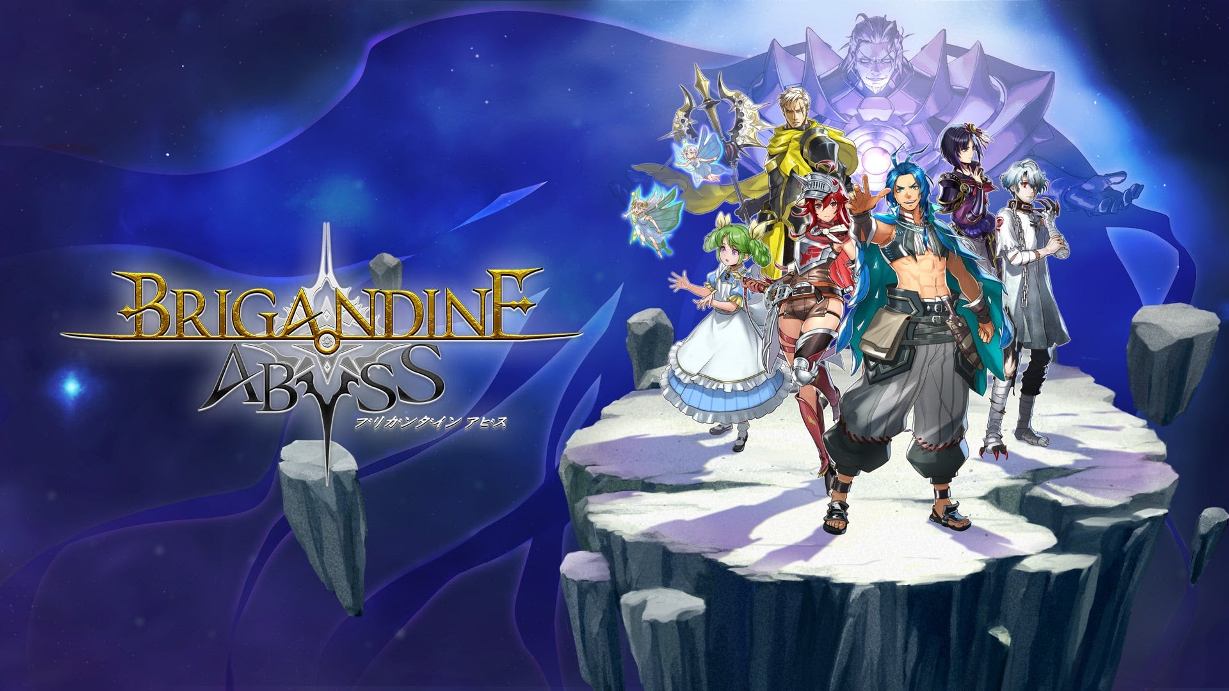
Nintendo Switch 2 owners will soon be able to sample Brigandine Abyss before committing their armies to its full-scale fantasy war. NIS America and Happinet have announced that a free console demo will become available on July 30, 2026. It provides access to the opening two seasons of both the Gran Dragnica and Scarlet Will story campaigns, giving players two distinct introductions to the conflict surrounding the returning Abyssloa Empire.
The Gran Dragnica campaign follows Largo as he investigates the mysterious force transforming dragons into servants of evil. Scarlet Will instead places players alongside Garnet and her determined company as they stand against the expanding empire. Both routes introduce the central systems behind Brigandine Abyss, including monster recruitment, troop deployment, resource management and tactical combat on hexagonal battlefields.
The demo also provides an early look at the three phases governing each turn. Players organize forces and prepare resources before selecting enemy strongholds to attack and commanding their units directly during invasions. Unfortunately, progress from the demo cannot be transferred into the full release, so every commander will have to begin again when the complete game arrives.
Brigandine Abyss features six story campaigns, alongside a separate Mission Mode containing 24 playable factions with their own victory conditions. The full strategy RPG is scheduled to launch for Nintendo Switch 2, PlayStation 5, Xbox Series X|S and PC in August 2026.
Brigandine Abyss Demo Arrives on Nintendo Switch 2 on July 30
The Brigandine Abyss demo will be released for Nintendo Switch 2 on July 30, 2026, giving strategy fans an opportunity to experience its mixture of grand-scale military planning and turn-based tactical combat. The console trial follows the earlier release of the PC demo and introduces the systems that will define the complete adventure. Rather than dropping players into an isolated tutorial arena, it opens portions of two proper story campaigns, allowing the political conflict, characters and battlefield mechanics to unfold together.
That structure should make the trial particularly helpful for anyone wondering what sort of strategy game Brigandine Abyss wants to be. It combines decisions made across a campaign map with battles fought on hexagonal grids, meaning success depends on far more than moving the strongest unit directly toward the nearest opponent. Players must recruit monsters, prepare troops, manage available resources and decide which enemy positions are worth attacking. Charging ahead without a plan may look heroic, but it can also turn a promising campaign into a beautifully organized disaster.
The demo includes the first two seasons of the Gran Dragnica and Scarlet Will campaigns. These early chapters provide enough room to become familiar with army management while introducing two sides of the wider struggle against the Abyssloa Empire. However, players should treat the trial as a standalone preview because its save data cannot be carried into the complete game.
Two Story Campaigns Introduce Different Sides of the Conflict
Opening two separate campaigns allows the demo to show how Brigandine Abyss approaches its shared world from different viewpoints. Gran Dragnica and Scarlet Will do not simply place different character portraits on top of identical events. Each campaign follows its own leader, circumstances and priorities, helping players understand that the war against the Abyssloa Empire reaches far beyond a single hero or battlefield.
This approach is important because the complete game contains six story campaigns. By offering two of them in the trial, the developers can demonstrate how the same central conflict changes depending on the faction involved. One ruler might be concerned with protecting a homeland, while another may be driven by personal responsibility, political survival or the search for hidden truths. The battlefield rules remain familiar, but the reason for marching into battle can feel completely different.
It also gives players a chance to choose the introduction that appeals to them most. Those interested in dragons, corruption and investigation can begin with Largo. Players drawn toward a defiant group resisting imperial power can instead accompany Garnet. There is no need to stare at the menu for half an hour like it contains the answer to an ancient prophecy. Both routes are included, so trying each one is part of the attraction.
Largo Investigates the Corruption of the Dragons
The Gran Dragnica campaign follows Largo as he attempts to discover why dragons are being transformed into pawns of evil. That mystery immediately gives the campaign a strong fantasy hook. Dragons are normally presented as symbols of overwhelming power, ancient wisdom or barely controlled destruction. Seeing them reduced to obedient pieces in someone else’s plan suggests that the enemy is capable of manipulating forces that should be almost impossible to command.
Largo’s investigation connects naturally with the game’s monster-focused systems. Brigandine Abyss asks players to bind their fortunes to creatures recruited into their armies, so a story about corrupted dragons adds weight to the relationship between commanders and monsters. These beasts are not decorative companions standing politely behind the human characters. They are military assets, battlefield partners and, in some cases, victims of the spreading darkness.
The first two seasons of the campaign should establish Largo’s position in the conflict while teaching players how to prepare troops and respond to threats. Because the demo includes actual campaign progression, every tactical lesson is tied to a developing situation. Learning how to position a unit is useful, but learning it while pursuing the truth behind possessed dragons gives that decision considerably more flavour.
Garnet Refuses to Yield to the Abyssloa Empire
The Scarlet Will campaign follows Garnet and her company as they refuse to retreat before the Abyssloa Empire. Where Largo’s route begins with an investigation into a supernatural threat, Garnet’s story appears to emphasize resistance, courage and the determination to keep fighting when a larger force expects submission. It is the sort of setup that makes every captured stronghold feel personal, rather than another coloured space changing hands on a campaign map.
Garnet’s company must organize its forces carefully if it hopes to withstand the empire. That challenge provides a fitting introduction to the resource management and army development systems. Brave speeches may lift morale, but they do not replace trained units, useful equipment or a sensible formation. Players will need to support Garnet’s defiance through practical decisions made during every phase of the campaign.
Offering Garnet’s route beside Largo’s also helps the demo cover two appealing fantasy themes. Players can investigate a sinister mystery involving dragons or join a determined company standing against an imperial aggressor. Both stories lead into the same broader war, yet they create different emotional reasons to care about the outcome. That distinction should make replaying the opening seasons worthwhile even before considering the mechanical differences between their armies.
Demo Progress Will Not Carry Into the Full Game
Save data created in the Brigandine Abyss demo cannot be transferred into the full version. Anyone who completes both available campaign sections will therefore need to begin again after purchasing the game. It is worth knowing this before spending hours adjusting every formation, naming imaginary rivalries between monsters and carefully planning the perfect conquest route.
The absence of save transfer may disappoint players who prefer demonstrations that function as direct introductions to a full adventure. However, the trial still offers a useful opportunity to learn the basic rules without worrying about permanent mistakes. Players can experiment with troop arrangements, test unfamiliar monsters and make risky attacks simply to see what happens. When the full version arrives, that knowledge can be applied from the opening turn even though the save file itself remains behind.
Starting again may also feel different once players understand how the Organization, Attack and Invasion phases connect. Early choices that seemed harmless during the first attempt could gain new significance. A neglected unit might suddenly look valuable, while an attack that originally appeared irresistible could reveal itself as a trap wearing a very convincing hat. The demo becomes a rehearsal for the complete campaign rather than its official beginning.
Three Strategic Phases Shape Every Turn
Brigandine Abyss divides its central gameplay loop into three phases: Organization, Attack and Invasion. Each phase handles a different part of leading a faction, moving from preparation to strategic targeting and finally direct battlefield command. Understanding how these stages influence one another will be essential because a mistake made before combat can be difficult to repair once troops are already surrounded by enemy forces.
The structure encourages players to think like both a ruler and a field commander. During one moment, the focus may be on resources, recruitment and the long-term development of an army. Shortly afterwards, attention shifts toward enemy strongholds and the risks involved in expanding into hostile territory. Once an invasion begins, the perspective narrows further as individual units move across the hexagonal grid and use their skills against specific targets.
This rhythm should help prevent the campaign layer and tactical battles from feeling disconnected. Every monster recruited during preparation can affect the next invasion. Every stronghold selected during the Attack Phase determines the terrain and opposition that await. Every victory or defeat then changes the situation players must manage when the cycle begins again. The three phases are separate, but they operate like gears in the same machine.
Building Armies During the Organization Phase
The Organization Phase is where players prepare their faction for the struggles ahead. Troops and resources must be managed, monsters can be recruited and forces can be arranged before new orders are issued. It may lack the immediate spectacle of a battlefield filled with magical attacks, but this is where many victories are quietly created. A strong army does not materialize because its commander clicked on an enemy castle with sufficient confidence.
Players will need to consider how individual units contribute to a larger force. Skills, elemental attributes and development all affect performance, meaning the best formation may depend on the opponent, location and objectives involved. A group packed with powerful attackers could still struggle without suitable support or protection. Likewise, a less dramatic monster may become indispensable if its abilities solve a particular tactical problem.
The Organization Phase also supports the larger theme of faction leadership. Players are not controlling a small party travelling along a fixed road. They are managing military resources across an evolving conflict. Preparing one strong group while leaving another region undefended could create an opening for the enemy. Every decision has a cost, and that pressure is precisely what gives a war simulation its bite.
Launching Campaigns Through Attack and Invasion
Once preparations are complete, the Attack Phase allows players to issue orders against enemy strongholds. Choosing where to strike is a strategic decision with consequences beyond the immediate battle. Capturing territory may improve a faction’s position, weaken a rival or create a route toward a more valuable target. An unsuccessful offensive, however, can leave troops weakened and expose areas that previously appeared secure.
The Invasion Phase then brings opposing armies together on a hexagonal grid. Positioning becomes crucial as units advance, defend and use skills shaped by their abilities and elemental properties. Hex-based movement creates more angles of approach than a traditional square grid, which can make flanking, spacing and area control especially important. A single step may determine whether a monster protects an ally or leaves it open to attack.
This is where the work completed during the previous phases is tested. Carefully developed units can take advantage of their strengths, while poorly assembled groups may struggle to respond when the enemy changes formation. Battles are not isolated puzzles with predetermined solutions. They are the result of broader campaign decisions, and every clash feeds back into the continuing struggle for territory and influence.
Six Story Campaigns Explore the War From Different Perspectives
The complete version of Brigandine Abyss contains six story campaigns, each offering another perspective on the return of the Abyssloa Empire. Hundreds of years before the events of the game, the original empire was stopped through the power of the arcane Brigandine. Now, a new Abyssloa Empire has risen from the ashes and intends to conquer the world. Players must decide which faction they will lead against that threat and what truths their campaign will uncover.
Multiple campaigns are a natural fit for a strategy RPG built around territorial conflict. Wars rarely look the same from every border, throne room or battlefield. One faction may view the empire as an immediate military danger, while another could be caught between political interests and personal obligations. By distributing the story across six routes, Brigandine Abyss can reveal its world gradually without forcing every leader into the same role.
The format also gives players a reason to return after completing one campaign. Familiar locations and events may gain new meaning when seen from another side. A rival who initially appeared cold or aggressive might become more understandable when their own responsibilities are revealed. Meanwhile, different armies and starting positions can transform the strategic challenge, ensuring that a second journey is not merely the first one wearing a different cape.
Mission Mode Opens the Door to 24 Playable Factions
Players looking for a different experience can turn to Mission Mode, which includes 24 playable factions with their own victory conditions. Rather than limiting every faction to the same objective, the mode provides goals suited to their circumstances. A faction might need to settle debts, conquer the world or restore prosperity to its city. These conditions change how players approach the campaign and encourage them to reconsider what success actually means.
Twenty-four factions provide a substantial amount of replay value, especially when combined with different army compositions and strategic positions. A dominant power with abundant resources may invite an aggressive campaign, while a smaller faction might need to survive through careful alliances, defensive planning or opportunistic attacks. The same map can feel very different when the player begins with another set of strengths and vulnerabilities.
Mission Mode should also appeal to players who enjoy the mechanics but want greater freedom from the narrative structure of the six story campaigns. It provides a space to test tactical ideas, explore unusual factions and pursue specialized objectives. Playing every option could take a considerable amount of time, but strategy fans are rarely frightened by a large menu of factions. To them, that is less a warning and more an invitation.
Monsters, Elements and Army Development Influence Every Battle
Monster recruitment is one of the defining elements of Brigandine Abyss. Players can bind their fortunes to a varied collection of creatures and incorporate them into armies led across the campaign map. These monsters are not interchangeable pieces. Their skills, elemental attributes and development must be considered when preparing for battle, giving commanders several layers of information to weigh before issuing an attack.
Elemental relationships can influence which units are best suited to a particular confrontation. A powerful monster may still encounter difficulties when matched against an opponent capable of exploiting its weaknesses. Skills add another dimension, as range, support options and special effects can alter the usefulness of a unit depending on its position. Building an effective force therefore requires balance rather than simply gathering the largest creatures available and hoping intimidation handles the paperwork.
Army development means decisions can have lasting consequences across a campaign. Units that survive and improve may become central to a faction’s strategy, creating a sense of attachment that grows with each successful invasion. Losing an experienced force can hurt both mechanically and emotionally. That combination of long-term management and tactical vulnerability helps every battle feel connected to the wider war.
Players must also think about how units function together. A monster with strong offensive capabilities may need protection while preparing an attack. Support units can extend the effectiveness of frontline troops, while mobile forces may pressure vulnerable targets or secure important positions. The hexagonal grid gives these relationships physical form, turning army composition into a puzzle that continues after combat begins.
Brigandine Abyss Launches in August 2026
Brigandine Abyss is scheduled to launch in August 2026 for Nintendo Switch 2, PlayStation 5, Xbox Series X|S and PC. NIS America’s North American listing gives an August 26 release date, while other official regional materials list August 27 for the console versions. Players should therefore check the release information for their region and selected platform when preparing to enter the conflict.
The new instalment introduces a completely original world, making it accessible to players who have never experienced an earlier Brigandine release. Knowledge of previous characters or events is not required. The returning identity of the series is instead found in its blend of faction management, monster armies and hexagonal tactical battles. Newcomers can begin with the Abyssloa Empire’s rise, while existing fans can explore how the familiar strategy formula has developed.
The July 30 console demo should provide enough time to test the basic systems before the full release. With portions of two campaigns included, players can compare Largo and Garnet’s stories while becoming familiar with the three-phase structure. Just remember that demo saves will remain in the demo. The strategic knowledge transfers, but the army itself does not get a ticket.
Conclusion
The Brigandine Abyss demo gives Nintendo Switch 2 owners an early opportunity to experience its combination of political conflict, army management and hex-based tactical warfare. Its two available routes introduce Largo’s investigation into corrupted dragons and Garnet’s resistance against the Abyssloa Empire, providing distinct perspectives on the same growing threat.
Although save data cannot be transferred to the complete game, the trial can still help players understand how Organization, Attack and Invasion work together. It also offers a practical look at monster recruitment, elemental strategy and troop development before the full release arrives in August 2026. With six story campaigns and a Mission Mode featuring 24 factions, the final game appears ready to keep aspiring commanders busy long after their first kingdom has been secured.
FAQs
- When will the Brigandine Abyss demo launch on Nintendo Switch 2?
- The free console demo is scheduled to become available for Nintendo Switch 2 on July 30, 2026.
- Which campaigns are included in the Brigandine Abyss demo?
- The demo contains the first two seasons of the Gran Dragnica and Scarlet Will story campaigns, following Largo and Garnet respectively.
- Can Brigandine Abyss demo progress transfer to the full game?
- No. Save data created in the demo cannot be transferred into the complete version, so players will need to start again.
- How many story campaigns are available in Brigandine Abyss?
- The complete game features six different story campaigns that explore the conflict with the Abyssloa Empire from multiple perspectives.
- What is Mission Mode in Brigandine Abyss?
- Mission Mode allows players to control one of 24 factions. Each faction has its own victory condition, creating different strategic goals and replay opportunities.
Sources
- BRIGANDINE ABYSS, NIS America, 2026
- Brigandine Abyss Demo on the Way to Nintendo Switch 2, Nintendo Everything, July 8, 2026
- Brigandine: Abyss Demo for PS5, Xbox Series, and Switch 2 Launches July 30, Gematsu, July 8, 2026
- Brigandine Abyss Demo Launches July 30 for PS5, Xbox, and Switch 2, RPG Site, July 8, 2026
- BRIGANDINE ABYSS Limited Edition, NISA Online Store, 2026