














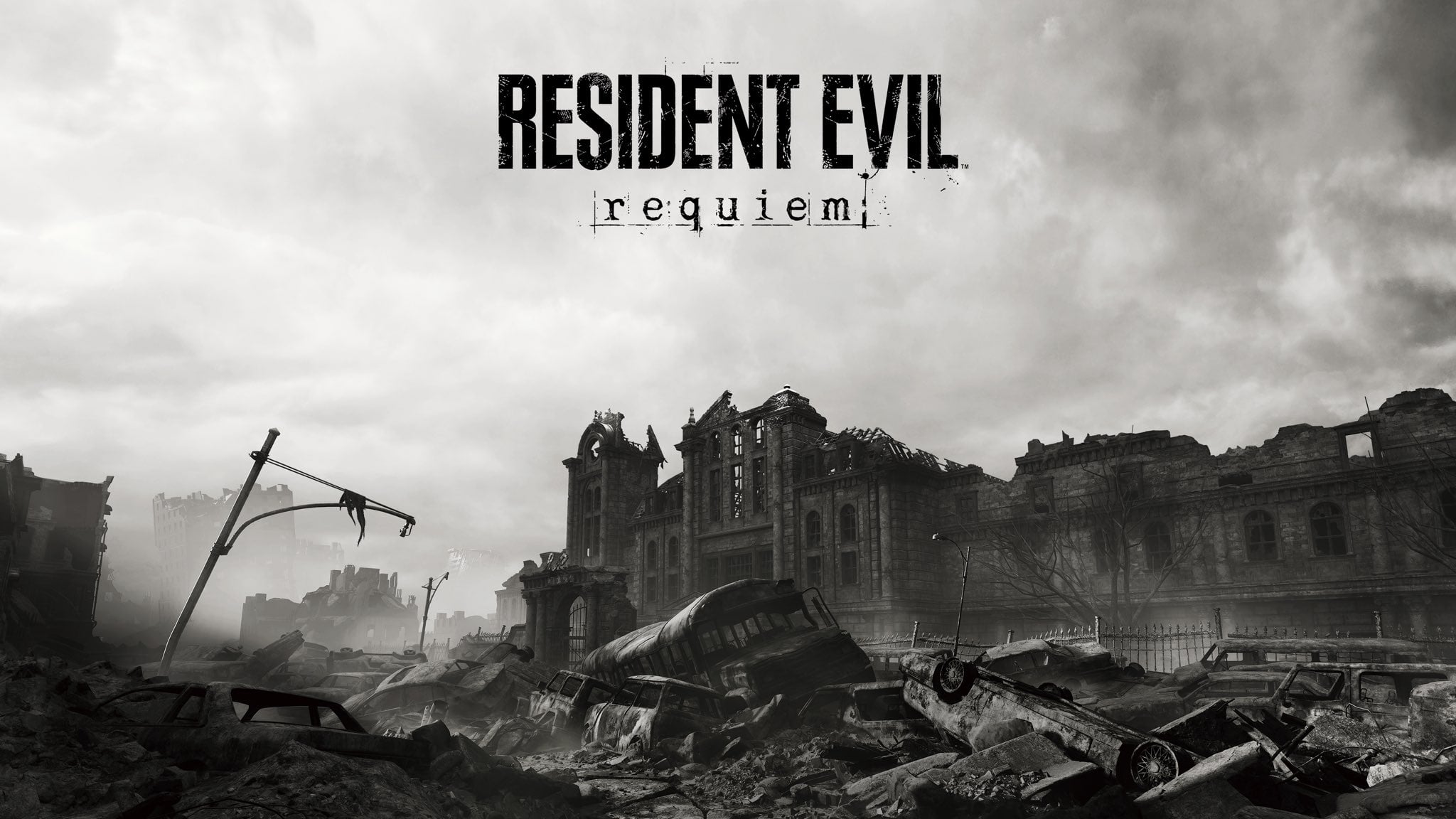
Summary:
Capcom has opened the door for Resident Evil Requiem players to share their thoughts directly with the company, giving fans a fresh chance to explain what worked, what felt less effective, and what they want to see from the series in the future. The survey gives players a structured way to respond after spending time with Resident Evil Requiem, rather than leaving feedback scattered across social media, forums, and comment threads like lost notes in a haunted mansion. For a series as long-running and fiercely discussed as Resident Evil, that matters. Fans care deeply about tone, pacing, horror, action, characters, controls, platform choices, and the overall identity of the franchise. Capcom has a long history of listening to player response, and this kind of survey suggests the company is still paying close attention to how people experience its biggest releases. While no single questionnaire can decide the future on its own, direct feedback can help Capcom understand which parts of Resident Evil Requiem connected with players and which elements may need a sharper look before the next major step for the series.
Capcom is asking Resident Evil Requiem players what they really think
Capcom is once again turning to players for feedback on Resident Evil Requiem, and that immediately gives the conversation around the game a little more weight. This is not just fans shouting into the digital fog and hoping someone at the studio happens to hear an echo. The survey gives players a direct route to tell Capcom how they feel about the game, from its scares and pacing to the parts that may have left them wanting something different. For a series built on tension, survival, puzzle-solving, grotesque creatures, and the occasional wonderfully dramatic one-liner, the details matter. A small control issue, a pacing dip, or a character moment that misses the mark can stick with players just as much as a brilliant scare. That is why a survey like this can become more meaningful than it first appears. It asks fans to stop, think, and put their experience into words while the game is still fresh in memory.
Why this survey matters for Resident Evil fans
Resident Evil fans are not shy, and honestly, that is part of what makes the community so entertaining. Some players want more slow-burn horror, some prefer action-heavy spectacle, and others want the series to keep balancing both sides like a tightrope walker carrying a rocket launcher. Capcom asking for feedback gives those different voices a place to land. Instead of scattered reactions disappearing into timelines and comment threads, the survey gathers opinions in a format the company can actually review. That matters because Resident Evil has always changed shape over time. The series has moved from fixed camera survival horror to over-the-shoulder action, first-person terror, remakes, multiplayer experiments, and modern hybrid entries. Every shift brings debate, and every debate tells Capcom something about what players value. When fans respond honestly, they are not just rating a single release. They are helping define what the name Resident Evil should feel like when the lights go out again.
The survey gives players a direct way to speak to Capcom
The biggest value here is simple: players can tell Capcom what they think without needing to hope a developer spots a viral comment. That does not mean every suggestion will turn into a feature, because game development is not a vending machine where feedback goes in and instant changes pop out. Still, a direct survey is a cleaner signal than noise from the wider internet. It can show patterns. If many players praise the atmosphere, that becomes useful. If many players raise concerns about controls, pacing, difficulty, performance, or platform-specific frustrations, that becomes useful too. Capcom can compare positive reactions with criticism and look for the areas that keep coming up. For fans, that makes the survey worth taking seriously. A quick response filled with jokes may be fun, but a thoughtful answer gives the team something sharper to work with. In a franchise built around survival, every detail can matter.
The feedback Capcom appears to be looking for
Based on reporting around Capcom’s Resident Evil Requiem surveys, the company has been asking players about their experience with the game, their history with the series, how they found out about it, which platform they played on, and what they liked or disliked. Those are not random questions thrown into a digital blender. They help Capcom build a clearer picture of who is playing, why they bought the game, how far they got, and which parts of the experience made the strongest impression. That can be valuable because two players may love Resident Evil Requiem for completely different reasons. One may be hooked by atmosphere and dread, while another may remember the action moments, character reveals, or platform performance. A survey can separate those reactions and turn them into usable patterns. It is a little like examining evidence in a survival horror safe room. Every item tells part of the story, but the full picture only appears when everything is placed together.
Capcom can learn what players liked and disliked
The most interesting feedback is usually not a simple thumbs up or thumbs down. It is the messy middle where players explain why something worked or why it did not. A fan might love the mood but feel that certain sequences dragged. Another might enjoy the story but want stronger puzzles. Someone else might praise the visuals while asking for tighter performance on a specific platform. That kind of detail is gold for a development team because it points toward causes, not just reactions. Resident Evil is a series where atmosphere, control, resource pressure, enemy design, sound, lighting, and camera perspective all work together. If one of those pieces feels off, the tension can wobble like a badly nailed wooden barricade. By asking players what they liked and disliked, Capcom can see which design choices became memorable for the right reasons and which ones may need a rethink before the next nightmare begins.
Player feedback works best when it is specific
Fans who take part in the survey can make their response more helpful by being specific. Saying that a game is great is nice, but explaining that a particular sequence had strong pacing, a character arc felt satisfying, or a boss encounter delivered the right mix of panic and strategy gives Capcom more to work with. The same goes for criticism. Saying that something felt weak is less useful than explaining whether the issue involved camera movement, enemy behavior, difficulty spikes, story tone, puzzle repetition, or performance. Good feedback is like a well-placed headshot: precise, clean, and hard to ignore. It does not need to be harsh to be valuable. In fact, clear and calm criticism often carries more weight because it shows the player has thought about the experience carefully. For Resident Evil Requiem, that kind of response may help Capcom understand which ideas deserve to return and which ones should stay buried.
Player opinions could help shape future Resident Evil plans
Capcom has not said that this survey alone will decide the next Resident Evil game, and it would be unrealistic to think one questionnaire could carry that much power. Still, player response can become one piece of a much larger puzzle. Sales data tells Capcom what people bought. Playtime data can suggest how people played. Reviews and community reactions show public sentiment. A direct survey adds something different: structured feedback from people willing to explain their experience. When those pieces line up, they can help guide future decisions. If players respond strongly to certain characters, mechanics, settings, or horror elements, Capcom has a clearer reason to build on them. If common frustrations appear across many responses, the team can investigate those areas more closely. It is not a crystal ball, but it is a useful flashlight in a dark corridor. For Resident Evil fans, that makes the survey feel like more than a small marketing exercise.
The next Resident Evil game may benefit from sharper signals
Every major Resident Evil release carries expectations, and those expectations are not always pulling in the same direction. Some fans want the dread of classic survival horror. Others want the punchier action identity that became central to later entries. Some want familiar heroes, while others enjoy fresh faces and new threats. Capcom has the difficult job of keeping the series recognizable without turning it into a museum exhibit. Feedback from Resident Evil Requiem can help the company understand where players think the balance is strongest. Did the game deliver enough horror? Did the action feel earned? Did the story connect emotionally? Were the scares surprising, or did they feel too predictable? These questions matter because the next game will not arrive in a vacuum. It will arrive with all these expectations waiting at the door, probably breathing heavily and dragging something sharp behind it. The clearer the feedback, the better Capcom can read the room.
Resident Evil Requiem gives Capcom plenty to measure
Resident Evil Requiem is a major release for Capcom, and a game like that gives the company plenty of areas to evaluate. Player feedback can cover story, characters, horror direction, enemy design, accessibility, performance, controls, platform versions, replay value, and even how players discovered the game in the first place. That last point may sound less exciting than monsters and survival mechanics, but it still matters. Capcom wants to know not only what players thought after buying the game, but also what convinced them to pay attention in the first place. Was it the Resident Evil name? A trailer? Word of mouth? A platform release? A returning character? A new protagonist? Those answers can influence how Capcom presents future titles. The game itself may be the haunted house, but the path that brought players to the front door is just as useful for the company to understand.
Platform feedback can be especially valuable
When a game releases across multiple platforms, player feedback can reveal how different versions are being received. A player on one system may care most about performance stability, while another may focus on portability, display quality, controls, or physical release choices. For Resident Evil Requiem, reports around the survey have highlighted that Capcom asks about platform-related details and broader play habits. That gives fans a chance to explain why they chose one version over another and whether that version met expectations. It is easy to underestimate how important this can be. A horror game depends heavily on immersion, and immersion can crack quickly if players are pulled out by technical issues or awkward settings. Smooth performance, responsive aiming, readable visuals, and comfortable controls help keep players inside the nightmare. When Capcom collects this kind of feedback, it can better understand how each version supports or weakens the intended experience.
Why honest feedback matters more than simple praise
Fans often want to support the games they love, and that is understandable. When a studio delivers a memorable Resident Evil entry, it is tempting to fill every answer box with glowing praise and move on. Yet honest feedback is more useful than applause alone. If something worked brilliantly, players should say so. If something bothered them, they should say that too. Capcom does not benefit from a room full of polite nods if players are quietly frustrated by certain mechanics, pacing choices, or platform concerns. The best feedback can celebrate what the game does well while still pointing out where the experience could be stronger. That balance is healthy. It tells the team what should be preserved and what should be improved. Think of it like inventory management: praise and criticism both have a place, but wasting slots on vague comments makes the whole loadout less effective.
Strong criticism does not need to be hostile
There is a big difference between being direct and being needlessly harsh. A useful survey response can be critical without turning into a boss fight. Players can explain that a section felt too slow, a puzzle pattern felt overused, or a control option felt awkward without attacking the people who made the game. That matters because development teams are made of actual humans, not mysterious lab-grown creatures behind a locked door. Clear criticism is easier to understand, easier to categorize, and easier to compare with other responses. Hostile feedback, on the other hand, often muddies the point. Fans who want Capcom to take their comments seriously should focus on what happened, how it affected the experience, and what they would prefer next time. That approach gives the company something practical to examine. It also makes the wider Resident Evil conversation a little healthier, which is never a bad thing.
How the survey reward gives fans an extra reason to respond
Capcom has tied survey participation to a digital wallpaper reward, which is a small but welcome extra for players who take the time to respond. No, a wallpaper is not going to change anyone’s life, unless someone has been waiting years for the perfect haunted desktop background. Still, it gives the survey a friendly little thank-you attached to it. More importantly, the reward encourages participation without overshadowing the real reason to respond. The main value is not the wallpaper. It is the chance to share thoughts while Capcom is actively collecting them. For fans who care about Resident Evil’s future, that is the real hook. The reward is simply the green herb on the side. It helps, it feels nice, and it gives players one more reason to spend a few minutes telling Capcom how Resident Evil Requiem landed for them.
Small rewards can increase useful participation
A survey only works if enough people take part, and small rewards can nudge players into actually finishing it. That matters because the most vocal people online do not always represent the full audience. Some players never comment on social media. Others finish a game, enjoy it, and quietly move on. A simple thank-you reward can bring more of those quieter players into the feedback pool. That can help Capcom get a broader range of opinions, from dedicated franchise fans to newer players who entered through Resident Evil Requiem. The more varied the responses, the better the company can understand how the game landed across different audiences. It is not about bribing people with a shiny image. It is about lowering the barrier just enough that more players take the time to share what they honestly felt.
What this says about Capcom’s approach to its audience
Capcom’s decision to ask for Resident Evil Requiem feedback fits a wider pattern of treating player response as useful information rather than background noise. That does not mean the company will follow every request, and it should not. Fans often disagree with each other, sometimes loudly enough to wake every zombie in Raccoon City. One person’s perfect Resident Evil might be another person’s nightmare for all the wrong reasons. Still, surveys help Capcom identify recurring themes rather than isolated opinions. They can show whether players want more horror, more action, tighter pacing, better platform support, stronger puzzles, different control options, or more focus on certain characters. That kind of listening does not remove creative direction from the developers. It gives them more context. For a series with so much history behind it, that context can help Capcom move forward without losing sight of what made Resident Evil matter in the first place.
The Resident Evil community now has a clear chance to be heard
For players who finished Resident Evil Requiem, bounced off it, loved it, questioned parts of it, or simply have strong feelings about where the series should go next, this survey is a useful opportunity. It gives fans a direct channel at a moment when Capcom appears interested in learning from the game’s reception. The smartest move is to be honest, specific, and fair. Praise the moments that worked. Call out the ideas that missed. Explain what made the experience scary, fun, frustrating, memorable, or uneven. Resident Evil has survived for decades because it keeps evolving, sometimes elegantly and sometimes like a monster bursting through a wall. Feedback from players helps Capcom understand which mutations are worth keeping. For fans, that makes the survey more than a small form on a screen. It is a chance to help shape the conversation around what Resident Evil should become next.
Capcom’s feedback loop may help keep the series moving
The Resident Evil series has never stayed frozen in place, and that is one reason it still matters. Capcom has repeatedly adjusted the formula, sometimes returning to survival horror roots and sometimes pushing toward bigger action. Resident Evil Requiem now gives the company another major set of player reactions to study. The survey can help Capcom see whether its latest direction hit the right notes and where fans believe the experience could be sharpened. That feedback loop is important because long-running franchises need both confidence and humility. Capcom needs the confidence to make bold creative choices, but it also needs the humility to listen when players point out what could be better. When those two things work together, Resident Evil has its best chance of staying tense, surprising, and relevant.
Conclusion
Capcom asking for Resident Evil Requiem feedback is a meaningful moment for fans who want the series to keep growing in the right direction. The survey gives players a direct way to explain what they loved, what frustrated them, and what they hope to see from future Resident Evil games. While feedback alone will not decide every creative choice, it can help Capcom identify patterns across the audience and understand how the game truly landed after release. For players, the best approach is simple: be honest, be specific, and say what actually mattered during the experience. Resident Evil has always thrived on tension, reinvention, and fan passion. This survey brings those elements together in a surprisingly practical way, giving the community a chance to speak while Capcom is clearly listening.
FAQs
- What is the Resident Evil Requiem survey?
- It is a Capcom survey asking players to share feedback on Resident Evil Requiem, including their experience with the game and what they liked or disliked.
- Why is Capcom asking for Resident Evil Requiem feedback?
- Capcom uses player feedback to better understand audience reactions, which can help inform decisions around updates, future releases, and the broader direction of the Resident Evil series.
- Does the survey mean Capcom is already planning the next Resident Evil game?
- The survey does not confirm specific plans by itself, but feedback from Resident Evil Requiem can become one useful source of information as Capcom considers future titles.
- Do players receive anything for completing the survey?
- Reports around the survey state that participants can receive a digital wallpaper as a thank-you reward after completing it.
- What kind of feedback should players give Capcom?
- Players should be specific about what worked and what did not, including thoughts on horror, action, pacing, controls, story, performance, platform experience, and replay value.
Sources
- Capcom is asking for feedback on Resident Evil Requiem, My Nintendo News, May 26, 2026
- Capcom Wants To Know Your Thoughts About Resident Evil Requiem, Nintendo Life, March 10, 2026
- Capcom conducts a survey of Resident Evil Requiem players, iXBT Games, March 8, 2026
- Resident Evil Requiem, Capcom, 2026