














Summary:
Resident Evil Requiem’s development took an unexpected turn when Capcom explored an online direction before returning to classic survival horror. Producer Masachika Kawata revealed that director Koshi Nakanishi initially pushed for online features, but mid-development survey results nudged the team back toward a horror-first design. That decision also shaped the cast: Leon was originally planned as the main playable lead, but designers introduced Grace to preserve tension and vulnerability. The shift influenced pacing, enemy design and the balance between action and dread. For Nintendo fans, the game’s appearance on Nintendo Switch 2 and the promise of a future story expansion mean this behind-the-scenes pivot will affect both current play and upcoming updates. NintendoReporters keeps following these developments so fans know how design choices changed the final game.
Capcom’s admission: Resident Evil Requiem began as an online project
Capcom’s producers and developers have been unusually candid about Resident Evil Requiem’s roots. In interviews and a recent feature in Nikkei Entertainment’s 30th Biohazard special, Masachika Kawata explained that the team first explored an online framework under director Koshi Nakanishi. That early approach would have steered Requiem toward shared systems or multiplayer hooks, possibly altering how tension and resource management worked. The revelation matters because it shows how flexible big-budget projects can be in concept phase: studio leads test multiple ideas, measure player reactions, and pivot when something doesn’t land. For fans who followed previews and trailers, this explains a few design choices that might have felt in flux before release. It’s a reminder that the end product is often the result of hard decisions made to preserve the series’ identity.
Why Capcom shifted back to pure horror during development
According to Kawata, the switch away from an online model came after the team ran a survey mid-development that didn’t return the results they were hoping for. The feedback apparently indicated that the horror tone they wanted wouldn’t survive an online-first design. Translating survey data into design can be blunt, but it’s a core part of modern game development: if a concept undermines the emotional response you’re trying to trigger, you either rework it or drop it. Here, the choice was clear — return to the more solitary, claustrophobic experience that defines classic Resident Evil. That meant refocusing on scripted scares, environmental storytelling, and enemy behaviors designed to provoke dread rather than cooperative play or social mechanics that might diffuse fear.
From Leon to Grace – character design and horror focus
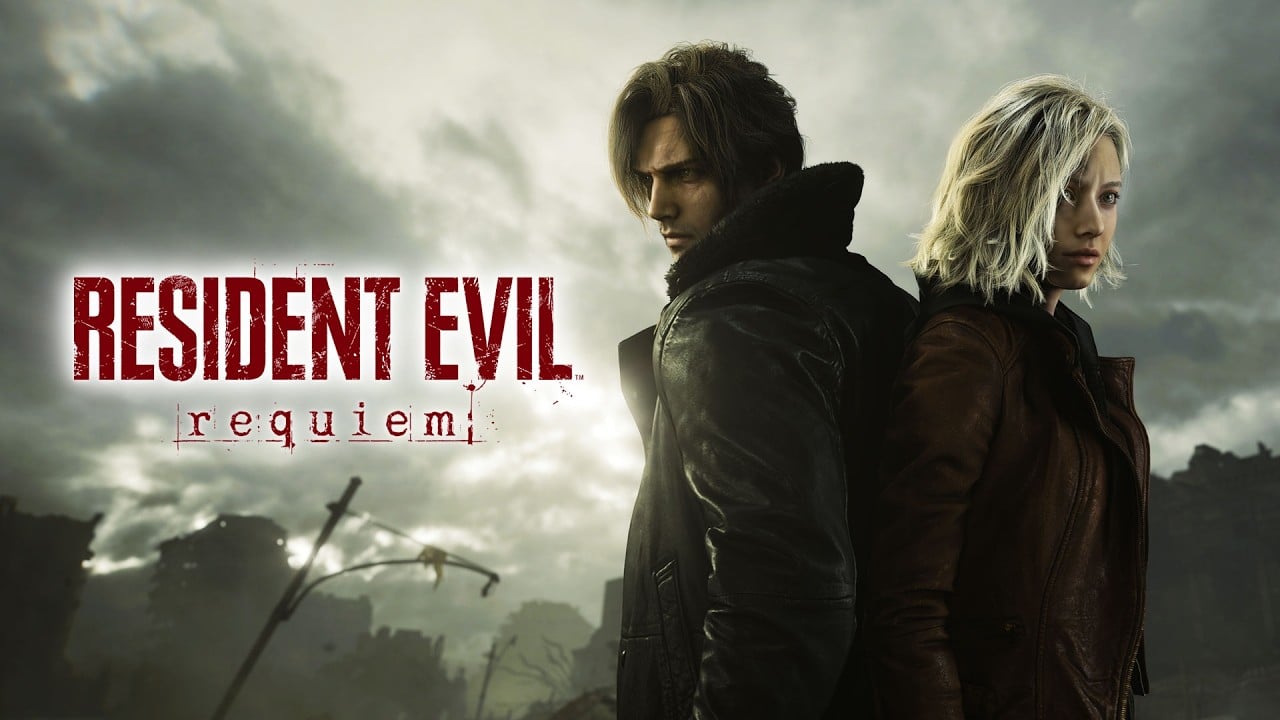
Character choices reflect tone. Kawata noted Leon was initially intended as the protagonist, but the team realized a combat-savvy hero would blunt the horror they wanted to deliver. Introducing Grace created a contrast: her vulnerability emphasizes suspense, limited options and careful exploration, while Leon’s sequences serve as cathartic action releases. The dual-character approach keeps the pacing varied and helps the game alternate between suffocating tension and more explosive set pieces. That design decision is smarter than it sounds — players who need a break from intense horror get Leon’s segments, while those who crave anxiety can stay in Grace’s shoes. It’s a balancing act that directly results from the development pivot away from online mechanics.
What this means for gameplay pacing and tension
Shifting away from online mechanics allowed designers to control pacing tightly. Single-player horror gives developers the freedom to script enemy encounters, hide crucial items, and craft environmental surprises without worrying about how multiple players might bypass those beats. That control makes tension easier to sustain because the game can rely on precise placement of scares and limited player resources. For Requiem, the result is a rhythm that alternates between slow-building dread in Grace’s chapters and adrenaline-fueled combat in Leon’s. That contrast not only preserves classic Resident Evil vibes but also keeps sessions varied, which can make the game more approachable for players who enjoy both horror and action.
Where the revelation came from – Nikkei and developer quotes
The details about Requiem’s online origins were shared in the Nikkei Entertainment Biohazard 30th Special, and developers reiterated the reasoning in Q&A features and interviews. Masachika Kawata’s translated comments explain the survey results and the decision to re-emphasize horror. Director Koshi Nakanishi’s public statements around the game’s development and the interviews captured by outlets like GameInformer and PlayStation Blog add context about pacing, monsters and mechanics. Reading those pieces together gives a clearer picture: this wasn’t a last-minute change, but a pivot informed by player feedback, internal testing and a deliberate desire to keep the series’ core strengths intact. For anyone tracking the game’s design, those original source comments are the best way to understand the team’s reasoning.
Impact on the Nintendo Switch 2 version and players
Resident Evil Requiem launched on multiple platforms, including Nintendo Switch 2, and the development choices affect every version. Consoles with different strengths require careful optimization, and the single-player, horror-first design often maps well to the portability and pick-up-play nature of the Switch family. If you’re playing on Nintendo Switch 2, expect the same narrative beats and pacing decisions that Capcom designed for horror. The absence of online mechanics also means the Switch 2 build focuses on fidelity, load times, and quality-of-life features like save placement and accessibility options rather than persistent or multiplayer systems. In short, the pivot away from online preserved the intended experience across platforms, which benefits handheld and hybrid players who want the same scares on a portable device.
Story expansion and future support for Requiem
Capcom has confirmed a story expansion is in development, and that news connects directly to the design choices made during Requiem’s creation. With the base game refocused on single-player horror, expansions can explore characters, locations and plot threads without having to retrofit online systems. That lets writers and designers dig into lore and craft chapters that enhance tension or provide new perspectives, like deeper looks at secondary characters or locations teased in the main game. For players, this means future updates should feel like natural continuations rather than patched-on multiplayer modes. It also gives Capcom room to iterate on enemy AI and pacing based on player feedback now that the core vision is set.
How NintendoReporters readers can follow updates
NintendoReporters will keep tracking official statements, interviews and announcements related to Resident Evil Requiem and its expansion. We’ll highlight platform-specific details for Nintendo players, report on patch notes, and explain how developer choices affect gameplay on Switch 2. If you want the fastest updates, follow Capcom’s official channels and check developer interviews that provide the reasoning behind design moves. Meanwhile, we’ll keep offering plain-language breakdowns that help fans understand how a survey or a design pivot can reshape a major title. If you’ve got questions or want us to cover a specific aspect of Requiem on Nintendo hardware, reach out via our contact page and tell us what you want covered.
Conclusion
Capcom’s disclosure that Resident Evil Requiem began as an online concept shows how iterative game development can be, especially for a series with a clear identity to protect. The decision to abandon online mechanics in favor of a horror-first experience led to meaningful design choices, including the creation of Grace and the decision to split tension and action between two protagonists. That choice preserved the feel fans expect and let Capcom craft a game that translates well across platforms, including Nintendo Switch 2. As updates and the promised story expansion arrive, this early development detour will remain an interesting footnote in Requiem’s journey from concept to finished game.
FAQs
- Was Resident Evil Requiem actually going to be multiplayer?
- Yes. Developers revealed that the project initially explored online features, but feedback and testing led Capcom to pivot back to a single-player horror focus.
- Why did Capcom abandon the online idea?
- A mid-development survey returned results that suggested online mechanics would weaken the horror atmosphere, so the team prioritized preserving tension and scares.
- Who is Grace and why was she added?
- Grace is a new protagonist introduced because Leon’s combat skills would have reduced the game’s horror impact. Grace offers vulnerability and a different perspective on fear.
- Will the Nintendo Switch 2 version be affected by these changes?
- The Nintendo Switch 2 version shares the same horror-first design. The pivot away from online mechanics means platform builds focus on performance, pacing and story rather than multiplayer features.
- Is there more content coming for Requiem?
- Yes. Capcom and the development team have confirmed a story expansion is in development to expand the game’s world and narrative.
Sources
- Capcom says Resident Evil Requiem started out as an online game, explains why the idea was abandoned, NintendoEverything, October 9, 2026
- Resident Evil Requiem, the Latest Title in the Series, Also Coming to Nintendo Switch 2 on February 27, 2026!, Capcom, September 16, 2025
- Resident Evil Requiem Story Expansion Is Now In Development, Nintendo Life, March 10, 2026
- Resident Evil Requiem Q&A: Chainsaws, Zombies, Nostalgia, And Everything Else We Learned From The Game’s Director, GameInformer, January 26, 2026