





Summary:
Pragmata’s long and twisty road from a 2020 reveal to its 2026 launch included ideas that might surprise fans: Capcom once explored a more horror-leaning take before deciding to steer the project elsewhere. Masachika Kawata, Pragmata’s lead producer, told The Ringer that early experiments leaned toward horror, but the team ultimately felt that a new IP shouldn’t overlap too closely with Capcom’s flagship horror franchise, Resident Evil. That choice shaped the tone, systems, and audience expectations for the finished game, and left traces of its early identity inside the final product. Below we unpack what Kawata said, why Capcom made the creative pivot, how elements of horror survived the rework, and where Pragmata is available now – including the Nintendo Switch 2.
What Capcom revealed about Pragmata’s early direction
Capcom has confirmed that Pragmata did not begin life as the exact game players received in 2026. During early development the team experimented with multiple tones and gameplay approaches, with one notable thread pushing toward horror. Lead producer Masachika Kawata described those experiments in an interview with The Ringer, explaining that making a brand-new franchise heavily horror-focused risked overlapping with Resident Evil – Capcom’s established horror juggernaut. That realization helped push the team to refine a distinct identity for Pragmata. The takeaway for fans is that Pragmata’s creative DNA contains a few horror-tinged ideas that were either repurposed or softened so the final game could stand apart from Capcom’s horror legacy while still feeling tense and atmospheric in key moments.
Why Capcom steered away from a horror-first approach
Choosing a tone for a new IP is more strategic than purely creative – especially at a studio with a major horror brand in its catalogue. Capcom weighed the risk of launching a fresh franchise that would compete stylistically with Resident Evil, which already commands a huge audience and a clear position in the market. The producer explained that early prototypes explored survival-horror beats, but the team worried about redundancy and brand confusion. Instead of splitting efforts or cannibalizing Resident Evil’s audience, Capcom opted to shape Pragmata into a puzzle-action sci-fi experience that borrows suspense and unsettling designs from horror while focusing on different gameplay pillars. That decision let the team preserve some eerie flavor without making Pragmata feel like Resident Evil in a spacesuit.
How Pragmata evolved during years of development
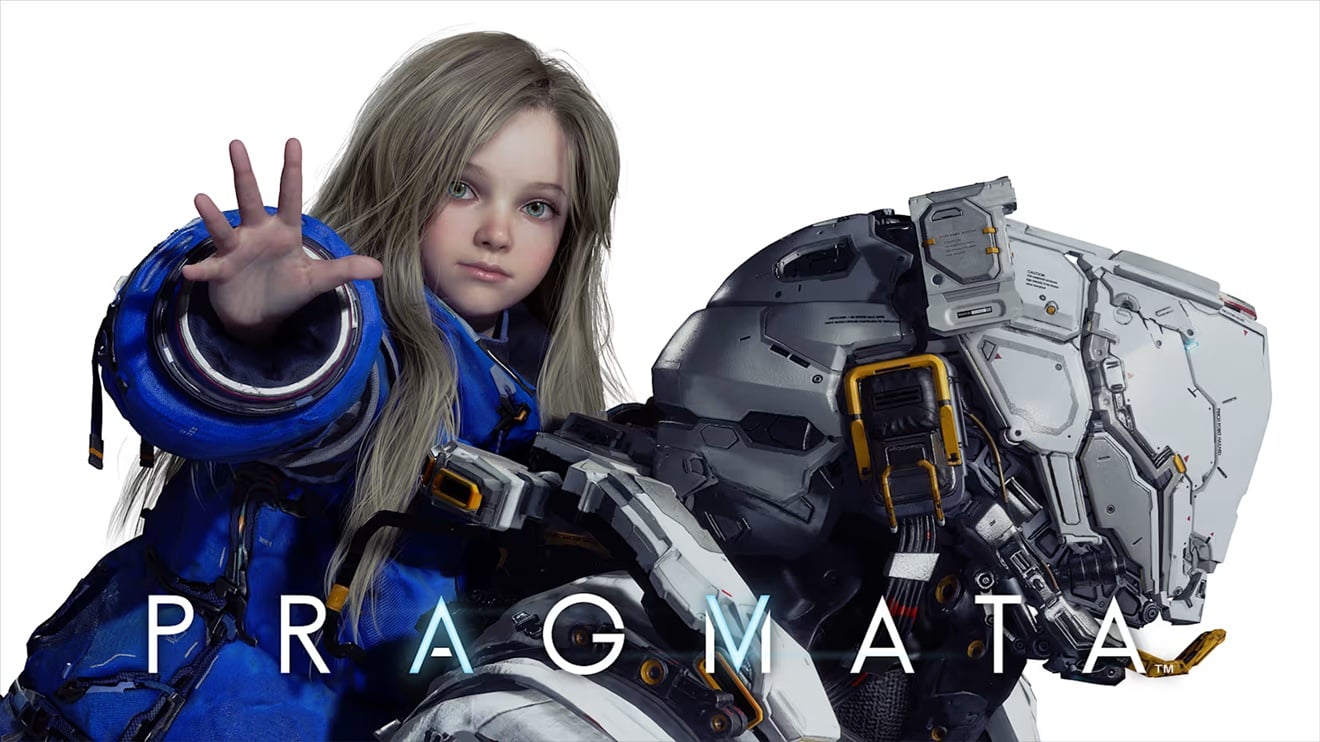
Pragmata’s development spanned several years and multiple iterations – the project was first revealed in 2020 and went through long stretches of prototyping, rethinking, and refinement before its eventual 2026 launch. Early phases were clearly experimental: character concepts, the moon-based setting, and the relationship between the astronaut Hugh and the small android Diana existed early on, but gameplay and tone shifted a lot as the team tried different directions. Over time, developers focused the experience toward a hybrid of puzzle and action, optimizing the balance between Diana’s hacking abilities and Hugh’s combat. This slow, iterative process left room for creative detours, including the brief flirtation with horror, but those detours ultimately shaped a final game that blends cinematic atmosphere with accessible mechanics.
Timeline – from 2020 reveal to 2026 release
The earliest public glimpse of Pragmata came in 2020, which set expectations and sparked fan theories about what the IP might become. After years of behind-the-scenes work and some delays, Capcom announced a release window and demo details in late 2025, then moved the final launch into the first half of 2026. Along the way the team released demos and trailers that helped clarify the title’s puzzle-action focus, even as players continued to spot remnants of a darker, more horror-leaning vision in the game’s visuals and enemy design. The long development arc shows how high-concept ideas can mutate – some disappear, others leave fingerprints that attentive players will notice while exploring the finished game.
Gameplay elements that still show horror influence
Even though Pragmata shifted away from full-on horror, you can still find eerie textures in the final design. Certain enemy types, environmental lighting, and tense set pieces echo the mood of survival-horror classics, delivering jolts and unease without committing to jump-scare driven play. The interplay between Diana’s delicate hacking sequences and Hugh’s more physical confrontations creates a rhythm that can feel claustrophobic and tense – similar to horror pacing – while remaining fundamentally driven by problem-solving rather than resource-scarcity survival mechanics. Fans who hoped for a darker Pragmata will see how those early ideas informed enemy behavior and level framing, even if the overall experience tilts toward sci-fi action and puzzle flow instead of sustain-the-fear survival loops.
Diana, Hugh and the tech choices that shaped tone
The characters at the heart of Pragmata – the hulking astronaut Hugh and the small android Diana – played a big part in how the team shaped the game’s mood. Diana’s ability to hack and manipulate systems adds vulnerability and strategy, while Hugh’s raw physicality anchors combat-heavy encounters. From a technical perspective the team adapted Capcom’s RE Engine and other tools to support realistic character interactions, hair simulation, and atmospheric rendering that can suggest dread without making it the primary entertainment hook. Those engine-level decisions allowed designers to replicate certain horror textures – moody lighting, lingering camera work, unsettling enemy movement – while integrating them into a gameplay loop that rewards curiosity and puzzle solving as much as survival instincts.
Where to play Pragmata and what it means for Switch 2 owners
Pragmata is available across current platforms, including PlayStation 5, Xbox Series X|S, PC, and Nintendo Switch 2. If you own a Switch 2, you can find Pragmata there – the platform benefits from Capcom’s effort to bring the title to Nintendo’s latest hardware, ensuring more players can experience the story of Hugh and Diana. For readers looking for platform-specific information or other Nintendo-focused coverage, NintendoReporters keeps a close eye on Switch 2 releases and news at Nintendo Switch 2. Bringing Pragmata to Switch 2 helped broaden its audience and gave Capcom room to tune performance and visuals for a handheld-console hybrid experience without losing the game’s tense atmosphere.
Conclusion
Capcom’s choice to pull Pragmata away from a full horror identity is a reminder that big studios balance creative impulses against franchise strategy and market positioning. The game that reached players in 2026 carries ghostly echoes of what might have been – little design choices, enemy concepts, and atmospheric touches – but it ultimately feels like its own thing, blending puzzle, action, and sci-fi mood. For players who wanted a full horror experience, it’s fun to imagine the alternate path; for those who favor a balanced, cinematic action-puzzle game, Pragmata offers a fresh ride with just enough edge to keep you looking over your shoulder. Either way, the development story gives greater appreciation for the decisions that shape the games we play.
FAQs
- Did Capcom say Pragmata was originally meant to be a horror game?
- Yes. Masachika Kawata, the game’s lead producer, explained that early experiments tested a more horror-focused direction, but the team ultimately decided that a new IP should avoid overlapping too closely with Resident Evil.
- Why did Capcom change direction away from horror?
- Capcom felt that launching a new IP with a strong horror identity risked redundancy with Resident Evil, which already serves as the company’s flagship horror brand. Steering Pragmata toward puzzle-action allowed the team to create a distinct identity.
- Are there horror elements still present in the final game?
- Yes. Some enemy designs, environmental cues, and tense set pieces retain a horror-like feel, but they serve the game’s puzzle-action flow rather than making it a survival-horror title.
- When was Pragmata first announced and when did it release?
- Pragmata was first revealed in 2020 and, after years of development and demos, launched in 2026. The project saw a number of changes during that interval, including the creative pivot away from a horror-first vision.
- Which platforms is Pragmata available on?
- Pragmata is available on PlayStation 5, Xbox Series X|S, PC, and Nintendo Switch 2. For Switch 2 specific coverage, see our Nintendo Switch 2 section at Nintendo Switch 2.
Sources
- How Capcom Cracked the Code of Game Development, The Ringer, September 3, 2026
- All-new IP PRAGMATA to Launch on April 24, 2026!, Capcom, December 12, 2025
- Capcom’s Pragmata Gets Release Date, Demo Out Now, GameSpot, December 11, 2025
- PRAGMATA release date moved up to April 17, Gematsu, March 5, 2026