














Summary:
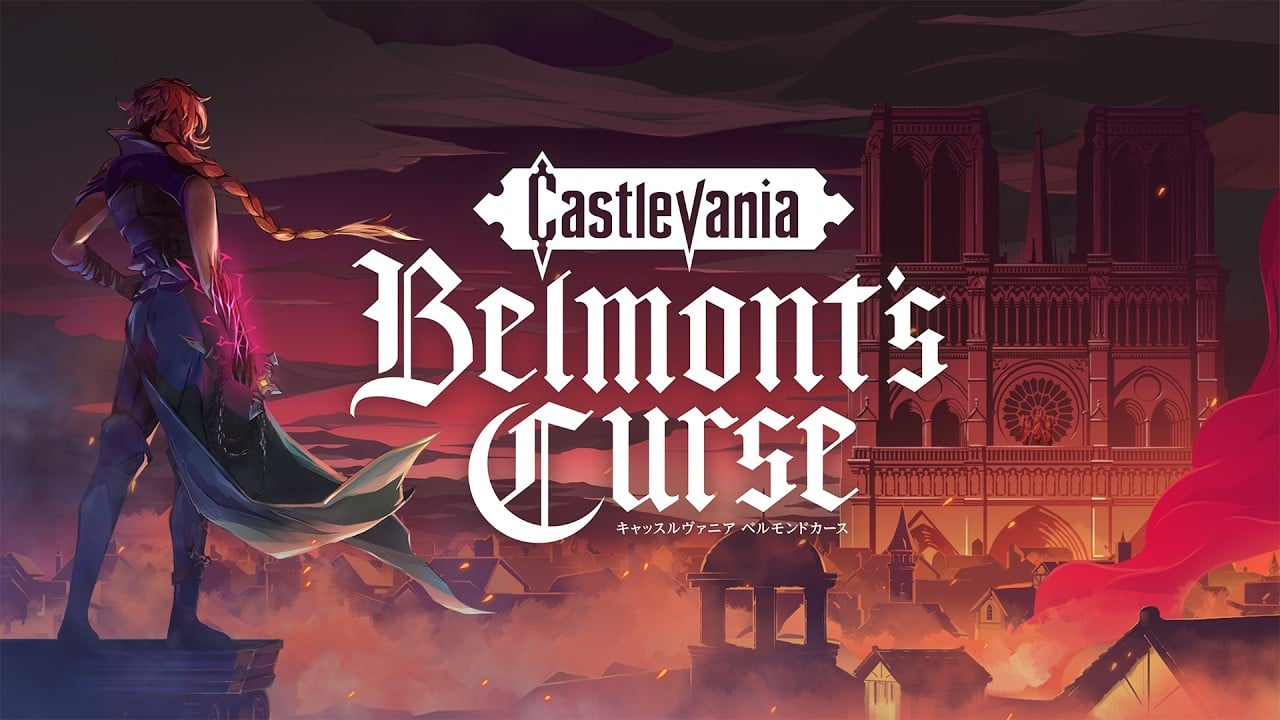
Castlevania: Belmont’s Curse has quickly become one of the most interesting upcoming releases tied to Konami’s legendary vampire-slaying series, not only because it brings Castlevania back in a major way, but because of how it came together. Evil Empire, the studio known for its work on Dead Cells and the acclaimed Return to Castlevania expansion, reportedly did not begin this journey by asking to make the next full Castlevania game. The team first approached Konami with a smaller idea connected to Dead Cells, something closer to a themed crossover than a major franchise handoff. That simple act of asking opened a much larger door. According to comments from Motion Twin and Evil Empire COO Benjamin Laulan, the studio felt the pitch might be too ambitious, yet Konami’s response turned a hopeful conversation into a full partnership. Now, Castlevania: Belmont’s Curse is officially listed for a 2026 release across major platforms, including Nintendo Switch, PlayStation 5, Xbox Series X|S, and Steam. The game is being developed with Evil Empire involved and Motion Twin serving in an advisory capacity, giving longtime fans a fascinating mix of classic Castlevania heritage and modern action-exploration experience. For players who have been waiting to see the Belmont name return with real force, this feels less like a lucky accident and more like proof that the right studio, the right timing, and the right pitch can still wake the castle.
How a small Castlevania idea became something much bigger
Castlevania: Belmont’s Curse has the kind of origin story that makes game development feel surprisingly human. Instead of beginning with a giant corporate plan carved into stone, the path seems to have started with a smaller question from Evil Empire. The studio wanted to explore Castlevania within Dead Cells, and that alone already sounded like a dream pairing. Dead Cells had built its reputation on sharp movement, tense combat, and that delicious feeling of taking one more run even when bedtime has already waved a little white flag. Castlevania, meanwhile, has decades of gothic castles, whips, monsters, and brooding atmosphere behind it. Put those together, and the result almost sounds obvious now. Yet at the time, even Evil Empire apparently wondered whether Konami would be willing to say yes.
Why Evil Empire’s Konami pitch carried so much weight
The reason this story stands out is simple: Evil Empire did not approach a small, forgotten brand with low stakes. Castlevania is one of Konami’s most recognizable names, and fans have spent years hoping for a meaningful return that understands what made the series special. That makes the studio’s pitch feel bold in the best possible way. Asking for a Castlevania skin, weapon, or crossover element inside Dead Cells might sound modest compared with making a full game, but even that kind of request carries weight when the brand is this beloved. It is like asking to borrow a family heirloom. You do not just toss it around the room and hope nobody notices. You treat it with care, confidence, and enough imagination to prove you understand why people treasure it.
The Dead Cells connection that changed the conversation
Dead Cells mattered here because it gave Evil Empire a real calling card. The game already shared some spiritual DNA with Castlevania through its side-scrolling action, exploration, upgrades, monsters, and pressure-filled combat rhythm. That did not make Dead Cells a Castlevania game, of course, but it did show that Evil Empire understood how to make movement feel alive and danger feel rewarding. When a studio can make players grin after barely surviving a room full of enemies, that says something. It tells a publisher like Konami that the team knows how to balance punishment and pleasure without turning the whole thing into a brick wall with fangs. That connection likely made the Castlevania pitch easier to imagine, even if the scale still seemed intimidating.
How Return to Castlevania proved the partnership could work
Dead Cells: Return to Castlevania became the practical test. A crossover can sound great in a meeting, but players are the real judges, and they can smell a lazy tribute from across the castle hallway. Return to Castlevania worked because it did not treat Konami’s series as a costume box. It understood the music, the mood, the fan expectations, and the pleasure of seeing familiar names and places filtered through Dead Cells’ fast, reactive style. That mattered because it gave Konami something tangible to evaluate. Evil Empire was no longer simply asking for trust. The studio had shown that it could handle Castlevania with enthusiasm and respect, without sanding away its weird gothic charm. In a medium full of safe bets, that kind of proof can speak louder than any pitch deck.
Why the crossover felt like more than a cameo
Return to Castlevania felt important because it did not come across as a tiny decorative nod. It carried the energy of a proper meeting between two action game traditions, one modern and one historic. For Dead Cells players, it added recognizable flavor, memorable enemies, and a strong sense of celebration. For Castlevania fans, it suggested that Evil Empire understood the source material beyond the obvious symbols. Anyone can point at a whip, a vampire, and a castle and call it Castlevania. The harder trick is capturing the mood – that theatrical, dangerous, slightly melodramatic feeling where every corridor seems to whisper that something awful is waiting just off-screen. Evil Empire managed to make that connection feel natural, which is likely why the next step became easier to believe.
Why Benjamin Laulan’s reaction says so much about the project
Benjamin Laulan’s reported reaction is one of the most charming pieces of this whole story because it makes the deal feel less like a cold transaction and more like a moment of genuine surprise. His comments suggest that Evil Empire did not assume Konami would approve a major Castlevania collaboration. In fact, the studio seemed to think the idea might be too big. That kind of hesitation is easy to understand. When a franchise has a fanbase that remembers tiny details from games released decades ago, taking it on is not exactly a casual Tuesday afternoon task. Yet Laulan’s excitement also shows why the partnership feels promising. A studio that feels lucky to hold the keys to the castle is more likely to treat every door, hallway, and monster with the attention they deserve.
The value of simply asking the right question
One of the strongest lessons from this story is that creative doors often open because someone asks a question that feels slightly too ambitious. Evil Empire could have played it safe, kept Castlevania as an internal wish, and moved on. Instead, the team asked. That matters because games are built through relationships, trust, and moments where one side decides to take a chance on the other. The funny part is that the original request appears to have been smaller than the opportunity Konami eventually offered. It is a bit like asking whether you can borrow a candle and being handed the keys to the haunted mansion. Scary? Absolutely. Exciting? Even more so.
What Castlevania: Belmont’s Curse means for the series
Castlevania: Belmont’s Curse carries extra significance because it is not merely another branded appearance or nostalgic collection. It is a new 2D action-exploration entry planned for 2026, which gives it a very different kind of weight. Castlevania fans have had collections, adaptations, re-releases, and crossovers, but the hunger for a fresh side-scrolling entry has never really gone away. That hunger matters because Castlevania helped shape the language of exploration-driven action games. When players hear that a new entry is coming from a team connected to Dead Cells, curiosity naturally spikes. Will it feel traditional? Will it push movement forward? Will the castle feel like a place full of secrets rather than a pretty backdrop? Those are the questions hovering around Belmont’s Curse, and that tension is part of the fun.
A classic structure with modern expectations
Konami describes Castlevania: Belmont’s Curse as a 2D action-exploration game, which is exactly the phrase many fans want to hear. It suggests a focus on crafted spaces, backtracking, upgrades, combat, and the slow satisfaction of learning how a dangerous world fits together. At the same time, the expectations are not frozen in the past. Modern players want responsive movement, smart pacing, readable combat, and maps that reward curiosity without wasting time. That balance is tricky. Lean too far into nostalgia, and the game risks feeling like a museum exhibit with hitboxes. Push too far into reinvention, and longtime fans may wonder where the soul went. Evil Empire’s challenge is to make Belmont’s Curse feel familiar in the heart and fresh in the hands.
Why the 2026 release window matters for longtime fans
The 2026 release window gives Castlevania: Belmont’s Curse a strong symbolic charge because it lines up with the broader celebration of the series’ long history. Castlevania began in 1986, and reaching four decades gives Konami a natural reason to put the franchise back in front of players with confidence. For longtime fans, that timing is not just trivia. It makes the return feel purposeful. A new Castlevania arriving around such a milestone has to carry more than a famous name on the box. It needs to show why the series still matters when the action-exploration space is crowded with excellent modern games inspired by the very foundations Castlevania helped build. That is a deliciously tricky position. The student has become a crowded classroom, and now the old master is walking back in.
The platform spread gives the return more room to breathe
Another important detail is the platform lineup. Castlevania: Belmont’s Curse is officially listed for Nintendo Switch, PlayStation 5, Xbox Series X|S, and Steam, which gives the game a broad audience from the start. That matters because Castlevania has always lived across different generations of hardware, from home consoles to handheld systems and modern digital storefronts. A wide release helps the new entry feel like a major comeback rather than a small side project tucked away in a corner. Nintendo players in particular have a long relationship with Castlevania, so seeing the title listed for Nintendo Switch adds a nice sense of continuity. The castle may be haunted, but at least the invitation list is generous.
The importance of Motion Twin’s advisory role
Motion Twin’s involvement in an advisory role adds another interesting layer. Evil Empire has a clear identity through its work on Dead Cells, but Motion Twin’s history with the original game remains important to how players understand this partnership. Advisory support can mean many things depending on the project, so it is best not to overstate the exact influence without more public detail. Still, the presence of Motion Twin helps connect Belmont’s Curse to the creative lineage that made Dead Cells such a strong fit for Castlevania in the first place. It suggests that Konami is not only handing the name to a studio and walking away. Instead, this looks like a collaboration shaped by teams that already understand fast action, exploration, and fan expectation.
Why advisory support can still matter
An advisory role does not need to mean hands-on control to be valuable. Sometimes the right outside perspective can help a team avoid blind spots, especially when working on a franchise with a long memory. Motion Twin’s experience can be useful as a sounding board, particularly around the feel of movement, combat flow, and how players read dangerous spaces. Think of it like having a seasoned vampire hunter standing near the doorway, not swinging the whip for you, but calmly pointing out that the suspicious statue in the corner is absolutely going to come alive. That kind of guidance can make a difference, especially when the project is trying to respect tradition while still moving with modern confidence.
Why Konami trusting an indie studio feels meaningful
Konami’s decision to work with Evil Empire feels meaningful because large publishers do not always hand beloved franchises to smaller teams with such visible creative responsibility. When it happens, it can feel refreshing. Indie and mid-sized studios often bring a different kind of energy to established names. They can be hungry, specific, and unusually close to the player communities that kept certain genres alive during quieter years. Evil Empire’s connection to Dead Cells gives the studio credibility, but Castlevania is still a different beast. It has lore, legacy, music expectations, enemy traditions, and decades of player opinions stacked like dusty books in Dracula’s library. Konami’s trust suggests that Return to Castlevania did more than please fans. It likely convinced the publisher that Evil Empire could carry the weight of the brand into a full release.
Why this is not just nostalgia doing the heavy lifting
Nostalgia can open the door, but it cannot keep players engaged for long. Castlevania: Belmont’s Curse will need strong level design, satisfying combat, memorable bosses, and a world that feels worth exploring even when the familiar name has done its job. That is where Evil Empire’s background becomes especially relevant. Dead Cells earned attention because it felt sharp moment to moment. It did not ask players to love it only because of references or genre labels. It asked them to keep moving, keep learning, and keep risking one more attempt. If Belmont’s Curse can bring that same tactile pleasure into a more traditional Castlevania structure, it could become more than a comeback. It could become a reminder that legacy series still need great hands behind the controller feel.
What players should expect from Belmont’s Curse
Players should expect Castlevania: Belmont’s Curse to lean into 2D action-exploration rather than the roguelike or roguelite structure associated with Dead Cells. That distinction matters because some fans initially wondered whether Evil Empire’s involvement meant Castlevania would adopt a run-based formula. Konami has positioned Belmont’s Curse as a more traditional exploration-focused experience, which should calm some of those concerns. That does not mean the game has to feel old-fashioned. It simply means the appeal appears to be built around crafted maps, progression, secrets, and the steady expansion of what the player can reach. In other words, you are not just storming a castle. You are learning its language, finding its hidden grammar, and probably getting smacked by something unpleasant while doing so.
The Vampire Killer can define both combat and movement
The Belmont family whip, the Vampire Killer, is one of Castlevania’s most iconic tools, and Belmont’s Curse has a clear opportunity to make it feel central again. A whip is not just a weapon. It creates distance, rhythm, and personality. It can make combat feel deliberate, with each strike carrying weight and timing. It can also support movement if the design allows players to swing, reach, or interact with the environment in clever ways. That is where a modern action-exploration entry can shine. When the main tool affects both fighting and traversal, the whole world can be built around it. Done well, every platform, enemy, and hidden corner starts to feel connected to the player’s growing mastery.
How the setting can sharpen the atmosphere
Castlevania works best when the setting feels like more than scenery, and Belmont’s Curse has room to use its gothic mood as a real design strength. The series has always thrived on theatrical darkness: candlelit halls, monstrous silhouettes, haunted architecture, and music that makes even a staircase feel dramatic. A strong setting can help every encounter feel richer. Players do not only want to defeat monsters. They want to feel like they are pushing through a cursed place with history in its walls. That emotional texture matters because action-exploration games can become mechanical if the world lacks personality. Castlevania has the opposite problem in the best way. Its personality is loud, shadowy, and probably wearing a cape.
Why this partnership could shape Castlevania’s future
The biggest question surrounding Castlevania: Belmont’s Curse is what it could mean beyond one release. Konami has been revisiting several of its major franchises, and Castlevania remains one of the names with the strongest emotional pull among players. If Belmont’s Curse succeeds, it could reinforce the idea that classic franchises can benefit from carefully chosen outside partners. That does not mean every historic series should be handed to any studio with a decent pitch. It means the right match can bring new energy without disrespecting the past. Evil Empire’s journey from asking about a Dead Cells crossover to working on a new Castlevania game feels like a case study in creative trust. Sometimes the castle door opens because someone knocked at exactly the right moment.
Why fans have reason to watch this one closely
Fans have reason to watch Castlevania: Belmont’s Curse closely because it sits at the intersection of legacy, trust, and modern design. It is not just a famous name returning to store pages. It is a collaboration born from a crossover that worked, a pitch that sounded unlikely, and a publisher willing to let a smaller studio step into a very large shadow. That combination gives the project a story before players even touch the controller. Of course, the final judgment will come from the game itself. The best origin story in the world cannot save weak combat or dull exploration. But right now, the ingredients are intriguing: a respected studio, a legendary series, a clear 2D action-exploration direction, and a fanbase ready to hear the castle doors creak open again.
Conclusion
Castlevania: Belmont’s Curse feels exciting because it grew from a simple creative question into something far larger. Evil Empire’s work on Dead Cells: Return to Castlevania appears to have helped build the trust needed for Konami to take a bigger step, and Benjamin Laulan’s reaction captures the surprise and joy behind that opportunity. With a 2026 release planned across Nintendo Switch, PlayStation 5, Xbox Series X|S, and Steam, the game has the chance to bring Castlevania back with weight, style, and renewed purpose. The real test will be how it plays, how it feels, and whether its castle rewards curiosity the way the best entries in the series always have. For now, though, Belmont’s Curse already has one strong advantage: it was born from genuine enthusiasm, and that can be a powerful thing when dealing with vampires, whips, and impossible doors.
FAQs
- What is Castlevania: Belmont’s Curse?
- Castlevania: Belmont’s Curse is an upcoming 2D action-exploration game from Konami, developed with Evil Empire and advisory support from Motion Twin. It is currently listed for a 2026 release.
- How is Evil Empire connected to Castlevania?
- Evil Empire previously worked on Dead Cells and the Dead Cells: Return to Castlevania expansion. That collaboration helped build a creative connection with Konami before Belmont’s Curse became a full project.
- Is Castlevania: Belmont’s Curse a roguelike?
- No. Konami has described Castlevania: Belmont’s Curse as a 2D action-exploration game, not a roguelike or roguelite experience.
- Which platforms is Castlevania: Belmont’s Curse coming to?
- Konami’s official listing includes Nintendo Switch, PlayStation 5, Xbox Series X|S, and Steam, with the release currently planned for 2026.
- Why are fans excited about Evil Empire making a Castlevania game?
- Fans are interested because Evil Empire helped make Dead Cells feel fast, sharp, and rewarding, while Return to Castlevania showed the studio could handle Konami’s gothic series with respect and personality.
Sources
- Castlevania: Belmont’s Curse Official Website, Konami, 2026
- Castlevania: Belmont’s Curse coming 2026, KONAMI unveils next chapter of the legendary Belmont Clan, Konami, February 12, 2026
- Castlevania: Belmont’s Curse exists because Konami loved Evil Empire’s Dead Cells crossover pitch, GamesRadar+, May 2, 2026
- Castlevania: Belmont’s Curse exists because Konami loved Evil Empire’s Dead Cells crossover pitch, My Nintendo News, May 3, 2026
- Castlevania: Belmont’s Curse launches this year on PS5, PlayStation Blog, February 12, 2026
- Castlevania: Belmont’s Curse on Steam, Steam, 2026