


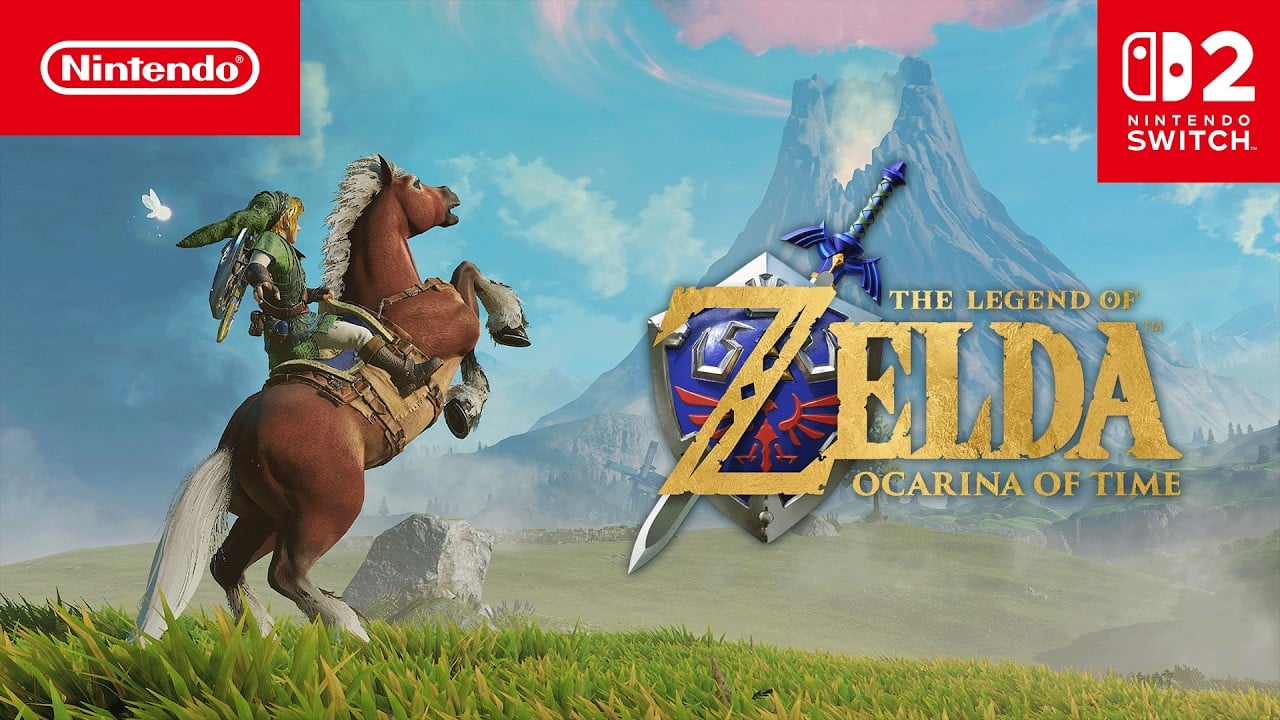
Summary:
Recent datamining of The Legend of Zelda: Ocarina of Time remake files has uncovered multiple “MQ” references that point toward a Master Quest mode sitting somewhere in the build. Dataminer MrCheeze shared images and follow-up notes showing MQ tags next to dungeon entries and specific exefs strings named HasMQ, IsMQModeExist, NewGameMQ and ReleaseMQ. That combination of labels reads like a mode flag or DLC check, which is why fans are buzzing. Nintendo producer Eiji Aonuma was asked about the absence of Master Quest in a recent interview and gave a non-committal reply, saying Nintendo wants to leave future possibilities open while not announcing anything specific. Between the file evidence and the cautious developer comments, this is one rumor worth watching closely as we all wait for official word.
What the datamine shows: MQ tags and executable strings
The datamine that set this whole discussion off includes lines of game data where “MQ” appears in association with dungeon entries such as Dodongo’s Cavern. Those MQ markers are not random text – they’re attached to internal resource names and flags the game uses to decide what to load or unlock. The same researcher later identified a few notable strings inside the executable filesystem, often called the exefs, which look like mode checks and controls: HasMQ, IsMQModeExist, NewGameMQ and ReleaseMQ. Taken together, these entries suggest the remake build contains references reserved for a Master Quest mode, or at least for something Nintendo labels MQ. Whether those strings are fully wired into playable content or just leftover scaffolding from development is unclear, but the pattern reads like a deliberate feature placeholder and that is why players have noticed and reacted quickly.
Where the report started and who shared it
The initial findings were shared publicly by a dataminer known online as MrCheeze via BlueSky, where they posted images and follow-up notes showing the MQ references. That social post quickly spread to gaming outlets and forums as other dataminers and fans cross-checked the screenshots. When a single, clearly phrased clip like that appears early in a game’s lifecycle, it tends to ripple fast because datamines are one of the few ways to peek at stuff Nintendo hasn’t officially detailed. MrCheeze’s observation was then amplified by websites and community accounts that added context and comparisons to previous Master Quest releases, turning a terse string discovery into a wider conversation about whether Nintendo intends to ship Master Quest as part of a future update or as a separate DLC offering.
Key strings explained: HasMQ, IsMQModeExist, NewGameMQ and ReleaseMQ
Those four strings deserve a closer look because they hint at how a Master Quest implementation might be organized. HasMQ suggests the game can check whether MQ is present – a gatekeeper flag. IsMQModeExist sounds like a validity or existence check confirming that a mode named MQ is wired into the build. NewGameMQ hints at an option to start a new save directly in MQ mode or to manage a new game state, while ReleaseMQ reads like a switch that would trigger the mode’s availability, perhaps after a purchase or an unlock. In other words, the file names map clearly to behavior you’d expect from a DLC or mode toggle: detect presence, confirm validity, create a new profile entry, and release the mode. That pattern is precisely why fans interpret these strings as evidence of an intentional Master Quest feature rather than random leftover text.
What Master Quest is and why it matters to fans
Master Quest is not a new concept for Zelda players – it first arrived as a remixed, harder take on Ocarina of Time in the early 2000s and later appeared as an unlockable mode in the 3DS release. It typically rearranges dungeon layouts, increases enemy threat, and introduces fresh puzzle twists that make the familiar world feel unfamiliar again. For many fans, Master Quest represents a chance to revisit the game with meaningful challenge and discovery, a way to extend the original experience without changing the core story. That history is why seeing MQ markers in the Switch 2 remake files triggers excitement: Master Quest is a known, beloved variant and its absence at launch left some players wanting. A modern Master Quest could satisfy veterans, offer fresh content for speedrunners and collectors, and give Nintendo a clean post-launch update to promote.
Leftover code or real plans – how to read datamines carefully
Not every string found in a datamine means a feature is coming. Software projects often carry leftover flags, test code and half-built systems that never reach players. The presence of MQ tags could be remnants from development experiments or internal tooling that was never finished. On the other hand, the specific set of strings found – including checks, new game handlers and release flags – look organized enough to read as purposeful. Fans and analysts balance two possibilities: either this is a feature skeleton left in the build, or it’s an actual DLC/expansion gate waiting to be flipped. Until Nintendo confirms something, the cautious reading is that the files enable a path for Master Quest if the team chooses to use it. That uncertainty is exactly why community reaction ranges from hopeful to skeptical as people weigh the evidence against the reality of game development.
What Eiji Aonuma said when asked about Master Quest
When journalists asked producer Eiji Aonuma why Master Quest was not present in the remake’s launch build, his answer was careful and noncommittal. He noted that when Nintendo releases a game, the team likes to leave options open for future work and for the developers who might take an interest in adding more after launch. Aonuma stopped short of promising anything specific, saying they weren’t ready to announce plans. That kind of reply is common from first-party teams who want to keep future flexibility without creating false expectations, but when combined with the datamine it reads as a signal that the developer left room in the project architecture for additional modes or DLC. Whether Nintendo will flip that switch publicly – and whether it will be free or paid – remains unknown.
How a DLC ownership check could work in practice
The strings that talk about release mechanics suggest the possibility of a DLC ownership check, where the game tests whether the user owns a Master Quest package before enabling the mode. That model is common in modern games and can be implemented server-side or locally by the game checking a licence key or DLC flag. If MQ is gated behind ownership, it could mean Nintendo intends to sell Master Quest as an extra package, or bundle it with amiibo, physical editions or promotional items. Alternatively, the release flag could simply enable a free update unlocked by an in-game action. The code we see so far is simply a mechanism: it shows that the developers built a way to make MQ playable if they want to, but it doesn’t tell us which business route Nintendo will use for that option.
What this would mean for players, speedrunners and collectors
If Master Quest does arrive as a toggle or DLC, it would change how some players approach the remake. Casual players might ignore it entirely, but completionists, speedrunners and longtime fans would likely flock to the remixed dungeons and altered world geometry to test new routes and strategies. Speedrunners could see new routing possibilities or entirely new categories based on MQ rules, while collectors might be interested in physical bundles or amiibo-linked unlocks if Nintendo chooses that path. For newcomers, MQ would offer an optional challenge without altering the base experience. Overall, adding Master Quest post-launch gives Nintendo a way to deepen replay value and rekindle conversation about the remake well after day one.
How to keep track of official announcements and updates
If you want to stay on top of any official word about Master Quest, follow reliable outlets and Nintendo’s direct channels, and keep an eye on dedicated pages covering the Switch 2 and Nintendo’s news updates. We also recommend checking community datamine threads and verified developer interviews for clarifications, but treat file leaks as hints rather than confirmations. For official platform-specific details about the remake and future Switch 2 support, you can also follow coverage on the NintendoReporters Nintendo Switch 2 hub which aggregates official news and features and helps you see direct announcements when they arrive. Staying patient and skeptical will help you separate speculation from what Nintendo actually plans to release.
Conclusion
The MQ strings found in the Ocarina of Time remake files are intriguing and line up with what you would expect if Master Quest were intended to be included at some point. The presence of checks like HasMQ and NewGameMQ suggests the developers put at least some scaffolding into the build for an optional mode, but datamines cannot reveal Nintendo’s final business decision. Producer Eiji Aonuma’s cautious comments about leaving future possibilities open reinforce the idea that the team has kept options available without committing to anything public. For now, treat this as a credible rumour: exciting and plausible, but not an official announcement. Keep an eye on verified interviews and Nintendo’s channels for confirmation and details on how – and if – Master Quest will arrive.
FAQs
- Is Master Quest definitely coming to the Ocarina of Time remake?
- No. The datamine shows references that could enable Master Quest, but Nintendo has not announced it officially. The evidence is suggestive, but not definitive.
- Who found the MQ references?
- Dataminer MrCheeze shared the initial screenshots and follow-up notes on BlueSky, after which outlets and community members examined the findings.
- What do the strings HasMQ and NewGameMQ mean?
- They read like internal checks and handlers for a mode called MQ – HasMQ likely checks presence, while NewGameMQ implies an option to start a new save in that mode.
- Could Master Quest be free or paid DLC?
- Either is possible. Some datamine reports suggest an ownership check, which hints at paid DLC, but Nintendo may also choose to release it as a free update. Nothing official yet.
- Where can I find official updates?
- Watch Nintendo’s official announcements, major outlets and verified interviews. You can also follow the NintendoReporters Switch 2 hub for curated news and updates.
Sources
- Master Quest references potentially found in Zelda: Ocarina of Time remake files [update: more details], NintendoEverything, November 7, 2026
- Rumour: Data Found In Zelda: Ocarina Of Time May Hint At Master Quest DLC, Nintendo Life, November 7, 2026
- MrCheeze post on BlueSky, BlueSky, November 6, 2026
- Zelda: Ocarina of Time Switch 2 Files Point to Master Quest DLC, Datamine Suggests, TBreak, November 8, 2026