














Summary:
Dragon Quest XI S: Echoes of an Elusive Age – Definitive Edition is officially coming to Nintendo Switch 2 on September 24, giving Square Enix’s beloved RPG another chance to shine on newer Nintendo hardware. The release brings graphics and performance optimization modes, giving players the choice between sharper image quality and smoother frame rate priorities. That sounds like a welcome upgrade on paper, especially for anyone who has wanted a more polished way to revisit Erdrea on a Nintendo system. Yet there is an important catch: this release is not being treated as a Nintendo Switch 2 Edition. Square Enix has confirmed that save data from the original Nintendo Switch version will not carry over, and there is no upgrade path for existing owners. The physical version has also been confirmed as a Game-Key Card, meaning collectors and preservation-minded players may want to look closely before buying. For newcomers, this remains one of the most charming and accessible modern JRPGs around. For returning players, the question is less about quality and more about value. We look at what is included, what is missing, and why this Switch 2 release feels exciting and slightly frustrating at the same time.
Dragon Quest XI S returns to Nintendo Switch 2 on September 24
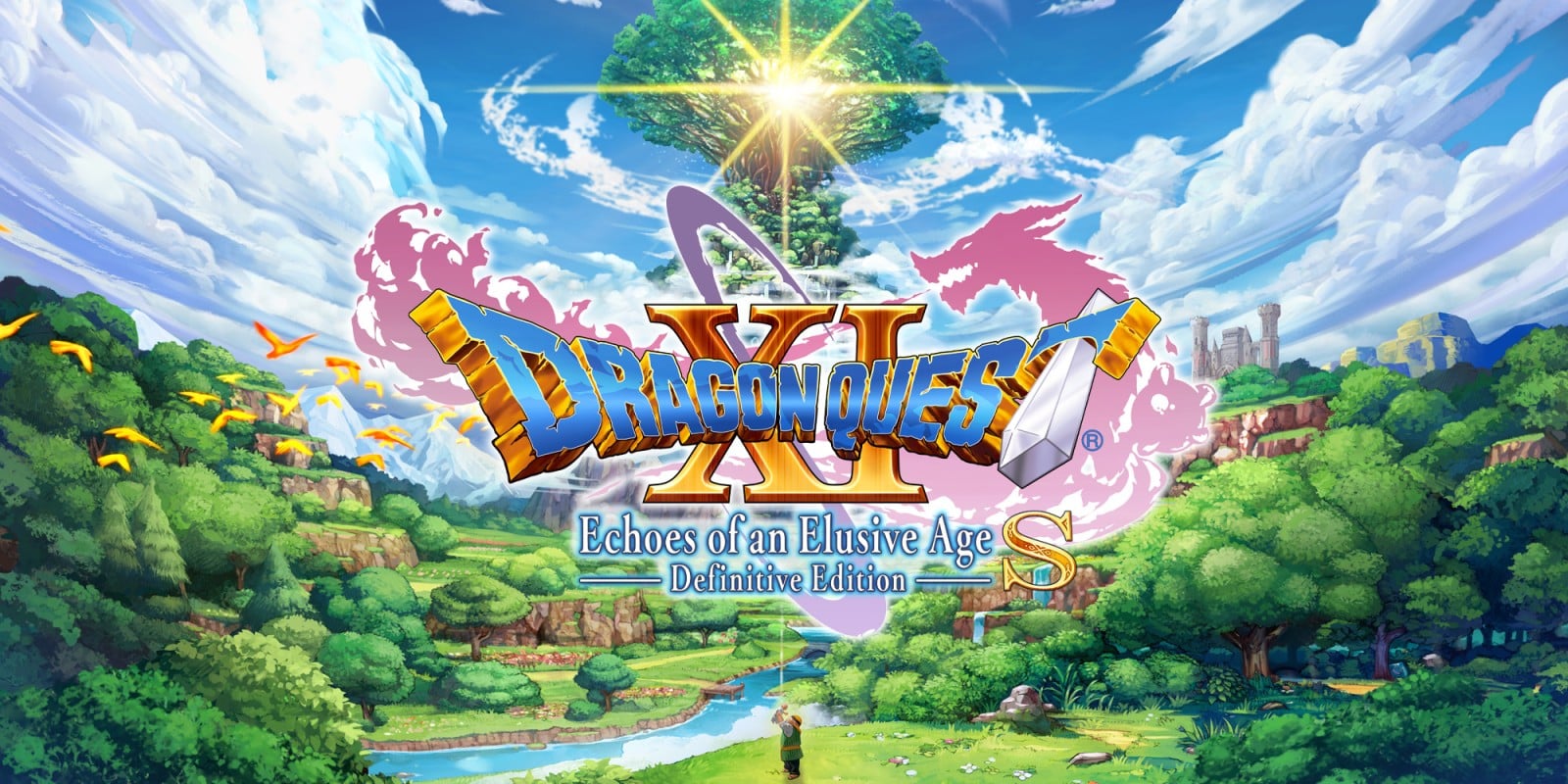
Square Enix has officially confirmed that Dragon Quest XI S: Echoes of an Elusive Age – Definitive Edition will launch for Nintendo Switch 2 on September 24, bringing one of the most widely loved modern Japanese RPGs back to Nintendo players in a refreshed form. The announcement follows a recent Taiwan ratings board listing, so the reveal may not feel like a bolt from the blue for fans who follow every rating slip like treasure hunters chasing a glowing chest. Still, the confirmation matters. Dragon Quest XI S is not just another port filling a calendar slot. It is a huge, warm, character-driven adventure with traditional turn-based battles, a bright world, and the kind of cozy heroic rhythm that made the series famous in the first place.

Why this Switch 2 release is not a Nintendo Switch 2 Edition
The most important detail is also the one that may disappoint existing owners: this is not a Nintendo Switch 2 Edition in the usual sense. It does not include save transfers from the original Nintendo Switch release, and there is no announced upgrade path for players who already bought the game on Switch. That means anyone hoping to continue an old journey on new hardware will need to start again rather than pick up where they left off. For a short game, that might sting a little. For Dragon Quest XI S, which can easily become a long, winding, monster-filled road trip through Erdrea, it feels more like being told your horse parked itself on the wrong continent.
What the lack of an upgrade path means for existing players
Without an upgrade path, players who own the original Switch version should treat the Nintendo Switch 2 release as a separate purchase. That does not automatically make it a bad deal, but it does change the conversation. Returning fans need to decide whether the new optimization options are enough to justify another purchase, especially if they already finished the adventure or still have unfinished save data on Switch. This is where expectations matter. If someone thought this would work like a paid technical upgrade, the announcement may feel frustrating. If someone simply wants a cleaner version on newer hardware and does not mind beginning again, the Switch 2 release may still be tempting.
What graphics and performance modes add to the adventure
The headline improvement for Nintendo Switch 2 is the addition of graphics and performance optimization modes. These let players prioritize visual quality or frame rate, depending on how they prefer to play. That kind of choice can make a surprisingly big difference in a large RPG, where towns, battle effects, monster animations, and wide outdoor areas all contribute to the mood. A sharper image can help Erdrea’s colorful landscapes pop, while smoother performance can make exploration and combat feel more responsive. Dragon Quest XI S has always leaned heavily on charm rather than raw technical spectacle, but charm still benefits from a clean window. Nobody wants to admire a sunset through a foggy lens.
Performance mode may be the better fit for long sessions
For many players, performance mode could become the preferred option because Dragon Quest XI S is built around long, relaxed sessions of exploration, battles, crafting, story scenes, and side quests. A smoother frame rate can make the experience feel more comfortable over time, especially when moving through towns, rotating the camera, or triggering quick enemy encounters in the field. It may not change the structure of the RPG, but it can improve the feel of playing it. In a game this long, small comfort upgrades start to matter. They are like a better pair of boots before a long hike – not flashy, but deeply appreciated once the journey begins.
Graphics mode gives Erdrea a cleaner showcase on Switch 2
Graphics mode will likely appeal to players who want the best possible image quality from the Switch 2 version. Dragon Quest XI S is filled with bright towns, expressive characters, sweeping fields, and monster designs that carry the unmistakable personality of the series. A higher visual target can help those details stand out more clearly, especially on larger screens. This is not about turning the game into something unrecognizable. Instead, it gives the familiar adventure a tidier presentation, almost like dusting off a favorite illustrated book and seeing the colors breathe again. For players who mainly enjoy docked play, graphics mode could be the more attractive choice.
Both modes keep the focus on player preference
The best part about having two modes is that players are not forced into one technical priority. Some will want smoother movement, while others will care more about image clarity. That flexibility fits the Switch 2 audience well because the system is built around different play habits, from quick portable sessions to longer docked evenings. Dragon Quest XI S is not a twitchy action game where every frame decides survival, but comfort still shapes how people feel about a long RPG. Giving players a choice means the Switch 2 release can better match different screens, moods, and expectations without turning a simple technical setting into a royal decree.
Why save transfers are not supported from the original Switch version
Square Enix has confirmed that save data from the Nintendo Switch version cannot be transferred to the Nintendo Switch 2 version. That is a major practical detail because Dragon Quest XI S is not the kind of RPG most players finish in a weekend. Its story stretches across many locations, party developments, side activities, and late-game challenges, so losing continuity can feel like more than a small inconvenience. Returning players may have strong memories attached to their party setup, crafted gear, and progress. Starting over can be fun, but only when someone chooses it freely. When it is required, the magic can feel a little more complicated.
Restarting may be easier for newcomers than veterans
Newcomers have the cleanest path here because they do not need to worry about save transfers or upgrade expectations. For them, the Switch 2 release is simply another way to experience Dragon Quest XI S, with improved presentation options from day one. Veterans are in a trickier spot. They may love the game, but they also know exactly how much time a full adventure can take. Replaying from the beginning might sound wonderful to one fan and exhausting to another. That divide is important because this release serves two audiences at once: people discovering the Luminary for the first time and people deciding whether Erdrea is worth revisiting from square one.
How the Game-Key Card physical release changes ownership expectations
The physical Nintendo Switch 2 release has been confirmed as a Game-Key Card, which is another detail likely to divide players. A Game-Key Card is not the same as a full traditional cartridge containing the entire playable game data. For players who mainly care about having a box on the shelf, that may be fine. For collectors, preservation-minded fans, or anyone who values fully self-contained physical releases, it may be less appealing. Physical editions often carry an emotional weight that goes beyond convenience. They sit on shelves like little trophies. When the card functions more like a key than a complete copy, some of that old-school comfort takes a hit.
Why larger file sizes may explain the choice
The Game-Key Card decision is likely connected to file size and production practicalities, although that does not erase player concerns. Dragon Quest XI S is a large RPG with voice acting, multiple visual modes, orchestral music options, 2D presentation features, and a huge amount of world data. On modern systems, that kind of package can quickly grow beyond what publishers want to place fully on a cartridge. From a business angle, a Game-Key Card can make sense. From a player angle, it can feel like buying a physical key to a digital door. Both sides can be true at once, which is exactly why this format keeps sparking debate.
What remains familiar in the Definitive Edition package
Even with the Switch 2-specific discussion around technical modes, save transfers, and the Game-Key Card format, the core package remains Dragon Quest XI S: Echoes of an Elusive Age – Definitive Edition. That means players can expect the familiar adventure starring the Luminary, a hunted hero who gathers a colorful party while uncovering his role in saving Erdrea. The Definitive Edition includes features that helped make the Switch version stand out, such as the ability to switch between 3D and 2D styles, additional character-focused stories, voice options, and other enhancements. In simple terms, this is still the version many fans point to when recommending the game.
The 2D mode remains one of its most charming tricks
One of Dragon Quest XI S’s most distinctive features is the ability to experience the adventure in both modern 3D and retro-inspired 2D presentation. That option is more than a novelty. It connects the game’s modern scope with the long history of the Dragon Quest series, letting players feel the difference between cinematic exploration and classic pixel-flavored role-playing. For longtime fans, it is a warm nod to the series’ roots. For newer players, it is a fun reminder that great RPG design does not always need visual fireworks to work. Sometimes all it takes is a brave hero, a strange monster, and a battle menu that feels like home.
Character-focused stories help the party feel more personal
The Definitive Edition also benefits from extra character-focused story material, which gives party members more room to breathe outside the main path. That matters because Dragon Quest XI S works best when its companions feel like more than combat tools. The cast brings humor, warmth, drama, and plenty of personality to the journey, and the added story material helps strengthen those bonds. A turn-based RPG lives or dies by whether players care about the people standing in the battle line. Here, the party often feels like a traveling family, complete with loyalty, bickering, danger, and the occasional moment that lands right in the heart.
Why this announcement matters for Switch 2 RPG players
Dragon Quest XI S coming to Nintendo Switch 2 adds another major RPG to the system’s growing library, and that matters for players who want long-form adventures on Nintendo hardware. The Switch became a strong home for RPGs over time, and Switch 2 seems ready to continue that tradition. A game like Dragon Quest XI S helps anchor that identity because it is approachable, polished, and recognizable. It is the kind of RPG that can welcome first-timers without alienating longtime fans. Not every player wants endless systems stacked like pancakes. Sometimes, the most appealing pitch is simple: a grand adventure, a lovable cast, and battles that feel satisfying without becoming homework.
Square Enix continues to support Nintendo players with familiar RPG names
This release also shows that Square Enix still sees value in bringing major RPGs to Nintendo platforms, even when those games have already appeared elsewhere. Dragon Quest XI S has traveled across multiple systems, yet its return on Switch 2 gives Nintendo players a version aligned with the newer hardware. That is important because RPG audiences often care about where they can settle in for dozens of hours. Portability, docked play, and comfort can influence buying decisions just as much as raw specs. For many fans, playing a long RPG on a Nintendo system simply feels right, like curling up with a familiar book in your favorite chair.
How Dragon Quest XI S still holds up for newcomers and returning fans
Dragon Quest XI S remains easy to recommend because it understands what kind of game it wants to be. It is traditional without feeling dusty, charming without feeling shallow, and large without feeling cold. The battles are turn-based, the world is colorful, and the story leans into classic heroic fantasy with confidence. Some games try to reinvent the wheel, then accidentally roll it into a ditch. Dragon Quest XI S mostly keeps the wheel round, polishes it, and sends it down a sunny road lined with slimes. That steadiness is part of its appeal. It knows its audience, but it also gives newcomers enough comfort to step in without needing a history lesson.
The Switch 2 version could be a strong first playthrough
For players who never tried Dragon Quest XI S, the Nintendo Switch 2 version could become one of the most convenient ways to begin. The improved technical options should help the game feel more current, while the Definitive Edition features already provide a rich package. Newcomers will not feel the sting of missing save transfers because they have no old file to bring forward. They can simply begin the story, meet the party, and settle into the adventure at their own pace. That is probably the cleanest way to view this release: not as a perfect reward for existing owners, but as a fresh doorway for players who missed the original Switch version.
Returning players should weigh comfort against repetition
Returning players have a more personal decision to make. If Dragon Quest XI S is one of their favorite RPGs, the chance to replay it with improved performance or visuals may be enough. Some games invite replays the way comfort food invites second helpings. Yet anyone who still has an unfinished Switch save should think carefully before buying, because that progress will not move over. Replaying a 100-hour RPG can be joyful, but it can also feel like climbing the same mountain with nicer shoes. The shoes help, absolutely, but the mountain is still very much a mountain.
What players should know before buying the Switch 2 version
Before buying Dragon Quest XI S on Nintendo Switch 2, players should be clear about what this release is and what it is not. It is a Switch 2 version with graphics and performance modes. It is not a Nintendo Switch 2 Edition with save transfers and an upgrade route from the original Switch release. It has a physical option, but that physical option is a Game-Key Card. The game itself remains a highly regarded RPG packed with charm, party-driven storytelling, turn-based battles, and flexible presentation options. The value depends heavily on the player. Newcomers have plenty to look forward to. Returning owners have a tougher call, especially if they expected a smoother bridge from Switch to Switch 2.
Best suited for players who want a fresh start
The Switch 2 version seems best suited for players who are ready to start fresh, whether they are newcomers or returning fans who genuinely want another full run. That mindset makes the release much easier to appreciate. Instead of feeling like a missing upgrade, it becomes a cleaner version of a beloved RPG on newer hardware. The issue is not that Dragon Quest XI S lacks quality. Far from it. The issue is that the package asks existing players to separate their love for the game from their expectations around ownership, upgrades, and save continuity. That is a tricky little boss battle, and there is no auto-win spell for it.
Conclusion
Dragon Quest XI S: Echoes of an Elusive Age – Definitive Edition coming to Nintendo Switch 2 on September 24 is good news with a few sharp edges. The added graphics and performance modes should make Erdrea feel better on newer hardware, and the game itself remains a warm, polished, and highly approachable RPG. Yet the lack of save transfers, the absence of an upgrade path, and the Game-Key Card physical release make this less straightforward for existing Switch owners. Newcomers are in the best position, since they can enjoy the adventure without worrying about old progress. Returning players, meanwhile, need to decide whether a fresh journey is worth the price of admission. Dragon Quest XI S is still special, but this Switch 2 release asks fans to read the fine print before grabbing their sword.
FAQs
- When does Dragon Quest XI S launch on Nintendo Switch 2?
- Dragon Quest XI S: Echoes of an Elusive Age – Definitive Edition is scheduled to launch for Nintendo Switch 2 on September 24, 2026.
- Is this a Nintendo Switch 2 Edition?
- No, this release is not being treated as a Nintendo Switch 2 Edition. It does not include save transfers from the original Switch version and does not have an announced upgrade path.
- Can Nintendo Switch save data transfer to the Switch 2 version?
- No, save data from the Nintendo Switch version cannot be transferred to the Nintendo Switch 2 version, so players will need to start a new save file.
- What technical modes are included on Switch 2?
- The Nintendo Switch 2 version includes graphics and performance modes, allowing players to prioritize either visual quality or smoother performance.
- Will Dragon Quest XI S have a physical release on Switch 2?
- Yes, a physical release has been announced, but it will use a Game-Key Card rather than a traditional full-data cartridge.
Sources
- Dragon Quest 11 S coming to Nintendo Switch 2, Nintendo Everything, May 27, 2026
- Dragon Quest XI S: Echoes of an Elusive Age – Definitive Edition launches for Switch 2 on September 24, RPG Site, May 27, 2026
- New Dragon Quest Monsters Game Announced, Dragon Quest XI S Is Coming To Switch 2, Game Informer, May 27, 2026
- Dragon Quest 11 S Nintendo Switch 2 rating appears, Nintendo Everything, April 29, 2026
- Dragon Quest XI S: Echoes of an Elusive Age – Definitive Edition FAQ, Square Enix, 2026