














Summary:
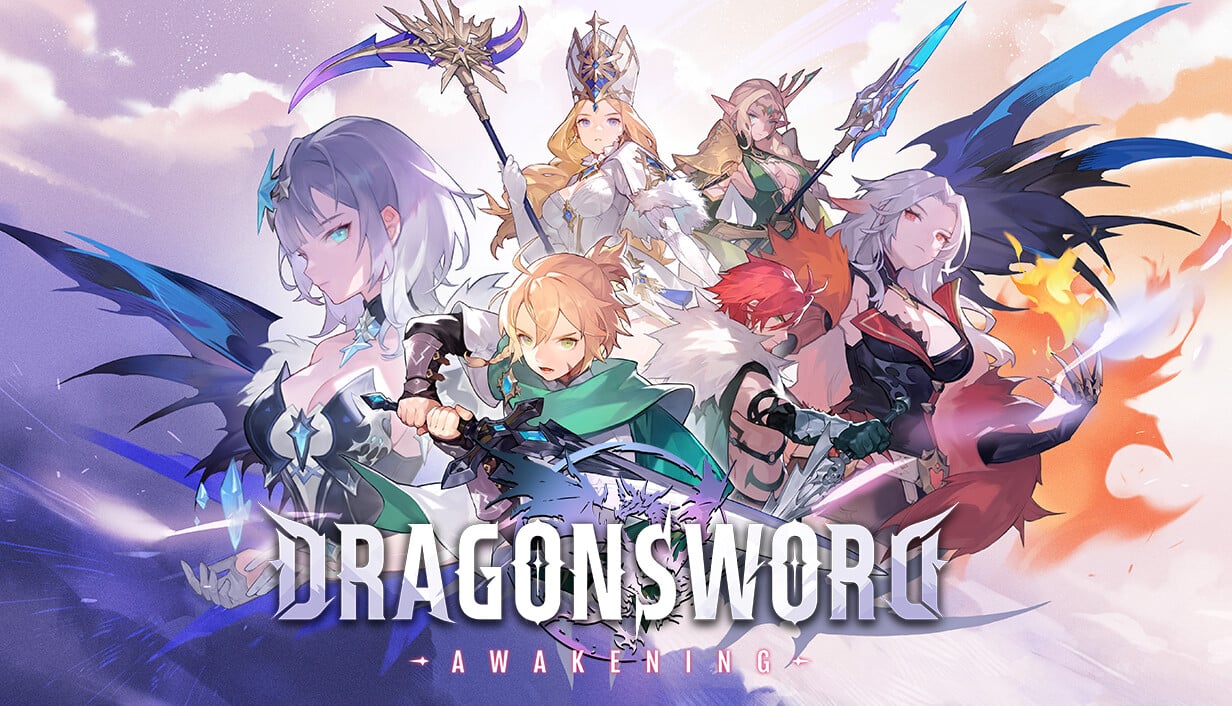
DragonSword: Awakening is officially making its way to a Nintendo console following an impressive start on PC. Developer HOUND13 confirmed that Nintendo and PlayStation versions of the anime-style open-world action RPG are now underway after the game surpassed 200,000 sales during its first week on Steam. The studio has not yet identified which Nintendo system will receive the game, leaving the door open for a Nintendo Switch release, a Nintendo Switch 2 version, or another platform plan involving both systems.
The game follows a young boy named Lute as he travels toward Orbis, the first kingdom established by humankind. His plans quickly unravel when he becomes involved with the mercenary Johnny and an Elf named Castella. What begins as an unexpected partnership gradually turns into a continent-spanning struggle involving a returning Dragon, six legendary Heroes, rival factions, hidden histories, and a destiny that could transform Lute into the heroic Dragon Sword.
Beyond its story, DragonSword: Awakening offers a colorful Unreal Engine 5 world filled with meadows, caves, underwater locations, dungeons, settlements, cooking activities, local requests, collectible Familiars, and 19 playable Heroes. Its combat system encourages players to switch between characters, stack Status Ailments, and trigger powerful Signal Skills. A Nintendo release could introduce this fast-moving adventure to a much wider console audience, although HOUND13 has not announced a launch window, technical specifications, or an exact Nintendo platform.
DragonSword: Awakening Is Officially Heading to Nintendo
HOUND13 has confirmed that a Nintendo version of DragonSword: Awakening is in development, giving console players their first clear sign that the action RPG will expand beyond PC. The announcement arrived alongside news that a PlayStation edition is also underway, although neither console version currently has a release date. That leaves plenty of practical questions unanswered, but the central news is clear: DragonSword: Awakening is no longer being treated as a PC-only release. Its journey across the Continent of Orbis will eventually reach Nintendo players, complete with its anime-inspired presentation, open-world exploration, large group of playable Heroes, and rapid tag-team battles. For fans who prefer exploring fantasy worlds from the sofa or while travelling, that is an encouraging development. The game already looks like a natural match for an audience that enjoys colourful role-playing adventures, character-focused stories, and combat systems that reward experimentation rather than endless menu watching.

HOUND13 Has Not Identified the Nintendo Console
The announcement refers to a Nintendo version without naming a specific system. HOUND13 has therefore not confirmed whether DragonSword: Awakening is intended for Nintendo Switch, Nintendo Switch 2, or potentially both consoles. That distinction matters because the game uses Unreal Engine 5 and presents a large fantasy world filled with detailed environments, numerous enemies, underwater areas, changing locations, and visually elaborate combat effects. A Nintendo Switch 2 version may appear like the most straightforward technical fit, but no official platform should be assumed until the developer provides one. The wording may simply reflect an early stage of development, with hardware targets and release plans still being finalised. It could also mean HOUND13 wants to keep its options open while evaluating performance. For now, Nintendo players know that a version is coming, but the box it will eventually run on remains a mystery tucked away like treasure beneath one of Orbis’ watchtowers.
Strong PC Sales Give DragonSword: Awakening Early Momentum
DragonSword: Awakening surpassed 200,000 sales on PC during its first week, providing HOUND13 with a strong foundation for the newly announced console editions. The game launched through Steam in July 2026 as a premium single-player experience rather than a free-to-play release supported by character draws. That approach helps distinguish it from several anime-styled action RPGs that may look similar at first glance. Players purchase the game and gain access to its characters and adventure without a traditional gacha structure hanging over every new Hero like a particularly greedy shopkeeper. Reaching the sales milestone so quickly suggests that its combination of open-world exploration, accessible pricing, expressive characters, and flashy combat found an audience almost immediately. Console development can be expensive and time-consuming, so early commercial momentum gives the studio another reason to invest in bringing the adventure to additional platforms while interest remains high.
Lute’s Journey Begins on the Continent of Orbis
At the heart of DragonSword: Awakening is Lute, a young boy travelling toward Orbis, the first kingdom built by humankind. His journey takes an unexpected turn when he becomes caught up in the lives of Johnny, a mercenary, and Castella, an Elf with a strong personality of her own. Lute is soon pulled into the unpredictable daily routine of a mercenary group, surrounded by companions whose colourful behaviour can make even an ordinary assignment feel like the beginning of trouble. The lighter moments do not last forever. A huge threat begins casting its shadow over the peaceful continent, forcing Lute to confront a destiny far larger than anything he expected when he first set out. His story centres on whether he can become the Dragon Sword, a Hero capable of protecting Orbis. That question gives the adventure an emotional core beneath all the sword swings, spectacular abilities, and scenic mountain paths.
The Open World Blends Exploration with Everyday Activities
Orbis is presented as a warm, brightly coloured fantasy continent created with Unreal Engine 5. Players can cross open meadows, investigate secret cellars beneath watchtowers, descend into caves, enter hidden dungeons, and search deep underwater locations for treasure. The range of environments is intended to make exploration feel rewarding rather than simply turning the world into a long road between objectives. You might begin by following a mission marker, notice a suspicious opening in a nearby ruin, and suddenly spend the next hour poking around somewhere entirely different. That familiar open-world distraction can be half the fun. Exploration is also connected to everyday activities. Ingredients gathered throughout the continent can be used for cooking, while local residents offer problems and requests that help Lute become part of the communities he visits. These quieter activities give the world room to breathe between major battles and dramatic revelations.
Familiars and Companions Bring More Life to the Adventure
Lute does not have to cross the continent alone. DragonSword: Awakening surrounds him with dependable allies as well as collectible creatures known as Familiars. These adorable companions provide assistance during the journey, adding another layer to exploration and progression. Their presence also suits the game’s welcoming visual style, which balances looming dragons and dangerous ruins with charming characters and small moments of humour. A vast fantasy landscape can feel surprisingly empty when every friendly face remains nailed to a village square, so travelling companions help make the road itself feel alive. The broader cast plays an equally important role. Heroes move beyond being simple collections of combat abilities, with personal histories and relationships that connect them to Orbis and its competing factions. As players travel, fight, cook, investigate, and complete requests, the group gradually starts to feel less like a temporary collection of adventurers and more like a lively found family.
Tag-Team Battles Revolve Around Status Ailments
Combat in DragonSword: Awakening is built around teams of Heroes who can enter and leave battle through a switching system. Instead of controlling one character from the beginning of an encounter to the end, players are encouraged to rotate between party members and combine their abilities. Status Ailments are central to this system. Active Skills can apply and stack different conditions on enemies, preparing them for more powerful Signal Skills. Successful combinations create long, stylish attack sequences in which Heroes repeatedly replace one another without bringing the action to a halt. It is less like politely waiting for everyone to take a turn and more like a well-rehearsed relay race where each runner arrives carrying an enormous sword. The system rewards players who understand how their chosen Heroes interact. Rather than relying only on raw strength, a carefully organised team can create openings, maintain pressure, and trigger attacks that would not be possible with a random assortment of characters.
Nineteen Heroes Allow Players to Build Distinct Teams
DragonSword: Awakening includes 19 Heroes, each equipped with individual Status Ailment abilities and a distinct role within the combat system. That selection gives players room to build teams around preferred strategies instead of forcing everyone toward one fixed group. Some combinations may focus on applying particular conditions as quickly as possible, while others may prioritise mobility, sustained pressure, defensive support, or powerful Signal Skill chains. Experimentation is a major part of the appeal because replacing one Hero can change how an entire sequence flows. A team that initially feels awkward may suddenly click after the right character joins the rotation. The absence of a conventional gacha model is especially relevant here, as the roster belongs to the premium game rather than being presented primarily as a series of limited draws. Players can focus on understanding the Heroes, following their stories, and finding enjoyable combinations without treating each new party member like the result of a particularly stressful lottery ticket.
Character Bonds and Faction Stories Shape the Larger Mystery
The people of Orbis are designed to carry stories of their own, including the Heroes who fight beside Lute and the guards who protect small settlements. Several factions have overlapping or conflicting interests, placing individual characters within a larger network of loyalties, secrets, and ambitions. Learning what motivates each group should help reveal why the continent is vulnerable to the approaching crisis and how the current generation is connected to the Heroes who saved it decades earlier. The cast includes unusual personalities such as an eccentric Elf fascinated by archaeology and a mysterious girl capable of travelling between dimensions. Characters like these can bring humour and surprise to the adventure while also serving as gateways into the world’s history. Building relationships is therefore more than a pleasant distraction from combat. The bonds Lute forms may help players understand hidden events, challenge first impressions, and uncover truths that the major factions would rather leave buried.
The Returning Dragon Connects the Present to Six Legendary Heroes
Sixty years before Lute’s adventure, a Dragon pushed the continent toward destruction. Six Heroes rose against it and prevented Orbis from falling, becoming legendary figures whose actions continued to shape the world long after the immediate danger had passed. Peace eventually returned, but it was never guaranteed to last. A Dragon has now appeared again, forcing Lute and his companions to investigate the earlier conflict and search for the Heroes of old. Their quest involves following the paths of these legendary figures and uncovering secrets hidden behind the familiar heroic stories. Legends often become polished over time, after all. The messy decisions, sacrifices, rivalries, and mistakes tend to disappear while everyone remembers the shining sword raised triumphantly in the air. DragonSword: Awakening uses that gap between legend and reality to drive its central mystery. Lute must discover what happened before he can understand what the returning Dragon means for his own destiny.
What a Nintendo Version Could Bring to DragonSword: Awakening
A Nintendo release could make DragonSword: Awakening appealing to players who enjoy expansive role-playing games but prefer the flexibility of a console. Portable play would be particularly useful for exploration, optional requests, cooking, and shorter sessions spent developing different Heroes. Larger story missions and visually intense battles could then continue on a television, provided the chosen Nintendo system supports that style of play. HOUND13 has not detailed performance targets, resolution, frame rate, physical editions, control options, save transfers, or platform-specific features, so expectations should remain grounded in what has actually been announced. Optimisation will also be important because Unreal Engine 5 projects can place considerable demands on hardware. A carefully adjusted Nintendo version could still work well, especially if the studio balances image quality, environmental density, loading behaviour, and combat performance. The most important ingredient will be consistency, since a stylish combo loses some sparkle when the frame rate starts moving like it has wandered into a swamp.
Conclusion
DragonSword: Awakening is officially heading to a Nintendo console after surpassing 200,000 PC sales during its first week. HOUND13 has not yet named the Nintendo platform or announced a release date, but development of both Nintendo and PlayStation versions is underway. That confirmation gives console players a reason to watch the project as it moves beyond Steam. With its open-world version of Orbis, 19 playable Heroes, collectible Familiars, cooking, underwater exploration, character-driven stories, and Status Ailment tag-team combat, the game brings together many features that could suit Nintendo’s role-playing audience. The remaining questions concern the exact hardware, technical performance, launch timing, and whether any console-specific additions will be included. Until HOUND13 shares those details, Lute and his companions still have some travelling to do before reaching Nintendo shores. At least their destination is now official, even if the particular console waiting at the end of the road remains hidden.
FAQs
- Is DragonSword: Awakening coming to a Nintendo console?
- Yes. HOUND13 has confirmed that a Nintendo version is underway alongside a PlayStation edition.
- Is DragonSword: Awakening confirmed for Nintendo Switch 2?
- No specific Nintendo system has been identified. The announcement does not confirm Nintendo Switch, Nintendo Switch 2, or a release covering both platforms.
- Does DragonSword: Awakening have a Nintendo release date?
- No. HOUND13 has not announced a launch date or release window for the Nintendo version.
- What type of game is DragonSword: Awakening?
- It is a premium single-player open-world action RPG featuring 19 Heroes, character switching, Status Ailments, Signal Skills, exploration, cooking, Familiars, dungeons, and underwater areas.
- How many copies has DragonSword: Awakening sold?
- HOUND13 announced that the game surpassed 200,000 PC sales during its first week following its Steam launch.
Sources
- DragonSword: Awakening Sales Top 200,000; PlayStation and Nintendo Versions Underway, Gematsu, July 30, 2026
- DragonSword: Awakening, Steam, July 22, 2026
- DragonSword: Awakening Launches July 23, Gematsu, June 18, 2026
- DragonSword: Awakening Sells 200,000 Copies, Console Versions in Development, Noisy Pixel, July 30, 2026
- The New Open-World RPG Climbing Steam Is the Biggest Surprise Since Crimson Desert, GamesRadar+, July 27, 2026