














Summary:
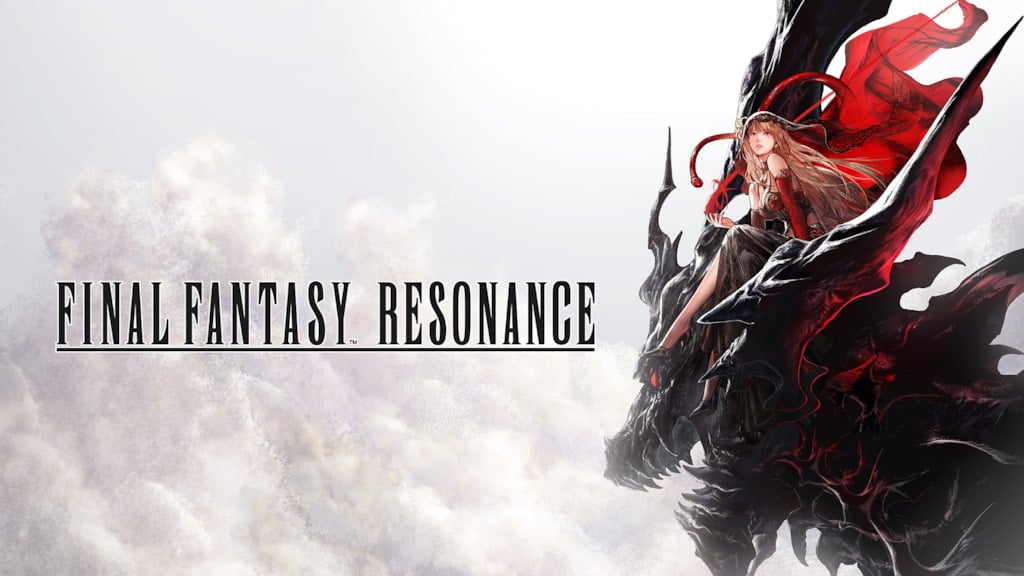
Final Fantasy Resonance is shaping up to be one of Square Enix’s most nostalgic yet carefully modernized RPG projects, bringing the world and opening story arc of Final Fantasy Brave Exvius into a rebuilt console experience. Rather than presenting itself as a simple retelling, it uses HD-2D visuals, cinematic pixel-based sequences, turn-based combat, Visions, Resonances, espers, airship travel, and character-focused side stories to create something that feels rooted in the past without being trapped there. The story follows Rain and Lasswell, two knights of Grandshelt, after the Earth Crystal is shattered by Veritas of the Dark. Their journey soon expands into a wider quest to protect the remaining Crystals, joined by Fina, a mysterious girl connected to the Earth Crystal and the world’s espers. Combat leans into classic Final Fantasy rhythm, but with clear strategic layers through timeline-based turns, stagger gauges, elemental weaknesses, bonus phases, and sweeping stagger opportunities. Visions let players equip crystallized character essences, including legacy heroes such as Warrior of Light, Terra, Cloud, Shantotto, and Y’shtola, while Resonances provide powerful cinematic attacks or support effects tied to those builds. Add in espers like Siren and Ramuh, airship exploration, new side quests, and 33 newly recorded tracks, and Final Fantasy Resonance looks like a love letter to players who still hear battle victory music in their heads after all these years.
Final Fantasy Resonance brings classic Final Fantasy spirit into HD-2D
Final Fantasy Resonance begins with a question that feels almost tailor-made for long-time fans: what if Final Fantasy had continued to push pixel art further instead of leaving it behind? That idea sits at the heart of the game’s presentation, which mixes HD-2D environments, high-definition pixel art, cinematic camera work, pixel-based 3DCG, and selected 3D sequences for special abilities and summons. It is not only trying to look old-school. It is trying to make old-school feel alive again, like someone opened a treasure chest and found a fresh cartridge glowing inside.
The game is based on the first season of Final Fantasy Brave Exvius, but Square Enix is positioning this console version as far more than a straight port or light remake. The world, characters, and central conflict are being rebuilt with broader scope, higher production values, and systems designed for a full RPG experience. That distinction matters because Brave Exvius originally lived in the mobile space, while Final Fantasy Resonance is being framed around traditional console pacing, richer exploration, deeper party building, and a battle system built for players who enjoy planning their next move rather than simply reacting to chaos.

The story begins with shattered crystals and a kingdom under threat
The opening setup is classic Final Fantasy in the best possible way: peaceful kingdom, sacred crystal, mysterious danger, and heroes who are absolutely not ready for how badly their day is about to go. The Kingdom of Grandshelt has lived under the blessing of the Crystals, with Rain serving as commander of an airship squadron and Lasswell acting as his deputy commander. When the magical barrier around the Earth Shrine begins to weaken, the two are sent to investigate the cause, expecting a mission that likely sounds important but manageable.
That assumption does not last long. Deep inside the shrine, Rain and Lasswell encounter a mysterious armored figure whose power completely overwhelms them. The Earth Crystal is shattered before their eyes, their airship is wrecked, and their comrades are lost. When the pair return to Grandshelt, they find the kingdom under attack by the same enemy, now identified as Veritas of the Dark. Even after rescuing the king, Rain and Lasswell are defeated again, giving the story a sharp emotional sting right from the start. This is not a clean heroic send-off. It is a desperate scramble after failure, grief, and unfinished duty.
Rain, Lasswell, and Fina give the journey its emotional backbone
Rain stands at the center of Final Fantasy Resonance as a young knight trusted with major responsibility. He is bright, earnest, principled, and skilled enough to command an airship squadron at a young age, but he also carries complicated feelings about his father, Raegen, who vanished after leaving his family behind. That personal wound gives Rain more than a standard hero outline. He is not simply chasing a villain across the world. He is also moving through a story where legacy, responsibility, and unanswered family questions may weigh just as heavily as any sword.
Lasswell offers a steady contrast. Serious, disciplined, and trusted by both superiors and subordinates, he grew up with Rain after being taken in by Rain’s family. That shared history gives their bond an easy familiarity, especially because Lasswell often finds himself pulled along by Rain’s impulsive decisions. Fina then adds mystery and warmth to the group. She appears from the Earth Crystal with no memories beyond her name, yet she is cheerful, pure-hearted, skilled with white magic and archery, and able to communicate with espers. The party dynamic has an appealing rhythm: heart, restraint, and mystery, all packed into one traveling group.
Veritas of the Dark brings danger that feels personal and world-shaking
Veritas of the Dark is introduced with the kind of overwhelming power that instantly tells players this is not a villain who can be brushed aside after a few early battles. He destroys the Earth Crystal, attacks Grandshelt, defeats the heroes more than once, and sets his sights on annihilating all Crystals scattered across the world. That kind of threat gives the adventure immediate scale, but the repeated defeats also make it feel personal. Rain and Lasswell are not chasing an abstract danger. They are chasing the person who shattered their world in front of them.
The game also introduces another mysterious figure, a woman with a deep hatred for Veritas of the Dark who travels alongside Bahamut and primarily uses offensive magic. Her playful attitude toward Rain appears to hide a much stronger resolve, which gives the cast another intriguing moving piece. In Final Fantasy terms, that means players should probably keep one eyebrow raised. Characters who tease too much and travel with legendary creatures rarely arrive without emotional baggage, buried secrets, or both. The story seems ready to use those relationships to expand beyond a simple crystals versus darkness setup.
Turn-based combat uses a timeline to reward smart planning
Final Fantasy Resonance keeps the series’ classic turn-based identity, but it builds extra clarity into each encounter through a timeline that shows the upcoming action order for both allies and enemies. The order appears across the top of the screen, with turns moving from left to right. That simple visual tool changes the pace of decision-making. Instead of guessing when an enemy might strike, players can read the flow of battle and decide whether to heal, defend, target a dangerous foe, or prepare for a heavy incoming attack.
This approach gives combat a more thoughtful pulse without losing the familiar comfort of choosing commands. It is like playing chess with a weather forecast: you still need good moves, but now you can see the storm rolling in. That matters because classic RPG battles often become most satisfying when players feel they won through preparation rather than button-mashing. Final Fantasy Resonance appears to understand that appeal. The timeline gives players information, but not automatic victory. You still need to make the right call, manage resources, and build a party that can handle trouble when the plan goes sideways.
Staggering enemies turns elemental weakness into a tactical advantage
The stagger gauge adds a sharper layer to battles by giving players a visible way to interrupt enemy momentum. Each enemy has a stagger gauge beneath its HP bar, and depleting that gauge will stagger the target, preventing it from acting on its turn while lowering its defense. Elemental weaknesses make this process more effective, so smart targeting becomes more than a damage choice. It becomes a way to control the fight itself, almost like pulling loose threads until the enemy’s entire strategy unravels.
Successful stagger play also opens the door to extra actions. When a character staggers an enemy, that character gains an additional action at the end of the turn during the bonus phase. If all enemies are staggered, a sweeping stagger is triggered, granting every party member an extra action during that bonus phase. That creates a satisfying risk-reward rhythm. Do you focus on defeating one enemy quickly, or do you spread pressure across the field to trigger a sweeping stagger? The answer will likely change depending on enemy layout, available elements, party roles, and how badly someone needs healing right now.
Bonus phases make every good decision feel more rewarding
The bonus phase sounds like the kind of mechanic that can turn a solid turn into a dramatic comeback. Because staggering enemies can lead to extra actions, each decision has the potential to snowball in satisfying ways. A well-timed elemental attack might stop an enemy, open a bonus action, create space for healing, and set up an even stronger follow-up. That is the good stuff. It gives battles a sense of momentum without turning them into pure spectacle, letting players feel clever when a plan clicks into place.
The sweeping stagger mechanic also encourages full-party awareness. It is not enough to rely on one heavy hitter while everyone else waves politely from the sidelines. Players will need to think about which character can pressure which weakness, who should carry certain abilities, and how the action order can be manipulated for maximum payoff. That is where Final Fantasy Resonance starts to resemble a puzzle box with a battle theme. Push the right pieces in the right order, and suddenly the whole fight opens up.
Visions reshape party builds through abilities and legacy heroes
Visions are crystallized essences of characters encountered throughout the story, and they function as one of the game’s biggest customization systems. Rain and his allies can equip these Visions to gain stat boosts, use new skills and magic, and unlock additional abilities through affinity progression. Each character can equip only one Vision at a time, which makes assignment decisions meaningful. Choosing who receives which Vision can change a character’s battlefield role, strengthen a weakness, or push a natural specialty even further.
What makes the system especially interesting is that abilities learned from one Vision can still be equipped after switching to another, provided the setup stays within the cost limit. That means builds can gradually blend abilities from multiple Visions, creating synergies that echo the familiar job system from older Final Fantasy games. Players might build a physical attacker around critical damage, create a spellblade setup, lean into healing and defense, or experiment with magic chains through abilities like Dualcast. It is flexible without sounding shapeless, which is exactly where RPG customization tends to shine.
Legacy Final Fantasy heroes make Visions feel like a celebration
Final Fantasy Resonance also brings in legacy heroes from across the mainline series through Vision crystal sanctums. These sanctums let players revisit stories from other Final Fantasy titles and unlock Visions tied to familiar heroes. Warrior of Light, Terra, Cloud, Shantotto, and Y’shtola are among the confirmed examples, each bringing distinct elements, roles, and ability styles. For fans, this is the RPG equivalent of opening a family photo album and finding everyone ready for battle. Nostalgia, but with stats.
The confirmed Vision examples show how varied the system can become. Warrior of Light uses earth, lightning, and light attacks while learning protective abilities. Terra can unleash high magic damage through fire, water, and ice. Cloud leans into lightning and water attacks while focusing on critical damage. Shantotto brings repeated lightning, water, and dark magic, while Y’shtola can stagger enemies with fire and ice spells or restore HP. These are not just cameo names slapped onto a menu. They appear designed to meaningfully affect party planning and battle identity.
Character-specific Visions give support roles room to shine
Beyond famous legacy heroes, Final Fantasy Resonance includes Visions tied to characters such as Charlotte, Leah, and Tronn. Charlotte is a resilient Defender from Grandshelt who focuses on ice and water attacks while enduring pressure. Leah is a white mage specializing in recovery, defensive magic, and status ailment cures. Tronn is a black mage with fire, ice, and lightning magic, making him useful for pressuring stagger gauges. Together, they suggest that the Vision system will support more than flashy damage builds.
Support roles are often where turn-based RPGs quietly become memorable. Anyone can enjoy a huge number popping up after a critical hit, but the real panic comes when the healer is low on MP, the tank is barely standing, and the enemy timeline is about to get rude. Visions that strengthen durability, recovery, status management, and elemental coverage should give players more ways to survive those moments. That is where party building becomes personal, because every player has a different tolerance for danger. Some build glass cannons. Some build bunkers with spellbooks.
Resonances add cinematic payoff to careful battle setup
Resonances are powerful Vision-specific techniques unleashed after triggering a sweeping stagger. They are not limited to raw damage, either. Some focus on high damage, while others provide area attacks, buffs, or different tactical advantages. Since only one Resonance can be used per sweeping stagger, players will need to decide which one best fits the moment. That restriction is important because it keeps the system from becoming a simple fireworks button. The best choice may depend on enemy weaknesses, party health, upcoming turns, or whether the fight is entering its most dangerous stretch.
Each Resonance also includes a cinematic sequence unique to its corresponding Vision, which gives the mechanic a strong visual identity. That should make big turns feel like proper Final Fantasy drama, complete with the kind of spectacle that makes someone nearby glance at the screen and ask, “Wait, what was that?” The important part is that the cinematic payoff appears tied to tactical setup. Players earn the moment by staggering the entire enemy group, then choosing the Resonance that fits. Style and strategy working together is a very good recipe.
Resonances could become the battle system’s emotional exclamation point
Because Resonances are connected to Visions, they can make party builds feel more expressive. A Cloud-focused setup, a Terra magic build, or a defensive Warrior of Light approach could each lead to a different kind of finishing flourish. That gives battles more personality, especially when the player has invested time into strengthening affinity and unlocking abilities. A good Resonance should not feel like a detached super move. It should feel like the natural result of the party you shaped, the risks you took, and the timing you earned.
There is also a lovely thematic fit here. Final Fantasy Resonance is already built around echoes of characters, crystallized memories, and legendary figures lending power across time. A Resonance then becomes more than a combat reward. It becomes a moment where that borrowed strength speaks loudly. That may sound poetic, but Final Fantasy has always had a flair for the dramatic. If a game about crystals, airships, espers, and mysterious armored villains cannot get a little theatrical, what are we even doing here?
Espers return as powerful summons with dramatic battlefield impact
Espers are another key Final Fantasy element returning in Final Fantasy Resonance. Players can unlock these powerful summons by progressing through the story and completing side quests. Once summoned, espers fight alongside the party for three turns before delivering a finishing move on their final turn and disappearing. That structure makes them feel more involved than a one-and-done attack animation, while still keeping their use limited enough to matter. They require a large amount of MP, so calling one in should feel like a serious tactical decision rather than a casual habit.
Siren and Ramuh are among the confirmed espers. Siren has large wings, an affinity for wind, and can unleash water and wind attacks. Her special move, Lunatic Voice, deals wind-element damage to all enemies and may inflict Sleep or Silence. Ramuh, the familiar elder with a mighty beard and an even mightier lightning strike, uses Judgement Bolt to deal lightning damage to all enemies. These summons look positioned as powerful tools for difficult encounters, especially when players need a big shift in momentum. Sometimes you need strategy. Sometimes you need a thunder grandpa.
Airship exploration and side quests make the world feel larger
Airships are baked into the soul of Final Fantasy, and Final Fantasy Resonance seems to understand why they matter. As the journey unfolds, players gain access to an airship that opens up the world, allowing them to reach dungeons, powerful foes, and locations that were previously visible but inaccessible. That is a classic RPG pleasure: seeing a place from afar, wondering what secrets it hides, then finally landing there once the world expands. It turns the map into a promise.
Side quests also appear to play a meaningful role. Square Enix has highlighted new scenarios focused on Rain, other main characters, and supporting cast members from Final Fantasy Brave Exvius. These episodes will reveal more about character relationships, past events, and personal histories while granting character-specific rewards. That kind of optional storytelling can do a lot for an RPG’s world. Main quests carry the plot forward, but side stories often make the cast feel lived-in. They are the campfire conversations, the quiet memories, and the little detours that make a journey stick.
The soundtrack adds another layer of Final Fantasy identity
Final Fantasy Resonance features music composed and arranged by Elements Garden, led by Noriyasu Agematsu, and includes 33 newly recorded tracks alongside music from Final Fantasy Brave Exvius. That is a notable detail because music has always been one of Final Fantasy’s strongest emotional anchors. A town theme can make a place feel safe. A battle theme can turn a regular encounter into a miniature stage play. A world map theme can make the simple act of walking feel like destiny is tapping you on the shoulder.
By combining new recordings with Brave Exvius music, the soundtrack can bridge old and new versions of the material. For returning Brave Exvius players, familiar melodies may bring a welcome spark of recognition. For newcomers, those same tracks can simply function as part of a fresh adventure. Either way, the music has a chance to reinforce the game’s central promise: a rebuilt RPG that respects its origins while reshaping them for a different kind of experience.
Final Fantasy Resonance looks built for fans who miss classic RPG rhythm
Final Fantasy Resonance seems aimed squarely at players who love crystals, airships, turn-based commands, elemental weaknesses, party builds, optional secrets, and dramatic summons. That does not mean it is only for long-time fans, though. The timeline system, clear stagger mechanics, Vision customization, and rebuilt presentation could make it approachable for players who never touched Brave Exvius. The best version of this game would work as both a nostalgic return and a clean entry point, which is a tricky balance but a very exciting one.
What stands out most is how many classic pieces appear to be working together. The story has a crystal crisis and a dark armored threat. Combat has tactical turn planning and elemental pressure. Character growth has Vision-based ability mixing. Exploration has airships and hidden destinations. Summons have battlefield presence and finishing moves. Even the visuals feel like a conversation between pixel history and modern production. Final Fantasy Resonance may be drawing from familiar ingredients, but familiar ingredients can still make a feast when cooked with care.
Conclusion
Final Fantasy Resonance brings together many of the ideas that have long defined Final Fantasy: Crystals, airships, espers, dramatic villains, heartfelt party dynamics, and battles where preparation can turn disaster into victory. By rebuilding the first season of Final Fantasy Brave Exvius as an HD-2D console RPG, Square Enix is giving Rain, Lasswell, Fina, and the world of Lapis a new chance to connect with players. The Vision system, Resonances, stagger mechanics, timeline-based turns, and legacy heroes all point toward an RPG that wants to honor tradition without standing still. For fans who miss the snap of turn-based battles and the glow of pixel worlds, this one is already worth keeping on the radar.
FAQs
- What is Final Fantasy Resonance?
- Final Fantasy Resonance is an HD-2D RPG from Square Enix based on the first season of Final Fantasy Brave Exvius. It rebuilds the mobile game’s story and world for a fuller console-style experience with turn-based battles, Visions, Resonances, espers, airship travel, and expanded storytelling.
- Is Final Fantasy Resonance a direct port of Final Fantasy Brave Exvius?
- No. Final Fantasy Resonance uses the first season of Brave Exvius as its foundation, but the console version has been rebuilt and reimagined with HD-2D visuals, revised systems, cinematic presentation, and broader RPG scope.
- Who are the main characters in Final Fantasy Resonance?
- The main characters include Rain, a young knight and airship squadron commander; Lasswell, his disciplined childhood friend and deputy commander; and Fina, a mysterious girl who appears from the Earth Crystal with no memories beyond her name.
- How does combat work in Final Fantasy Resonance?
- Combat is turn-based and uses a timeline showing ally and enemy action order. Players can exploit elemental weaknesses, reduce enemy stagger gauges, trigger bonus actions, and create sweeping stagger moments that open the way for powerful Resonance techniques.
- What are Visions and Resonances in Final Fantasy Resonance?
- Visions are crystallized essences of characters that can be equipped to party members for stats, skills, magic, and abilities. Resonances are powerful Vision-specific techniques that can be used after triggering a sweeping stagger, often adding cinematic damage, buffs, or other tactical effects.
Sources
- FINAL FANTASY RESONANCE, Square Enix, June 2026
- FINAL FANTASY RESONANCE, Nintendo, June 2026
- Final Fantasy Resonance details story, characters, combat, visions, Resonances, espers, more, Nintendo Everything, June 11, 2026
- HD-2D RPG Final Fantasy Resonance announced for PS5, Xbox Series, Switch 2, Switch, and PC, Gematsu, June 9, 2026
- Square Enix details characters, gameplay systems, purchase editions, and more for Final Fantasy Resonance, RPG Site, June 13, 2026