














Summary:
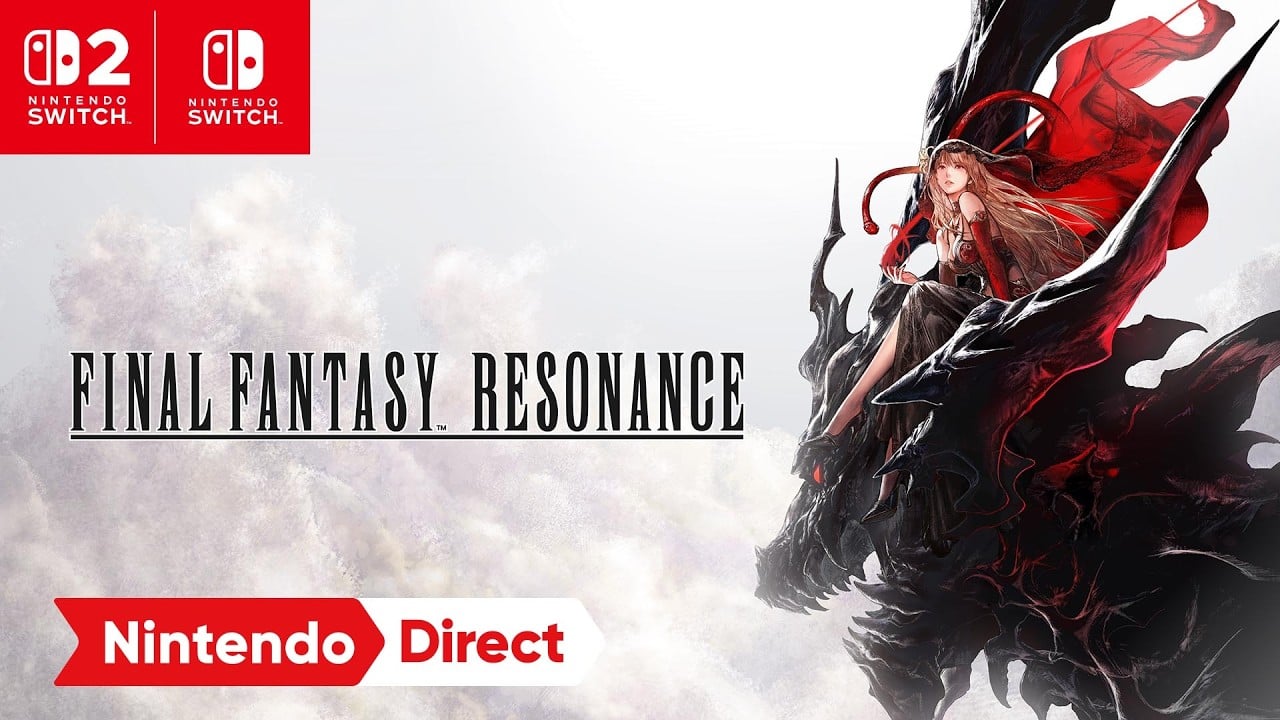
Final Fantasy Resonance has officially stepped into the spotlight, and it brings a very particular kind of excitement with it. Square Enix is taking the world and spirit of Final Fantasy Brave Exvius, a mobile RPG that built a loyal following through its characters, pixel art roots, and classic Final Fantasy callbacks, and reshaping it into a full console RPG experience. For Nintendo fans, the biggest detail is clear: Final Fantasy Resonance is heading to Nintendo Switch and Nintendo Switch 2 on October 22, 2026. That already makes it one of the more interesting RPG releases on the calendar, especially because Square Enix is calling it the first HD-2D Final Fantasy title. That phrase carries weight. HD-2D has become a kind of visual comfort food for RPG fans, mixing detailed pixel art with modern lighting, depth, and cinematic flair. It feels old and new at the same time, like finding a treasured cartridge in a futuristic display case. Final Fantasy Resonance also appears to move away from the mobile structure of Brave Exvius, giving players a more traditional standalone adventure built around companions, Visions, fate, and a world-threatening force. For longtime fans, that sounds like familiar territory in the best possible way. For newcomers, it may be a clean entry point into a story with classic fantasy energy and modern presentation.
Final Fantasy Resonance brings HD-2D magic to Switch 2
Final Fantasy Resonance is now officially part of Square Enix’s future RPG slate, and its arrival on Nintendo Switch 2 gives fans a fresh reason to keep an eye on the calendar. The game is scheduled to release on October 22, 2026 for Nintendo Switch and Nintendo Switch 2, with broader platform plans also reported for PlayStation 5, Xbox Series X|S, and PC. That makes the reveal feel bigger than a simple side project, especially because Square Enix is positioning Resonance as the first Final Fantasy game built around the HD-2D look. For a series that has reinvented itself through crystals, summons, job systems, action combat, turn-based battles, and enough hair gel to frighten a small village, this visual shift feels surprisingly natural.
The Nintendo listing describes a return to a pixel-art Final Fantasy world evolved from classic roots, with companions bound by fate and Visions that can aid players in battle. That short description says a lot without overexplaining. We are not looking at a blank-slate fantasy experiment here. We are looking at a game that wants to tap into the older soul of Final Fantasy while using a modern frame around it. The result could be a sweet spot for players who love the charm of earlier entries but still want visual depth, expressive lighting, and a console-ready feel.
Why this reveal matters for Final Fantasy fans
Final Fantasy Resonance matters because it brings together two sides of the franchise that do not always sit at the same table. On one side, we have Final Fantasy’s modern identity, where every major release tends to arrive with big cinematic ambition, sweeping production values, and bold combat decisions. On the other side, we have the older RPG flavor that many fans still associate with world maps, party bonds, crystals, summons, turn-based strategy, and pixel-art drama. Resonance appears to sit right in the middle of that conversation. It does not need to compete with a giant mainline release to feel important. Instead, it can offer something more focused, more nostalgic, and possibly more relaxed.
That may be exactly why the announcement has caught attention. HD-2D is not just a filter thrown over a game to make screenshots look pretty. When used well, it can make a town glow like a memory, make a battlefield feel like a tiny stage play, and make a simple walk across a bridge feel oddly emotional. Final Fantasy has always been good at turning small moments into big feelings. A soft musical cue, a crystal shimmer, a party member looking toward the horizon – that is the good stuff. Resonance has the chance to bring that mood back with a visual language that already feels tailor-made for classic RPG storytelling.
The Brave Exvius connection gives Resonance a familiar heart
Final Fantasy Resonance appears to be closely tied to Final Fantasy Brave Exvius, the mobile RPG that originally launched in Japan in 2015 before reaching global players in 2016. Brave Exvius mixed original characters with long-running Final Fantasy traditions, including summons, crystals, turn-based battles, and appearances from familiar franchise heroes. Its global version ended service in October 2024, while the Japanese version was set to shut down in October 2025. That history gives Resonance an unusual emotional layer. It is not only a new release – it also feels like a way for part of Brave Exvius to survive outside the fragile world of live-service mobile games.
That shift matters because mobile RPGs can feel temporary, even when players pour hundreds of hours into them. Once servers close, stories, menus, events, and memories can become difficult or impossible to revisit in their original form. A console reimagining changes that relationship. It gives the characters and world a more permanent stage, like moving a sandcastle away from the tide before the waves roll in. For fans of Rain, Lasswell, Fina, and the wider Brave Exvius universe, Resonance could become a more durable way to reconnect with a setting that might otherwise feel locked in the past.
What changes when a mobile RPG becomes a console RPG
Moving from mobile to console is not as simple as stretching the screen and calling it a day. A mobile RPG is often designed around daily logins, limited-time events, upgrade currencies, summon banners, stamina systems, and bite-sized play sessions. A console RPG usually asks for a different rhythm. It wants longer play sessions, stronger pacing, cleaner progression, and a story that can breathe without constantly tapping the player on the shoulder for another event reward. Final Fantasy Resonance has been described by early reporting as more than a direct port, with the experience rebuilt into a console-quality RPG structure.
That could be the most important part of the whole reveal. Players who bounced off Brave Exvius because of mobile systems may still find Resonance approachable if those systems are replaced by a traditional purchase-and-play structure. At the same time, players who loved Brave Exvius may get to see its characters and ideas presented with more dramatic staging. Imagine a familiar melody, but played by a full orchestra instead of through a phone speaker. The tune is still there, but the room around it has changed completely.
How HD-2D changes the feel of Final Fantasy
HD-2D has become one of Square Enix’s most recognizable modern RPG styles, largely because it understands the emotional pull of pixel art without treating old-school visuals like a museum exhibit. Instead of simply recreating the past, HD-2D places detailed sprites inside layered environments with lighting, depth of field, camera movement, and modern effects. The result can feel like a miniature diorama brought to life. For Final Fantasy, that matters because the franchise’s early identity was built on pixel art that had to suggest huge worlds through small images. A castle could be a handful of tiles. A monster could be a colorful sprite. A heartbreaking scene could unfold with tiny characters moving a few pixels at a time.
Final Fantasy Resonance now has the chance to translate that heritage into a style that feels respectful without being frozen in amber. The phrase “first HD-2D Final Fantasy” is doing a lot of work here, and fans will naturally bring expectations from games like Octopath Traveler, Triangle Strategy, Live A Live, and Dragon Quest III HD-2D Remake. Those comparisons are unavoidable, but Resonance still needs its own identity. Final Fantasy is not just another fantasy RPG label. It comes with visual signatures, musical expectations, summon spectacle, melodrama, airships, crystals, and that special habit of making players care deeply about characters who might be wearing belts in places belts were never meant to go.
Classic roots can still feel modern
The interesting thing about HD-2D is that it does not make a game feel small. In the right hands, it can make a world feel intimate and grand at the same time. A glowing town square can look cozy, while a distant skyline can suggest a much larger journey ahead. That kind of contrast fits Final Fantasy beautifully. The series has always moved between personal conversations and world-ending threats, often within the same hour. One minute, the party is sharing quiet doubts. The next, an ancient power is trying to reduce civilization to confetti. That balance is part of the charm.
Final Fantasy Resonance can use HD-2D to make those shifts feel theatrical. Characters can stand out like actors on a stage, while lighting and background detail add emotional texture around them. Battles can feel crisp, readable, and stylish without becoming visually cluttered. Towns can feel handcrafted rather than merely functional. If Square Enix leans into those strengths, Resonance could feel like a Final Fantasy memory rebuilt with newer tools rather than a nostalgic trick. That is the difference between wearing a costume and carrying a legacy.
Switch 2 could be the perfect home for this RPG
Nintendo Switch 2 looks like a natural fit for Final Fantasy Resonance because the game seems built around the kind of RPG pacing that works beautifully on a hybrid console. A big cinematic RPG can be impressive on a television, but an HD-2D adventure with turn-based flavor and story-driven progression can thrive both on the couch and in handheld play. That flexibility matters. Grinding a few battles, exploring a town, checking equipment, or pushing through a story scene can all fit into different play sessions. It is the kind of RPG rhythm that feels comfortable whether you have ten minutes or an entire evening.
There is also a broader Nintendo connection that should not be overlooked. Final Fantasy’s earliest console history is tied closely to Nintendo hardware, even if the series later became heavily associated with PlayStation. Seeing a new Final Fantasy project with classic visual DNA arrive on Switch 2 and Switch feels like a neat full-circle moment. It is not a simple return to the past, but it does carry that emotional echo. For players who first discovered RPGs through handhelds, cartridges, and late-night leveling sessions, Resonance has the right ingredients to feel warmly familiar.
Why the original Switch version still matters
The Switch 2 version will naturally get a lot of attention, but the original Nintendo Switch release remains important. A cross-generation launch means more players can access Final Fantasy Resonance without immediately moving to new hardware. That matters for an RPG with roots in a mobile game, because Brave Exvius built its identity around accessibility. It reached players through phones, daily play, and a broad Final Fantasy fan base. Keeping Resonance available on the original Switch helps preserve some of that spirit, even as the experience moves into a more traditional console format.
Of course, many fans will still wonder how the two Nintendo versions compare. Will Switch 2 offer sharper image quality, faster loading, smoother performance, or richer effects? Square Enix has not laid out every technical difference yet, so it is better to wait for official details before assuming too much. Still, the core idea is promising. HD-2D usually scales well across hardware because its beauty is not only about raw power. It is about art direction. And art direction, when handled well, ages far better than a spec sheet.
Visions, companions, and classic Final Fantasy flavor
The Nintendo description mentions companions bound by fate and the ability to call on Visions in battle. That instantly gives Final Fantasy fans something to chew on. In Brave Exvius, Visions were central to the idea of summoning heroes and memories into combat. In Resonance, that idea could be reshaped into something more fitting for a standalone RPG. Instead of living inside a mobile summon economy, Visions may become part of the battle system, progression, or story structure. The concept already has Final Fantasy written all over it, because this franchise loves the idea of memory, legacy, destiny, and power drawn from mythic figures.
Companions are just as important. Final Fantasy is rarely only about saving the world. It is about who stands beside you when the world starts wobbling like a table with one short leg. A strong party can make even familiar RPG ideas feel alive. The best entries give each character a reason to be there beyond combat utility. They carry regrets, dreams, jokes, grudges, and the occasional questionable outfit. If Resonance gives its cast room to grow, argue, bond, and surprise us, the Brave Exvius foundation could become more than a reference point. It could become the emotional engine of the game.
Turn-based battles could give Resonance its own lane
Early descriptions point toward a return to turn-based combat, which would help Final Fantasy Resonance stand apart from several modern Final Fantasy entries. That does not mean action combat is bad, of course. It simply means turn-based battles offer a different pleasure. They let players pause, read the situation, plan a move, and enjoy the satisfying click of a strategy falling into place. There is a particular joy in choosing the right spell, timing a heal, exploiting a weakness, or saving a powerful summon for the perfect moment. It is chess with more fireballs.
For an HD-2D Final Fantasy, turn-based combat also feels thematically aligned. The visual style already nods toward older RPG design, so a battle system with tactical pacing could make the whole package feel cohesive. The key will be avoiding repetition. Modern turn-based RPGs need smart encounter design, meaningful progression, and battles that ask players to pay attention without turning every random fight into homework. If Resonance can keep battles snappy while still giving Visions and party roles real depth, it could satisfy players who miss classic Final Fantasy structure without feeling dusty.
What the October 22, 2026 release date tells us
The October 22, 2026 release date gives Final Fantasy Resonance a clear position in the year’s RPG conversation. Late October is a strong window for games with fantasy atmosphere, especially as players start looking for longer adventures to carry them through the colder months. It also gives Square Enix time to explain what Resonance truly is. Right now, the biggest confirmed talking points are the HD-2D presentation, the Brave Exvius connection, the Nintendo Switch and Switch 2 release, the broader console and PC plans reported by outlets, and the use of companions and Visions. That is a good foundation, but fans will naturally want more.
The months ahead should clarify how much of Brave Exvius is being adapted, how progression works, whether the story follows the mobile game closely, and how the battle system has changed. The release date also means players do not need to treat this as a far-off mystery floating somewhere in the fog. October 22, 2026 is specific. It gives fans something solid to circle, wishlist, and argue about in comments with the kind of passion only RPG fans can bring to menu design.
What Square Enix still needs to explain
Square Enix still has several important questions to answer before launch. The biggest one is how Final Fantasy Resonance handles the structure of Brave Exvius. Is it adapting a specific story arc? Is it reshuffling events for a console audience? Will it keep the same main characters while changing the pacing, combat, and progression? Those details will decide whether Resonance feels like a true reimagining or a companion piece with a familiar name. Fans will also want to know whether the game includes optional references to broader Final Fantasy history, especially if Visions still involve iconic heroes from across the franchise.
Pricing, physical editions, performance details, save features, localization specifics, and platform differences are also worth watching. None of those details should overshadow the core reveal, but they matter to players making buying decisions. RPG fans can be patient, but they are also expert investigators. Give them one screenshot of a menu and they will zoom in like detectives studying a suspicious footprint. Square Enix does not need to reveal everything immediately, but the road to launch will benefit from clear communication.
Where Final Fantasy Resonance fits in Square Enix’s lineup
Final Fantasy Resonance arrives at an interesting time for Square Enix. The company has spent years experimenting with ways to keep its classic RPG identity alive while also chasing modern audiences. HD-2D has been one of its most successful answers to that challenge. It gives Square Enix a recognizable visual lane that can support new stories, remakes, and reimaginings without requiring every project to become a massive blockbuster. Resonance feels like a smart use of that lane. It takes a mobile Final Fantasy world with existing characters and lore, then gives it a format that may appeal to console RPG fans who prefer standalone adventures.
It also helps broaden what Final Fantasy can be on Switch 2. The platform does not need only giant mainline experiences or ports of existing games. It can benefit from projects that feel built for its audience and play habits. Resonance has the potential to be one of those projects. It is recognizable without being predictable, nostalgic without being a straight remake, and connected to Final Fantasy history without needing to carry the burden of a numbered entry. That is a useful position, especially in a franchise where every mainline release becomes a lightning rod for debate.
Why smaller-scale Final Fantasy releases can be valuable
Not every Final Fantasy release needs to arrive with the weight of a royal coronation. Smaller-scale projects can sometimes take creative risks that huge releases cannot. They can experiment with art style, pacing, combat structure, and fan-service without needing to redefine the entire franchise. Final Fantasy Resonance seems to fit that role. It can speak to fans of Brave Exvius, fans of classic turn-based RPGs, fans of HD-2D visuals, and Nintendo players looking for another strong RPG on Switch 2. That is a tidy little audience overlap, and tidy is not a bad thing when the RPG market is so crowded.
There is also value in preservation. Brave Exvius had years of story and character work behind it, but live-service closures can make that kind of history feel fragile. Resonance gives Square Enix a chance to carry parts of that world forward in a form that does not depend on daily operations or server availability. For players who missed the mobile game, it may become a fresh introduction. For veterans, it may feel like meeting an old friend who has somehow learned stage lighting, camera angles, and a much better wardrobe.
What fans should watch for next
Now that Final Fantasy Resonance has been revealed, the next wave of information will be crucial. Fans should watch for extended gameplay footage, especially anything showing the battle system, exploration, party setup, and Visions in action. A trailer can set the mood, but RPGs live or die in the rhythm of play. How fast do battles move? How do characters grow? Are towns explorable in a classic sense? Does the world map return? How much voice acting is included? Are there difficulty options? These details will shape the conversation far more than the reveal alone.
Physical release details will also matter for Nintendo fans, especially collectors who prefer cartridges on the shelf rather than another icon in a digital library. Platform comparison footage may become another big talking point once Square Enix is ready to show more. For now, the safest takeaway is simple: Final Fantasy Resonance is real, it is coming to Nintendo Switch and Switch 2 on October 22, 2026, and it brings the Brave Exvius world into an HD-2D console RPG format. That is already enough to make RPG fans sit up a little straighter.
Why cautious excitement makes sense
Final Fantasy Resonance has a lot going for it, but cautious excitement is still the healthiest mood. The idea is strong, the visual direction is appealing, and the Brave Exvius connection gives it a ready-made identity. Still, the final shape of the game depends on execution. A great HD-2D RPG needs more than pretty lighting and nostalgic sprites. It needs sharp pacing, satisfying battles, memorable music, a strong party, and a story that knows when to whisper and when to swing the emotional hammer.
That is why the reveal works best as a promise rather than a victory lap. Square Enix has opened the door, shown the glow inside, and given fans a date. Now the question is whether Final Fantasy Resonance can turn that promise into a journey worth taking. If it does, Switch 2 owners may have a charming, heartfelt RPG waiting for them in October 2026. And honestly, who could say no to another excuse to summon legendary power while tiny pixel heroes stare dramatically into destiny?
Conclusion
Final Fantasy Resonance feels like a meaningful new branch for Square Enix’s long-running RPG series. By bringing Final Fantasy Brave Exvius into a console-focused HD-2D format, the game has a chance to preserve a familiar world while reshaping it for players who prefer a traditional RPG experience. The October 22, 2026 release date gives fans a clear target, and the Nintendo Switch 2 version should be especially interesting for anyone who enjoys classic RPGs with modern presentation. There are still plenty of details to learn, from combat depth to platform differences, but the foundation is promising. Final Fantasy has always been at its best when old memories and new ideas collide, and Resonance looks ready to strike that crystal until it sings.
FAQs
- What is Final Fantasy Resonance?
- Final Fantasy Resonance is a new Square Enix RPG described as the first HD-2D Final Fantasy game. It appears to reimagine elements of Final Fantasy Brave Exvius as a console-focused adventure with companions, Visions, classic Final Fantasy themes, and a pixel-art world evolved with modern visual effects.
- When is Final Fantasy Resonance coming out?
- Final Fantasy Resonance is scheduled to release on October 22, 2026. The game has been announced for Nintendo Switch and Nintendo Switch 2, with reports also listing PlayStation 5, Xbox Series X|S, and PC as part of the broader platform lineup.
- Is Final Fantasy Resonance connected to Final Fantasy Brave Exvius?
- Yes, Final Fantasy Resonance is connected to Final Fantasy Brave Exvius. Early reporting describes it as a console reimagining or adaptation inspired by the now-defunct mobile RPG, with a stronger standalone structure instead of the mobile live-service format.
- What does HD-2D mean for Final Fantasy Resonance?
- HD-2D blends pixel-art characters and retro-inspired environments with modern lighting, camera depth, and visual effects. For Final Fantasy Resonance, that means the game can evoke older Final Fantasy adventures while still feeling polished for modern platforms.
- Will Final Fantasy Resonance use gacha mechanics?
- Early reporting indicates that Final Fantasy Resonance is being reshaped as a standalone RPG rather than a direct mobile port. Details on every progression system have not been fully explained yet, but the move to console suggests a different structure from Brave Exvius’s original mobile format.
Sources
- FINAL FANTASY RESONANCE, Nintendo, June 10, 2026
- Square Enix announces Final Fantasy Resonance, new HD-2D game based on Brave Exvius, GosuGamers, June 9, 2026
- Final Fantasy Resonance announced for Nintendo Switch 2, Switch, Nintendo Everything, June 9, 2026
- Final Fantasy Resonance, the first HD-2D Final Fantasy title, launches October 22nd, 2026, Nintendo Wire, June 9, 2026
- Final Fantasy Brave Exvius, Dragon Quest of the Stars to Shut Down, Siliconera, August 25, 2025